
Search products by name
Search medicines by name
0
0 item
৳ 0.00
Your Complete HealthCare Solution - Right Here


10657
info@shukhee.com
Telecom Bhaban (Level- 12), 53/1 Box Nagar, Zoo Road, Dhaka-1216.
৳ 0.00
10657
info@shukhee.com
Telecom Bhaban (Level- 12), 53/1 Box Nagar, Zoo Road, Dhaka-1216.

Products

Payment

Delivery
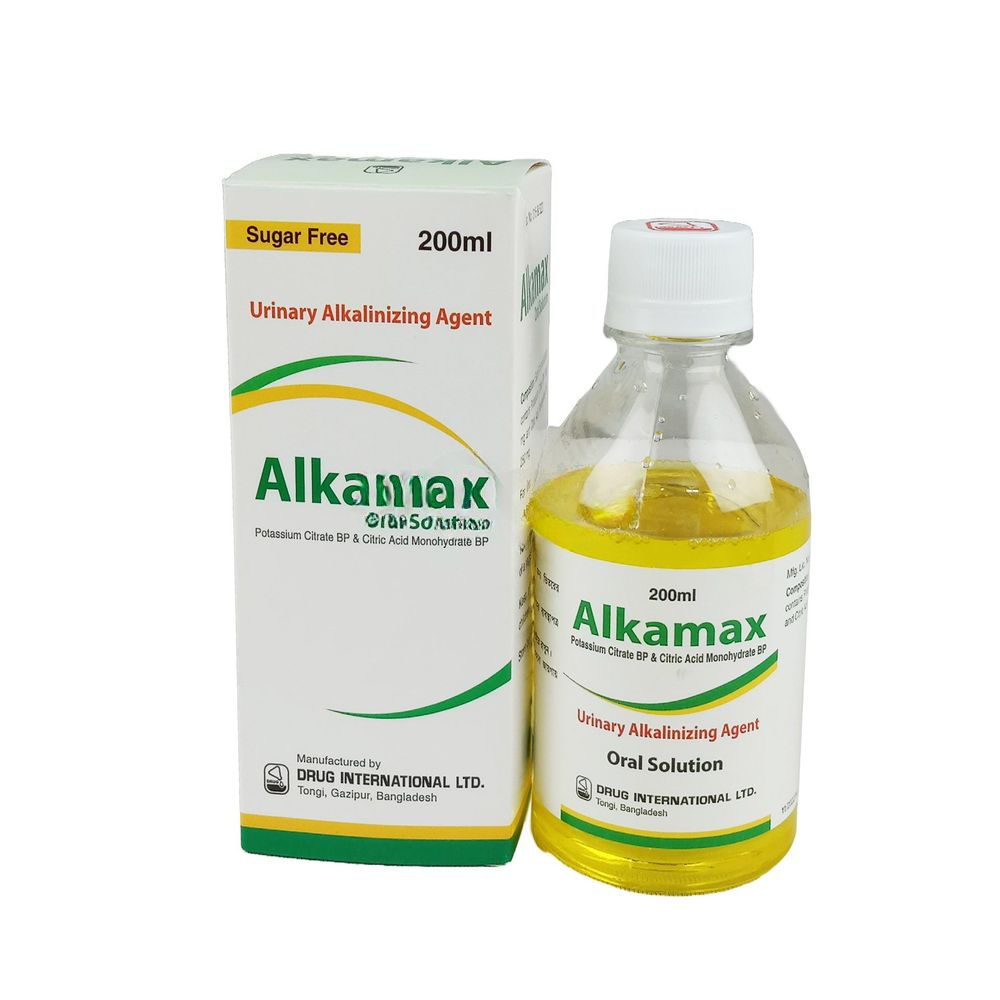
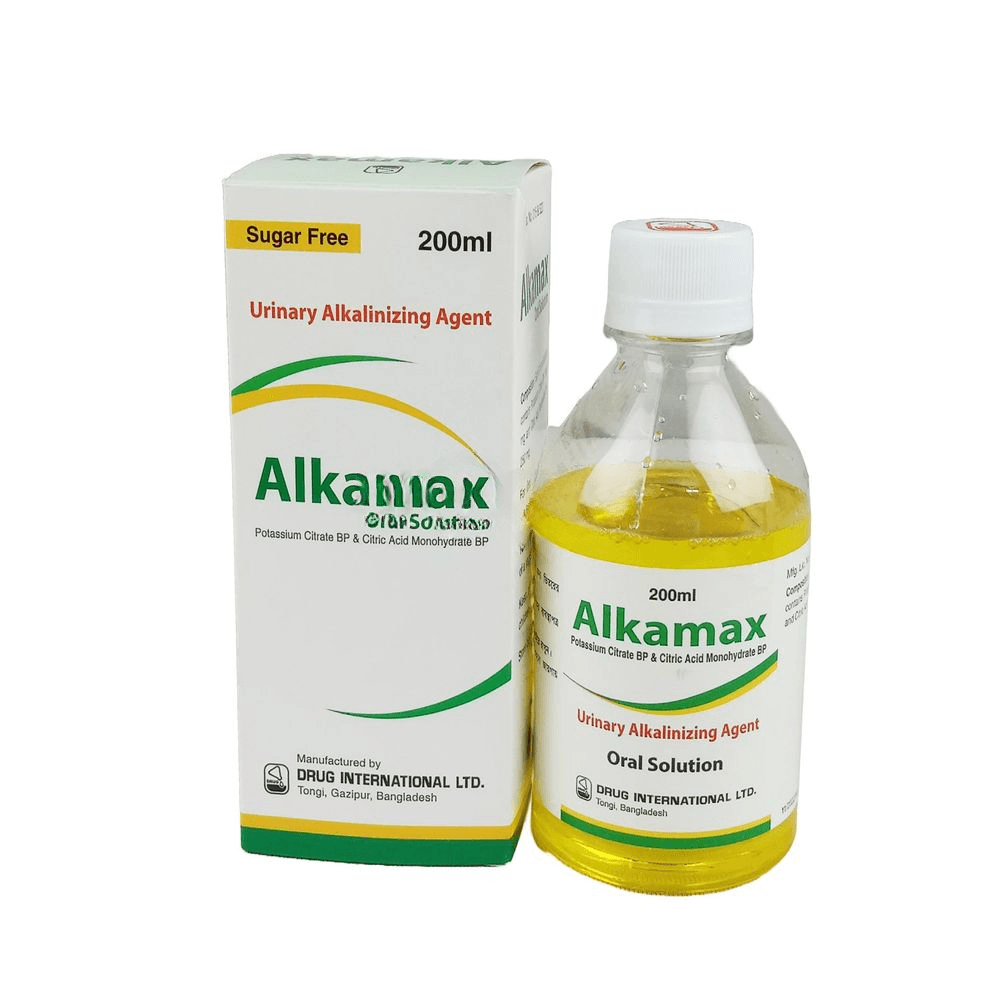
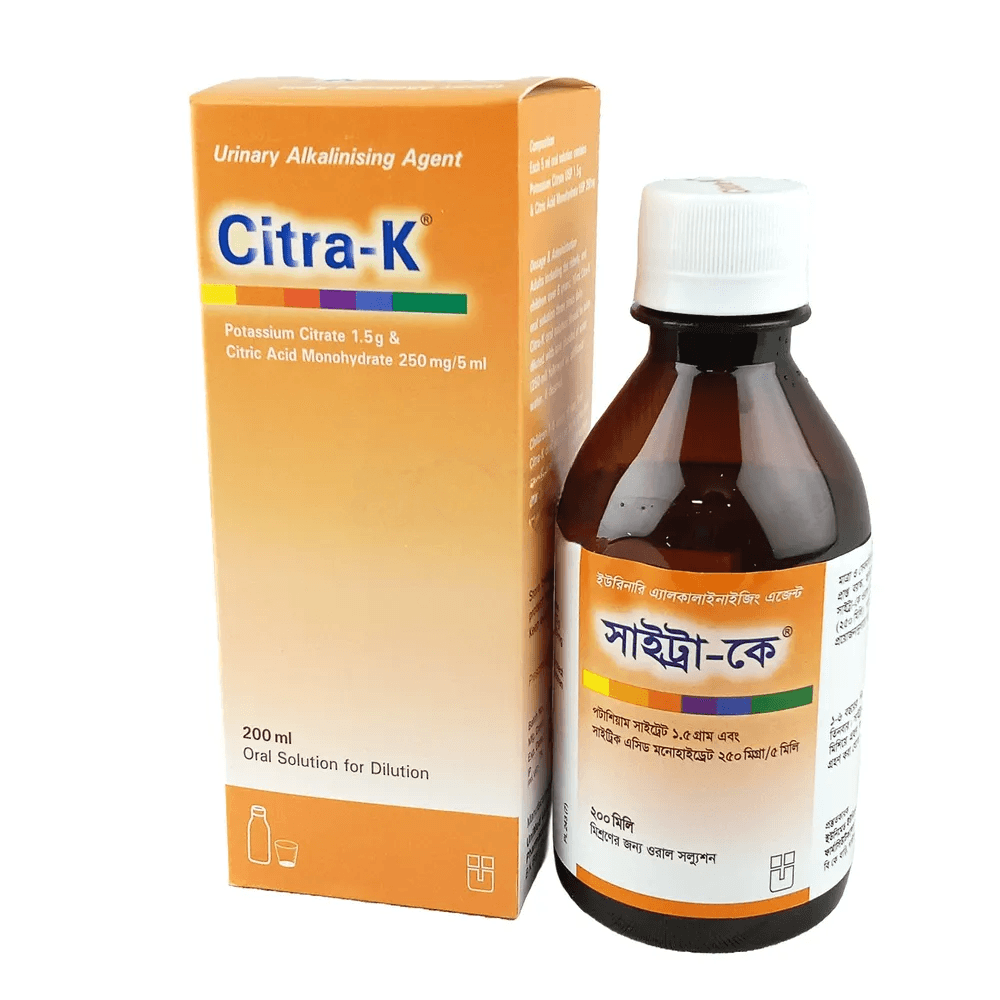
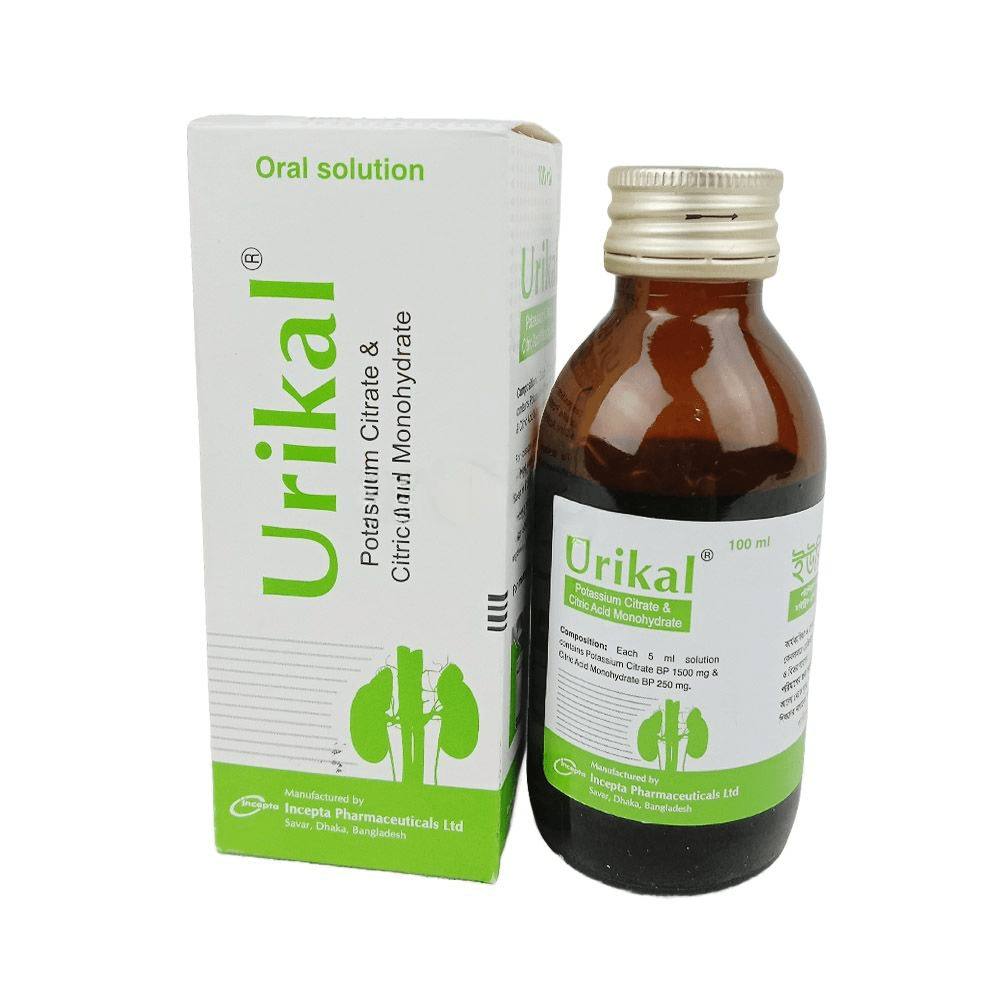
Prevention of gout and kidney stones, Urine alkalinization, Renal tubular acidosis
Dilute oral solution in water according to directions, followed by additional water, if desired\r\n\r\nProper dilution may help prevent gastrointestinal injury associated with the oral ingestion of concentrated potassium salt preparations\r\n\r\nPalatability enhanced if chilled
Urinary Alkalinization\r\nIndicated for long-term maintenance of an alkaline urine (eg, patients with uric acid and cystine calculi of the urinary tract), especially when the administration of sodium salts is undesirable or contraindicated\r\n\r\nUsual dose: 15-30 mL PO diluted with 1 glass of water QID (after meals and at bedtime)
Urinary Alkalinization\r\nIndicated for long-term maintenance of an alkaline urine (eg, patients with uric acid and cystine calculi of the urinary tract), especially when the administration of sodium salts is undesirable or contraindicated\r\n\r\nUsual dose: 5-15 mL PO diluted with one-half glass of water QID (after meals and at bedtime)
The drug is contraindicated in severe renal impairment with oliguria or azotemia, untreated Addison's disease, acute dehydration, severe myocardial damage, and hyperkalemia from any cause.
Potassium citrate is absorbed and metabolized to potassium bicarbonate and this acts as a systemic alkalizer .
The solution should be used with caution in patients with low urinary output. It should be diluted adequately with water to minimize the possibility of gastrointestinal injury associated with the oral ingestion of concentrated potassium salt preparations; and preferably, to take each dose after meals. Large doses may cause hyperkalemia and alkalosis, especially in the presence of renal disease.\r\n\r\nLactation: Unknown whether distributed in breast milk
This solution is generally well tolerated without any unpleasant side effect when given in recommended doses to patients with normal renal function and urinary output. However, as with any alkalinizing agent, caution must be used in certain patients with abnormal renal mechanisms to avoid development of hyperkalemia or alkalosis. Potassium intoxication causes listlessness, weakness, mental confusion, tingling of extremities, and other symptoms associated with a high concentration of potassium in the serum.
N/A