
Search products by name
Search medicines by name
0
0 item
৳ 0.00
Your Complete HealthCare Solution - Right Here


10657
info@shukhee.com
Telecom Bhaban (Level- 12), 53/1 Box Nagar, Zoo Road, Dhaka-1216.
৳ 0.00
10657
info@shukhee.com
Telecom Bhaban (Level- 12), 53/1 Box Nagar, Zoo Road, Dhaka-1216.


Quantity:

Products

Payment

Delivery
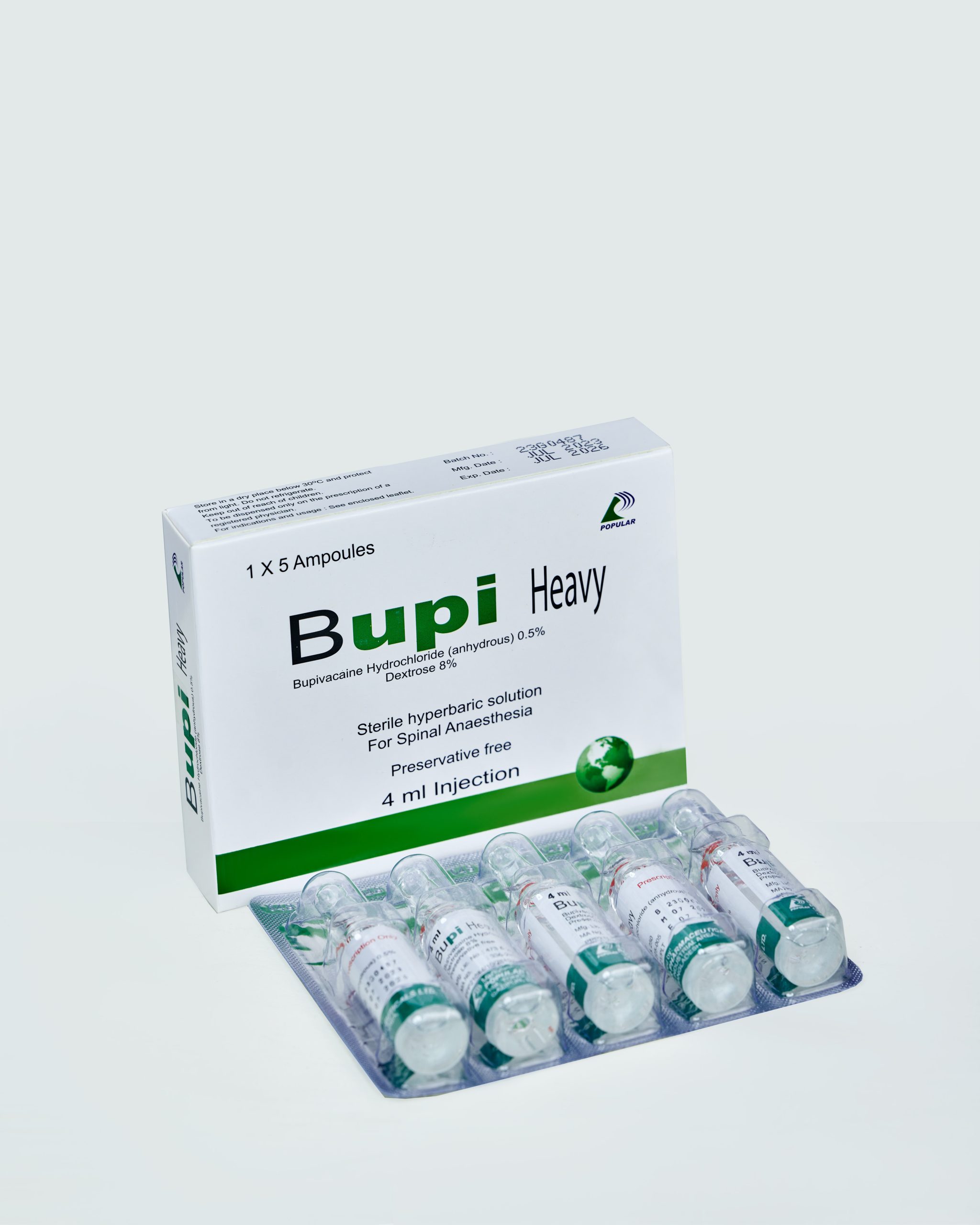
Intrathecal anesthesia, Spinal anesthesia, Epidural anesthesia, Subarachnoid anesthesia
Adult: Inj Percutaneous infiltration anesth For prolonged action: 9 mg w/ adrenaline (1 in 200,000), may repeat 2-10 mins later if needed. Max: 90 mg per dental sitting. \r\n\r\nSurgical anaesthesia\r\nPeripheral nerve block 12.5 mg (as 0.25% soln) or 25 mg (as 0.5% soln) . Max: 150 mg/dose. \r\nSympathetic nerve block As 0.25% soln: 50-125 mg. \r\nRetrobulbar block As 0.75% soln: 15-30 mg. \r\nCaudal block In surgery: 37.5-75 mg (as 0.25% soln) or 75-150 mg (as 0.5% soln). \r\nLumbar epidural block In surgery: 25-50 mg (as 0.25% soln) and 50-100 mg (as 0.5% soln).\r\nSpinal block: 0.5% soln: 10-20 mg (2-4 mL).
<12 years: Not recommended\r\n\r\nCaudal Block, Epidural Block, Local Block\r\n>12 years\r\nLocal Anesthesia: Infiltration 0.25% infiltrated locally: 175 mg maximum\r\nCaudal Block: 15-30 mL of 0.25% or 0.5% (preservative free)\r\nEpidural Block Other Than Caudal Block: 10-20 mL of 0.25% or 0.5%; administer in 3-5 mL increments allowing sufficient time to detect toxic manifestations of inadvertent IV or IT administration (preservative free); for surgical procedures requiring high degree of muscle relaxation and prolonged effects administer10-20 mL of 0.75%; not to be used in obstetrical cases\r\n\r\nPeripheral or Sympathetic Nerve Block\r\n>12 years\r\nPeripheral Nerve Block: 5 mL of 0.25-0.5%; 400 mg/day maximum\r\nSympathetic Nerve Block: 20-50 mL of 0.25%
Hypersensitivity to local anaesthetics of amide type. IV regional anaesthesia; paracervical block in obstetrics; spinal anaesthesia <18 yr. Lactation. Solutions containing preservatives for caudal or epidural block.
Bupivacaine blocks both the initiation and conduction of nerve impulses reducing the permeability of neuronal membranes to Na ions resulting in inhibition of depolarization w/ resultant blockade of conduction. \tDextrose is a monosaccharide that is used as a source of calories and water for hydration. It helps to reduce loss of body protein and nitrogen. It also promotes glycogen deposition in the liver.
Hepatic disease; CV disease; children <12 yr; pregnancy. Elderly and debilitated patients.\r\n\r\nLactation: excretion in milk unknown/not recommended
CNS excitation may be followed by depression. Hypotension, bradycardia, arrhythmias and cardiac arrest; methaemoglobinaemia; seizures, restlessness, dizziness. Hypersensitivity. Prolonged block, Edema, Headache, Hypotension, Hypoventilation, Nausea, Nervousness, Palpitation, Respiratory arrest, Tachycardia, Tinnitus, Tremors, Vomiting.\r\n\r\nPotentially Fatal: Cardiac and sudden respiratory arrest.
Pregnancy Category: C\r\n\r\nLactation: excretion in milk unknown/not recommended
Additive systemic toxic effect w/ other local anaesth or agents structurally related to amide-type local anaesth (e.g. lidocaine and mexiletine). Increased risk of myocardial depression w/ antiarrhythmics. Enhanced adverse effects w/ hyaluronidase. Decreased clearance resulting to increased plasma concentrations w/ cimetidine and ranitidine. Increased risk of adverse effects w/ beta-blockers and Ca channel blockers.

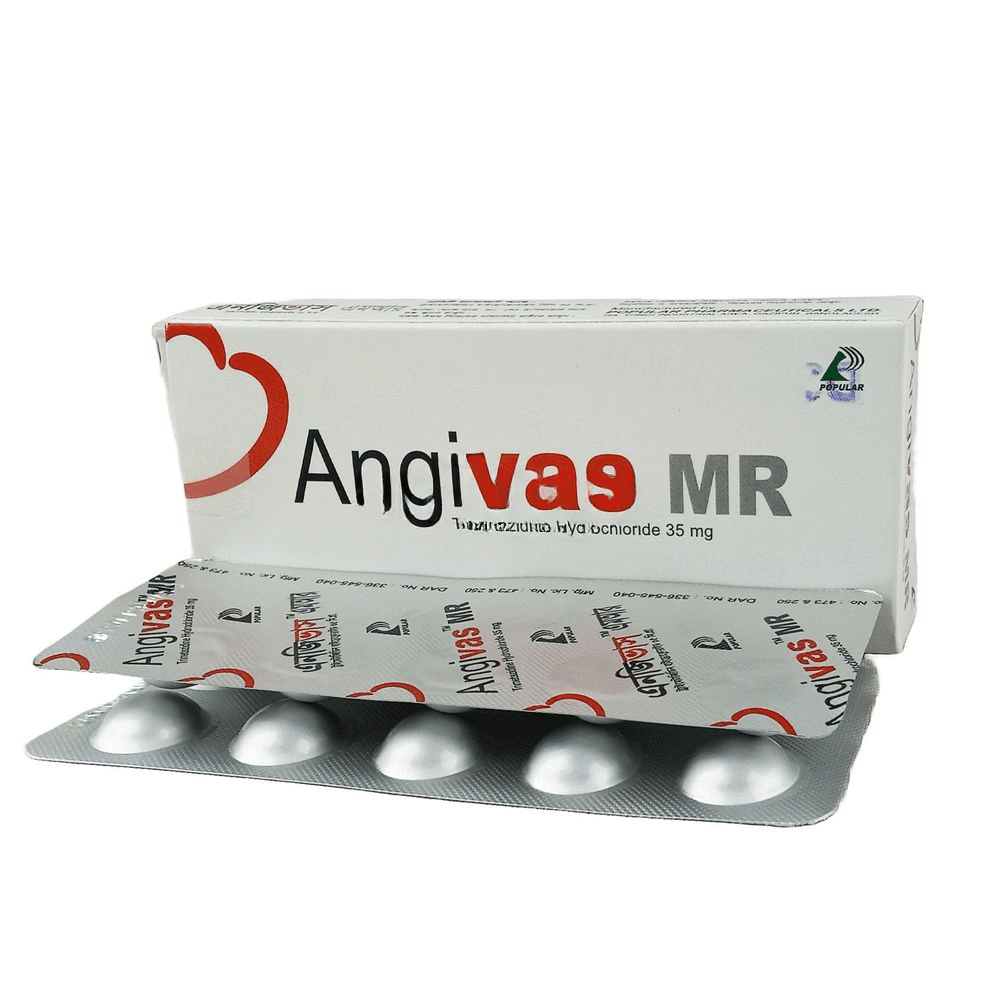
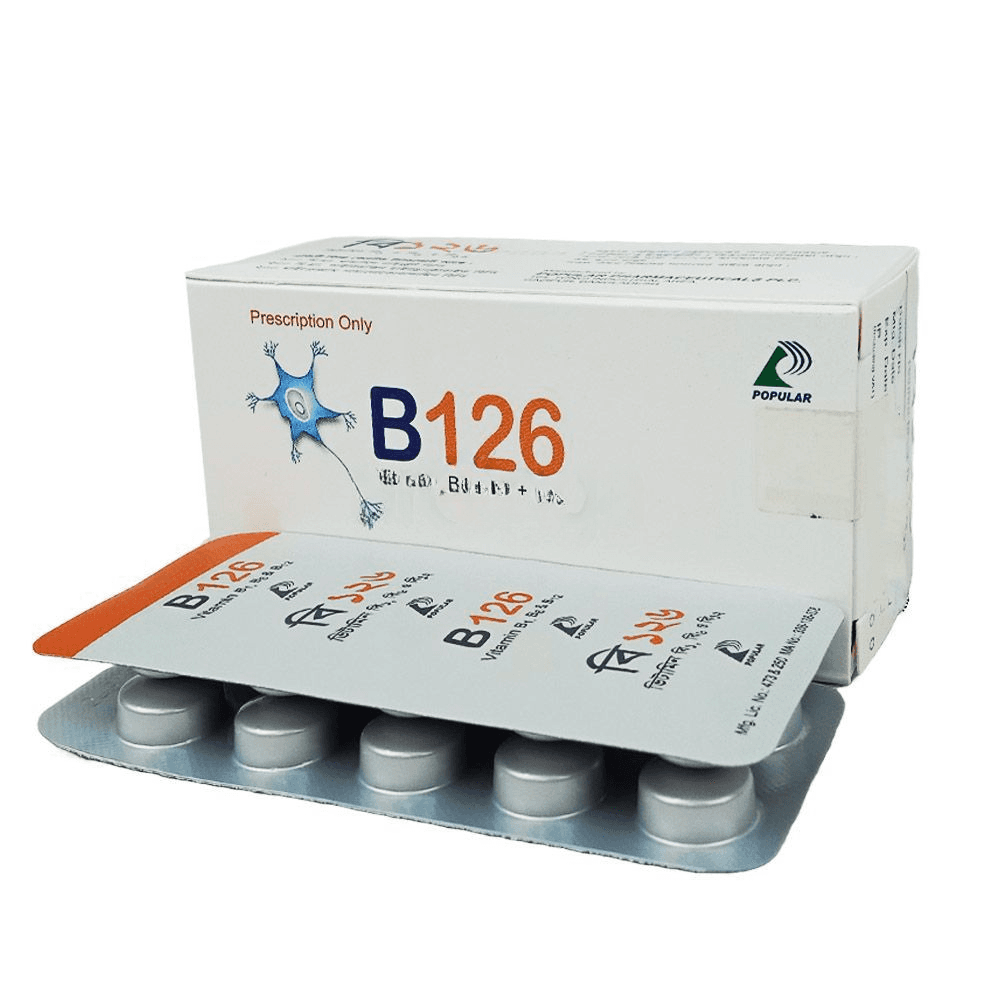
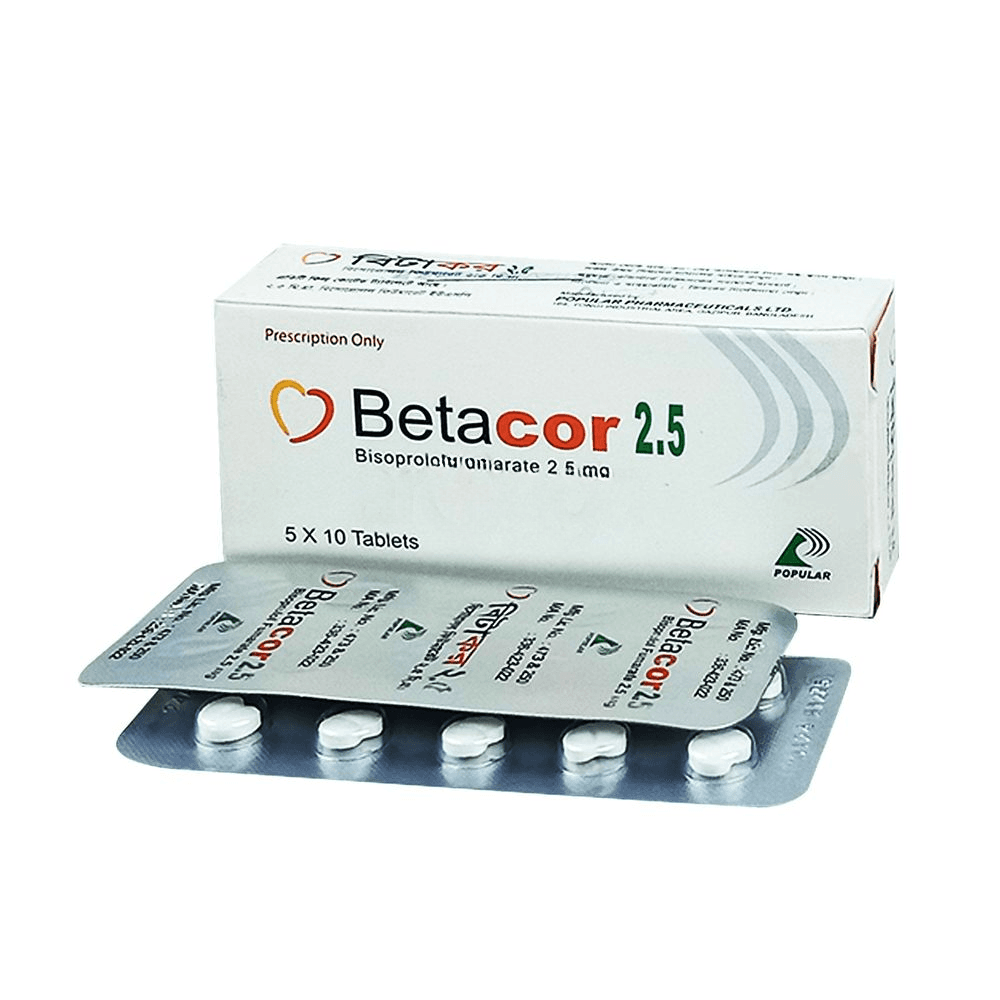
Intrathecal anesthesia, Spinal anesthesia, Epidural anesthesia, Subarachnoid anesthesia
Adult: Inj Percutaneous infiltration anesth For prolonged action: 9 mg w/ adrenaline (1 in 200,000), may repeat 2-10 mins later if needed. Max: 90 mg per dental sitting. \r\n\r\nSurgical anaesthesia\r\nPeripheral nerve block 12.5 mg (as 0.25% soln) or 25 mg (as 0.5% soln) . Max: 150 mg/dose. \r\nSympathetic nerve block As 0.25% soln: 50-125 mg. \r\nRetrobulbar block As 0.75% soln: 15-30 mg. \r\nCaudal block In surgery: 37.5-75 mg (as 0.25% soln) or 75-150 mg (as 0.5% soln). \r\nLumbar epidural block In surgery: 25-50 mg (as 0.25% soln) and 50-100 mg (as 0.5% soln).\r\nSpinal block: 0.5% soln: 10-20 mg (2-4 mL).
<12 years: Not recommended\r\n\r\nCaudal Block, Epidural Block, Local Block\r\n>12 years\r\nLocal Anesthesia: Infiltration 0.25% infiltrated locally: 175 mg maximum\r\nCaudal Block: 15-30 mL of 0.25% or 0.5% (preservative free)\r\nEpidural Block Other Than Caudal Block: 10-20 mL of 0.25% or 0.5%; administer in 3-5 mL increments allowing sufficient time to detect toxic manifestations of inadvertent IV or IT administration (preservative free); for surgical procedures requiring high degree of muscle relaxation and prolonged effects administer10-20 mL of 0.75%; not to be used in obstetrical cases\r\n\r\nPeripheral or Sympathetic Nerve Block\r\n>12 years\r\nPeripheral Nerve Block: 5 mL of 0.25-0.5%; 400 mg/day maximum\r\nSympathetic Nerve Block: 20-50 mL of 0.25%
Hypersensitivity to local anaesthetics of amide type. IV regional anaesthesia; paracervical block in obstetrics; spinal anaesthesia <18 yr. Lactation. Solutions containing preservatives for caudal or epidural block.
Bupivacaine blocks both the initiation and conduction of nerve impulses reducing the permeability of neuronal membranes to Na ions resulting in inhibition of depolarization w/ resultant blockade of conduction. \tDextrose is a monosaccharide that is used as a source of calories and water for hydration. It helps to reduce loss of body protein and nitrogen. It also promotes glycogen deposition in the liver.
Hepatic disease; CV disease; children <12 yr; pregnancy. Elderly and debilitated patients.\r\n\r\nLactation: excretion in milk unknown/not recommended
CNS excitation may be followed by depression. Hypotension, bradycardia, arrhythmias and cardiac arrest; methaemoglobinaemia; seizures, restlessness, dizziness. Hypersensitivity. Prolonged block, Edema, Headache, Hypotension, Hypoventilation, Nausea, Nervousness, Palpitation, Respiratory arrest, Tachycardia, Tinnitus, Tremors, Vomiting.\r\n\r\nPotentially Fatal: Cardiac and sudden respiratory arrest.
Pregnancy Category: C\r\n\r\nLactation: excretion in milk unknown/not recommended
Additive systemic toxic effect w/ other local anaesth or agents structurally related to amide-type local anaesth (e.g. lidocaine and mexiletine). Increased risk of myocardial depression w/ antiarrhythmics. Enhanced adverse effects w/ hyaluronidase. Decreased clearance resulting to increased plasma concentrations w/ cimetidine and ranitidine. Increased risk of adverse effects w/ beta-blockers and Ca channel blockers.
N/A