
Search products by name
Search medicines by name
0
0 item
৳ 0.00
Your Complete HealthCare Solution - Right Here


10657
info@shukhee.com
Telecom Bhaban (Level- 12), 53/1 Box Nagar, Zoo Road, Dhaka-1216.
৳ 0.00
10657
info@shukhee.com
Telecom Bhaban (Level- 12), 53/1 Box Nagar, Zoo Road, Dhaka-1216.

Quantity:

Products

Payment

Delivery
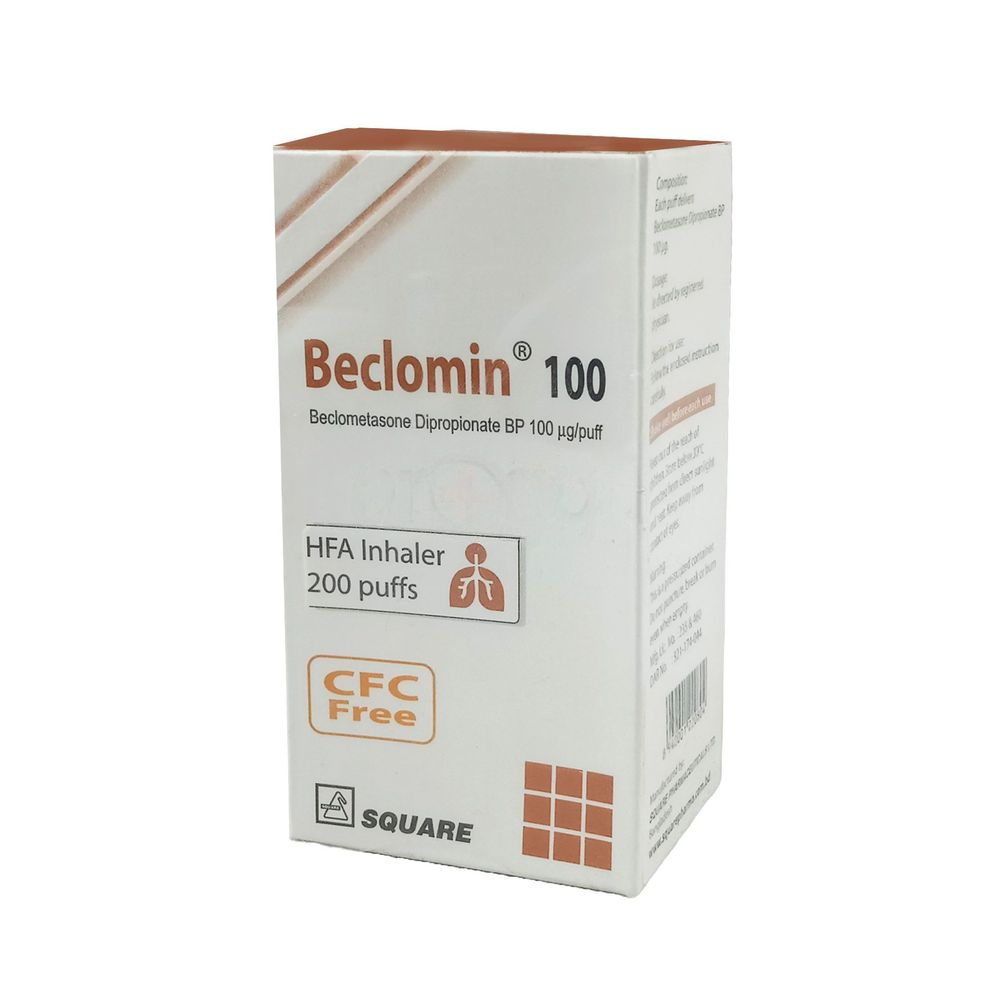
Asthma, Chronic obstructive pulmonary disease (COPD),
Prime inhaler (2 actuations into air) before first use and after prolonged idleness (>10 days)
Management of chronic asthma\r\nAdults: 100-400 mcg twice daily.\r\n\r\nProphylaxis of asthma\r\nAdults: 50-200 mcg twice daily. Increased if necessary to maximum 400 mcg twice daily.\r\n\r\nWhen patient's symptoms remain under satisfactory control, the dose should be titrated to the lowest dose at which effective control of asthma is maintained.\r\n\r\n\r\n
Management of chronic asthma\r\nChildren over 12 years: 100-400 mcg twice daily.\r\n\r\nChildren (5-12 years): 100-200 mcg twice daily. Maximum 200-400 mcg twice daily.\r\n\r\nProphylaxis of asthma\r\nChildren over 12 years: 50-200 mcg twice daily. Increased if necessary to maximum 400 mcg twice daily.\r\n\r\nChildren (5-12 years): The usual starting dose is 100 mcg twice daily. Depending on the severity of asthma, the daily dose may be increased up to 400 mcg administered in 2-4 divided doses.\r\n\r\nWhen patient's symptoms remain under satisfactory control, the dose should be titrated to the lowest dose at which effective control of asthma is maintained.\r\n\r\n
Hypersensitivity to any of the ingredients of this preparation contraindicates its use. Child under 6 years not recommended.
Beclometasone controls the rate of protein synthesis, depresses the migration of polymorphonuclear leukocytes, fibroblasts, reverses capillary permeability and lysosomal stabilisation at the cellular level to prevent or control inflammation.
Patients should be instructed to use inhaler properly to ensure that the drug reaches the target areas within the lungs. They should also be made aware of the prophylactic nature of therapy with Beclometasone Dipropionate HFA inhaler and that they should use it regularly, even when they are asymptomatic.\r\nIntranasal corticosteroids may cause a reduction in growth velocity when administered to pediatric patients. \r\nBeclometasone dipropionate is not suitable for the treatment of an acute asthma attack. \r\n\r\nLactation: Potential for excretion into milk; use only if benefits greatly outweigh risks
>10%\r\nPharyngitis (5-27%),Headache (8-25%),URI (5-11%)\r\n\r\n1-10%\r\nRhinitis (3-7%),Pain (1-5%),Increased asthma symptoms (2-4%),Dysphonia (1-4%),Sinusitis (3%),Oral symptoms (2-3%),Nausea (1-2%)\r\n
$4c
Inhibitors of CYP3A4: potential pharmacokinetic interaction (increased plasma beclomethasone dipropionate concentrations).\r\nInducers of CYP3A4: potential pharmacokinetic interaction (decreased plasma beclomethasone dipropionate concentrations).\r\nAntidiabetic agents\r\nMay increase blood glucose concentrations in patients with diabetes mellitus.\r\nNSAIDs\r\nPossible increased risk of GI ulcerationa\r\nDecreased serum salicylate concentrations. When corticosteroids are discontinued, serum salicylate concentration may increase possibly resulting in salicylate intoxication\r\n\r\nVaccines and Toxoids\r\nMay cause a diminished response to toxoids and live or inactivated vaccines.\r\nMay potentiate replication of some organisms contained in live, attenuated vaccines.\r\nCan aggravate neurologic reactions to some vaccines (supraphysiologic dosages).\r\n

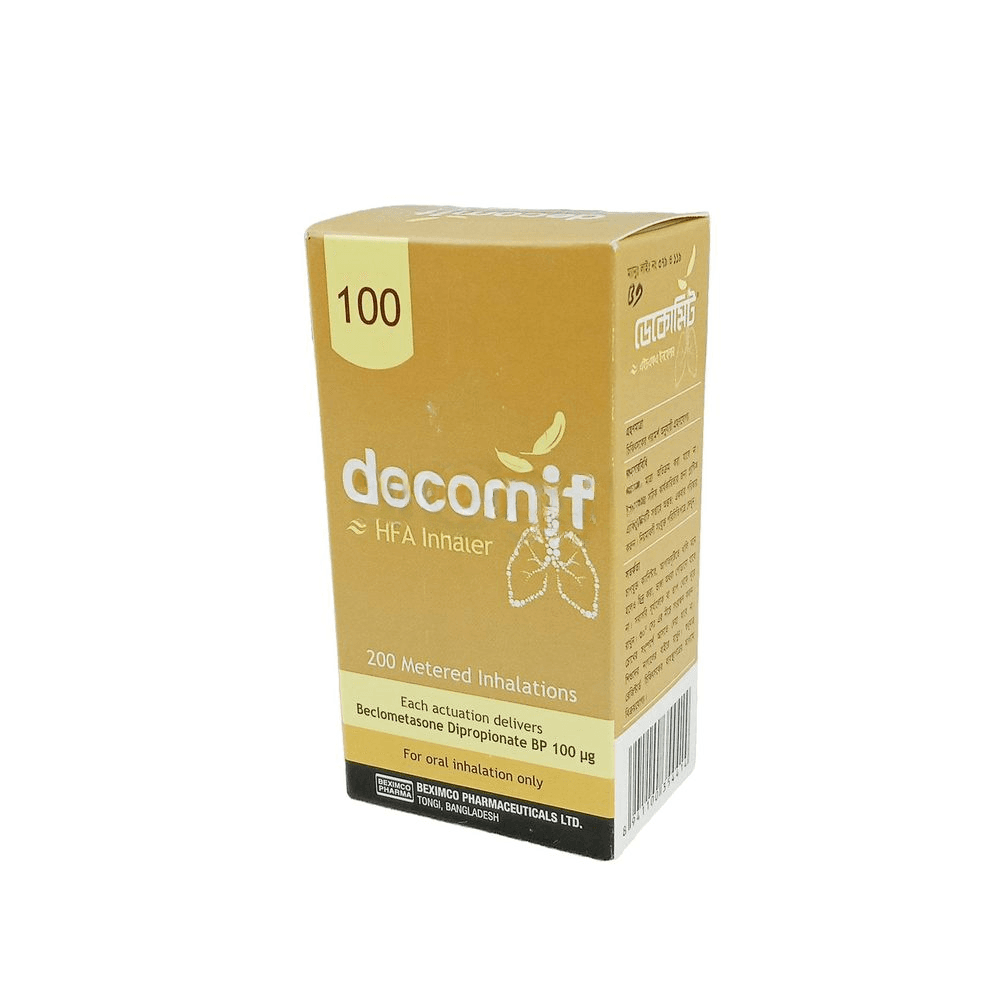
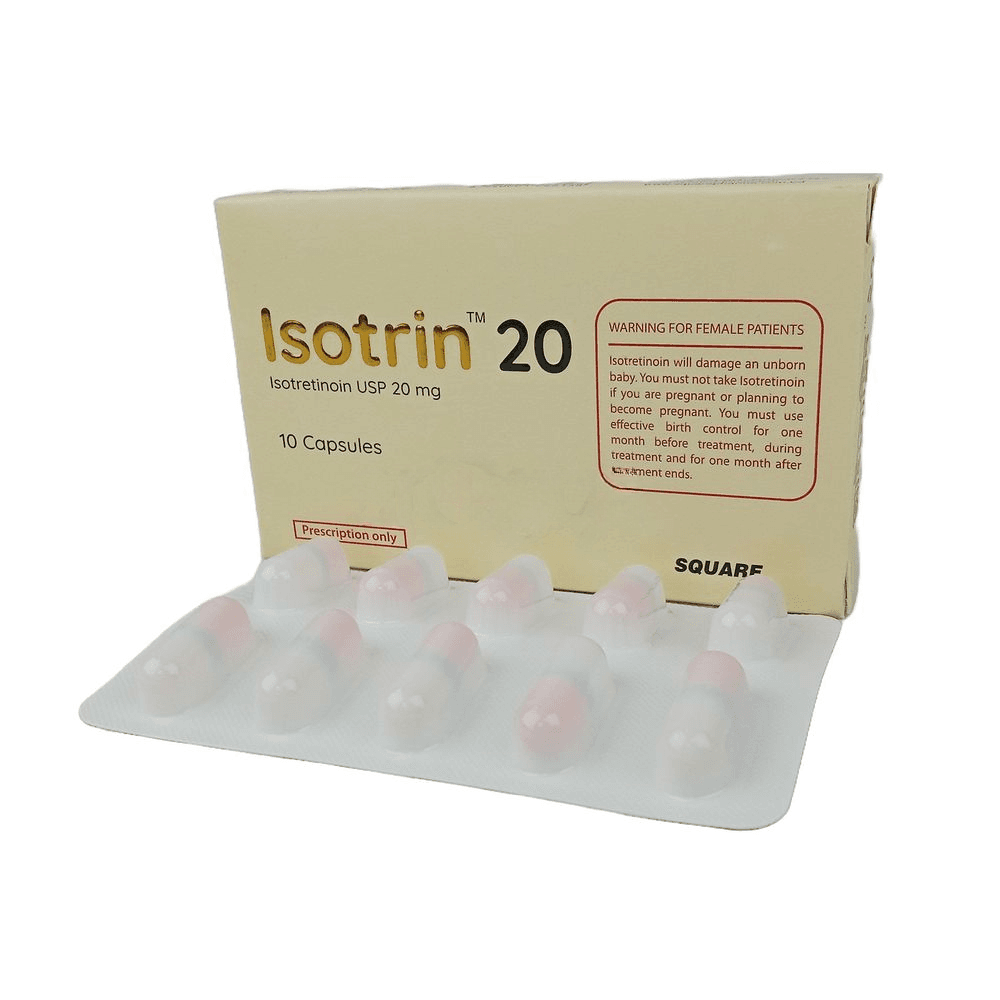
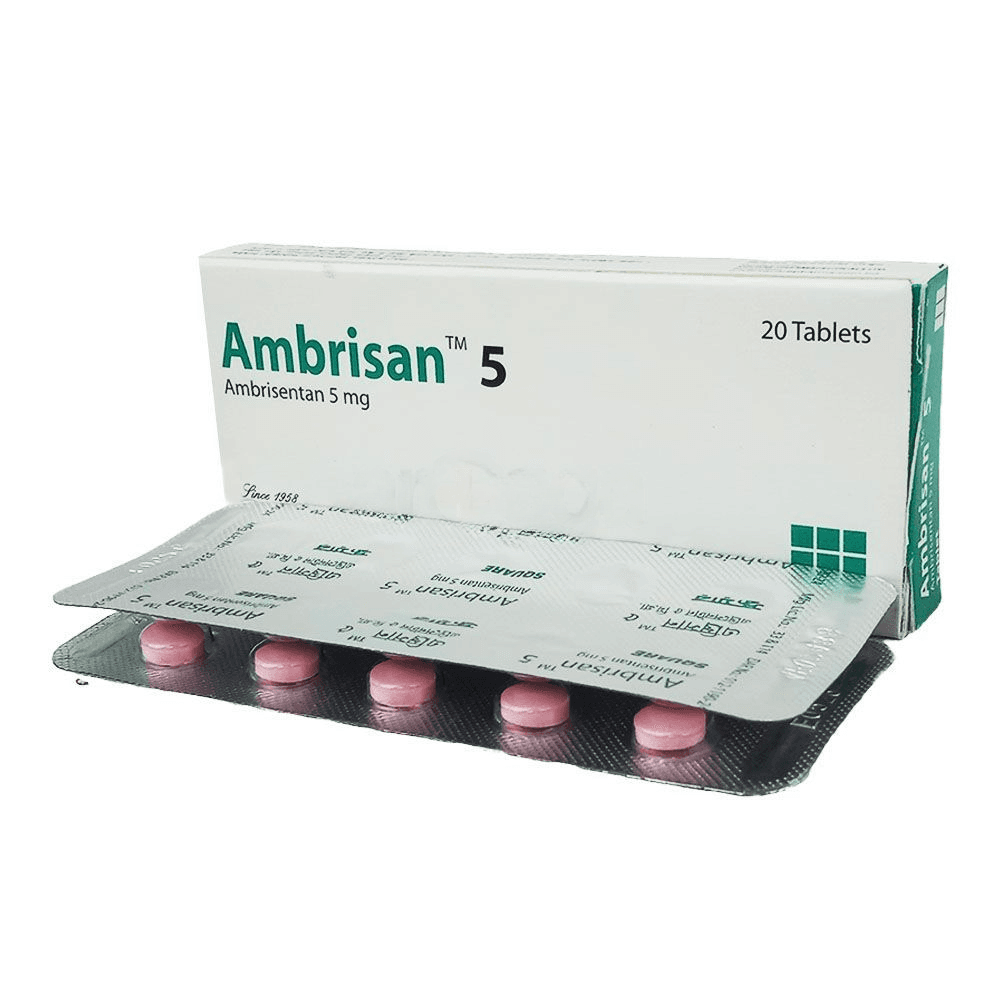
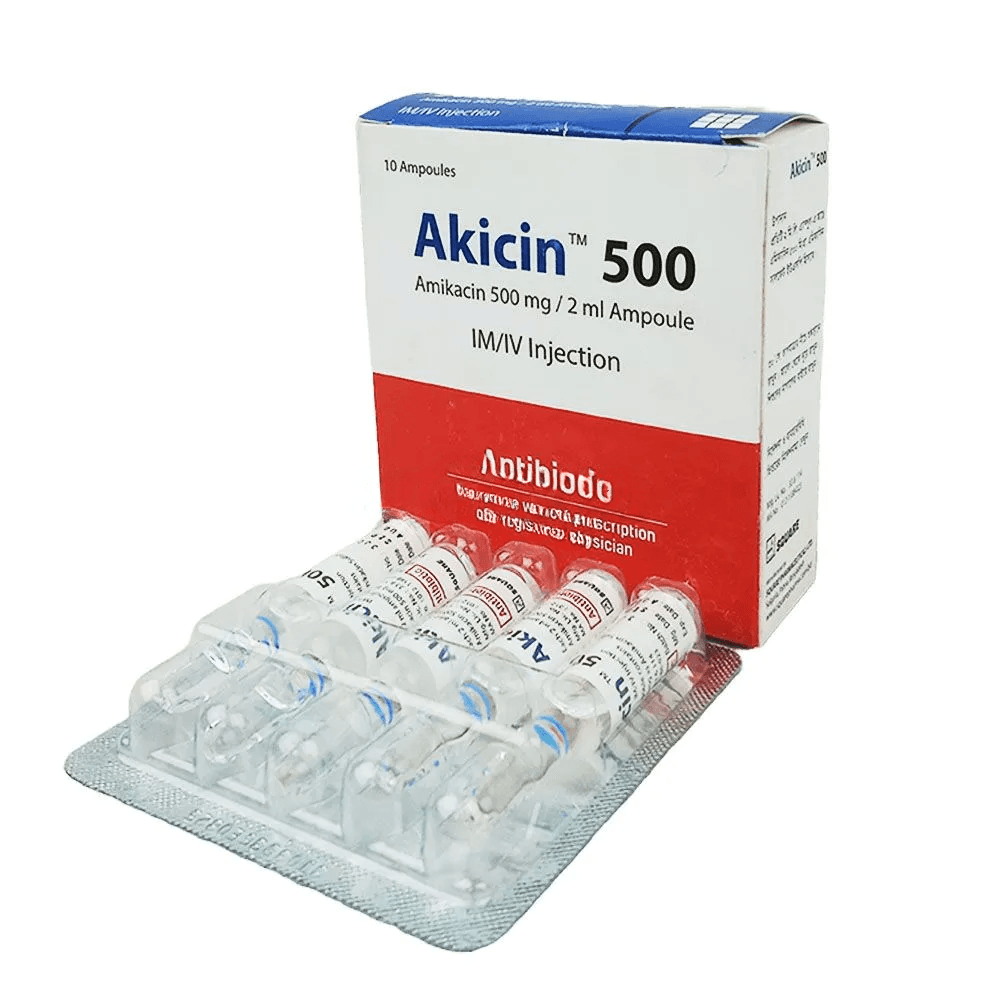
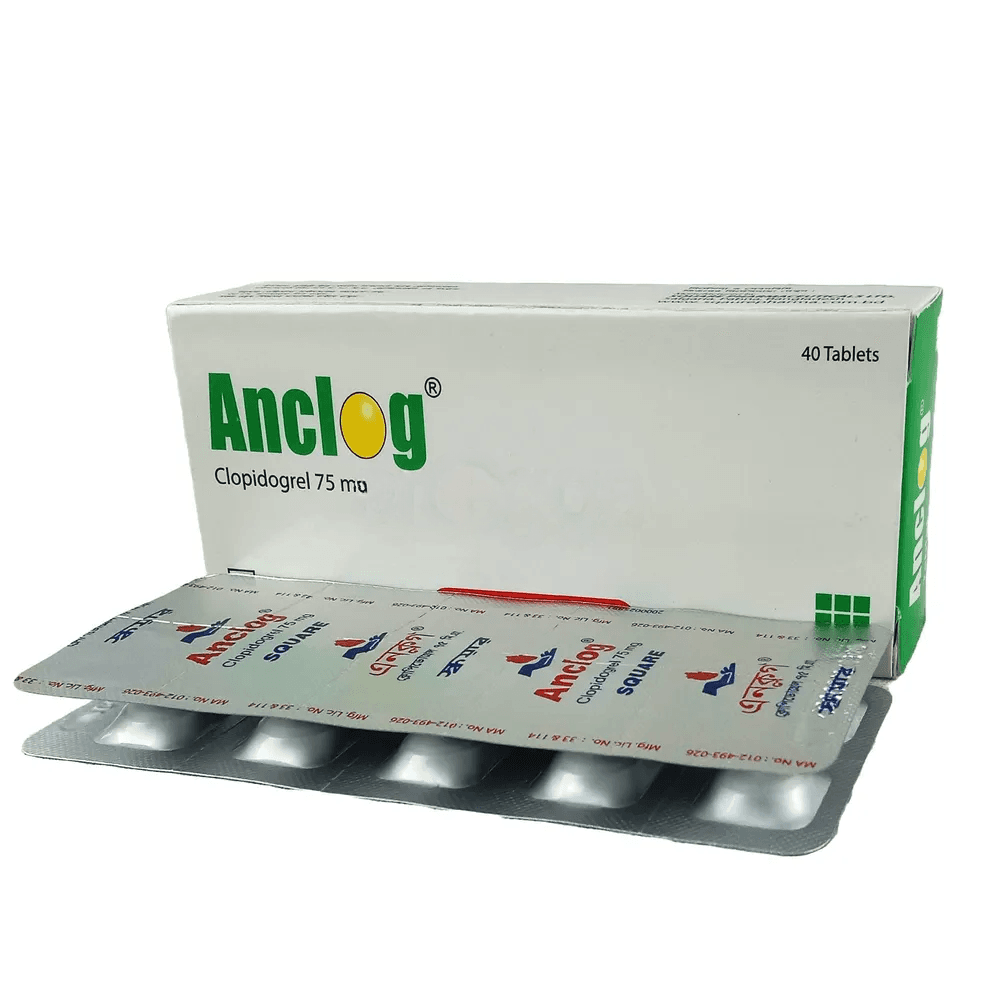
Asthma, Chronic obstructive pulmonary disease (COPD),
Prime inhaler (2 actuations into air) before first use and after prolonged idleness (>10 days)
Management of chronic asthma\r\nAdults: 100-400 mcg twice daily.\r\n\r\nProphylaxis of asthma\r\nAdults: 50-200 mcg twice daily. Increased if necessary to maximum 400 mcg twice daily.\r\n\r\nWhen patient's symptoms remain under satisfactory control, the dose should be titrated to the lowest dose at which effective control of asthma is maintained.\r\n\r\n\r\n
Management of chronic asthma\r\nChildren over 12 years: 100-400 mcg twice daily.\r\n\r\nChildren (5-12 years): 100-200 mcg twice daily. Maximum 200-400 mcg twice daily.\r\n\r\nProphylaxis of asthma\r\nChildren over 12 years: 50-200 mcg twice daily. Increased if necessary to maximum 400 mcg twice daily.\r\n\r\nChildren (5-12 years): The usual starting dose is 100 mcg twice daily. Depending on the severity of asthma, the daily dose may be increased up to 400 mcg administered in 2-4 divided doses.\r\n\r\nWhen patient's symptoms remain under satisfactory control, the dose should be titrated to the lowest dose at which effective control of asthma is maintained.\r\n\r\n
Hypersensitivity to any of the ingredients of this preparation contraindicates its use. Child under 6 years not recommended.
Beclometasone controls the rate of protein synthesis, depresses the migration of polymorphonuclear leukocytes, fibroblasts, reverses capillary permeability and lysosomal stabilisation at the cellular level to prevent or control inflammation.
Patients should be instructed to use inhaler properly to ensure that the drug reaches the target areas within the lungs. They should also be made aware of the prophylactic nature of therapy with Beclometasone Dipropionate HFA inhaler and that they should use it regularly, even when they are asymptomatic.\r\nIntranasal corticosteroids may cause a reduction in growth velocity when administered to pediatric patients. \r\nBeclometasone dipropionate is not suitable for the treatment of an acute asthma attack. \r\n\r\nLactation: Potential for excretion into milk; use only if benefits greatly outweigh risks
>10%\r\nPharyngitis (5-27%),Headache (8-25%),URI (5-11%)\r\n\r\n1-10%\r\nRhinitis (3-7%),Pain (1-5%),Increased asthma symptoms (2-4%),Dysphonia (1-4%),Sinusitis (3%),Oral symptoms (2-3%),Nausea (1-2%)\r\n
Pregnancy Category: C
Safety Profile: Inhaled beclomethasone has a long history of use during pregnancy. Because the medication is inhaled or sprayed locally into the nose, very little of the drug enters the bloodstream, making it generally safer than oral steroids.
Risk vs. Benefit: Studies in animals have shown some risks at very high doses, but there is no clear evidence of harm in human pregnancies at standard doses. Doctors typically prescribe it if the benefit of controlling the mother's asthma or allergies outweighs any potential risks to the fetus.
Medical Consensus: It is often the preferred steroid for pregnant women with asthma because of its established safety record.
Inhibitors of CYP3A4: potential pharmacokinetic interaction (increased plasma beclomethasone dipropionate concentrations).\r\nInducers of CYP3A4: potential pharmacokinetic interaction (decreased plasma beclomethasone dipropionate concentrations).\r\nAntidiabetic agents\r\nMay increase blood glucose concentrations in patients with diabetes mellitus.\r\nNSAIDs\r\nPossible increased risk of GI ulcerationa\r\nDecreased serum salicylate concentrations. When corticosteroids are discontinued, serum salicylate concentration may increase possibly resulting in salicylate intoxication\r\n\r\nVaccines and Toxoids\r\nMay cause a diminished response to toxoids and live or inactivated vaccines.\r\nMay potentiate replication of some organisms contained in live, attenuated vaccines.\r\nCan aggravate neurologic reactions to some vaccines (supraphysiologic dosages).\r\n
N/A