
Search products by name
Search medicines by name
0
0 item
৳ 0.00
Your Complete HealthCare Solution - Right Here


10657
info@shukhee.com
Telecom Bhaban (Level- 12), 53/1 Box Nagar, Zoo Road, Dhaka-1216.
৳ 0.00
10657
info@shukhee.com
Telecom Bhaban (Level- 12), 53/1 Box Nagar, Zoo Road, Dhaka-1216.
Quantity:

Products

Payment

Delivery
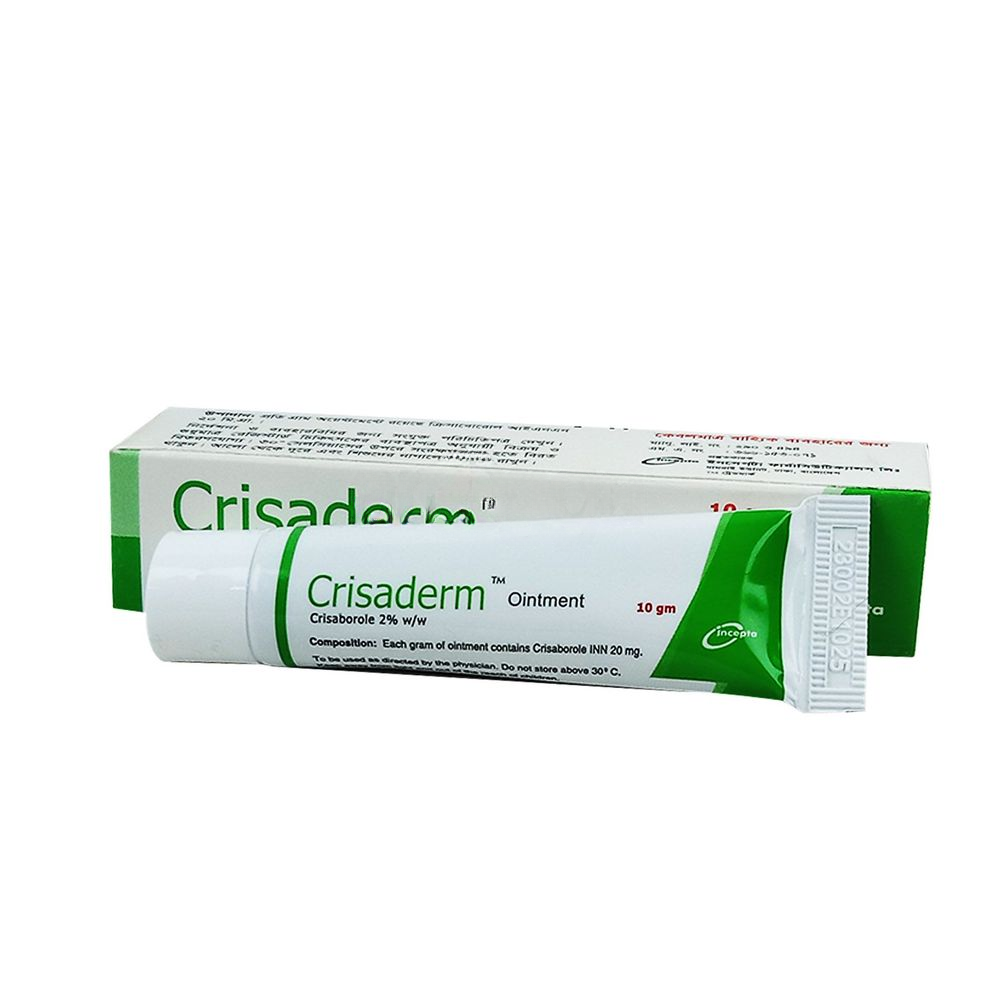
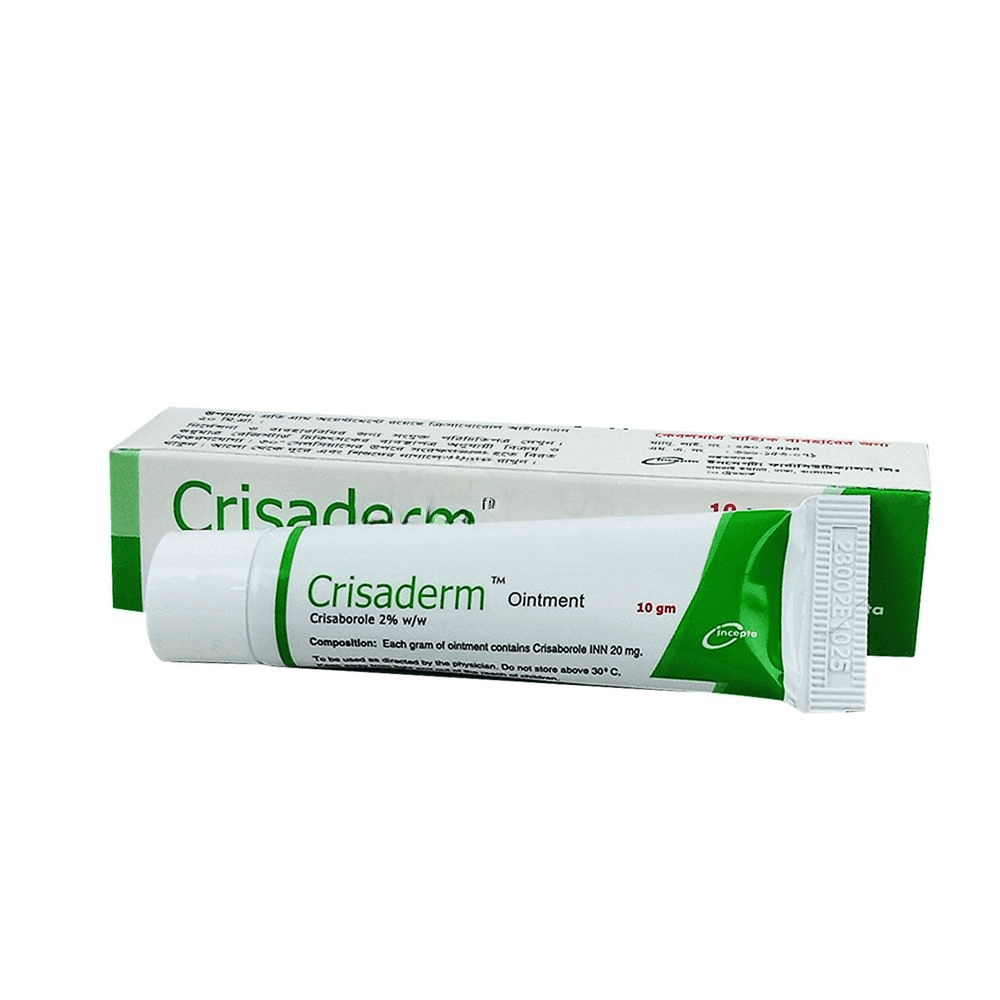
Indicated for mild-to-moderate atopic dermatitis\r\n
Topical Administration\r\nApply thin layer of ointment to affected areas BID\r\n\r\nWash hands after applying ointment, unless hands are being treated\r\n\r\nFor topical use only; not for ophthalmic, oral, or intravaginal use
Topical\r\nAtopic Dermatitis\r\nIndicated for mild-to-moderate atopic dermatitis\r\n\r\nApply a thin layer topically to affected area(s) BID
Atopic Dermatitis\r\nIndicated for mild-to-moderate atopic dermatitis in children aged >2 yr\r\n\r\n<2 years: Safety and efficacy not established\r\n\r\n>2 years: Apply a thin layer topically to affected area(s) BID
History of hypersensitivity to crisaborole or any component of the formulation
Phosphodiesterase (PDE)-4 inhibitor; results in increased intracellular cyclic adenosine monophosphate (cAMP) levels\r\n\r\nThe specific mechanism by which crisaborole exerts its therapeutic action for atopic dermatitis is not well defined, although cAMP is thought to decrease the proinflammatory response (eg, cytokine release) associated with atopic dermatitis
Hypersensitivity reactions reported, including contact urticaria; signs and symptoms may include severe pruritus, swelling, and erythema at the application site or at a distant site; discontinue immediately and initiate appropriate therapy if hypersensitivity suspected
1-10%\r\nApplication site pain, burning, or stinging (4%)\r\n\r\n<1%\r\nContact urticaria
Pregnancy\r\nThere are no available data in pregnant women to inform the drug-associated risk for major birth defects and miscarriage\r\n\r\nCrisaborole is systemically absorbed\r\n\r\nLactation\r\nUnknown if distributed in human breast milk\r\n\r\nCrisaborole is systemically absorbed\r\n\r\nConsider the developmental and health benefits of breastfeeding along with the mother’s clinical need for the drug, and any potential adverse effects on the breastfed infant from the drug or from the underlying maternal condition