
Search products by name
Search medicines by name
0
0 item
৳ 0.00
Your Complete HealthCare Solution - Right Here


10657
info@shukhee.com
Telecom Bhaban (Level- 12), 53/1 Box Nagar, Zoo Road, Dhaka-1216.
৳ 0.00
10657
info@shukhee.com
Telecom Bhaban (Level- 12), 53/1 Box Nagar, Zoo Road, Dhaka-1216.


Products

Payment

Delivery
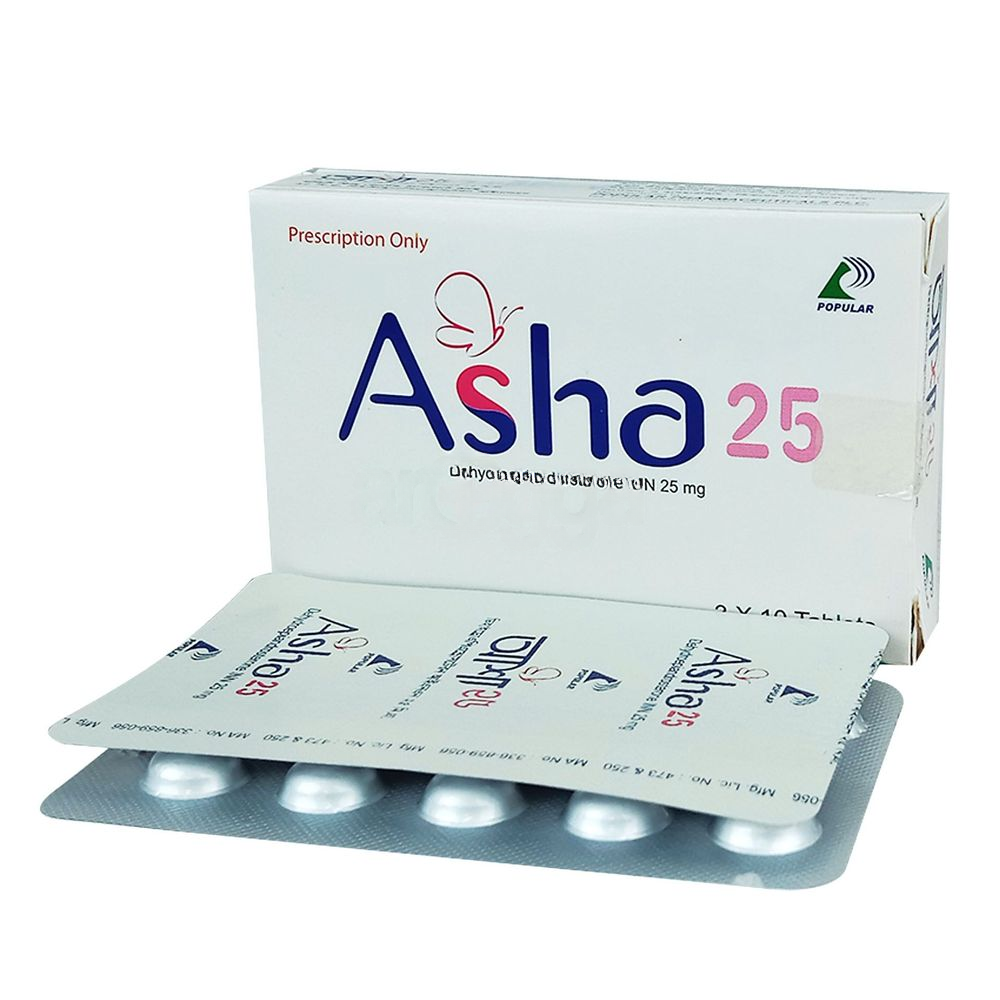
May enhance fertility in women of advanced ovarian age by increasing egg and embryo count.
Supports normal DHEA function in the body.
Potential supportive role in:
Heart disease, stress, cancer, immune deficiency
Memory loss, Alzheimer’s disease
Obesity, aging, inflammatory balance
Hormonal balance, mood regulation
Bone health (osteoporosis)
Cardiovascular disease, diabetes, depression
Erectile dysfunction, adrenal insufficiency
Systemic lupus erythematosus (SLE), age‑related disorders
DHEA (Dehydroepiandrosterone) is the most abundant adrenal steroid hormone.
Produced mainly in the adrenal glands, liver, brain, and in men, also in testes.
Metabolized to androstenedione → precursor of estrogens and androgens.
Supplementation alters androgen/estrogen ratios differently in men and women.
Concentrated in the brain’s limbic region; acts as excitatory neuroregulator.
May inhibit thromboxane A2 synthesis, increase IGF‑1, cGMP, and nitric oxide synthesis → beneficial cardiovascular effects.
Adrenal insufficiency: 50 mg/day (replacement), 200 mg/day (pharmacological).
Anorexia nervosa: 100 mg/day (pilot study).
Diminished ovarian reserve: 50–75 mg/day (divided doses).
Exercise‑induced muscle damage: 100 mg/day for 5 days.
Major depressive disorder: 30–40 mg/day for 6 weeks.
Metabolic syndrome: 100 mg/day for 3 months.
Postmenopausal women: 25–50 mg/day (≥50 mg/day shows positive outcomes).
Children/adolescents: Not for use under 10 years.
Medications:
Calcium channel blockers → may increase DHEA levels.
Glucocorticoids → suppress endogenous DHEA production.
Insulin → decreases endogenous DHEA‑S.
Triazolam → plasma levels increased by DHEA.
CYP3A substrates → inhibited by DHEA.
Conditions:
Diabetes → increases insulin sensitivity.
Hormone‑sensitive cancers → estrogenic effects.
Liver dysfunction → may worsen condition.
History of psychiatric disorders (mania, bipolar disorder).
Hormone‑sensitive cancers (breast, prostate, etc.).
Common: Acne, hair loss, facial hair growth (women), aggression, irritability, increased androgen levels.
Rare: Rapid heartbeat, dizziness, blurred vision → discontinue and seek medical help.
Contraindicated during pregnancy and breastfeeding.
Consult a physician before use if:
Family history of breast/prostate cancer, prostate enlargement, heart disease, low HDL cholesterol.
Using other dietary supplements or prescription drugs.
Avoid in hypertension and thyroid disorders (requires monitoring).
Do not exceed recommended dose.

N/A
N/A