
Search products by name
Search medicines by name
0
0 item
৳ 0.00
Your Complete HealthCare Solution - Right Here


10657
info@shukhee.com
Telecom Bhaban (Level- 12), 53/1 Box Nagar, Zoo Road, Dhaka-1216.
৳ 0.00
10657
info@shukhee.com
Telecom Bhaban (Level- 12), 53/1 Box Nagar, Zoo Road, Dhaka-1216.

Quantity:

Products

Payment

Delivery
Indications
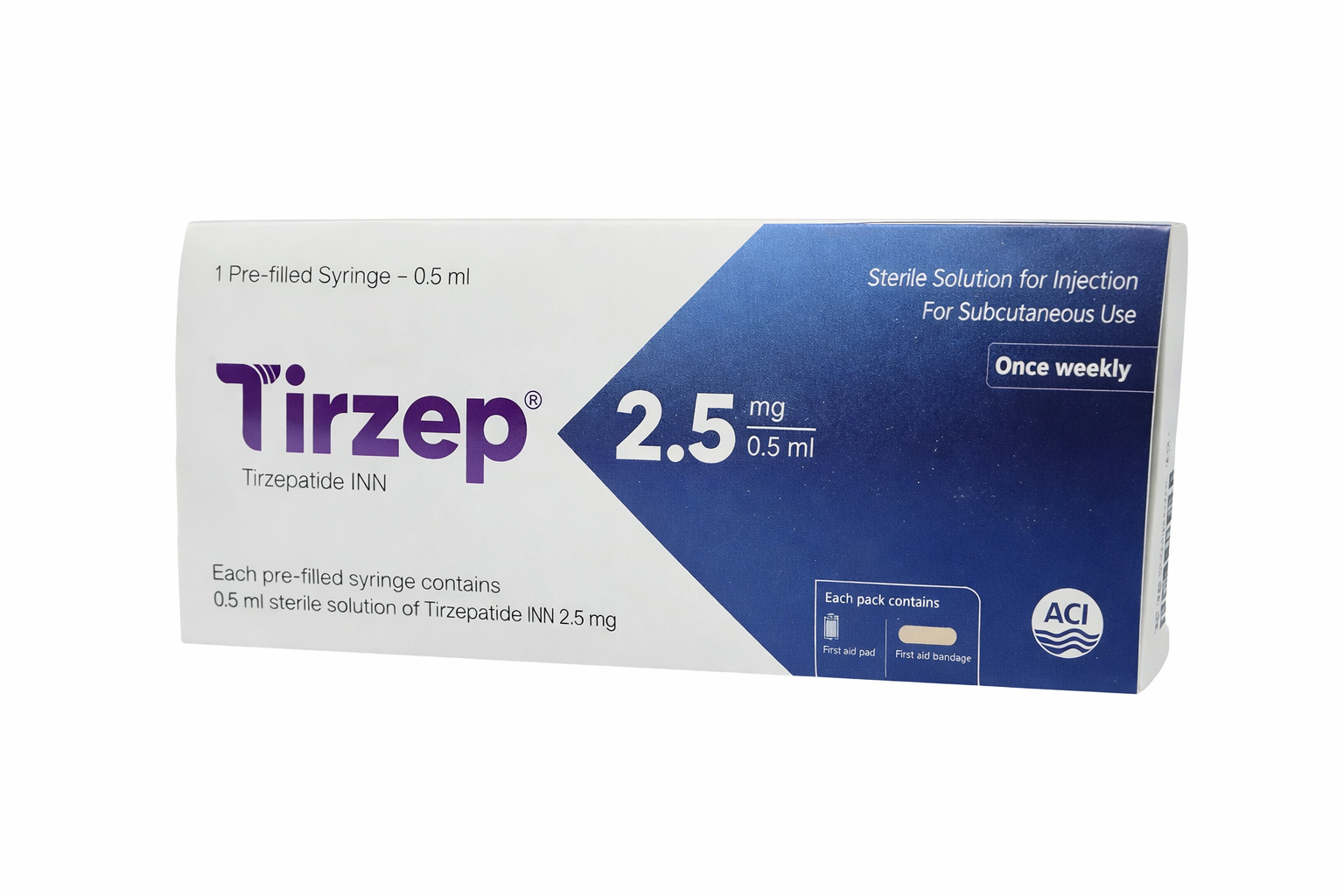
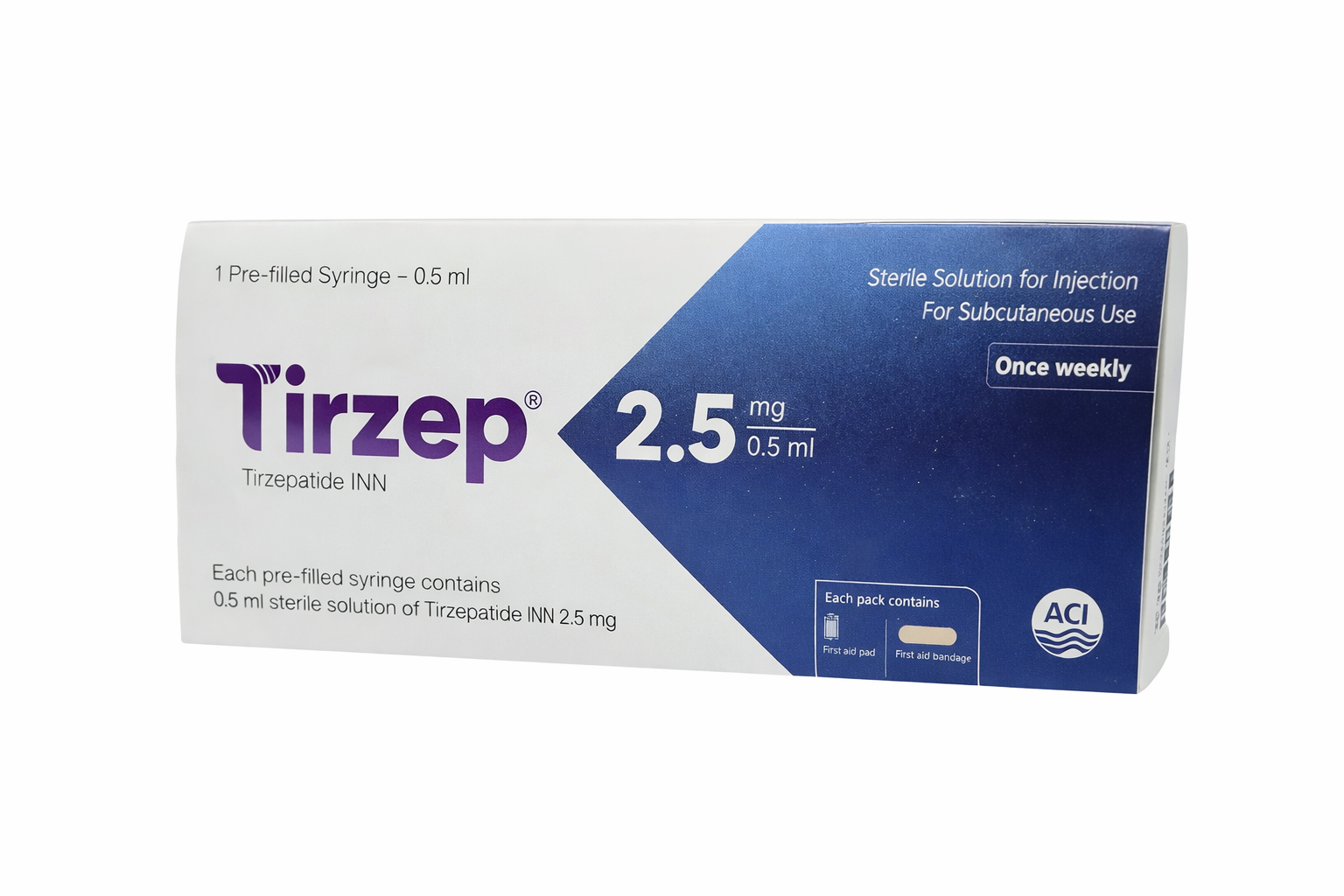
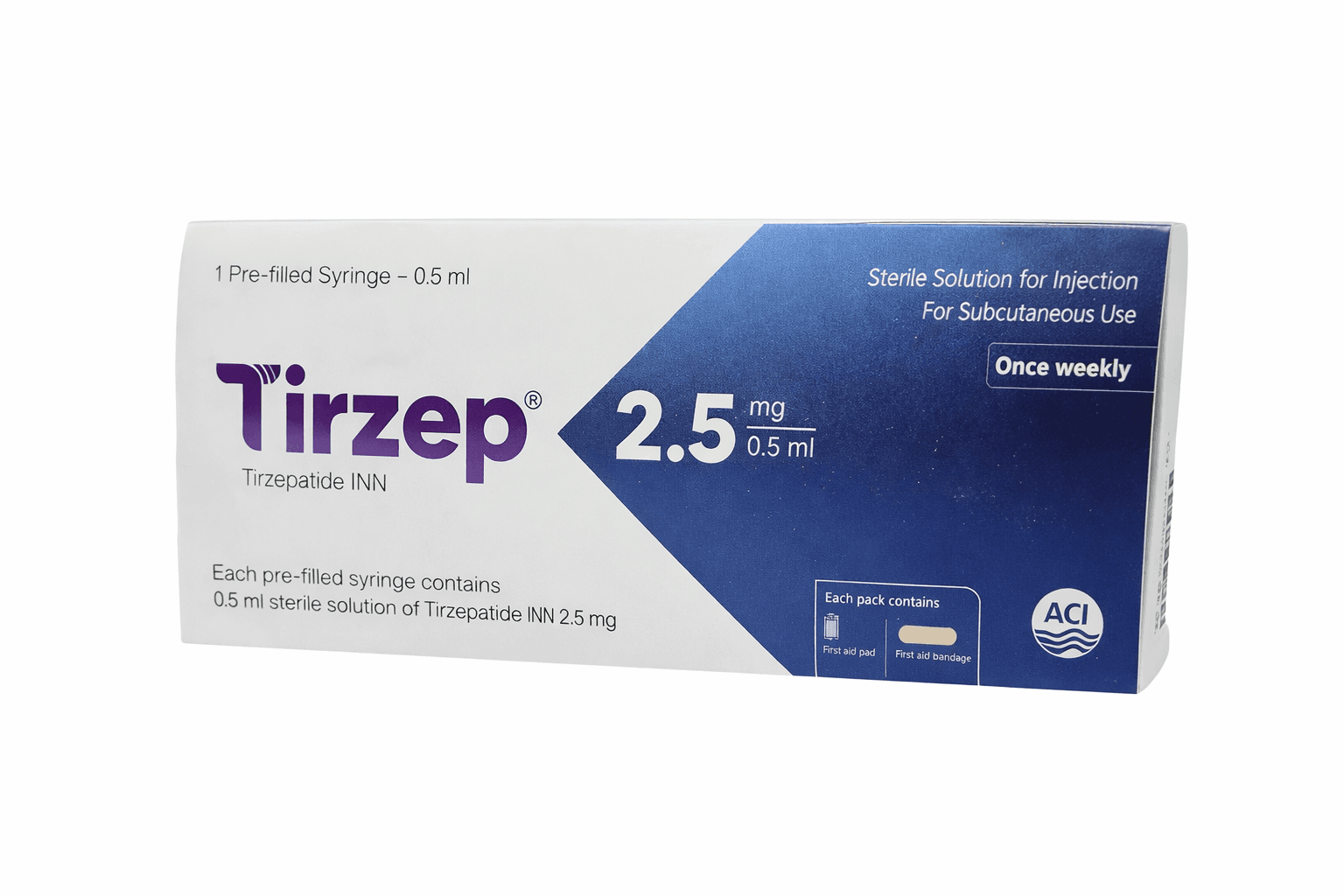
Tirzep is indicated as an adjunet to diet and exercise to improve glycemic control in adults with type 2 diabetes mellitus.
Limitations of use:
. Ithas not been studied in patients with a history of pancreatitis.
It is not indicated for use in patients with type 1 diabetes mellitus.
Pharmacology
Tirzepatide is a GIP receptor and GLP-1 receptor agonist. It is a 39-amino-acid modified peptide with a C20 fatty diacid moiety that enables albumin binding and prolongs the half-life. It selectively binds to and
activates both the GIP and GLP-1 receptors, the targets for native GIP and GLP-1 It enhances first and second-phase insulin secretion and reduces glueagon levels, both in a glucose dependent manner.
Dosage & Administration
Route of administration: Tirzepatide should be administered as a subcutancous injection.
Dosing instructions-
. The recommended starting dosage is 2.5 mg injected subeutaneously once weekly. The 2.5 mg dosage is for treatment initiation and is not intended for glycemic control.
. After 4 weeks, increase the dosage to 5 mg once weckly. It additional glycemie control is needed, increase the dosage in 2.5 mg increments after at least 4 weeks on the current dose. The maximum dosage
is 15 mg injected suboutancously once weckly.
It a dose is missed, instruct patients to administer it as soon as possible within 4 days (96 hours) ater the missed dose. It more than 4 days have passed, skip the missed dose and administer the next dose
on the regularty scheduled day. In each case, patients can then resume their regular once weckly dosing schedule.
The day of weckly administration can be changed, if necessary, as long as the time between the two doses is at least 3 days [72 hours).
Preparation and administration-
The needle cover of the pre-filled syringe contains dry natural rubber (a derivative of latex), which may cause allergic reactions.
. Do not freeze. Do not use Tirzepatide that has been frozen.
Protect pre-flled syringes from light.
Parenteral drug products should be inspected visually for particulate matter and discoloration prior to administration. Do not use any pre-filled syringes exhibiting particulate matter and discoloration.
Handle it carefully. If the pre-flled syringe dropped on a hard surface, do not use it.
. Do not dilute Tirzepatide and do not administer in conjunction with other drug solutions.
Administration instructions
. Administer once weekly, any time of day, with or without meals.
Inject it subeutancously in the abdomen, thigh or upper arm. Rotate injection sites with each dose. When using with insulin, administer as separate injections and never mi. It is acceptable to inject
Tirzepatide and insulin in the same body region, but the injections should not be adjacent to each other.
..
Interaction
Drug interaction with medication: Consider reducing the dose of concomitantly administered insulin secretagogues (e.g., sulfonylureas) or insulin to reduce the risk of hypoglycemia. Tirzep delays gastrie
emptying and thereby has the potential to impact the absorption of concomitantly administered oral medications. Monitor patients on oral medications dependent on threshold concentrations for efficacy and
those with a narrow therapeutie index [e.g, warfarin] when concomitantly administered. Advise patients using oral hormonal contraceptives to switch to a non-oral contraceptive method or add a barrier method
of contraception for 4 weeks after initiation and for 4 weeks after each dose escalation with it. Hormonal contraceptives that are not administered orally should not be affected.
Contraindications
Tirzepatide is contraindicated in patients with known hypersensitivity to tirzepatide or any other components of this product. It is also contraindicated in patients with a personal or family history of medullary
thyroid carcinoma (MTC) or in patients with multiple endocrine neoplasia syndrome type 2 [MEN 2).
Side Effects
The most common side effects are nausea, diarrhea, decreased appetite, vomiting, constipation, dyspepsia and abdominal pain.
Pregnancy & Lactation
There are risks to the mother and fetus associated with poorly controlled diabetes in pregnancy. Tirzepatide should be used during pregnancy only it the potential beneit justities the potential risk to the fetus.
The developmental and health benefits of breastfeeding should be considered along with the mother's clinical need for tirzepatide and any potential adverse effects on the breastfed intant from tirzepatide or
from the underlying maternal condition.
Precautions & Warnings
Counsel patients regarding the potential risk for MTC with the use of Tirzep and inform them of symptoms of thyroid tumors. After initiation, observe patients carefully for signs and symptoms of pancreatitis. It
pancreatitis is suspected, discontinue Tirzep and initiate appropriate management. The risk of hypoglycemia may be lowered by a reduction in the dose of sulfonylurea (or other concomitantly administered
insulin secretagogue) or insulin. If hypersensitivity reactions occur, discontinue use of Tirzep; treat promptly per sandard of care and monitor until signs and symptoms resolve. Monitor renal function when
initiating or escalating doses in patients with renal impairment reporting severe gastrointestinal adverse reactions. Patients with a history of diabetic retinopathy should be monitored for progression of diabetic
retinopathy. If cholelithiasis is suspected, gallbladder diagnostie studies and appropriate clinical follow-up are indicatod.
Use in Special Populations
Use in children and adolescents: Safety and effectiveness of Tirzep have not been established in patients under 18 years of age.
Overdose Effects
Appropriate supportive treatment should be initiated according to the patient's clinical signs and symptoms. A period of observation and treatment for these symptoms may be necessary, taking into account the
halt-life of Tirzep is approximately 5 days.
Therapeutic Class
GLP-1 receptor agonists
Storage Conditions
Keep out of the reach and sight of children. Store in a refrigerator at 2C to 8"C. Do not freeze and proteet from light. Do not use it it has been frozen. To be taken and sold only on the prescription of a registered
physician.
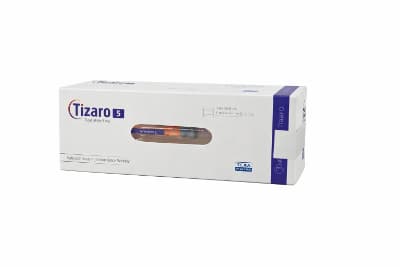
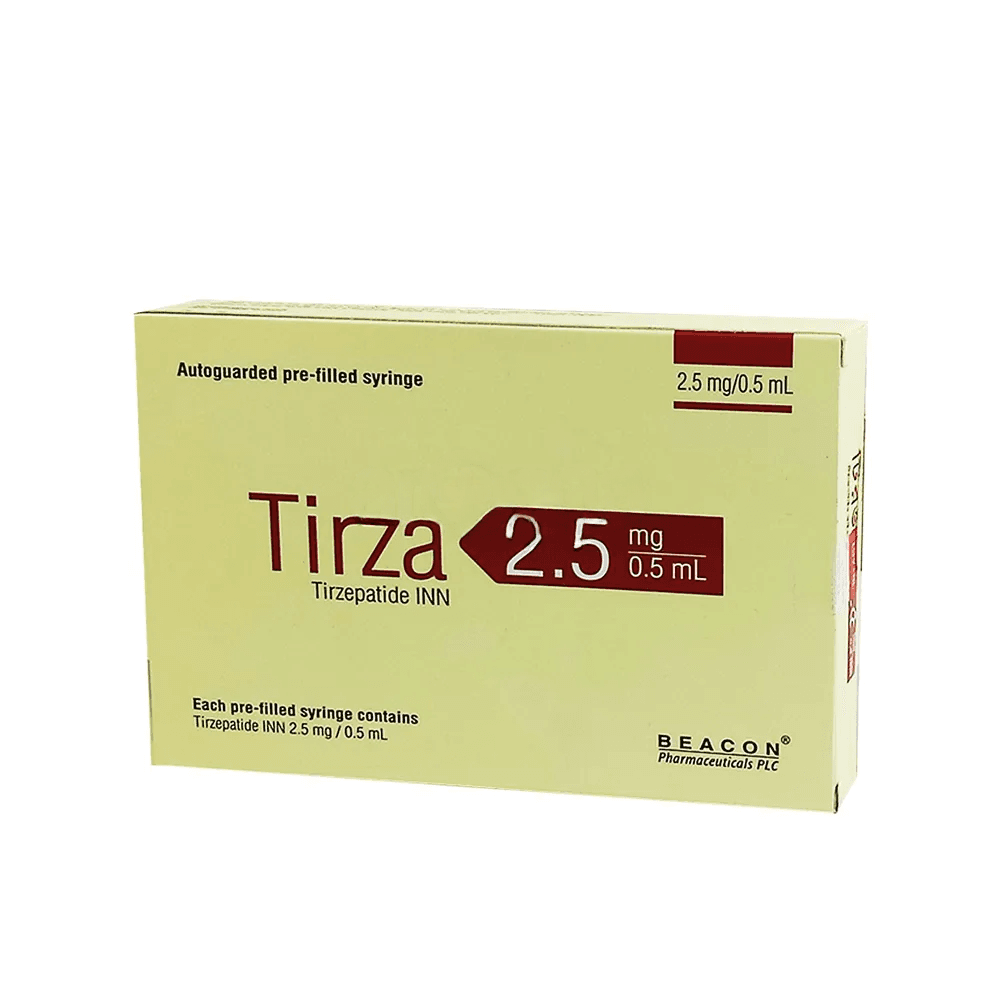
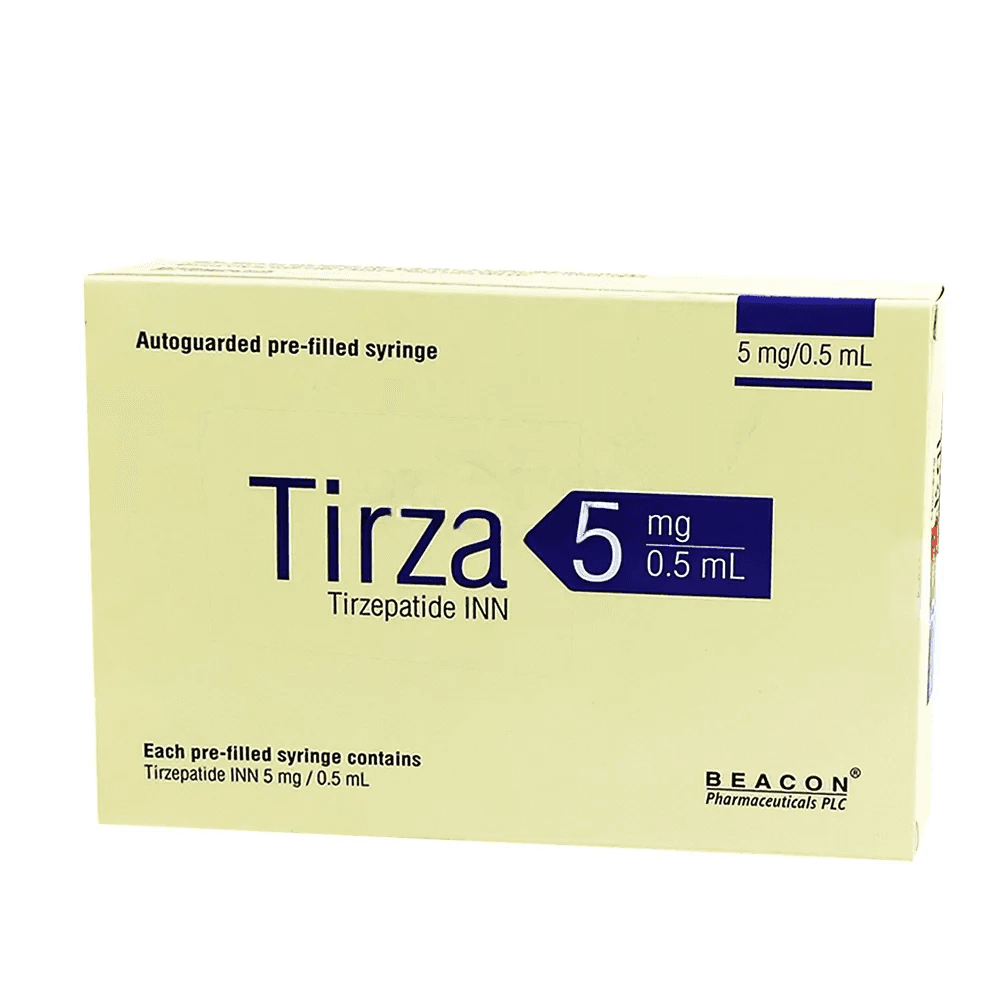
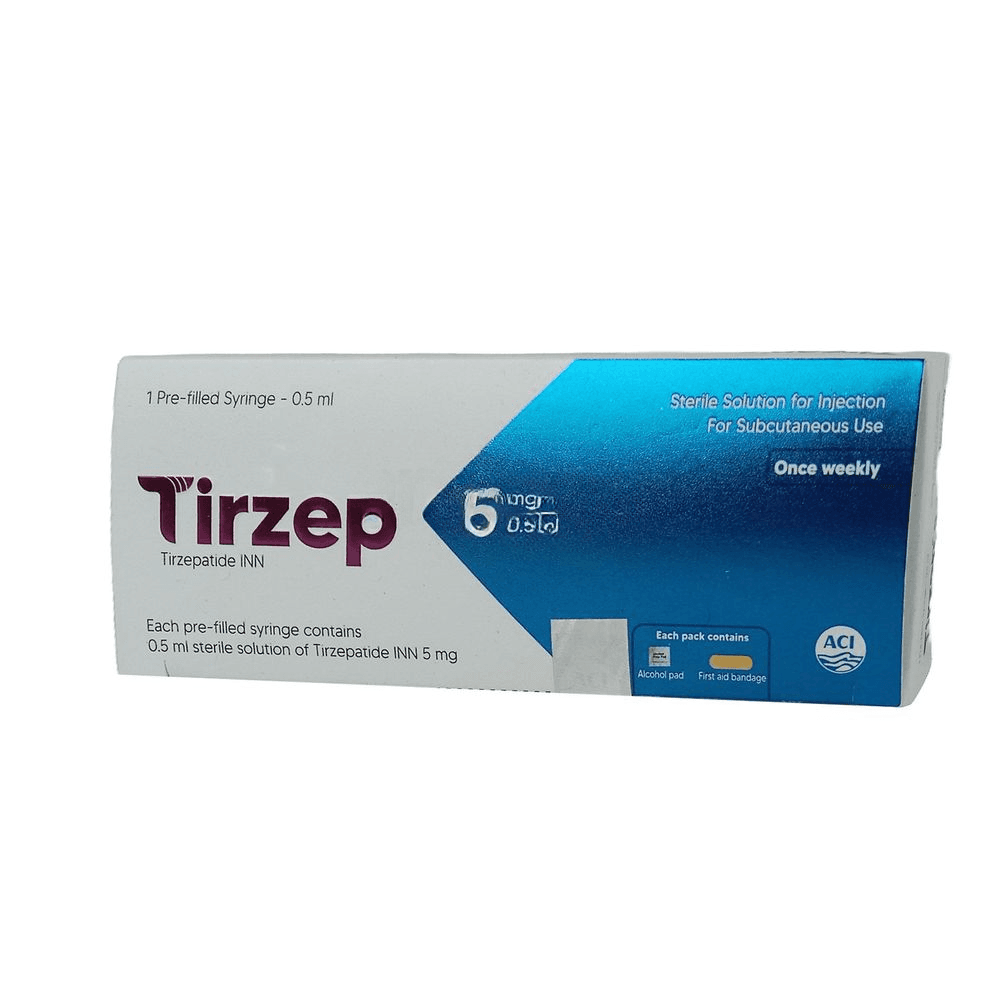
Tirzepatide is an injectable medication used for type 2 diabetes management and, in many cases, weight management. It works as a dual agonist of GIP (glucose-dependent insulinotropic polypeptide) and GLP-1 (glucagon-like peptide-1) receptors, helping regulate blood sugar and appetite.
Tirzepatide helps lower blood glucose levels, improve insulin sensitivity, reduce appetite, and support significant weight loss. It may also reduce cardiovascular risk factors in patients with type 2 diabetes.