
Search products by name
Search medicines by name
0
0 item
৳ 0.00
Your Complete HealthCare Solution - Right Here


10657
info@shukhee.com
Telecom Bhaban (Level- 12), 53/1 Box Nagar, Zoo Road, Dhaka-1216.
৳ 0.00
10657
info@shukhee.com
Telecom Bhaban (Level- 12), 53/1 Box Nagar, Zoo Road, Dhaka-1216.

Products

Payment

Delivery
Adjunct to diet and exercise to improve glycemic control in adults with type 2 diabetes mellitus.
Limitations of use:
Not studied in patients with a history of pancreatitis.
Not indicated for patients with type 1 diabetes mellitus.
Tirzepatide is a GIP receptor agonist and GLP‑1 receptor agonist.
It is a 39‑amino‑acid peptide with a C20 fatty acid moiety that enables albumin binding and prolongs half‑life.
Enhances first‑ and second‑phase insulin secretion and reduces glucagon levels in a glucose‑dependent manner.
Route: Subcutaneous injection.
Starting dose: 2.5 mg once weekly (for initiation only, not for glycemic control).
After 4 weeks: Increase to 5 mg once weekly.
If additional control is needed, increase by 2.5 mg increments every ≥4 weeks.
Maximum dose: 15 mg once weekly.
Missed dose: Administer within 4 days (96 hours). If more than 4 days have passed, skip and resume regular schedule.
Injection sites: abdomen, thigh, or upper arm. Rotate sites.
Do not mix with insulin; administer separately.
Increased risk of hypoglycemia with insulin or sulfonylureas.
Delays gastric emptying, may affect absorption of oral drugs (e.g., warfarin).
Oral contraceptives may be less effective; use alternative or barrier methods for 4 weeks after initiation and dose escalation.
Hypersensitivity to tirzepatide or components.
Personal/family history of Medullary Thyroid Carcinoma (MTC).
Patients with Multiple Endocrine Neoplasia syndrome type 2 (MEN 2).
Nausea, diarrhea, decreased appetite, vomiting, constipation, dyspepsia, abdominal pain.
Use only if potential benefit outweighs risk.
Consider risks of uncontrolled diabetes in pregnancy.
Unknown if excreted in breast milk; weigh benefits of breastfeeding vs. therapy.
Counsel patients on MTC risk; monitor thyroid symptoms.
Discontinue if pancreatitis suspected.
Adjust insulin/sulfonylurea dose to reduce hypoglycemia risk.
Monitor renal function in patients with GI adverse effects.
Monitor diabetic retinopathy progression.
Evaluate gallbladder if cholelithiasis suspected.
Safety and efficacy not established in patients <18 years.
Supportive treatment based on symptoms.
Half‑life ~5 days; prolonged monitoring may be required.
GLP‑1 receptor agonists
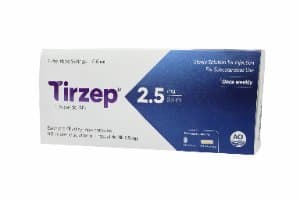
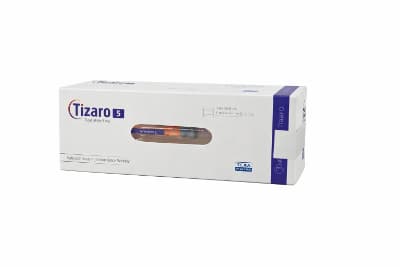
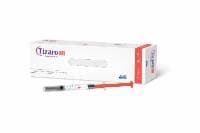
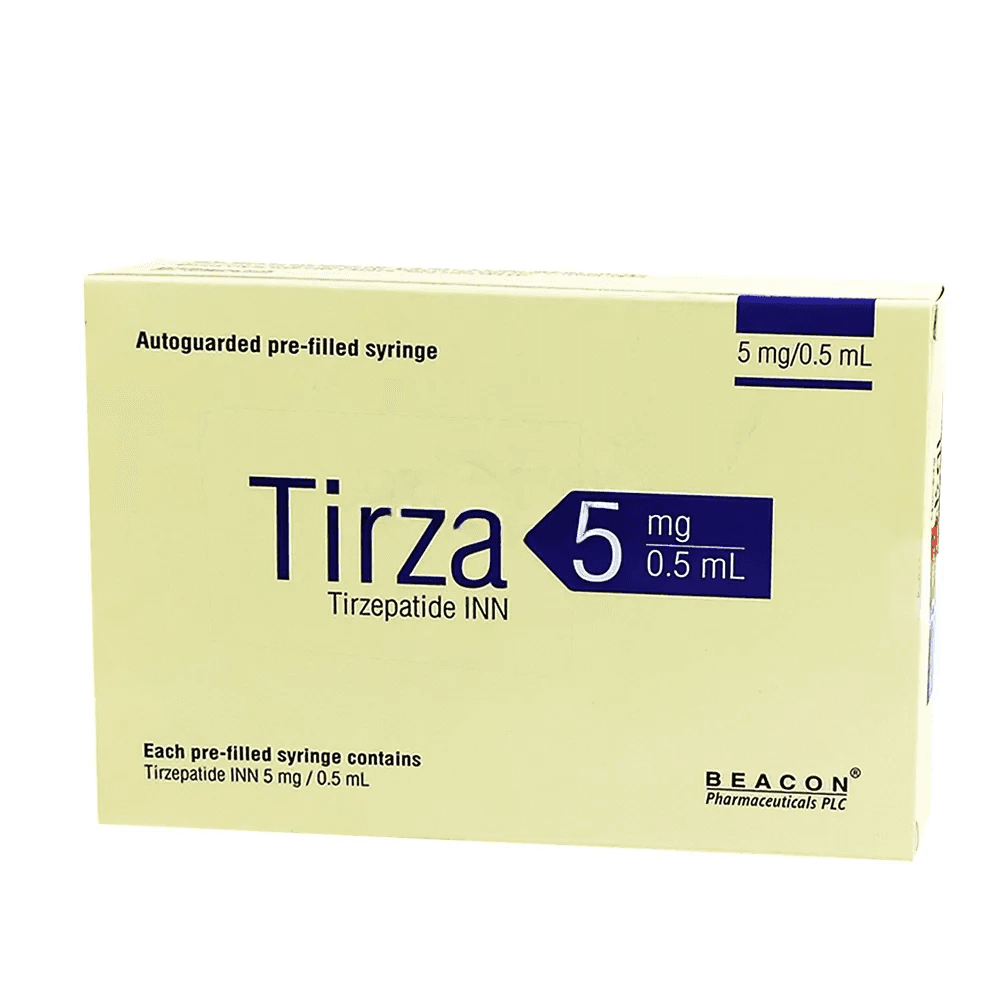
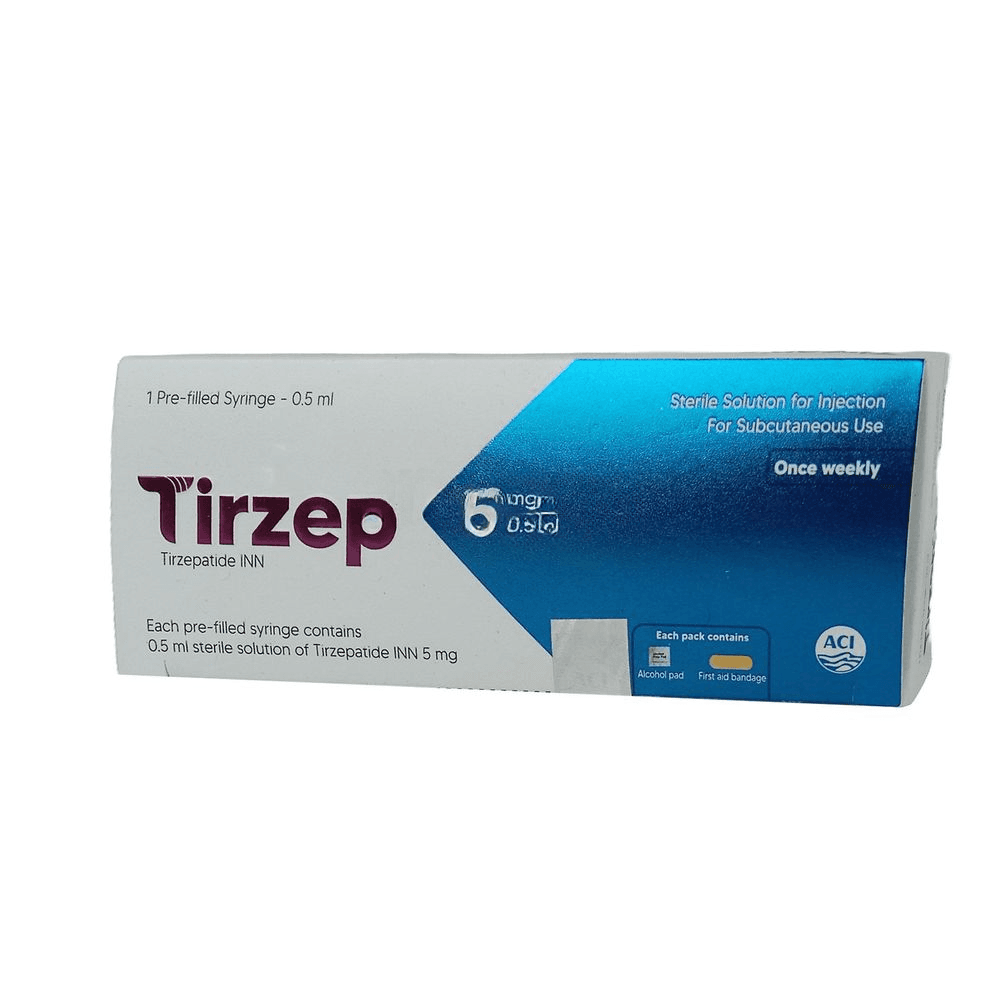
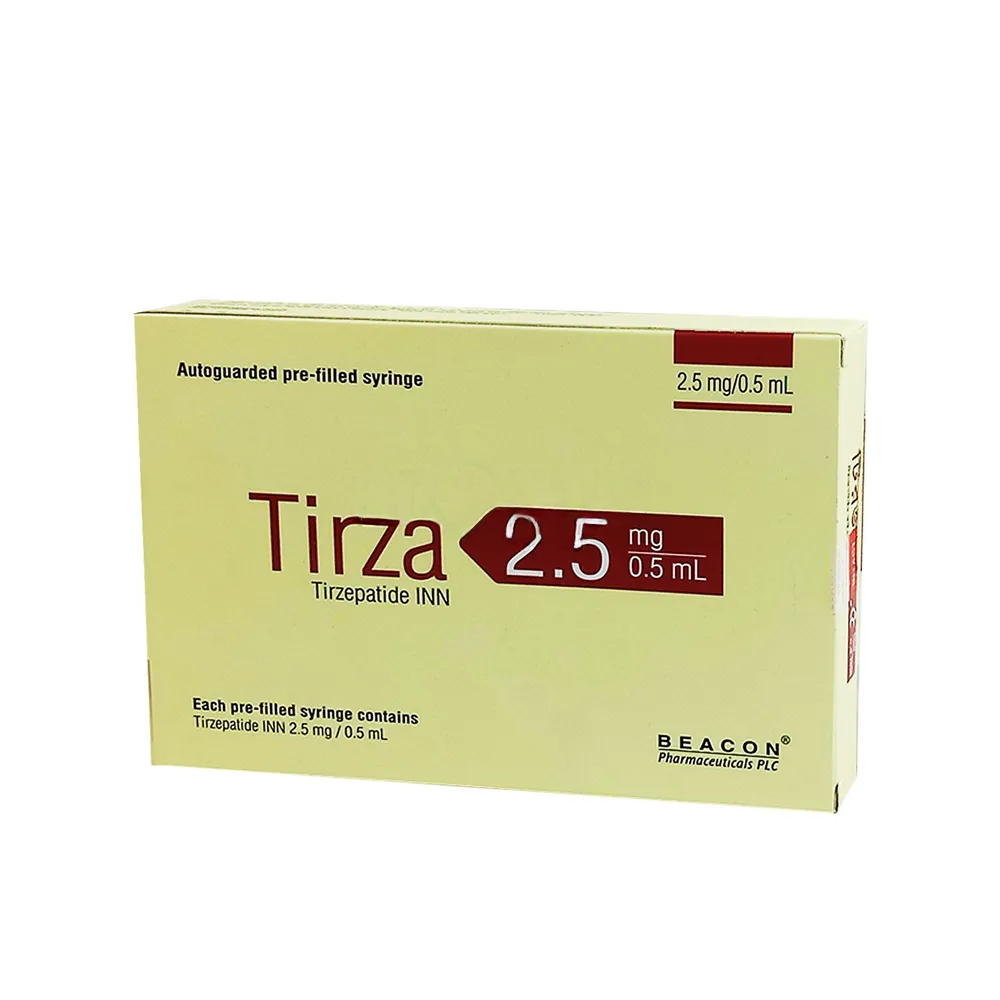
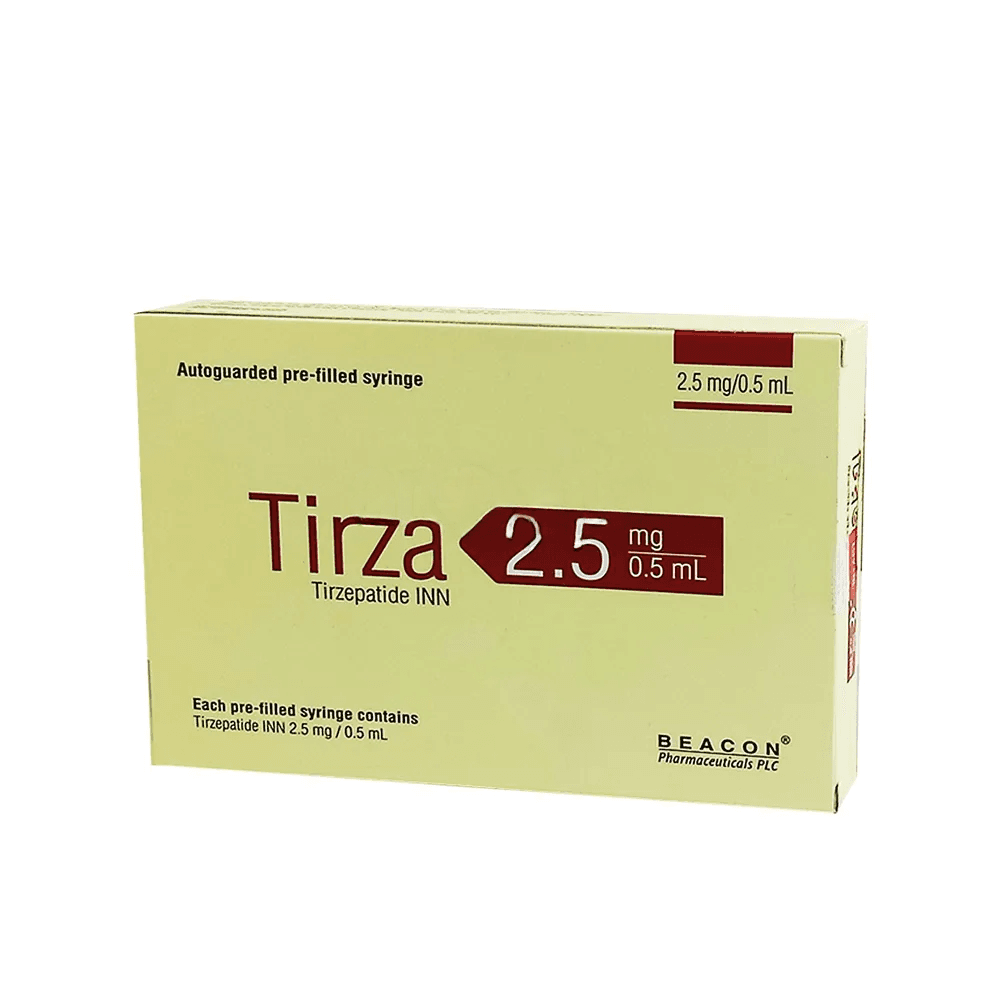
Tirzepatide is an injectable medication used for type 2 diabetes management and, in many cases, weight management. It works as a dual agonist of GIP (glucose-dependent insulinotropic polypeptide) and GLP-1 (glucagon-like peptide-1) receptors, helping regulate blood sugar and appetite.
Tirzepatide helps lower blood glucose levels, improve insulin sensitivity, reduce appetite, and support significant weight loss. It may also reduce cardiovascular risk factors in patients with type 2 diabetes.