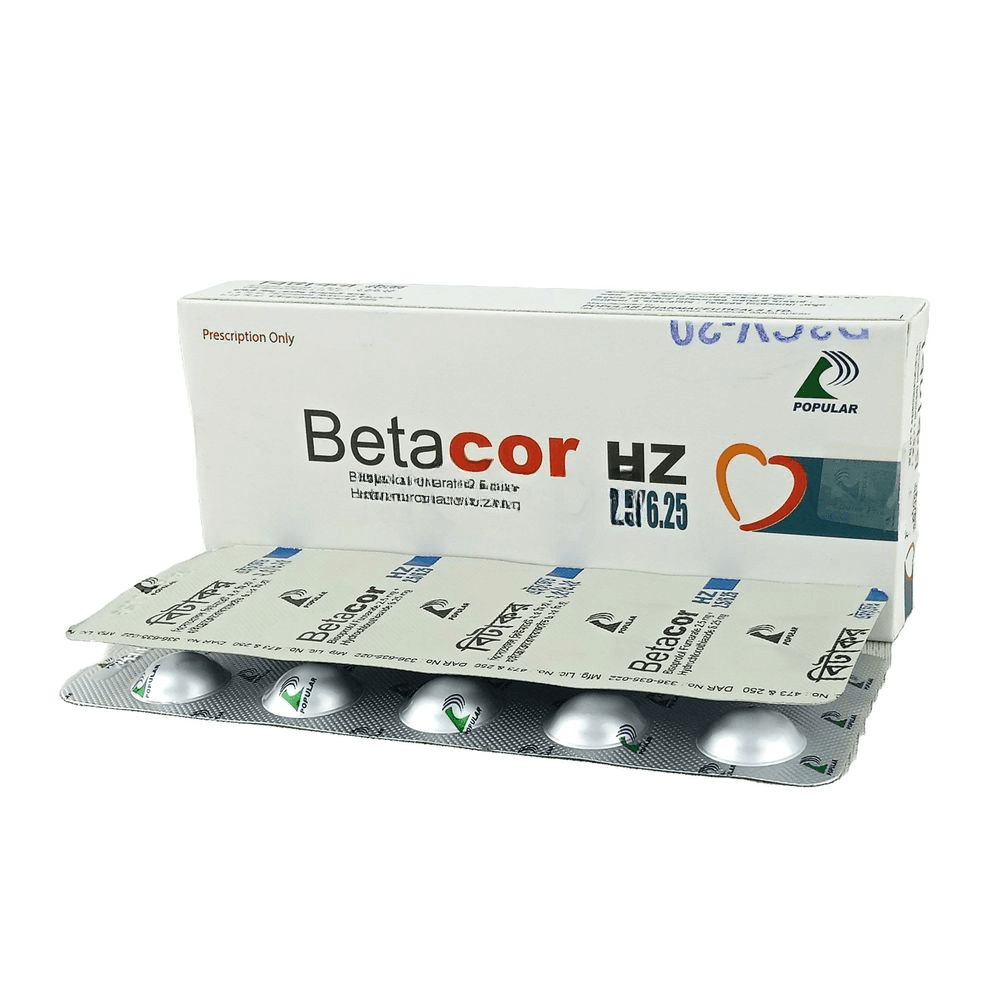
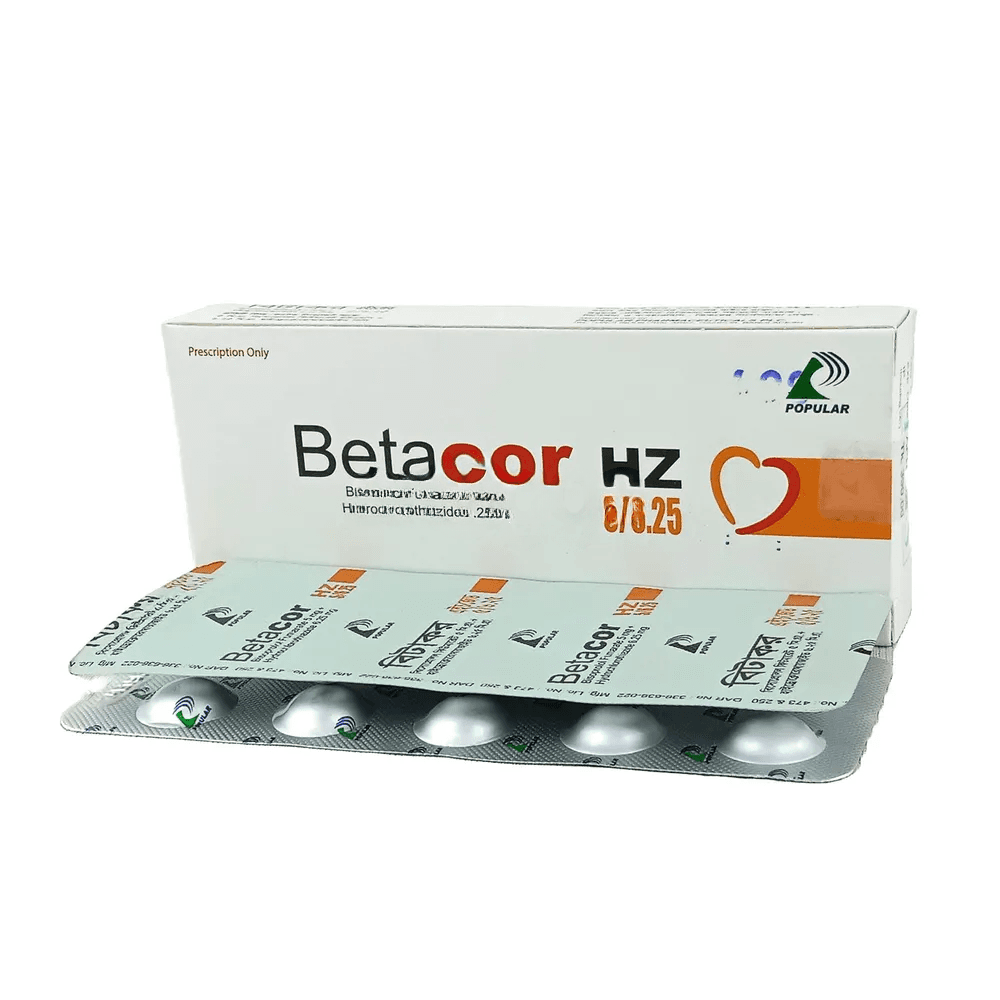
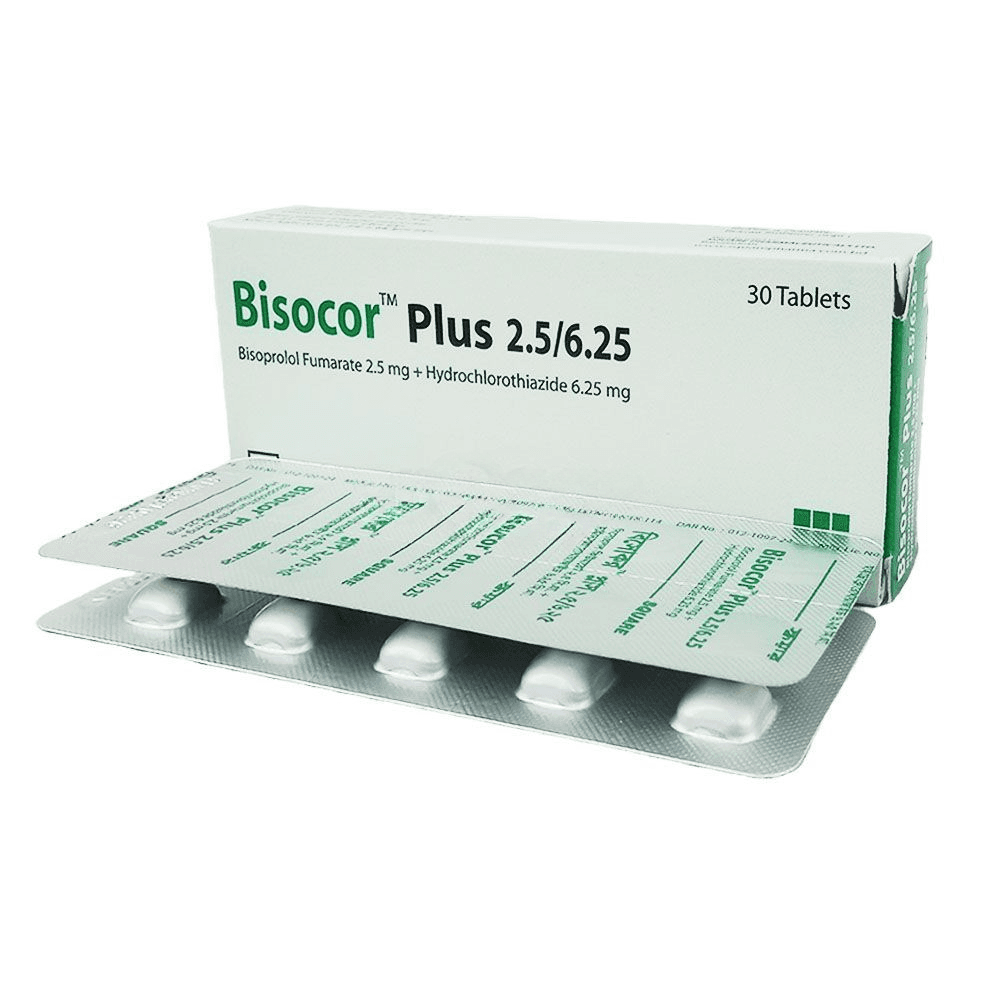
Indications
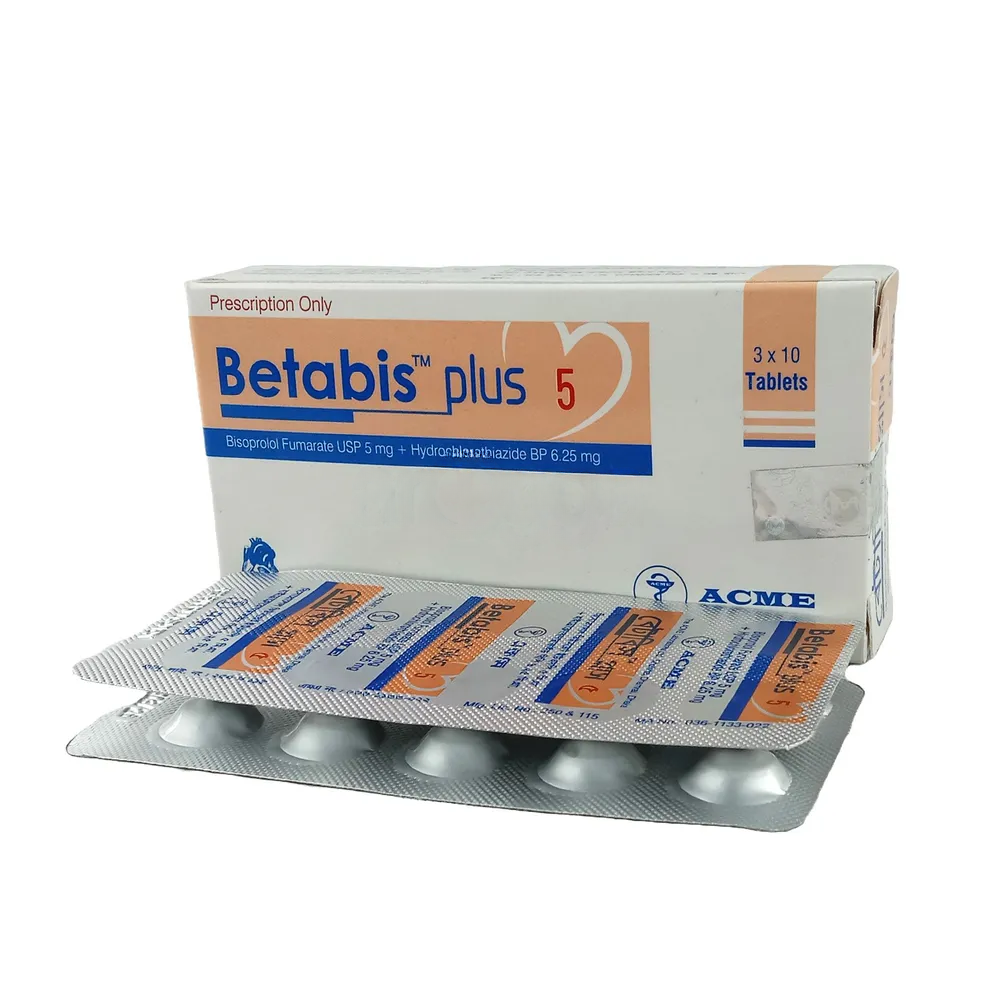
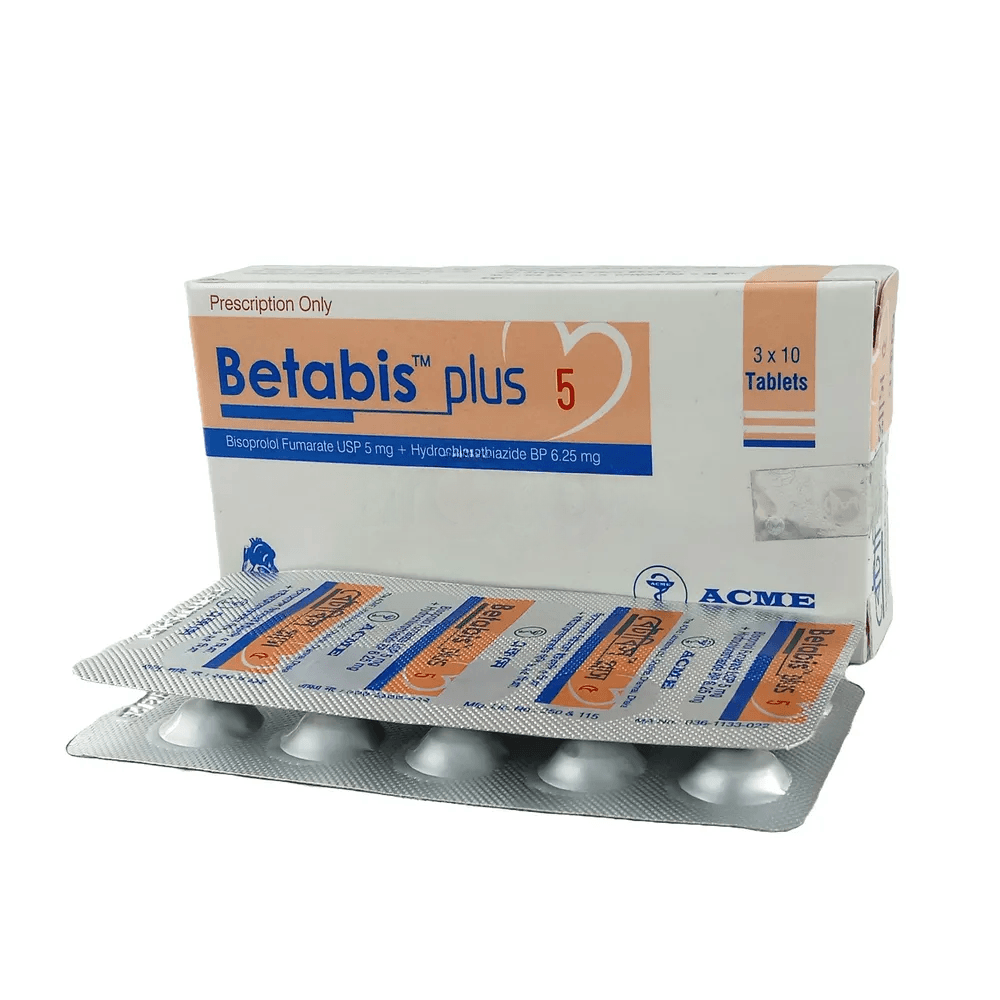
Betabis Plus tablet is used for the treatment of high blood pressure (Hypertension).
- Take medicine only as advised by a registered physician.
Pharmacology
Bisoprolol Fumarate and Hydrochlorothiazide are used either alone or together to treat high blood pressure. When combined, their blood pressure-lowering effects add up. Adding Hydrochlorothiazide significantly boosts the blood pressure-lowering power of Bisoprolol Fumarate. Moreover, the risk of low blood potassium (hypokalemia) is much lower with this combination than with taking Hydrochlorothiazide alone.
- Bisoprolol Fumarate: It is a cardioselective beta-1 blocker that acts specifically on the heart without causing unwanted membrane-stabilizing or stimulant effects at standard doses.
- Hydrochlorothiazide: It is a thiazide diuretic (water pill) that acts on the kidneys to stop the reabsorption of salts, helping the body remove roughly equal amounts of sodium and chloride through urine.
Dosage & Administration
Individually and in combination, the dosage is determined by a physician based on clinical response and individual patient needs.
- Initial Therapy: Antihypertensive therapy is initiated as directed by a healthcare professional. Subsequent adjustments are carried out under medical supervision as appropriate.
- Replacement Therapy: The combination may be substituted for the titrated individual components under medical guidance.
- Therapy Guided by Clinical Effect: A physician may adjust or switch therapy based on individual blood pressure control and electrolyte levels.
- Take medicine only as advised by a registered physician.
Interaction
- Other Blood Pressure Drugs: Betabis Plus can increase the effect of other blood pressure medicines taken at the same time. Do not combine it with other beta-blockers.
- Catecholamine-Depleting Drugs: Patients taking medicines like reserpine or guanethidine need close monitoring, as combining them with Bisoprolol may overly reduce nervous system activity.
- Clonidine: If a patient takes both Betabis Plus and clonidine and needs to stop treatment, Betabis Plus should be stopped several days before stopping clonidine.
- Heart Rhythm & Calcium Channel Blockers: Use with caution alongside heart-slowing drugs like verapamil, diltiazem, or antiarrhythmic drugs like disopyramide.
- Digitalis Glycosides: Both digitalis and beta-blockers slow down heart signals and heart rate, so using them together increases the risk of an overly slow heartbeat (bradycardia).
Contraindications
Do not use this medicine in patients with cardiogenic shock, severe heart failure, second or third-degree heart block (AV block), very slow heart rate (marked sinus bradycardia), inability to produce urine (anuria), or allergies to any ingredient of this medicine or other sulfonamide drugs.
Side Effects
This medicine is generally well-tolerated, and most side effects are mild and temporary. Possible side effects include tiredness, dizziness, headache, slow heartbeat, irregular heartbeat, reduced blood flow to limbs, chest pain, fast heartbeat (palpitations), cold hands and feet, leg pain while walking, drop in blood pressure when standing up, diarrhea, constipation, nausea, indigestion, runny nose, and sore throat.
Pregnancy & Lactation
- Use in Pregnancy: Pregnancy Category C. There are no proper, well-controlled studies in pregnant women. It should be used during pregnancy only if the potential benefit clearly outweighs the risk to the unborn baby.
- Use in Nursing Mothers: This combination has not been studied in breastfeeding mothers. Thiazides pass into human breast milk, and small amounts of Bisoprolol were found in animal milk. Because of the risk of serious side effects in nursing babies, a decision should be made either to stop breastfeeding or stop the medicine, depending on how important the medicine is for the mother.
Precautions & Warnings
- Gout & Uric Acid: Thiazide diuretics may increase blood uric acid levels or trigger acute gout in some patients.
- Fluid & Electrolyte Imbalance: Watch for warning signs such as dry mouth, thirst, weakness, extreme tiredness, drowsiness, restlessness, muscle pain or cramps, low blood pressure, reduced urination, fast heartbeat, nausea, and vomiting. Low potassium (hypokalemia) may also develop.
- Stopping the Medicine: If you plan to stop taking Betabis Plus, reduce the dose gradually under close medical supervision.
Overdose Effects
Limited data is available on Betabis Plus overdose.
- Beta-blocker Overdose: The most common signs are a very slow heartbeat and dangerously low blood pressure. Extreme drowsiness is also common. Severe overdose can cause confusion (delirium), coma, seizures, breathing stoppage, heart failure, breathing tube spasms, and low blood sugar.
- Thiazide Overdose: Severe poisoning is rare, with the main issue being rapid loss of body fluids and salts. Symptoms include fast heartbeat, low blood pressure, shock, weakness, confusion, dizziness, calf muscle cramps, tingling sensations, nausea, vomiting, thirst, changes in urination, and abnormal blood salt levels (low potassium, sodium, or chloride).
Therapeutic Class
Combined antihypertensive preparations
Storage Conditions
Keep below 30°C temperature, away from light and moisture. Keep out of the reach of children.