
Search products by name
Search medicines by name
0
0 item
৳ 0.00
Your Complete HealthCare Solution - Right Here


10657
info@shukhee.com
Telecom Bhaban (Level- 12), 53/1 Box Nagar, Zoo Road, Dhaka-1216.
৳ 0.00
10657
info@shukhee.com
Telecom Bhaban (Level- 12), 53/1 Box Nagar, Zoo Road, Dhaka-1216.

Quantity:

Products

Payment

Delivery
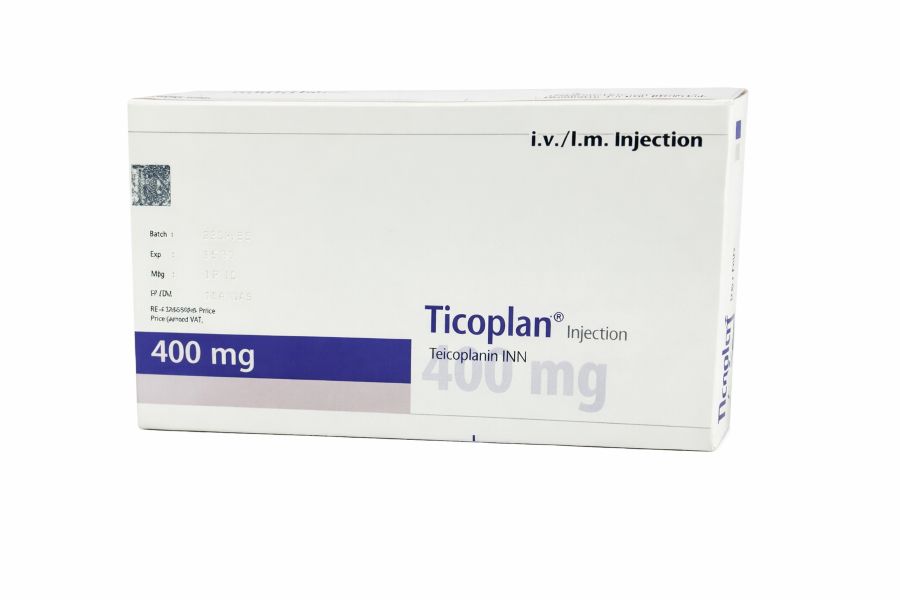
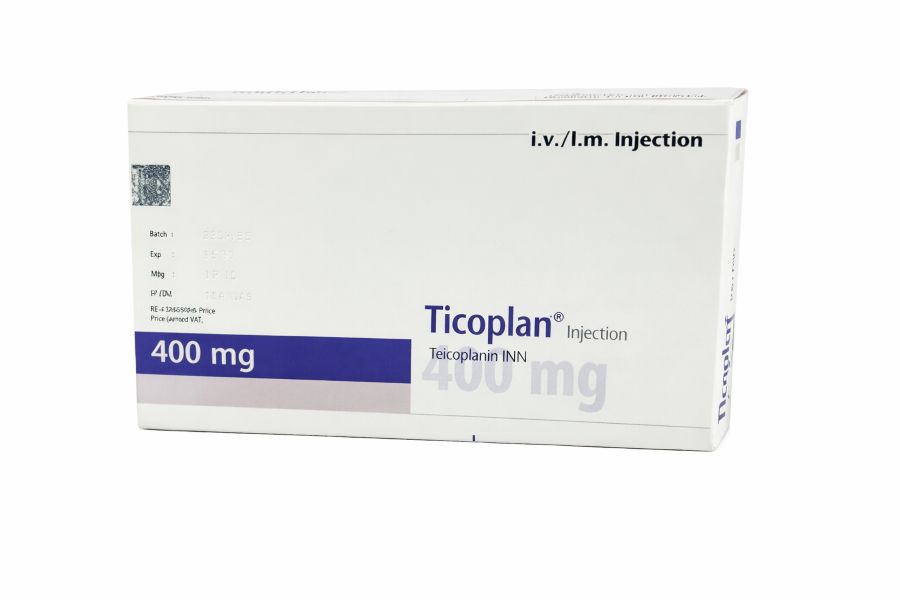
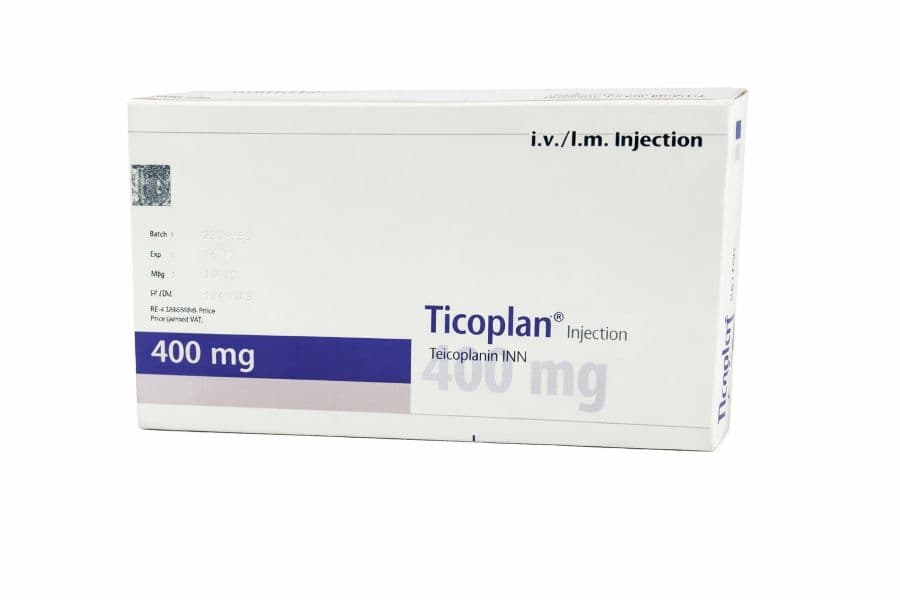
Ticoplan is indicated in adults and in children of the following infections-
. Complicated skin and soft tissue infections
. Bone and joint infections
. Hospital-acquired pneumonia
. Community-acquired pneumonia
. Complicated urinary tract infections
· Infective endocarditis
Ticoplan is also indicated as an alternative oral treatment for Clostridium difficile infection-associated diarrhoea and colitis. Where appropriate, Ticoplan should be administered in
combination with other antibacterial agents.
Pharmacology
Teicoplanin is a glycopeptide-antibiotic produced by Actinoplanes teichomyceticus. It is presented as a sterile, pyrogen-free ivory white powder for reconstitution with water for
injection. It is freely soluble in water and on reconstitution gives a clear solution. Teicoplanin inhibits the growth of susceptible organisms by interfering with cell-wall biosynthesis at a
site different from that affected by beta-lactams. Peptidoglycan synthesis is blocked by specific binding to D-alanyl-D-alanine residues.
Dosage & Administration
Teicoplanin can be given intravenously (as a bolus injection or infusion) or intramuscularly. The intravenous injection may be administered either as a bolus over 3 to 5 minutes or as a
30-minute infusion. Only the infusion method should be used in neonates. It should be given once daily after one or more loading doses. The dosage of Teicoplanin should be adapted
on the severity of the infection and patient's response to treatment.
In adulte (Normal kidnoy funetion).
Teicoplanin is a glycopeptide antibiotic, structurally related to vancomycin. It is used to treat serious infections caused by gram-positive bacteria, including methicillin-resistant Staphylococcus aureus (MRSA), enterococci, and streptococci.
Mechanism of action: Teicoplanin inhibits bacterial cell wall synthesis, leading to bacterial death.
Uses: Commonly prescribed for endocarditis, bone and joint infections, complicated skin infections, and hospital-acquired pneumonia.
Special features:
Long half-life, allowing once-daily dosing.
Can be administered intravenously or intramuscularly.
Often reserved for hospital use under specialist supervision.


Effective against resistant bacteria: Works well against gram-positive bacteria, including MRSA (Methicillin-resistant Staphylococcus aureus).
Broad hospital use: Useful for serious infections like endocarditis, bone and joint infections, complicated skin infections, and hospital-acquired pneumonia.
Alternative to vancomycin: Provides a treatment option for patients who cannot tolerate vancomycin.
Convenient dosing: Long half-life allows once-daily dosing, making treatment easier for patients.
Flexible administration: Can be given intravenously (IV) or intramuscularly (IM), depending on patient needs.
Reduced toxicity risk: Compared to vancomycin, teicoplanin may have fewer kidney-related side effects.