
Search products by name
Search medicines by name
0
0 item
৳ 0.00
Your Complete HealthCare Solution - Right Here


10657
info@shukhee.com
Telecom Bhaban (Level- 12), 53/1 Box Nagar, Zoo Road, Dhaka-1216.
৳ 0.00
10657
info@shukhee.com
Telecom Bhaban (Level- 12), 53/1 Box Nagar, Zoo Road, Dhaka-1216.


Products

Payment

Delivery
Introduction:
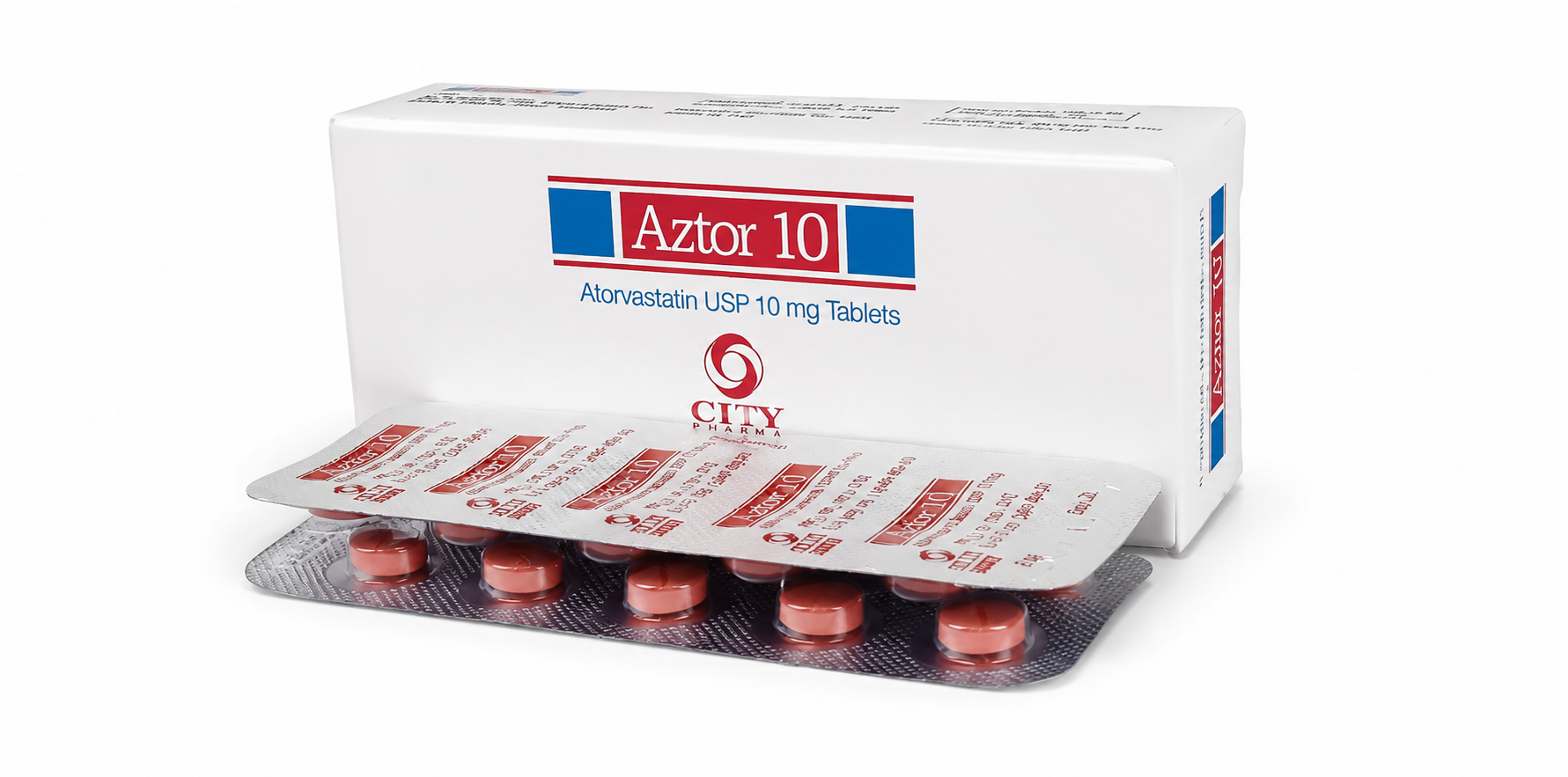
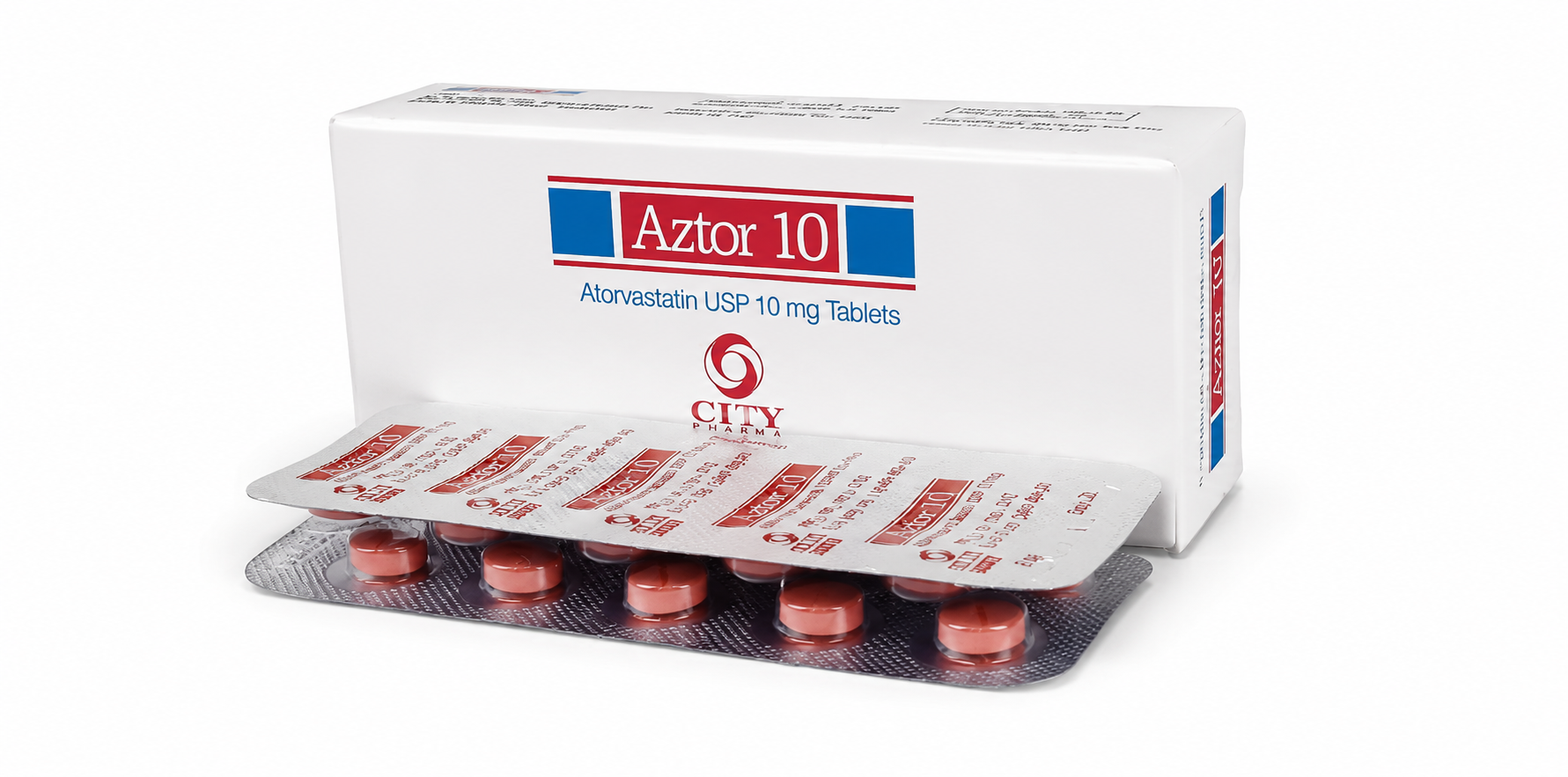
Atorvastatin is a lipid-lowering medication used to reduce cholesterol and triglycerides in the blood.
Drug Class:
Belongs to the class of HMG-CoA reductase inhibitors (statins).
Mechanism of Action:
Inhibits HMG-CoA reductase, the key enzyme in cholesterol biosynthesis.
Reduces LDL cholesterol and triglycerides, increases HDL cholesterol.
Dosage:
Typical adult dose ranges from 10 mg to 80 mg once daily.
Dose individualized based on cholesterol levels and patient response.
Benefits:
Reduces risk of cardiovascular events such as heart attack and stroke.
Improves lipid profile.
Provides long-term protection against atherosclerosis.
Safety Advice:
Monitor liver function tests before and during therapy.
Report muscle pain or weakness immediately (risk of myopathy/rhabdomyolysis).
Avoid excessive alcohol consumption.
Renal Friendly:
Generally safe in renal impairment; no major dose adjustment required.
Pregnancy Safety:
Contraindicated in pregnancy; may harm fetal development.
Lactation:
Contraindicated during breastfeeding; may pass into breast milk.
Overdose:
Symptoms may include muscle pain, liver enzyme elevation, gastrointestinal upset.
Supportive treatment required; seek immediate medical attention.
Drug Class: Statins (HMG-CoA reductase inhibitors)
Purpose:
Lowers LDL cholesterol (“bad cholesterol”)
Raises HDL cholesterol (“good cholesterol”)
Reduces triglycerides
Prevents cardiovascular events (heart attack, stroke, angina)
Dosage Forms: Tablets (10 mg, 20 mg, 40 mg, 80 mg) and oral suspension.
Common Brand Names: Lipitor, Atorvaliq.
Approval: First FDA-approved in 1996, now one of the most prescribed statins worldwide.
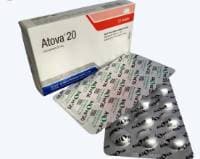
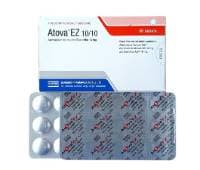
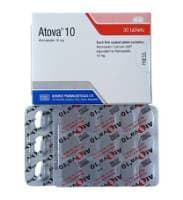
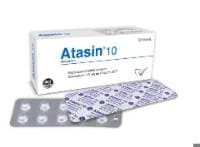
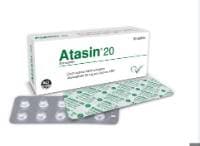
Indications of Atorvastatin
Atorvastatin is prescribed for:
Hypercholesterolemia: High cholesterol levels, especially elevated LDL (“bad cholesterol”).
Mixed dyslipidemia: Combination of high cholesterol and triglycerides.
Prevention of cardiovascular disease:
Reduces risk of heart attack, stroke, and angina in patients with risk factors (such as diabetes, hypertension, smoking, or family history).
Familial hypercholesterolemia: Genetic condition causing very high cholesterol.
Secondary prevention: For patients who already had a cardiovascular event (like heart attack or stroke) to prevent recurrence.