
Search products by name
Search medicines by name
0
0 item
৳ 0.00
Your Complete HealthCare Solution - Right Here


10657
info@shukhee.com
Telecom Bhaban (Level- 12), 53/1 Box Nagar, Zoo Road, Dhaka-1216.
৳ 0.00
10657
info@shukhee.com
Telecom Bhaban (Level- 12), 53/1 Box Nagar, Zoo Road, Dhaka-1216.


Quantity:

Products

Payment

Delivery
Indications
This is indicated in the following indications-
. Diarrhea
· Digestive discomfort
. Lactose intolerance
. Vaginal infection
. Antibiotic associated diarrhea
Composition
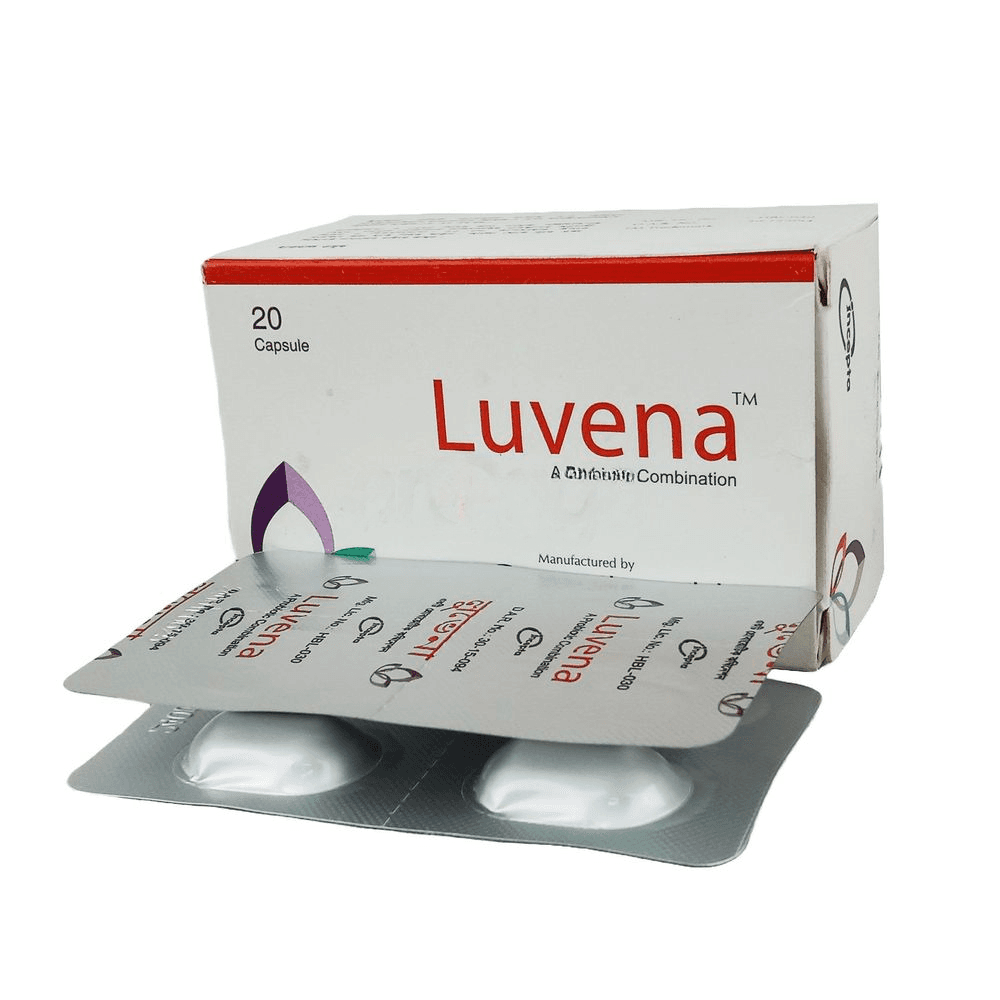
Each capsule contains-
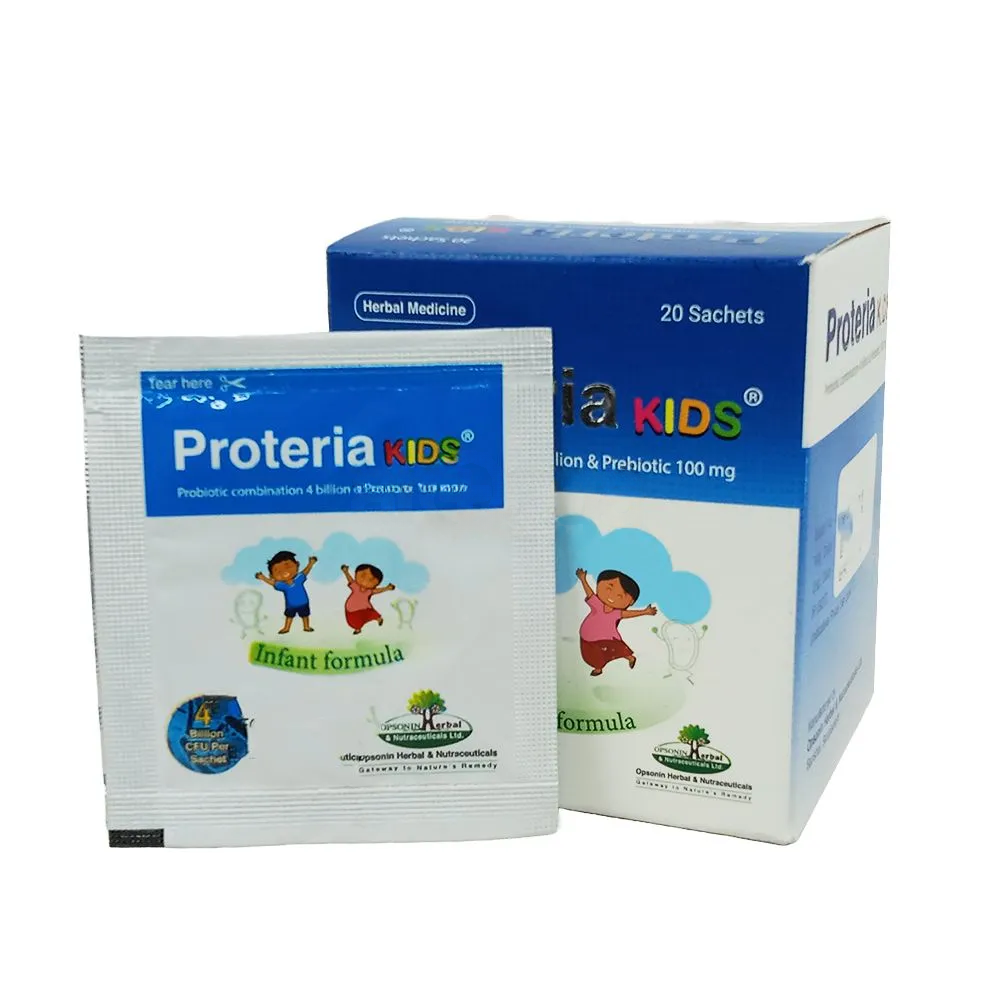
" Lactobacillus acidophilus (2 billion)
. Lactobacillus bulgaricus (1 billion)
. Bifidobacterium bifidum (1 billion) as a 4 billion probiotic combination and
· Fructo-oligosaccharides (100 mg).
Description
Proteria KIDSs are defined as live microorganisms, including Lactobacillus species, Bifidobacterium species and yeasts, which may beneficially affect the host upon ingestion by improving the
balance of the intestinal microflora.
Lactobacillus acidophilus is one of the several bacteria in the genus Lactobacillus. It gets its name from lacto-meaning milk, bacillus-meaning rod-like in shape and acidophilus-meaning acid-
loving. L. acidophilus occurs naturally in a variety of foods, including dairy, grain, meat and fish. It is also present in human (and animal) intestines, mouths and vaginas. These types of healthy
bacteria inhabit in the intestines and vaginas and protect against some unhealthy organisms.
Lactobacillus bulgaricus is one of several bacteria used for the production of yogurt. First identified in 1905 by the Bulgarian doctor Stamen Grigorov, it is named after Bulgaria. Morphologically, it
is a gram-positive rod that may appear long and filamentous. It is also non-motile and it does not form spores. The bacterium feeds on milk and produces lactic acid which also helps to preserve
the milk. It breaks down lactose and is often helpful to sufferers of lactose intolerance, whose digestive systems lack the enzymes to break down lactose to simpler sugars. While fermenting milk,
Lactobacillus bulgaricus produces acetaldehyde, which perfumes yogurt.
Bifidobacteria are normal inhabitants of the human and animal colon. Newborns, especially those that are breast-fed, are colonized with bifidobacteria within days after birth. Bifidobacteria were
first isolated from the feces of breast-fed infants. They are gram-positive anaerobes, non-motile, non spore forming and catalase-negative. Their name is derived from the observation that they
often exist in a 'Y'-shaped or bifid form. To date 30 species of bifidobacteria have been isolated.
Pharmacology
Studies of probiotic activity in recent years provide evidence that probiotics counter experimental and human gastrointestinal inflammation (human inflammatory bowel disease) by their effects
on epithelial cell function, including epithelial cell barrier function, epithelial cytokine secretion and their antibacterial effects relating to colonization of the epithelial layer. It reduces
gastrointestinal pH through stimulation of lactic-acid-producing bacteria; provide a direct antagonistic action on gastrointestinal pathogens. Moreover it competes with pathogens for binding
and receptor sites. In addition, there is emerging evidence that probiotics induce regulatory T cells that act as a break on the effector T cells that would otherwise cause inflammation.
Lactobacillus acidophilus and Bifidobacterium bifidum appear to enhance the nonspecific immune phagocytic activity of circulating blood granulocytes. This effect may account, in part, for the
stimulation of IgA responses in infants infected with rotavirus. Lactic acid bacteria, like strains of Lactobacillus acidophilus, Lactobacillus bulgaricus have also demonstrated antioxidant ability.
Mechanisms include chelation of metal ions (iron, copper), scavenging of reactive oxygen species and reducing activity.
Dosage & Administration
1 or 2 probiotics capsules 3 times daily or as directed by the physician.
Interaction
None well documented.
Contraindications
The use of probiotics is not advised in patients at risk of opportunistic infections and in those with badly damaged GI tracts.
Side Effects
No known toxicity or side-effects.
Pregnancy & Lactation
Probiotics are unlikely to reach the systemic circulation of the fetus & therefore are unlikely to cause harm. Probiotics are unlikely to be transferred into breast milk.
Therapeutic Class
Probiotic
Storage Conditions
Store below 25C, dry place and away from direct sunlight. Keep out of reach of children.
N/A
N/A