
Search products by name
Search medicines by name
0
0 item
৳ 0.00
Your Complete HealthCare Solution - Right Here


10657
info@shukhee.com
Telecom Bhaban (Level- 12), 53/1 Box Nagar, Zoo Road, Dhaka-1216.
৳ 0.00
10657
info@shukhee.com
Telecom Bhaban (Level- 12), 53/1 Box Nagar, Zoo Road, Dhaka-1216.

Quantity:

Products

Payment

Delivery
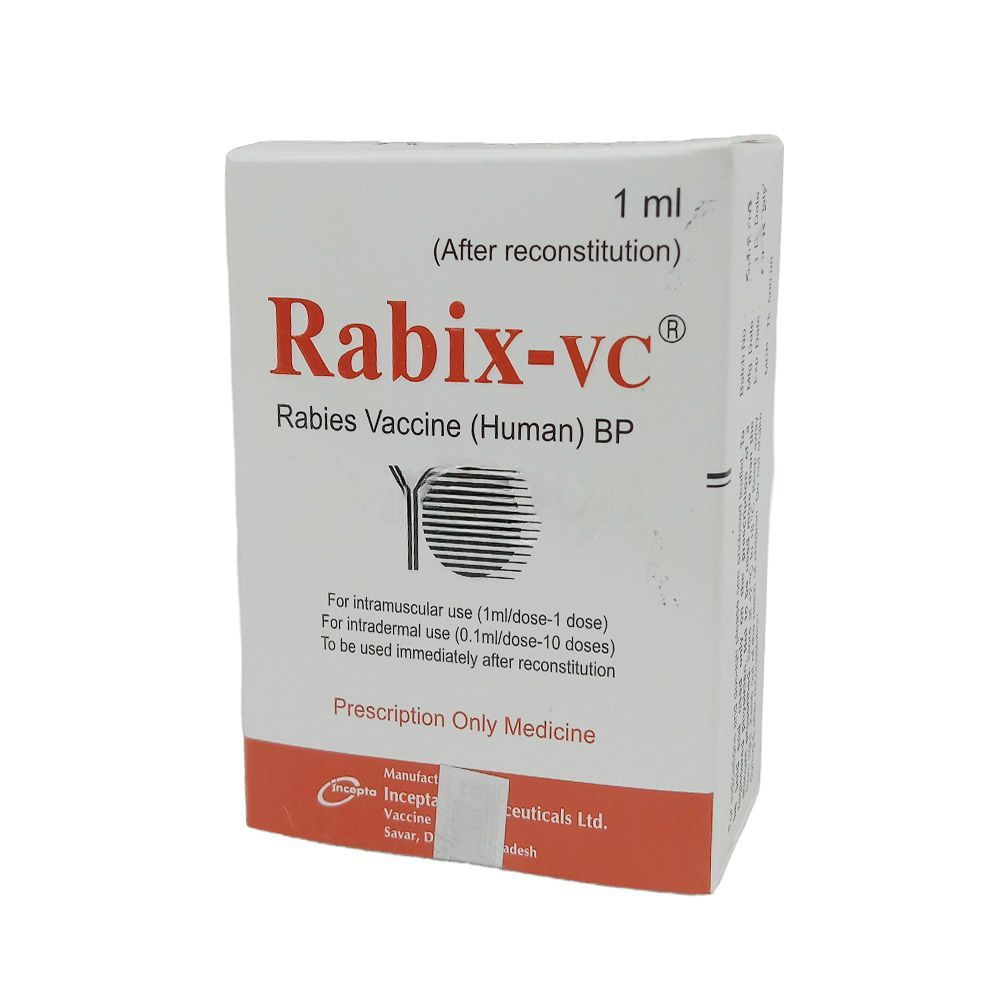
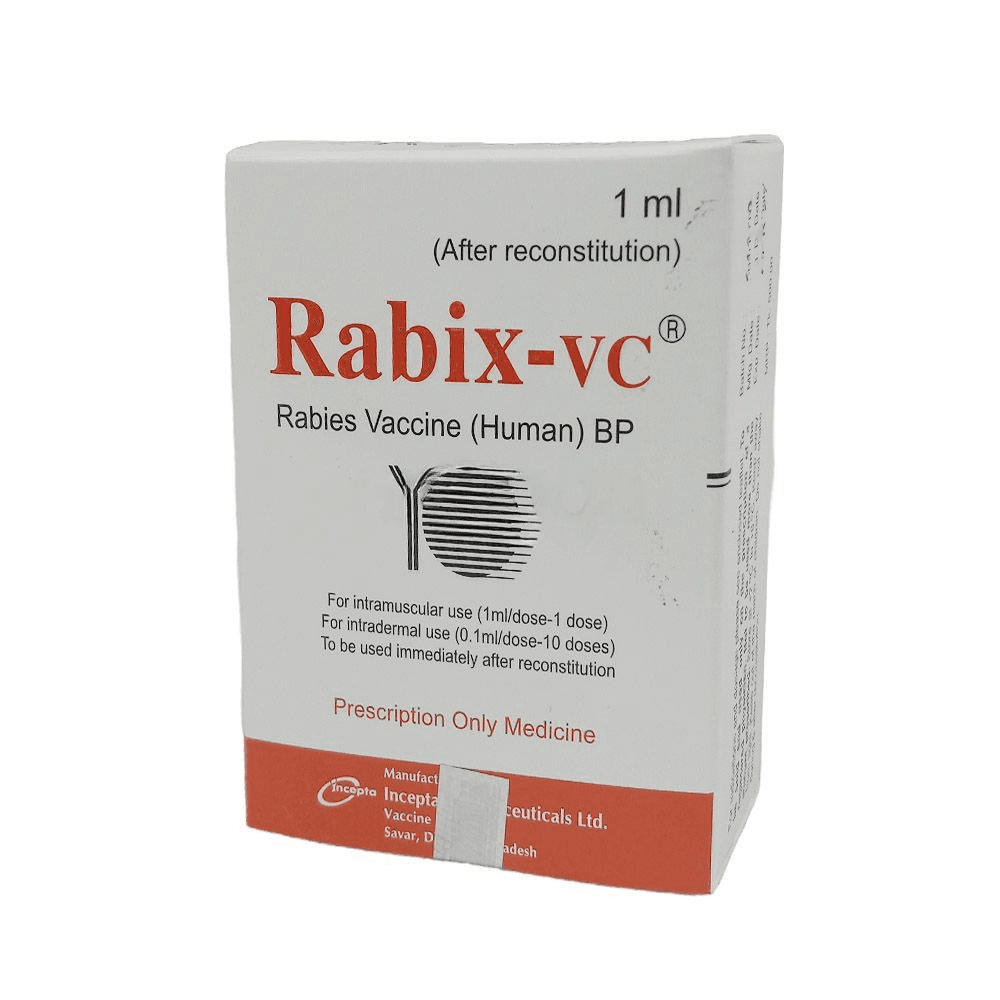
Rabies vaccine is indicated for, prophylactic immunization against rabies, treatment of patients following suspected rabies contact.
To reconstitute the vaccine, transfer content of supplied diluent into the vial containing freeze-dried preparation. Do not shake. After reconstitution the solution should be homogeneous, clear and free from any particles. Vaccine must be injected immediately after reconstitution and the syringe should be destroyed after use.\r\n1. Method of administration for intramuscular use\r\nThe 1ml dose of Rabix-vc should be given intramuscularly in the deltoid in adults and in the anterolateral aspect of the thigh muscle in children under 1 year. It should not be injected into the gluteal region. Do not inject intravenously. \r\n2. Method of administration for intradermal use\r\nThe 0.1 ml dose of Rabix-vc (per site) should be administered intradermally in the upper arm, over the deltoid.
$4e
$4f
Pre-exposure\r\nSevere fever, febrile infection, acute disease, progressive chronic diseases. Known hypersensitivity reactions to rabies vaccine or any of its components.\r\n\r\nPost-exposure\r\nNo contraindication to post-exposure treatment, because rabies is lethal disease, any contraindication to exposure, treatment should be considered carefully before disqualifying an individual for anti-rabies treatment.
Rabies vaccine is an inactivated virus vaccine that is used for active immunisation against rabies. It can be used for pre- and post-exposure immunisation. For post-exposure immunisation, it is often used in conjunction with rabies immunoglobulins as it takes about 7-10 days for the specific antibodies to develop.
Possibility of immune complex reaction 2-21 days after booster doses of HDCV (Human diploid cell cultures rabies vaccine); symptoms include arthralgia, arthritis, nausea, malaise, angioedema, fever and vomiting. Caution when used in patients with bleeding disorders, patients on anticoagulant treatment, severely immunocompromised patients. Not to be used in patients with confirmed diagnosis of rabies. Postexposure prophylaxis may be started regardless of the length of time from likely exposure, as long as clinical signs of rabies infection are not present. \r\nPregnancy: The potential risk of administration of rabies vaccine during pregnancy is unknown. Due to the severity of the disease, pregnancy is not considered to be a contra-indication to post-exposure prophylaxis.\r\n\r\nLactation: if exposure to rabies suspected, nursing a baby is not a priority as far as immunization is concerned
>10%\r\nInjection site pain, soreness, swelling, erythema, itching, burning (30-74%),N/V (5-40%),Abdominal pain (5-40%),Diarrhea (5-40%),Headache (5-40%),Fatigue (5-40%),Localized enlarged lymph nodes sore throat (5-40%),Low grade fever (5-40%),Chills (5-40%),Muscle ache (5-40%),Dizziness (5-40%),Malaise (5-40%)
Due to the severity of the disease, pregnancy is not considered to be a contra-indication to post-exposure prophylaxis.
Concurrent use with immunosuppressants may reduce the efficacy of vaccines.
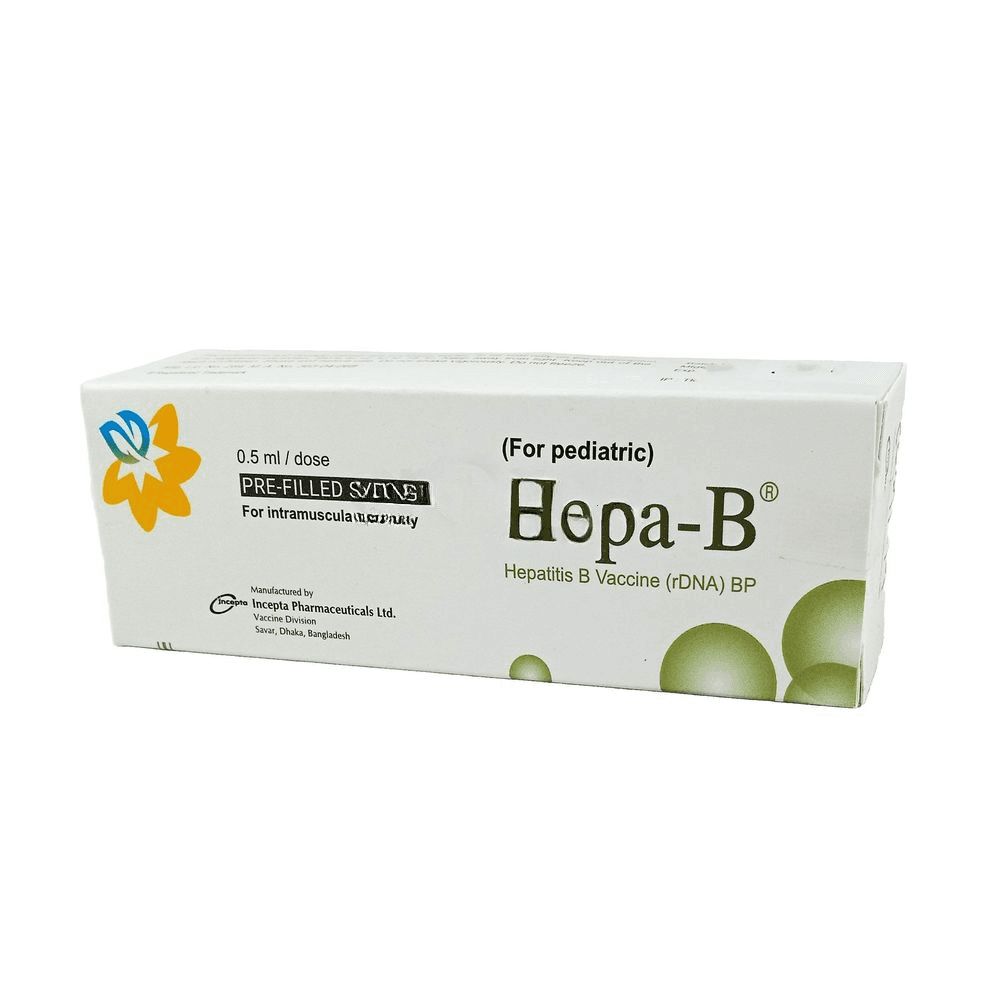


Rabies vaccine is indicated for, prophylactic immunization against rabies, treatment of patients following suspected rabies contact.
To reconstitute the vaccine, transfer content of supplied diluent into the vial containing freeze-dried preparation. Do not shake. After reconstitution the solution should be homogeneous, clear and free from any particles. Vaccine must be injected immediately after reconstitution and the syringe should be destroyed after use.\r\n1. Method of administration for intramuscular use\r\nThe 1ml dose of Rabix-vc should be given intramuscularly in the deltoid in adults and in the anterolateral aspect of the thigh muscle in children under 1 year. It should not be injected into the gluteal region. Do not inject intravenously. \r\n2. Method of administration for intradermal use\r\nThe 0.1 ml dose of Rabix-vc (per site) should be administered intradermally in the upper arm, over the deltoid.
$4e
$4f
Pre-exposure\r\nSevere fever, febrile infection, acute disease, progressive chronic diseases. Known hypersensitivity reactions to rabies vaccine or any of its components.\r\n\r\nPost-exposure\r\nNo contraindication to post-exposure treatment, because rabies is lethal disease, any contraindication to exposure, treatment should be considered carefully before disqualifying an individual for anti-rabies treatment.
Rabies vaccine is an inactivated virus vaccine that is used for active immunisation against rabies. It can be used for pre- and post-exposure immunisation. For post-exposure immunisation, it is often used in conjunction with rabies immunoglobulins as it takes about 7-10 days for the specific antibodies to develop.
Possibility of immune complex reaction 2-21 days after booster doses of HDCV (Human diploid cell cultures rabies vaccine); symptoms include arthralgia, arthritis, nausea, malaise, angioedema, fever and vomiting. Caution when used in patients with bleeding disorders, patients on anticoagulant treatment, severely immunocompromised patients. Not to be used in patients with confirmed diagnosis of rabies. Postexposure prophylaxis may be started regardless of the length of time from likely exposure, as long as clinical signs of rabies infection are not present. \r\nPregnancy: The potential risk of administration of rabies vaccine during pregnancy is unknown. Due to the severity of the disease, pregnancy is not considered to be a contra-indication to post-exposure prophylaxis.\r\n\r\nLactation: if exposure to rabies suspected, nursing a baby is not a priority as far as immunization is concerned
>10%\r\nInjection site pain, soreness, swelling, erythema, itching, burning (30-74%),N/V (5-40%),Abdominal pain (5-40%),Diarrhea (5-40%),Headache (5-40%),Fatigue (5-40%),Localized enlarged lymph nodes sore throat (5-40%),Low grade fever (5-40%),Chills (5-40%),Muscle ache (5-40%),Dizziness (5-40%),Malaise (5-40%)
Due to the severity of the disease, pregnancy is not considered to be a contra-indication to post-exposure prophylaxis.
Concurrent use with immunosuppressants may reduce the efficacy of vaccines.
N/A