

Search products by name
Search medicines by name
0
0 item
৳ 0.00
Your Complete HealthCare Solution - Right Here


10657
info@shukhee.com
Telecom Bhaban (Level- 12), 53/1 Box Nagar, Zoo Road, Dhaka-1216.
৳ 0.00
10657
info@shukhee.com
Telecom Bhaban (Level- 12), 53/1 Box Nagar, Zoo Road, Dhaka-1216.


Products

Payment

Delivery
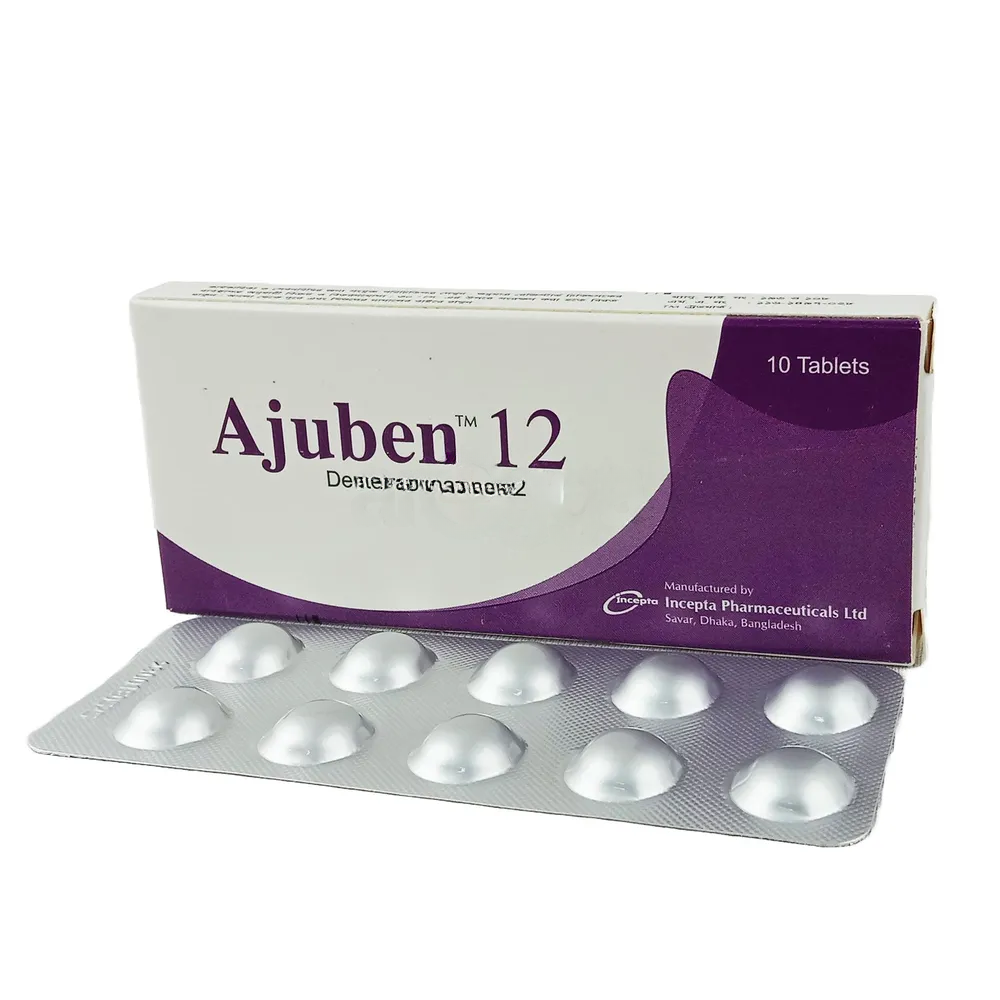
Indicated for chorea associated with Huntington disease, Tardive Dyskinesia
Administer with food\r\n\r\nSwallow tablet whole; do not chew, crush, or break
Patients with Huntington disease who are suicidal, or in patients with untreated or inadequately treated depression\r\n\r\nHepatic impairment\r\n\r\nCoadministration with MAOIs; deutetrabenazine should not be used in combination with an MAOI or within 14 days of discontinuing an MAOI\r\n\r\nCoadministration with reserpine; at least 20 days should elapse after stopping reserpine before initiating deutetrabenazine\r\n\r\nCoadministration with tetrabenazine or valbenazine
Oral vesicular monoamine transporter-2 (VMAT-2) inhibitor; decreases uptake of monoamines (eg, dopamine, serotonin, norepinephrine, histamine) into synaptic vesicles and depletes monoamine stores from nerve terminals\r\n\r\nThe precise mechanism by which deutetrabenazine exerts its antichorea effects is unknown, but is believed to be related to its effect on reversible depletion of monoamines from nerve terminals
Huntington disease is a progressive disorder characterized by changes in mood, cognition, chorea, rigidity, and functional capacity over time; VMAT2 inhibitors, including deutetrabenazine, may cause a worsening in mood, cognition, rigidity, and functional capacity; periodically reevaluate the need for deutetrabenazine by assessing effect on chorea and adverse effects\r\n\r\nPatients with Huntington disease are at increased risk for depression and suicidality; deutetrabenazine may increase this risk.\r\n\r\nMay increase the risk of akathisia, agitation, and restlessness in patients with Huntington’s disease and tardive dyskinesia; reduce dose or discontinue if this occurs\r\n\r\nSedation/somnolence reported; may impair patient’s ability to drive or operate complex machinery
>10%\r\nSomnolence (11%)\r\n\r\n1-10%\r\nDiarrhea (9%)\r\n\r\nDry mouth (9%)\r\n\r\nFatigue (9%)\r\n\r\nUrinary tract infection (7%)\r\n\r\nInsomnia (7%)\r\n\r\nAnxiety (4%)\r\n\r\nConstipation (4%)\r\n\r\nContusion (4%)\r\n\r\nDizziness (4%)\r\n\r\nAkathisia, agitation, or restlessness (4%)\r\n\r\nDepression in patients with Huntington’s disease (4%)\r\n\r\nSuicidal ideation in patients with Huntington’s disease (2%)\r\n\r\nParkinsonism in patients with Huntington’s disease
Pregnancy\r\nThere are no adequate data on the developmental risk in pregnant women\r\n\r\nAnimal studies\r\n\r\nAdministration of deutetrabenazine to rats during organogenesis produced no clear adverse effect on embryofetal development\r\nHowever, administration of tetrabenazine to rats throughout pregnancy and lactation resulted in an increase in stillbirths and postnatal offspring mortality\r\n\r\nLactation\r\nUnknown if distributed in human breast milk\r\n\r\nConsider the developmental and health benefits of breastfeeding along with the mother’s clinical need for the drug, and any potential adverse effects on the breastfed infant from the drug or from the underlying maternal condition
Coadministration with dopamine antagonists or antipsychotics may increase risk for parkinsonism, NMS, and akathisia\r\nCoadministration with alcohol and other sedating drugs may worsen somnolence associated with deutetrabenazine




Indicated for chorea associated with Huntington disease, Tardive Dyskinesia
Administer with food\r\n\r\nSwallow tablet whole; do not chew, crush, or break
$4e
Patients with Huntington disease who are suicidal, or in patients with untreated or inadequately treated depression\r\n\r\nHepatic impairment\r\n\r\nCoadministration with MAOIs; deutetrabenazine should not be used in combination with an MAOI or within 14 days of discontinuing an MAOI\r\n\r\nCoadministration with reserpine; at least 20 days should elapse after stopping reserpine before initiating deutetrabenazine\r\n\r\nCoadministration with tetrabenazine or valbenazine
Oral vesicular monoamine transporter-2 (VMAT-2) inhibitor; decreases uptake of monoamines (eg, dopamine, serotonin, norepinephrine, histamine) into synaptic vesicles and depletes monoamine stores from nerve terminals\r\n\r\nThe precise mechanism by which deutetrabenazine exerts its antichorea effects is unknown, but is believed to be related to its effect on reversible depletion of monoamines from nerve terminals
Huntington disease is a progressive disorder characterized by changes in mood, cognition, chorea, rigidity, and functional capacity over time; VMAT2 inhibitors, including deutetrabenazine, may cause a worsening in mood, cognition, rigidity, and functional capacity; periodically reevaluate the need for deutetrabenazine by assessing effect on chorea and adverse effects\r\n\r\nPatients with Huntington disease are at increased risk for depression and suicidality; deutetrabenazine may increase this risk.\r\n\r\nMay increase the risk of akathisia, agitation, and restlessness in patients with Huntington’s disease and tardive dyskinesia; reduce dose or discontinue if this occurs\r\n\r\nSedation/somnolence reported; may impair patient’s ability to drive or operate complex machinery
>10%\r\nSomnolence (11%)\r\n\r\n1-10%\r\nDiarrhea (9%)\r\n\r\nDry mouth (9%)\r\n\r\nFatigue (9%)\r\n\r\nUrinary tract infection (7%)\r\n\r\nInsomnia (7%)\r\n\r\nAnxiety (4%)\r\n\r\nConstipation (4%)\r\n\r\nContusion (4%)\r\n\r\nDizziness (4%)\r\n\r\nAkathisia, agitation, or restlessness (4%)\r\n\r\nDepression in patients with Huntington’s disease (4%)\r\n\r\nSuicidal ideation in patients with Huntington’s disease (2%)\r\n\r\nParkinsonism in patients with Huntington’s disease
Pregnancy\r\nThere are no adequate data on the developmental risk in pregnant women\r\n\r\nAnimal studies\r\n\r\nAdministration of deutetrabenazine to rats during organogenesis produced no clear adverse effect on embryofetal development\r\nHowever, administration of tetrabenazine to rats throughout pregnancy and lactation resulted in an increase in stillbirths and postnatal offspring mortality\r\n\r\nLactation\r\nUnknown if distributed in human breast milk\r\n\r\nConsider the developmental and health benefits of breastfeeding along with the mother’s clinical need for the drug, and any potential adverse effects on the breastfed infant from the drug or from the underlying maternal condition
Coadministration with dopamine antagonists or antipsychotics may increase risk for parkinsonism, NMS, and akathisia\r\nCoadministration with alcohol and other sedating drugs may worsen somnolence associated with deutetrabenazine
N/A