
Search products by name
Search medicines by name
0
0 item
৳ 0.00
Your Complete HealthCare Solution - Right Here


10657
info@shukhee.com
Telecom Bhaban (Level- 12), 53/1 Box Nagar, Zoo Road, Dhaka-1216.
৳ 0.00
10657
info@shukhee.com
Telecom Bhaban (Level- 12), 53/1 Box Nagar, Zoo Road, Dhaka-1216.

Quantity:

Products

Payment

Delivery
Type 2 Diabetes Mellitus
SC Administration\r\nAdminister SC to abdomen, thigh, or upper arm\r\n\r\nAdminister once weekly, on the same day each week, at any time of the day, with or without meals\r\n\r\nDay of weekly administration can be changed if necessary as long as the time between 2 doses is at least 2 days (>48 hours)\r\n\r\nUse a different injection site each week when injecting in the same body region
Type 2 Diabetes Mellitus\r\nIndicated as an adjunct to diet and exercise to improve glycemic control in adults with type 2 diabetes mellitus\r\n\r\n0.25 mg SC qWeek for 4 weeks initially; THEN increase the dosage to 0.5 mg qWeek\r\n\r\nIf glycemic control not achieved after at least 4 weeks on 0.5-mg dose, can increase to 1 mg qWeek\r\n\r\nHepatic impairment\r\nNo dosage adjustment required
<18 years: Safety and efficacy not established
Renal impairment\r\nNo dosage adjustment required
Personal or family history of MTC or in patients with multiple endocrine neoplasia syndrome type 2 (MEN 2)\r\n\r\nKnown hypersensitivity to semaglutide or to any of the product components
Glucagon-like peptide-1 (GLP-1) agonist\r\n\r\nIncretins, such as GLP-1, enhance glucose-dependent insulin secretion by pancreatic beta-cells, suppresses inappropriately elevated glucagon secretion, and slows gastric emptying
$4e
>10%\r\nNausea (15.8-20.3%)\r\n\r\nDocumented symptomatic hypoglycemia, adjunctive therapy [≤70 mg/dL glucose threshold] (16.7-29.8%)\r\n\r\nSevere or symptomatic hypoglycemia, adjunctive therapy [≤56 mg/dL glucose threshold] ( 8.3-10.7%)\r\n\r\n1-10%\r\nVomiting (5-9.2%)\r\n\r\nDiarrhea (8.5-8.8%)\r\n\r\nAbdominal pain (5.7-7.3%)\r\n\r\nConstipation (3.1-5%)\r\n\r\nDyspepsia (2.7-3.5%)\r\n\r\nEructation (1.1-2.7%)\r\n\r\nDocumented symptomatic hypoglycemia, monotherapy [≤70 mg/dL glucose threshold] (1.6-3.8%)\r\n\r\nFlatulence (0.4-1.5%)\r\n\r\nGastroesophageal reflux disease (1.5-1.9%)\r\n\r\n<1%\r\nGastritis (0.4-0.8%)\r\n\r\nCholelithiasis (0.4%)\r\n\r\nFatigue (>0.4%)\r\n\r\nDysgeusia (>0.4%)\r\n\r\nDizziness (>0.4%)\r\n\r\nInjection site reaction (0.2%)
Pregnancy\r\nData are limited regarding use in pregnant women\r\n\r\nBased on animal reproduction studies, there may be potential risks to the fetus from exposure to semaglutide during pregnancy; should be used during pregnancy only if the potential benefit justifies the potential risk to the fetus\r\n\r\nDiscontinue treatment in women at least 2 months before a planned pregnancy, owing to the long washout period for semaglutide\r\n\r\nClinical Considerations\r\nPoorly controlled diabetes during pregnancy increases maternal risk for diabetic ketoacidosis, preeclampsia, spontaneous abortions, preterm delivery, stillbirth, and delivery complications\r\nPoorly controlled diabetes increases fetal risk for major birth defects, stillbirth, and macrosomia-related morbidity\r\nLactation\r\nThere are no data on the presence of semaglutide in human milk, the effects on the breastfed infant, or the effects on milk production\r\n\r\nIn lactating rats, semaglutide was detected in milk at levels 3- to 12-fold lower than in maternal plasma
Coadministration with insulin secretagogues (eg, sulfonylureas) or insulin may increase the risk of hypoglycemia; consider a lower dose of the secretagogue or insulin to reduce risk of hypoglycemia in this setting\r\nExercise caution when semaglutide is concomitantly administered with oral medications; semaglutide causes a delay of gastric emptying, thereby potentially impacting oral absorption of such medications
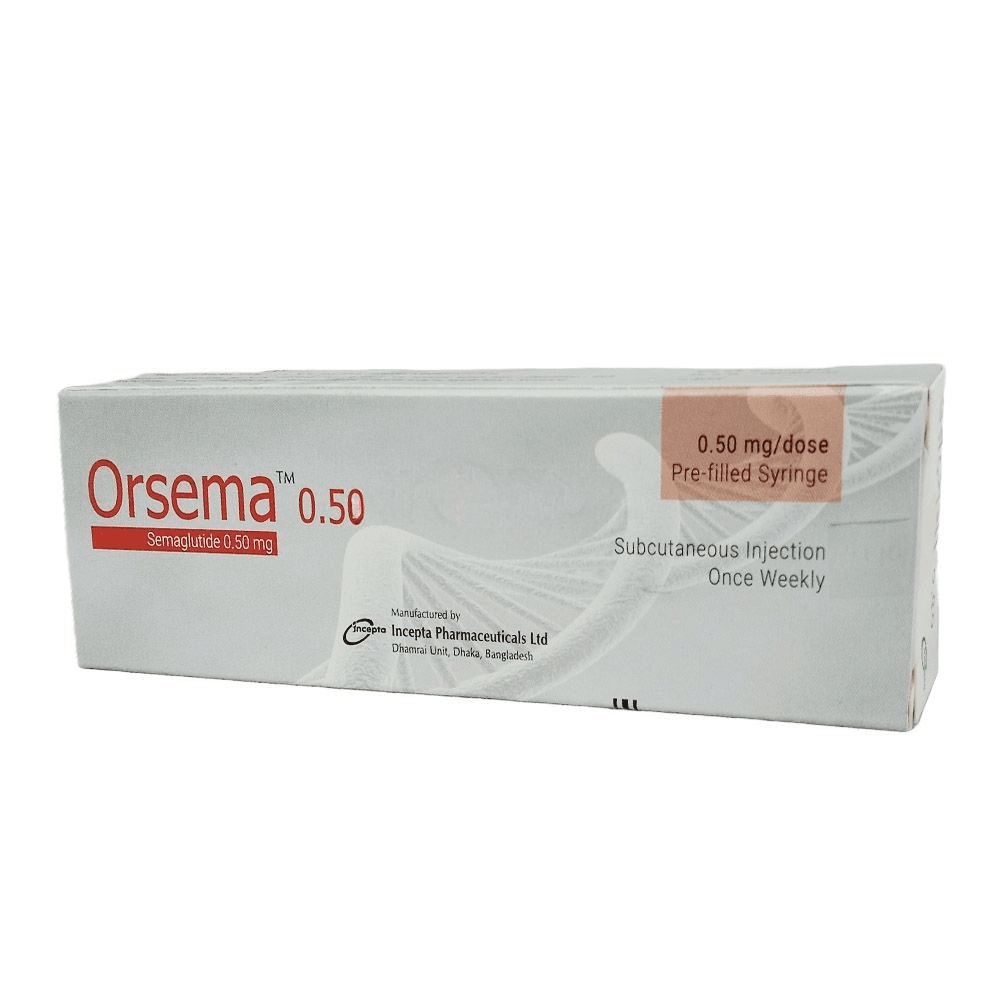

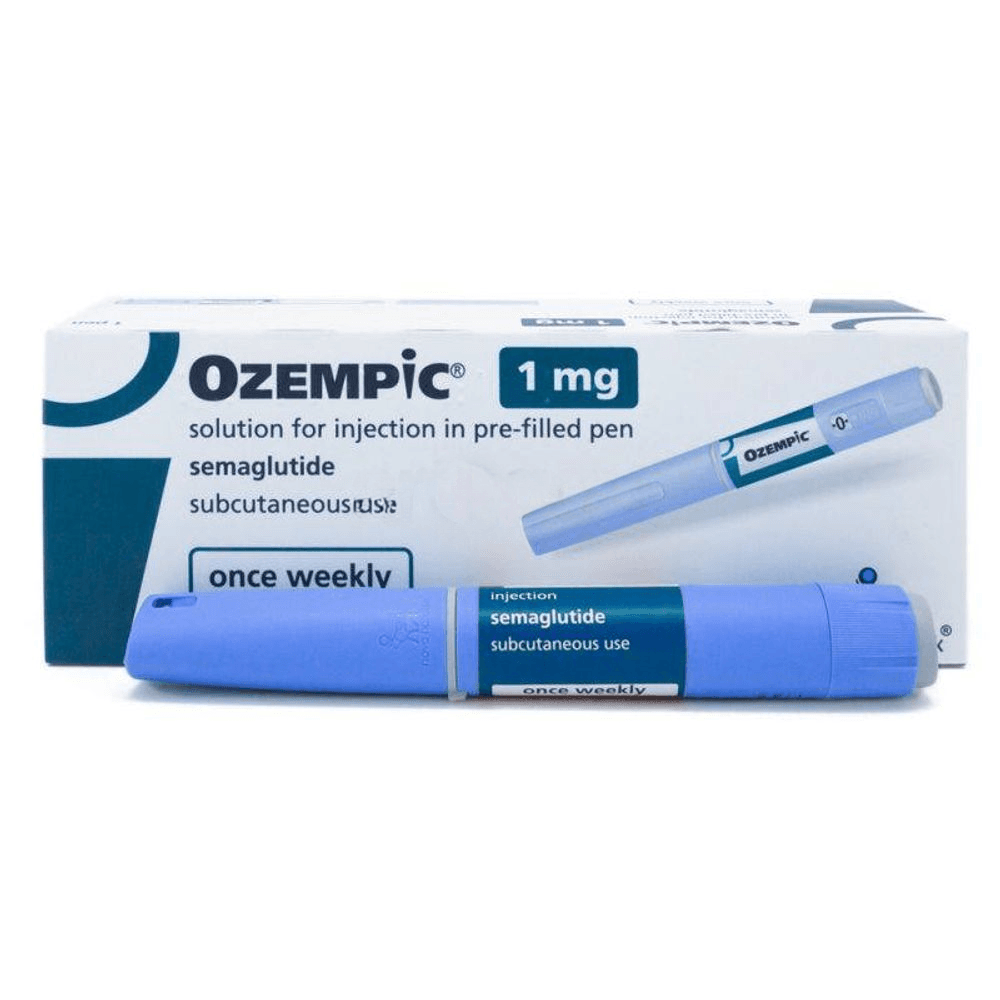

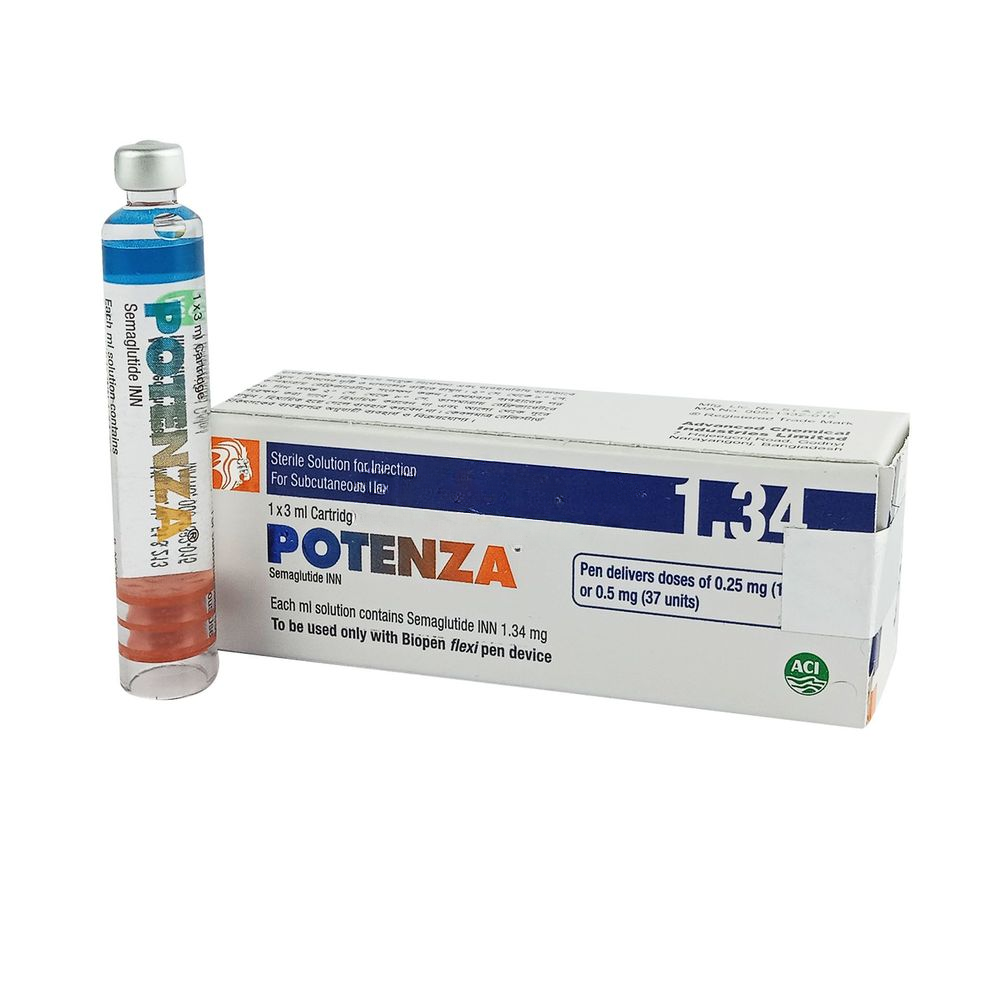
Indication: Type 2 Diabetes Mellitus
Administration: Subcutaneous (SC) injection — administer to abdomen, thigh, or upper arm. Inject once weekly, on the same day each week, at any time of day, with or without meals. The day of weekly administration may be changed if necessary, provided at least 48 hours have passed between doses. Use a different injection site each week when injecting in the same body region.
Adult Dose: Indicated as an adjunct to diet and exercise to improve glycemic control in adults with type 2 diabetes mellitus. Start with 0.25 mg SC weekly for 4 weeks, then increase to 0.5 mg weekly. If glycemic control is not achieved after ≥ 4 weeks on 0.5 mg, increase to 1 mg weekly. No dosage adjustment required for hepatic impairment.
Child Dose: Safety and efficacy not established (< 18 years).
Renal Dose: No dosage adjustment required for renal impairment.
Contraindication: Personal or family history of medullary thyroid carcinoma (MTC) or multiple endocrine neoplasia syndrome type 2 (MEN 2). Known hypersensitivity to semaglutide or any component of the product.
Mode of Action: Glucagon‑like peptide‑1 (GLP‑1) agonist. Enhances glucose‑dependent insulin secretion, suppresses inappropriate glucagon release, and slows gastric emptying.
Precaution: Use with caution in patients with a history of pancreatitis or severe gastrointestinal disease.
Side Effects: Common (> 10%): Nausea, symptomatic hypoglycemia. Occasional (1–10%): Vomiting, diarrhea, abdominal pain, constipation, dyspepsia, eructation, flatulence, GERD. Rare (< 1%): Gastritis, cholelithiasis, fatigue, dizziness, injection‑site reaction.
Pregnancy & Lactation: Limited data in pregnant women. Potential fetal risk based on animal studies — discontinue at least 2 months before planned pregnancy.
N/A