
Search products by name
Search medicines by name
0
0 item
৳ 0.00
Your Complete HealthCare Solution - Right Here


10657
info@shukhee.com
Telecom Bhaban (Level- 12), 53/1 Box Nagar, Zoo Road, Dhaka-1216.
৳ 0.00
10657
info@shukhee.com
Telecom Bhaban (Level- 12), 53/1 Box Nagar, Zoo Road, Dhaka-1216.


Products

Payment

Delivery
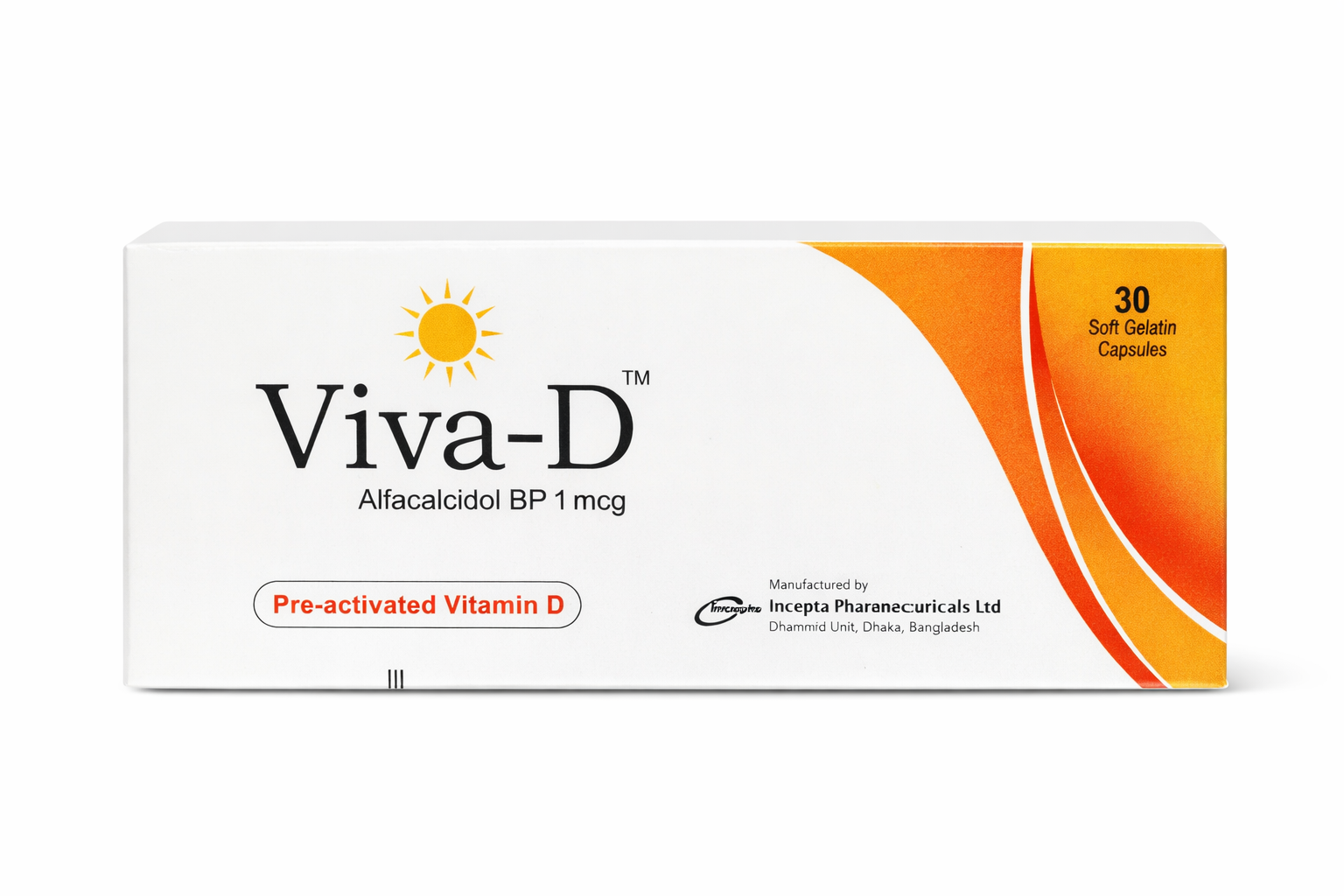
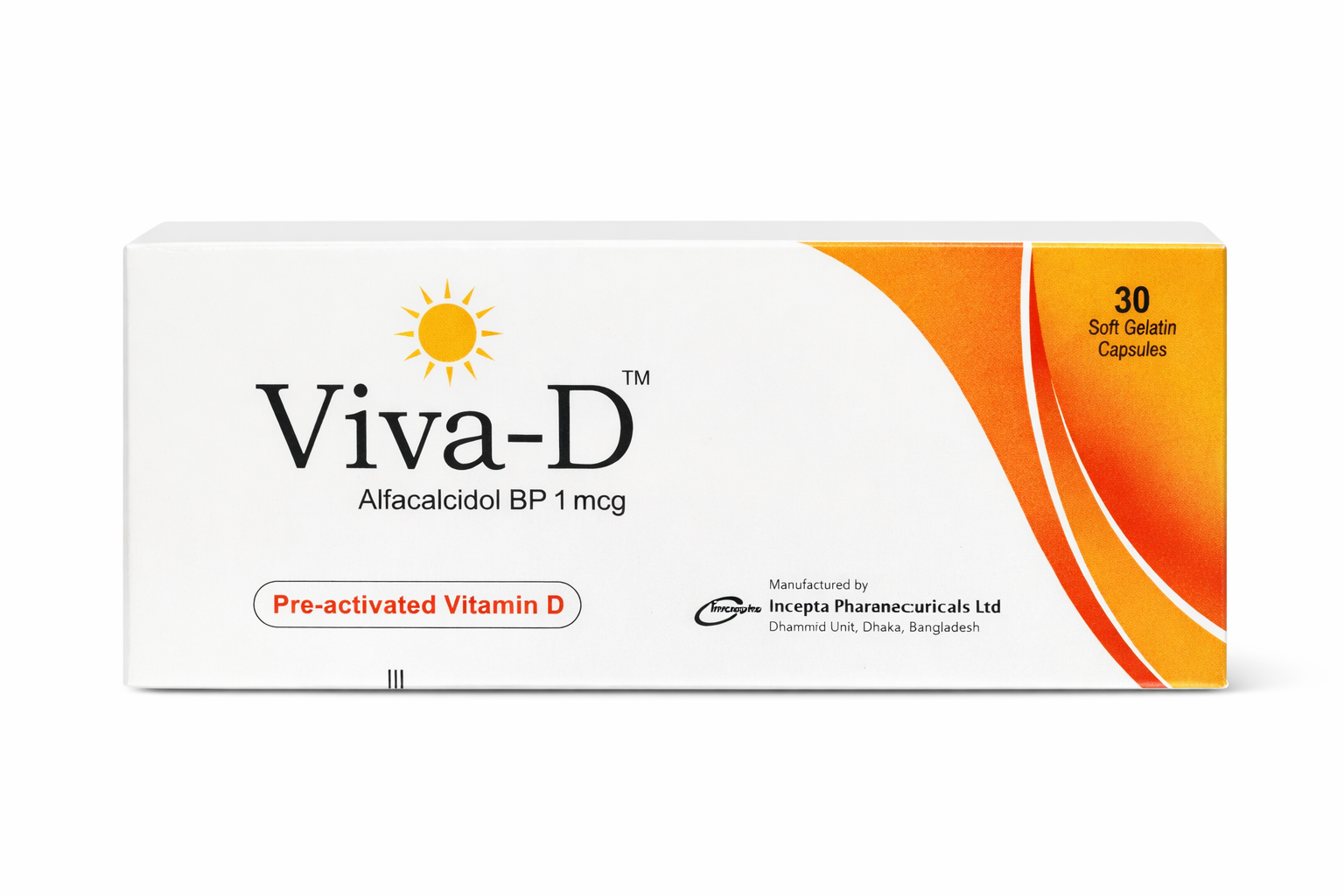
Indications Viva‑D™ is indicated in adult patients with chronic renal failure for the management of hypocalcemia, secondary hyperparathyroidism, and renal osteodystrophy.
Pharmacology Alfacalcidol enhances intestinal absorption of calcium and phosphorus, promotes calcium reabsorption from bone, and may increase renal calcium reabsorption. Clinical improvement in bone pain and muscle weakness usually occurs within 2 weeks to 3 months of therapy. Calcium malabsorption is rapidly corrected. Plasma alkaline phosphatase and parathyroid hormone (PTH) levels typically decline within 3 months, while calcium normalization may take longer due to bone mineralization.
Dosage & Administration
Initial dose: 0.25 mcg/day for the first 2 months. If hypercalcemia occurs, reduce to 0.25 mcg on alternate days.
Maintenance dose: Most patients require 0.5 mcg/day; up to 1 mcg/day may be needed. Monitor serum calcium and phosphate monthly. If hypercalcemia develops, reduce the dose by 50 % and stop calcium supplements until levels normalize.
Pediatrics: Safety and efficacy not established.
Interactions Thiazide diuretics may increase hypercalcemia risk. Antiepileptics (carbamazepine, phenobarbital, phenytoin, primidone) may raise vitamin D requirements. Rifampicin, isoniazid, and corticosteroids may reduce vitamin D efficacy.
Contraindications Contraindicated in hypersensitivity to Alfacalcidol or any component of the formulation, and in patients with hypercalcemia, hyperphosphatemia, or vitamin D overdose.
Side Effects Possible effects include elevated BUN, albuminuria, hypercholesterolemia, increased AST/ALT, anorexia, weight loss, thirst, dry mouth, metallic taste, cardiac arrhythmia, hypertension, conjunctivitis, photophobia, rhinorrhea, psychosis, headache, vertigo, gastrointestinal disturbances, pruritus, muscle or bone pain, polyuria, nocturia, fatigue, and weakness.
Pregnancy & Lactation Use only if clearly necessary. Hypercalcemia during pregnancy may cause congenital disorders. Animal studies show reproductive toxicity. Alfacalcidol may be excreted in breast milk; breastfeeding should be avoided during treatment.
Precautions & Warnings Use with caution in pregnancy, lactation, renal impairment, infants, and elderly. Monitor serum calcium in renal failure. Avoid in hypercalciuria or history of renal stones. Do not use in patients hypersensitive to propylene glycol.
Therapeutic Class Vitamin D preparations for bone formation.
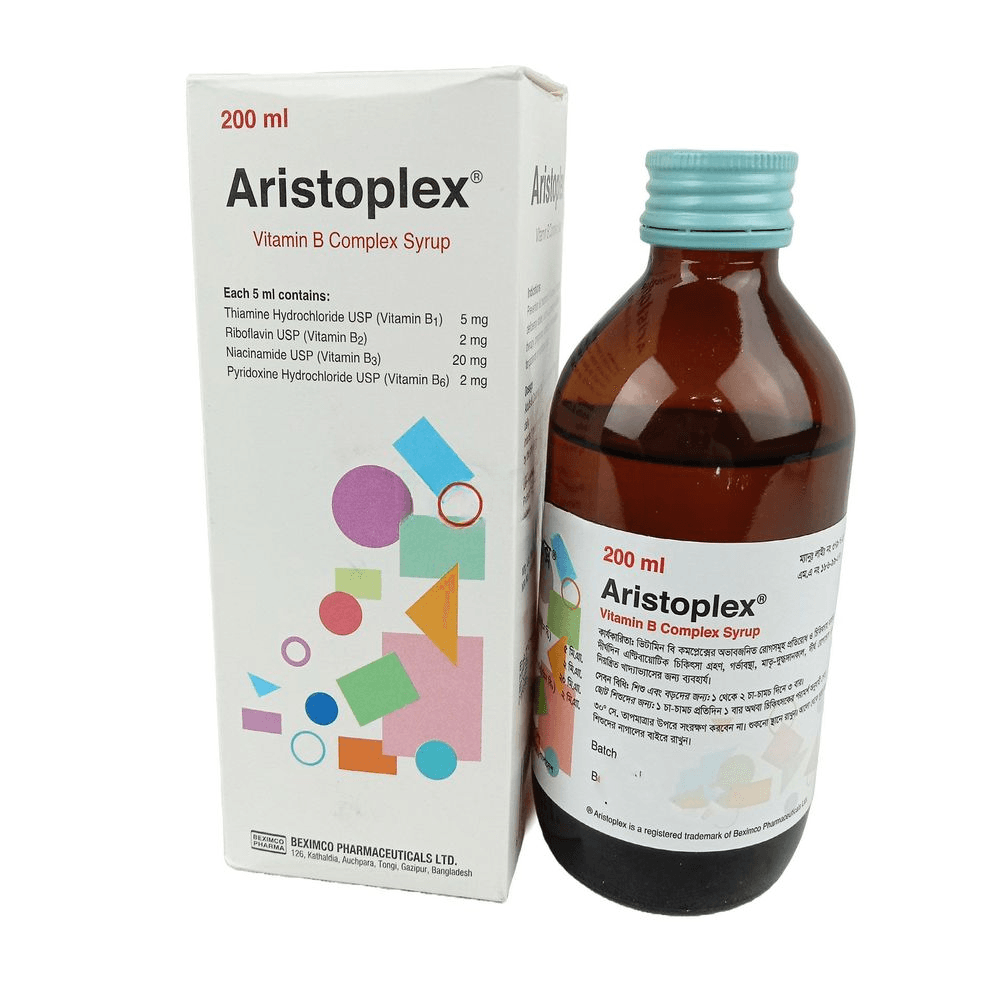
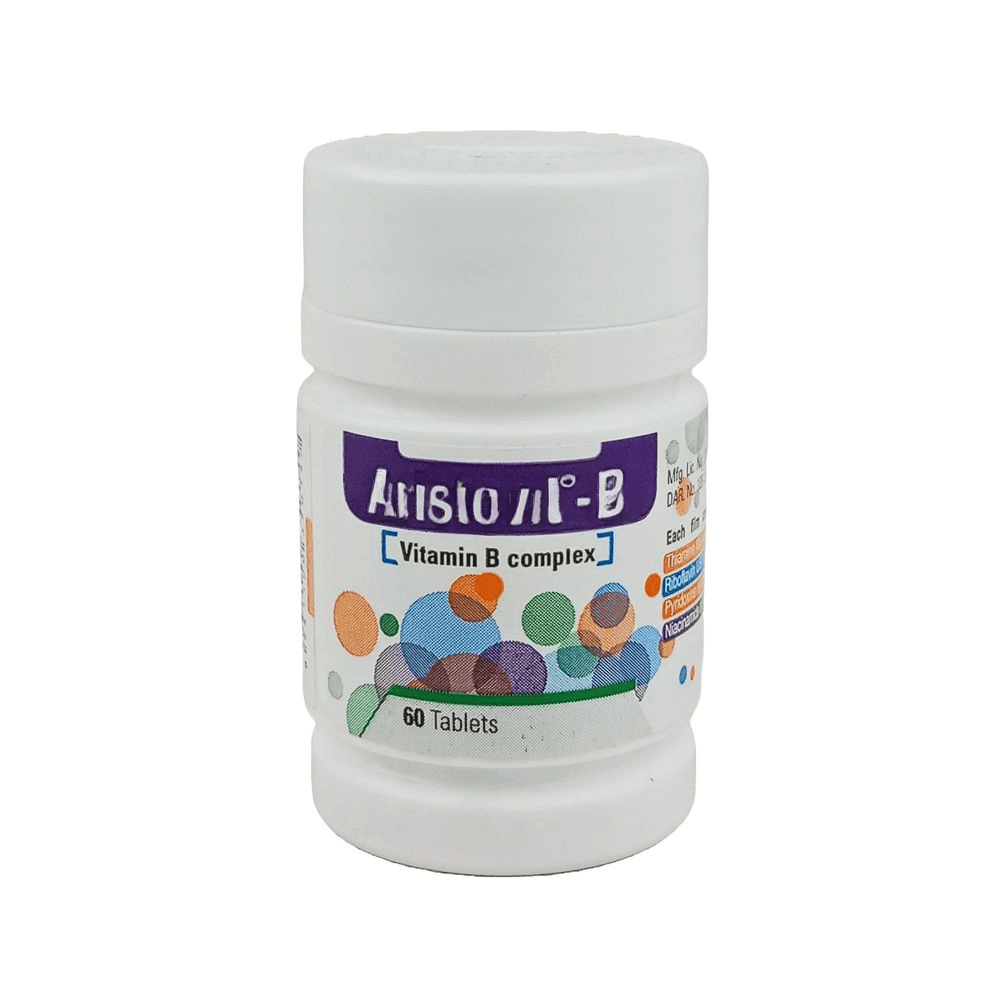
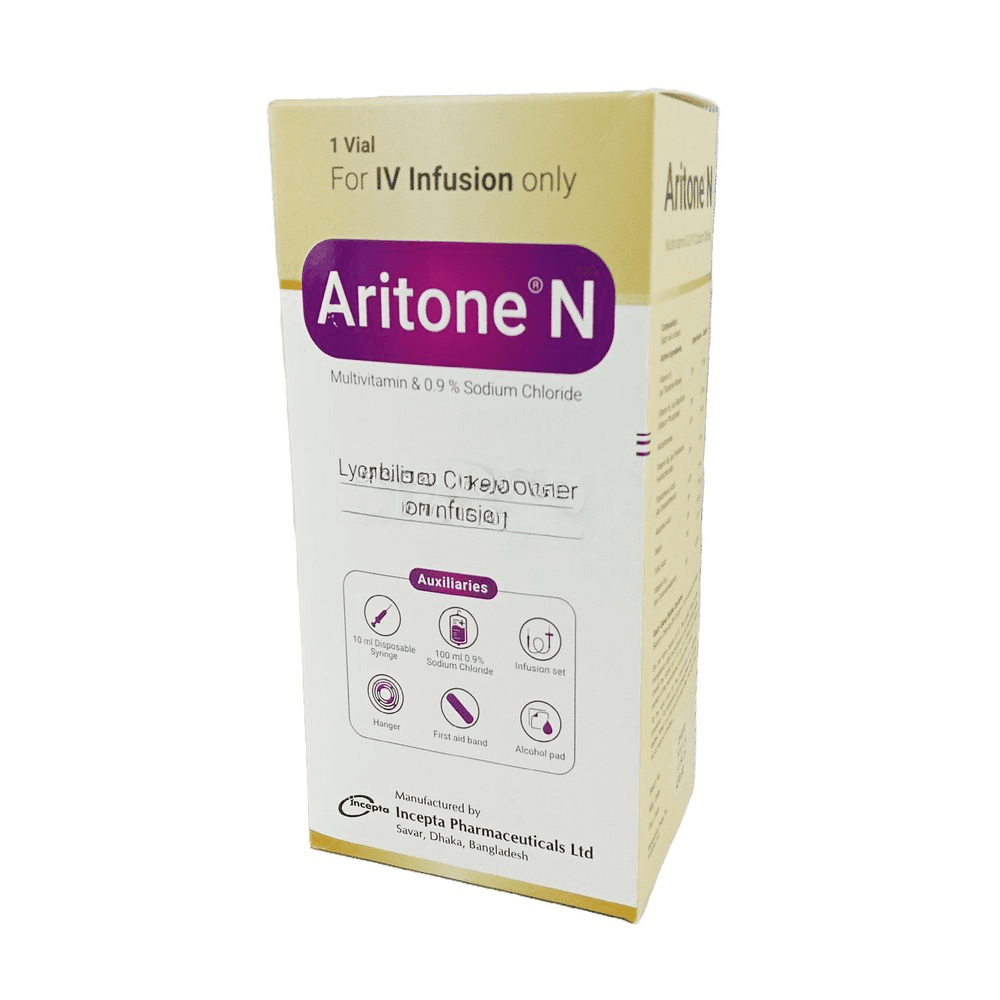
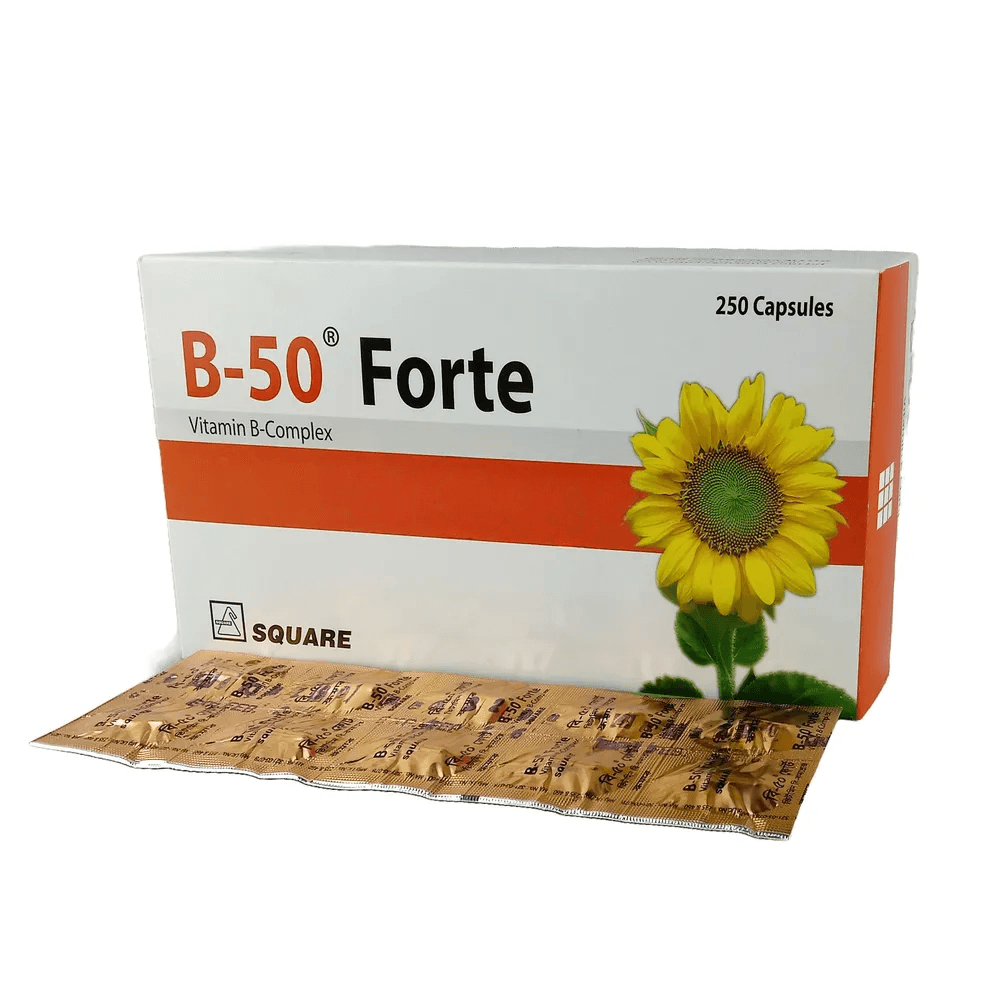
Hypoparathyroidism, Hypocalcaemia, Renal osteodystrophy, Hypophosphataemia, Rickets or osteomalacia
Administration Should be taken with food.
Adult: PO Hypocalcaemia; Hypoparathyroidism; Hypophosphataemia; Renal osteodystrophy; Rickets or osteomalacia Initial: 1 mcg/day. Maintenance: 0.25-1 mcg/day.\r\n\r\nElderly: 0.5 mcg daily.\r\n\r\n
Child: PO: Premature infants and neonates: 0.05-0.1 mcg/kg daily; <20 kg: 0.05 mcg/kg daily.
Hypercalcaemia, metastatic calcification, hyperphosphataemia (except when occurring with hypoparathyroidism), hypermagnesaemia.
Alfacalcidol is a precursor of the active calcitriol. It does not require renal hydroxylation but requires 25-hydroxylation in the liver for conversion to calcitriol.
Pregnancy, lactation, renal impairment, infants, elderly. Monitor serum levels of calcium in patients with renal failure. Caution in hypercalciuria esp in those with history of renal calculi. Avoid in patients with hypersensitivity to inj. containing propylene glycol.
Anorexia, nausea, vomiting, diarrhoea, lassitude, polyuria, sweating, headache, thirst, vertigo, pruritus, rash, urticaria. Hypercalcaemia, hypercalciuria and ectopic calcification. \r\n\r\nIn case of renal impairment, hyperphosphataemia. In hypercalcaemic dialysis patients, possibility of calcium influx from the dialysate should be considered.
Thiazides may increase the risk of hypercalcaemia. Some antiepileptics e.g. carbamazepine, phenobarbital, phenytoin and primidone may increase vitamin D requirements. Rifampicin, isoniazid and corticosteroids may reduce the efficacy of vitamin D.
N/A