
Search products by name
Search medicines by name
0
0 item
৳ 0.00
Your Complete HealthCare Solution - Right Here


10657
info@shukhee.com
Telecom Bhaban (Level- 12), 53/1 Box Nagar, Zoo Road, Dhaka-1216.
৳ 0.00
10657
info@shukhee.com
Telecom Bhaban (Level- 12), 53/1 Box Nagar, Zoo Road, Dhaka-1216.


Quantity:

Products

Payment

Delivery
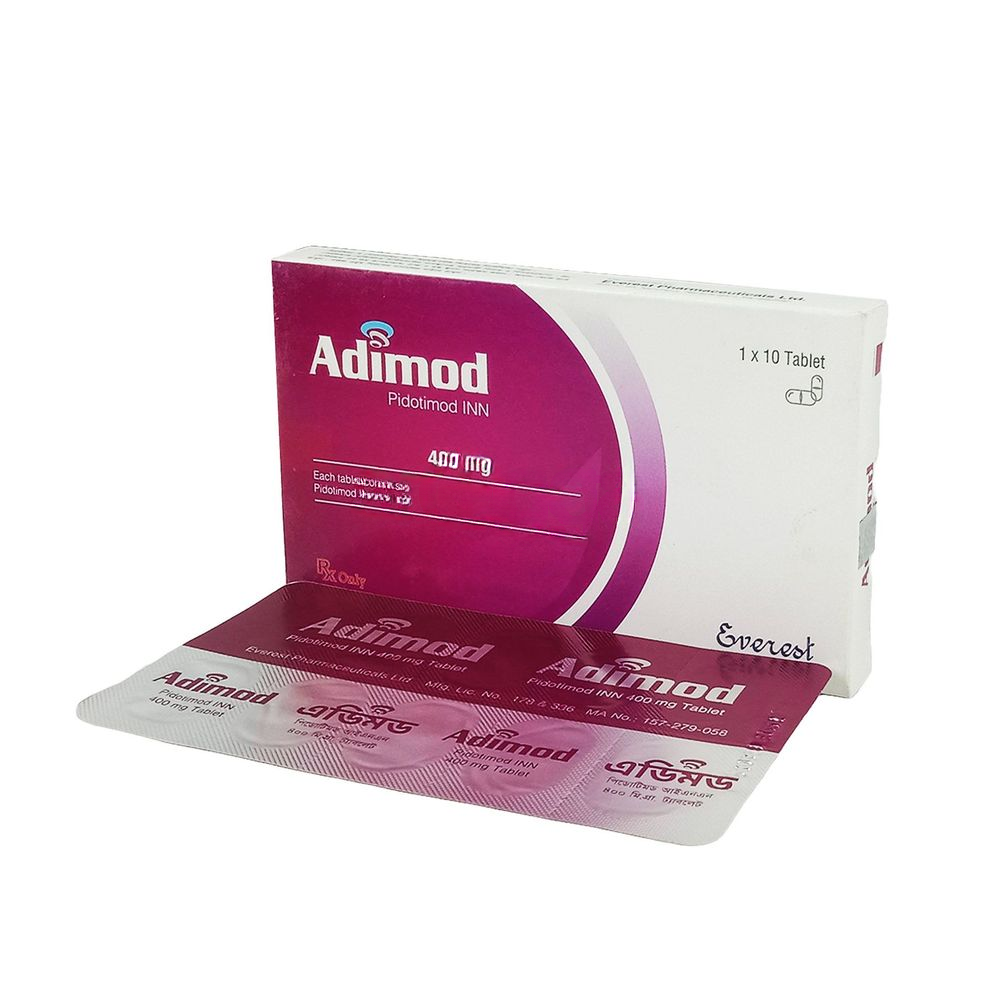
Indications: Adimod is an immunostimulant that boosts the immune system in immunodeficiency conditions that predispose individuals to frequent infections, especially respiratory tract infections. It is indicated for recurrent upper and lower respiratory tract infections in children and adults, acute respiratory tract infections, asthma, chronic obstructive pulmonary disease (COPD), chronic bronchitis, rhinitis, sinusitis, pneumonia, and immunological disorders.
Pharmacology: Pidotimod reinforces and stimulates both humoral immunity and cellular immunity mediated by T‑lymphocytes. It also stimulates macrophage migration, which is essential for phagocytosis and elimination of infectious agents. Its protective effect is not due to intrinsic antimicrobial activity but to its immunostimulant properties. Pidotimod is rapidly absorbed after oral administration, with peak plasma concentration reached in 1.5 hours. Oral bioavailability is 42–44%. Food delays absorption and reduces bioavailability by up to 50%, so it should be taken two hours before or after meals. It is widely distributed, undergoes little hepatic metabolism, has poor plasma protein binding, and is eliminated mainly in urine with a half‑life of about 4 hours.
Dosage & Administration:
Acute phase (Adults): 2 tablets of 400 mg or 1 tablet of 800 mg twice daily for 15 days.
Acute phase (Children/Elderly): 1 tablet of 400 mg twice daily for 15 days.
Prophylactic phase (Adults): 2 tablets of 400 mg or 1 tablet of 800 mg once daily for 60 days.
Prophylactic phase (Children/Elderly): 1 tablet of 400 mg once daily for 60 days.
Missed dose: Take as soon as remembered unless it is close to the next dose; do not double doses.
Interactions: Adimod does not interfere with antibiotics but may interact with drugs affecting lymphocyte activity (e.g., thymostimulin) or IgG‑related mechanisms. Food reduces absorption and bioavailability.
Contraindications: Not to be used with immunosuppressive therapy or in patients with hypersensitivity to Pidotimod.
Side Effects: Generally well tolerated. Rarely diarrhea may occur. At high doses, sedation, asthenia, dyspnea, and cyanosis have been reported.
Pregnancy & Lactation: Not recommended during the first trimester. Use only under medical supervision if benefits outweigh risks. It is not secreted in breast milk.
Precautions & Warnings: Inform the doctor of allergies, kidney disease, diabetes, or other medications. Use cautiously in children under 12. Alcohol consumption is not advisable. Smoking may worsen symptoms. No evidence of carcinogenic, mutagenic, teratogenic, or fertility‑altering effects.
Use in Special Populations:
Pediatrics (<3 years): Not recommended. Consult a doctor for dosing based on weight, age, and infection severity.
Geriatrics: Use cautiously, especially in patients with kidney disease.
Overdose Effects: No clinical data on overdose beyond recommended doses. Acute toxicity is low. Reported symptoms (sedation, asthenia, dyspnea, cyanosis) resolved within 24 hours after discontinuation and supportive care.
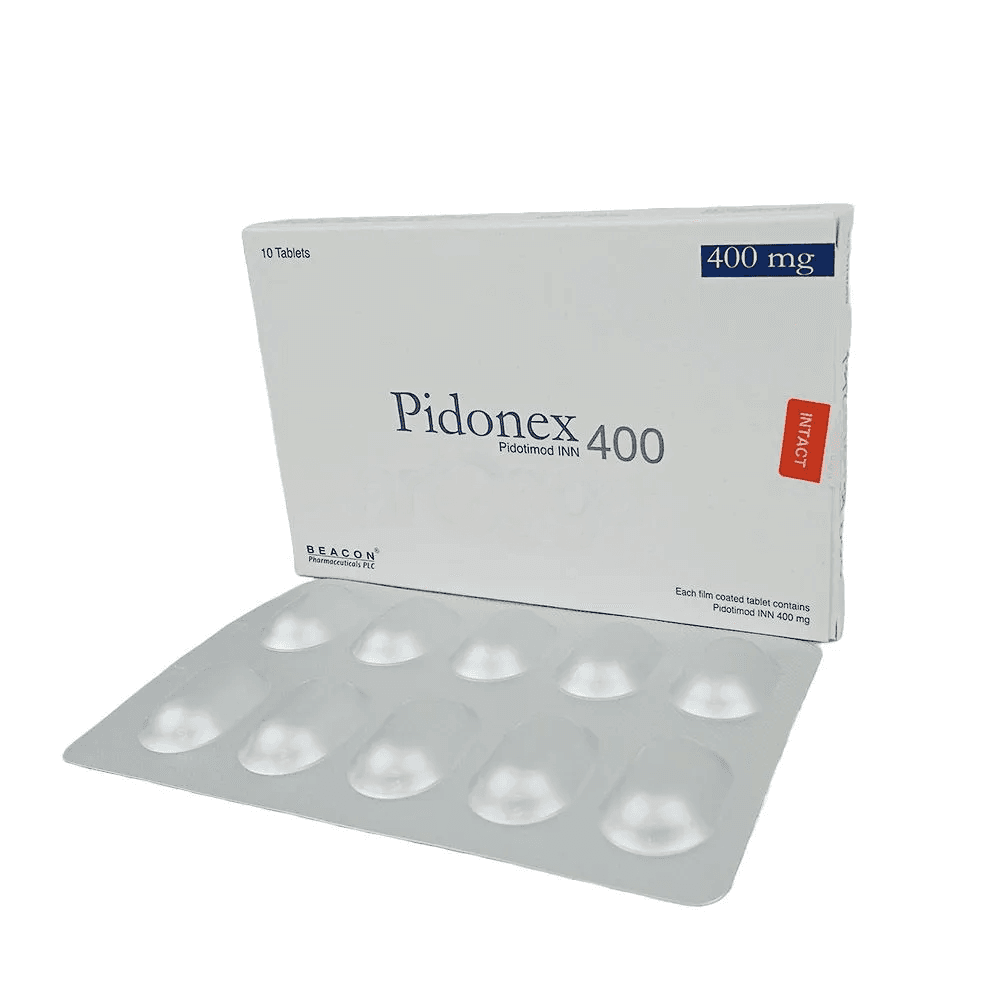
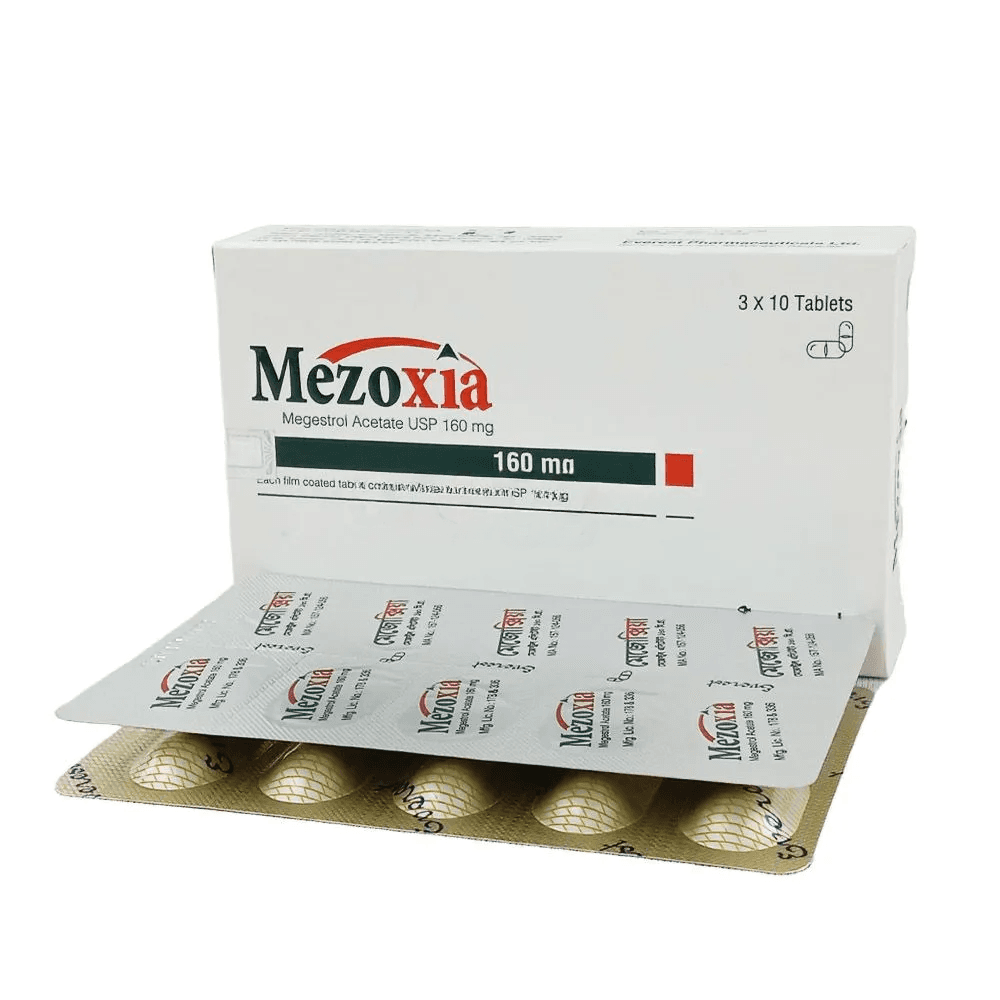
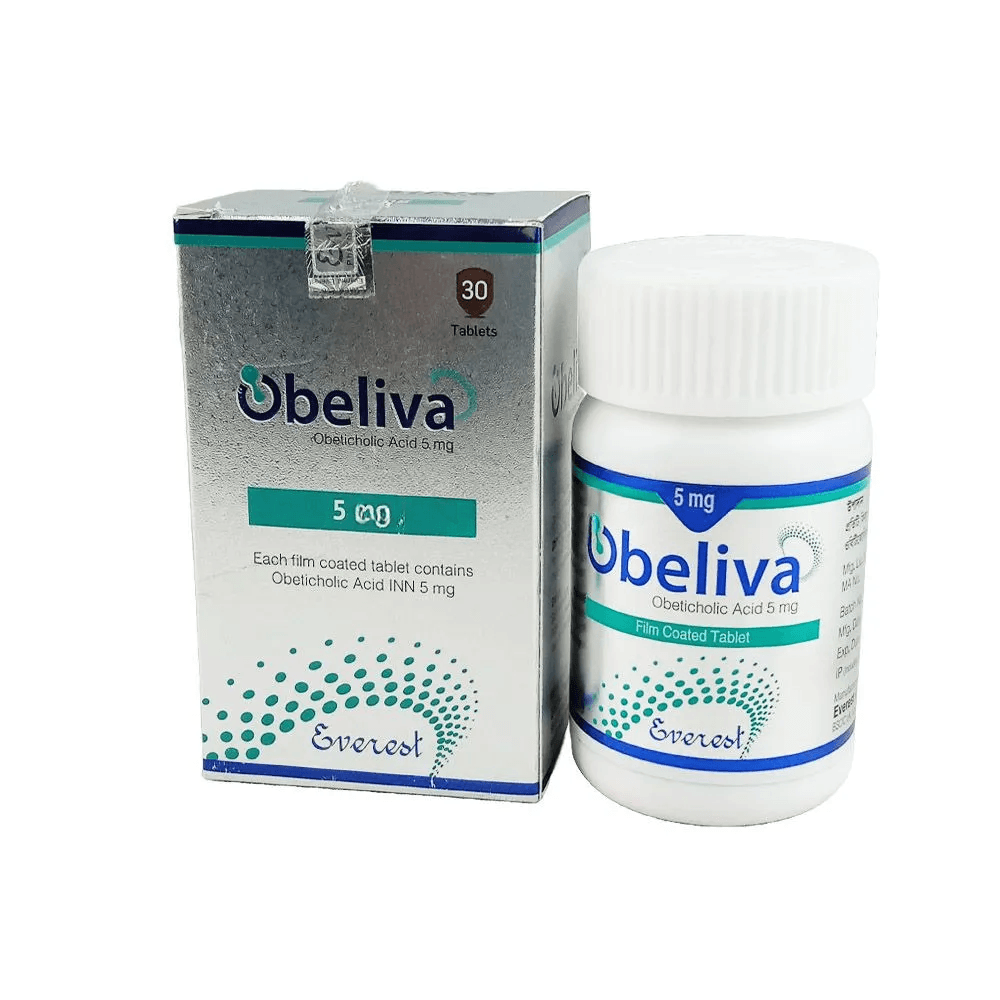
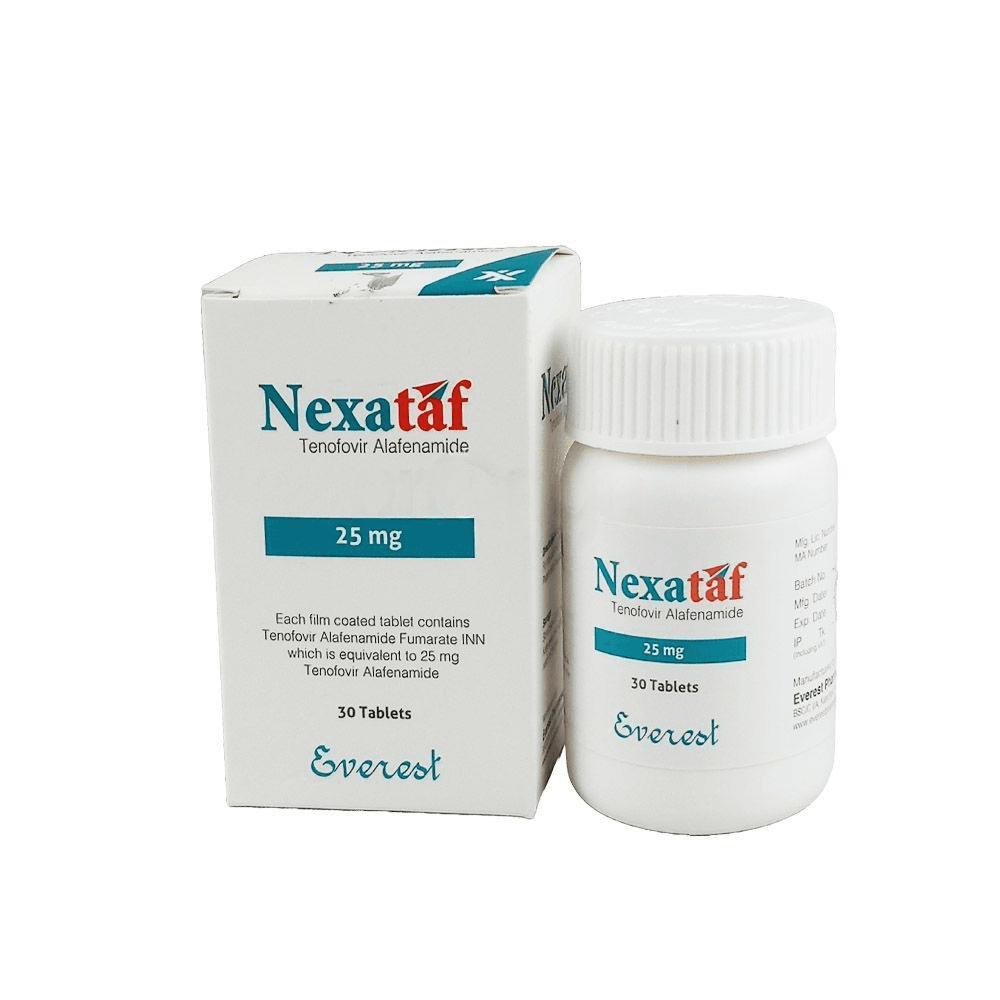
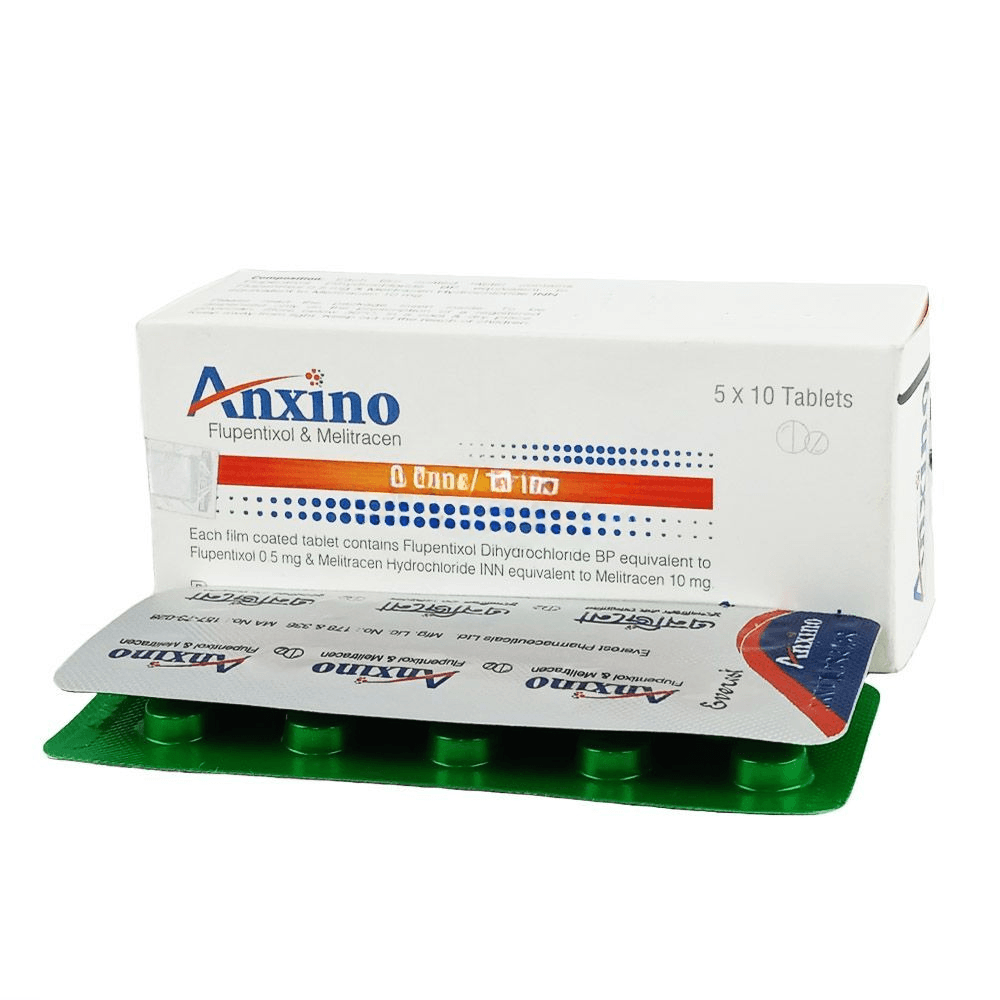
Pidotimod is an immunomodulatory medicine used to enhance the body’s immune response. It helps stimulate both innate and adaptive immunity, making the body more capable of fighting infections, especially in recurrent respiratory tract infections.
Pidotimod is used in recurrent respiratory infections (like bronchitis, sinusitis, tonsillitis) and in patients with weakened immunity. It helps reduce frequency and severity of infections and improves immune defense.