
Search products by name
Search medicines by name
0
0 item
৳ 0.00
Your Complete HealthCare Solution - Right Here


10657
info@shukhee.com
Telecom Bhaban (Level- 12), 53/1 Box Nagar, Zoo Road, Dhaka-1216.
৳ 0.00
10657
info@shukhee.com
Telecom Bhaban (Level- 12), 53/1 Box Nagar, Zoo Road, Dhaka-1216.


Quantity:

Products

Payment

Delivery
Glutathione is considered the body’s “master antioxidant”, playing a vital role in:
Free radical protection: Neutralizes reactive oxygen species (ROS) to prevent cellular damage.
Detoxification: Helps remove toxins, pollutants, and drug metabolites.
Immune support: Maintains healthy immune cell function.
Age-related decline: Levels decrease with aging, linked to conditions such as cancer, HIV/AIDS, type 2 diabetes, hepatitis, and Parkinson’s disease.
Lifestyle impact: Poor diet, stress, chemical exposure, and extreme exercise can deplete glutathione reserves.
Glutathione influences three key areas of immune health:
Gastrointestinal integrity: Protects intestinal mucosa, reduces epithelial permeability, and prevents bacterial translocation.
Mitochondrial protection: Shields mitochondria during ATP production, ensuring efficient energy metabolism.
Immune cell regulation: Maintains T-lymphocyte and NK cell activity; supplementation shown to double NK cell cytotoxicity in clinical trials.
Clinical studies (European Journal of Nutrition, 2015) show oral supplementation at 250 mg to 1,000 mg daily for 6 months increases glutathione levels in blood, erythrocytes, and buccal cells.
Setria glutathione demonstrated significant uptake and immune benefits.
Possibly safe at doses up to 500 mg daily for 2 months.
Limited data on adverse effects.
Insufficient evidence for safety.
Recommendation: Avoid use unless advised by a healthcare professional.
Oral use: Possibly safe short-term.
Inhalation: Avoid if you have asthma, as it may worsen symptoms.
Topical use: Limited data; may cause rash.
Pregnancy/Breastfeeding: Not enough reliable information—avoid use.

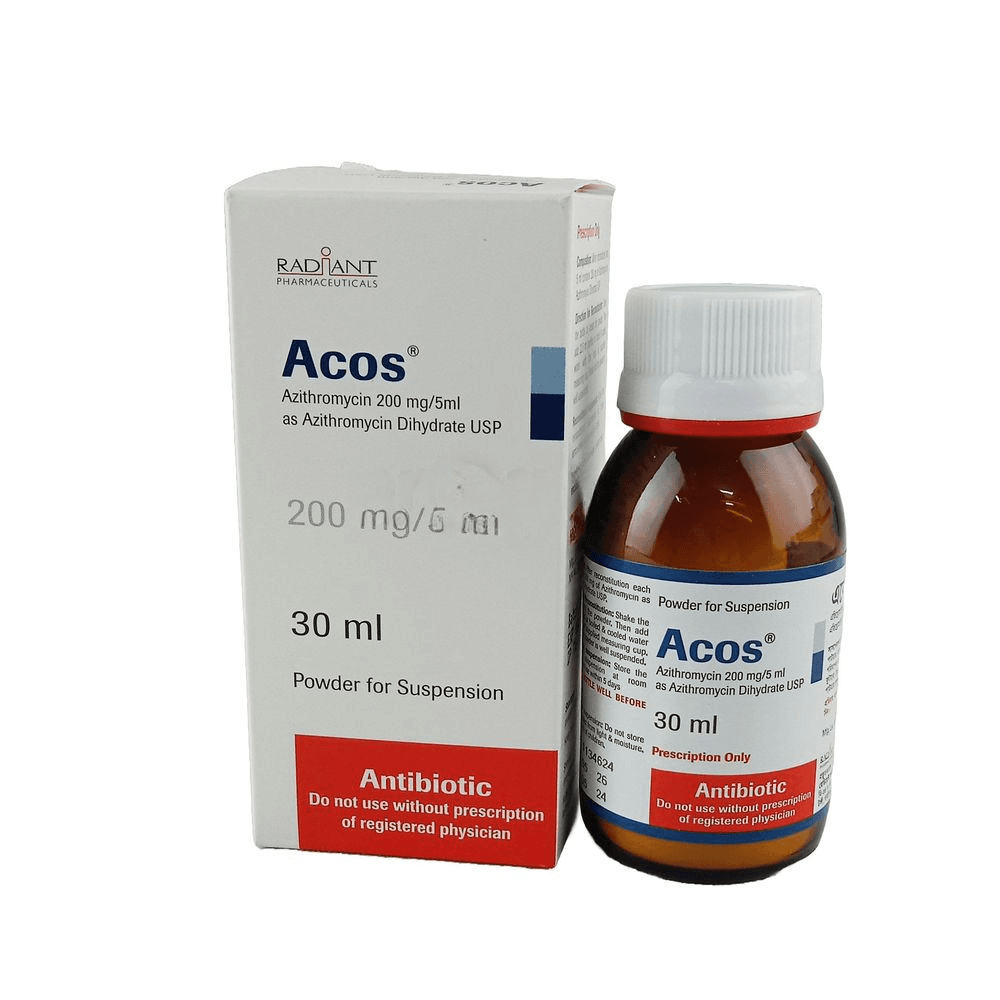
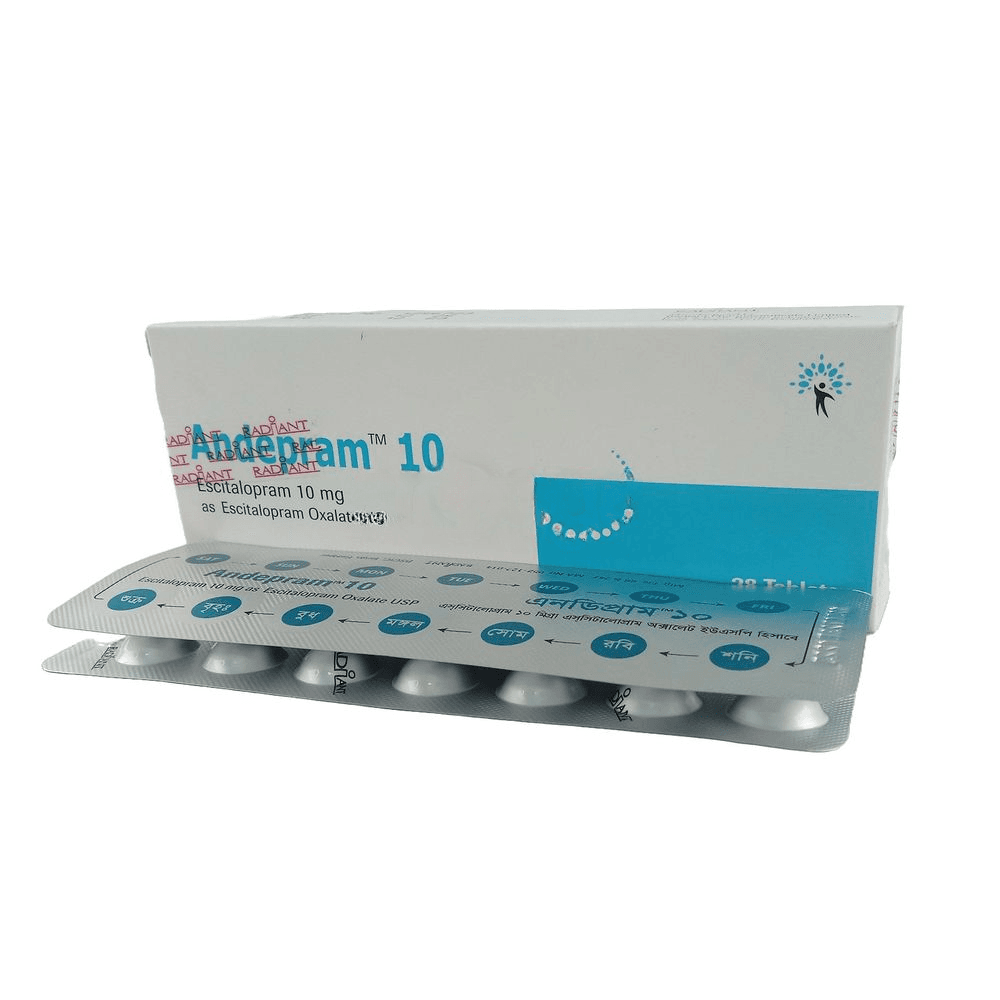
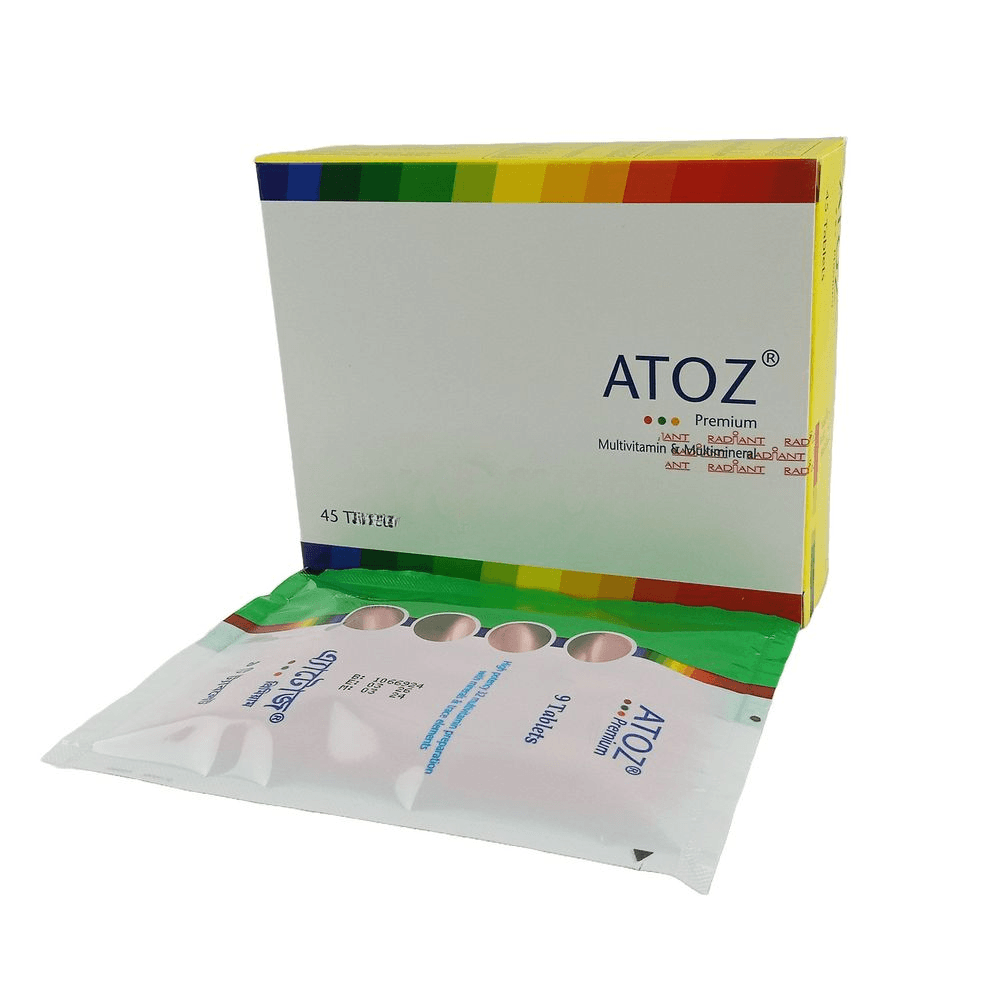
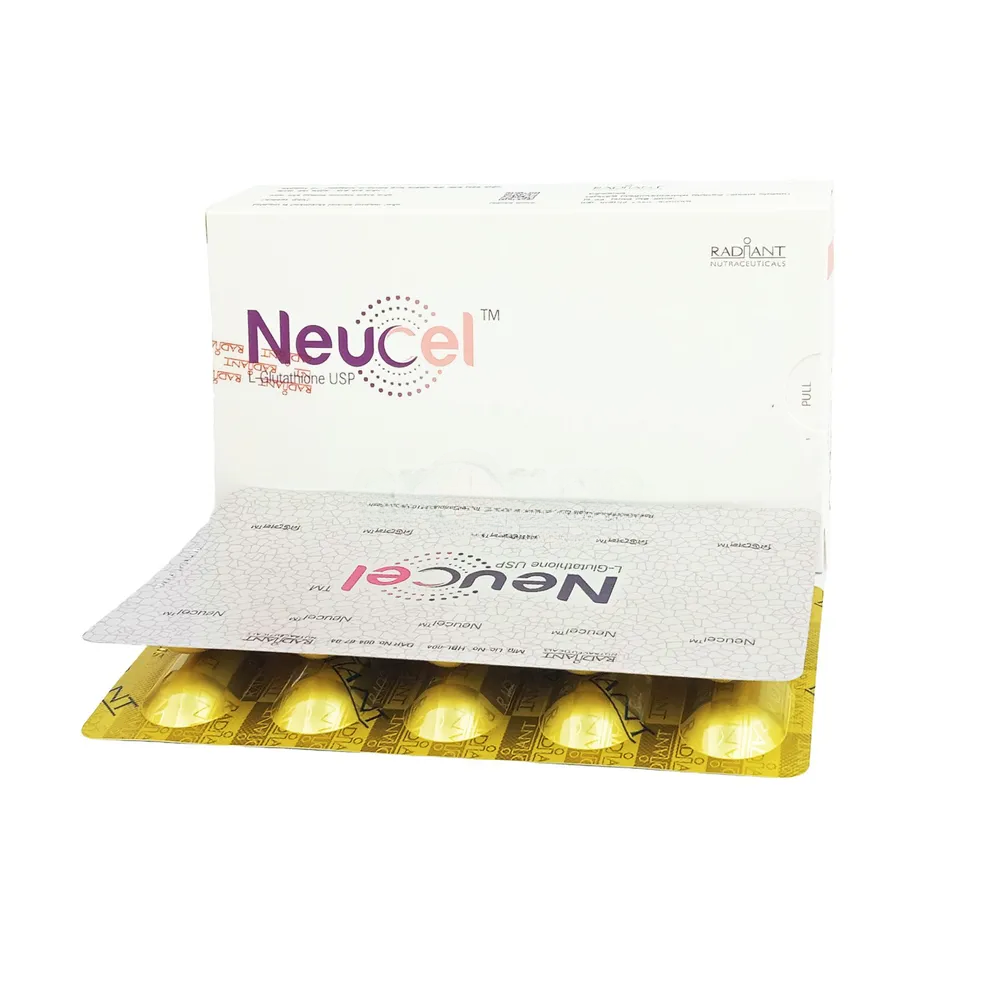
L-Glutathione is a naturally occurring tripeptide composed of glutamine, cysteine, and glycine. It is a powerful antioxidant found in cells, playing a key role in detoxification, immune function, and maintaining cellular health. It is also used as a supplement and in some therapeutic settings.
Antioxidant and detoxifying agent (endogenous tripeptide).
Supports antioxidant defense, detoxification of harmful substances, immune system regulation, and skin health. Sometimes used in clinical settings for liver disease and oxidative stress.
Neutralizes free radicals and reactive oxygen species.
Regenerates other antioxidants such as vitamins C and E.
Participates in detoxification by conjugating toxins for excretion.
Maintains redox balance in cells.
Strong antioxidant capacity.
Supports liver function and detoxification.
Enhances immune response.
May improve skin tone and reduce pigmentation.
Widely available as oral, injectable, and topical formulations.
Oral capsules or tablets (various strengths).
Injectable forms (used clinically).
Topical creams for skin health.
Dose depends on indication and physician’s advice.
Protects cells from oxidative damage.
Supports liver health and detoxification.
Enhances immunity.
May promote skin brightening and reduce melanin production.
Helps in recovery from oxidative stress-related conditions.