
Search products by name
Search medicines by name
0
0 item
৳ 0.00
Your Complete HealthCare Solution - Right Here


10657
info@shukhee.com
Telecom Bhaban (Level- 12), 53/1 Box Nagar, Zoo Road, Dhaka-1216.
৳ 0.00
10657
info@shukhee.com
Telecom Bhaban (Level- 12), 53/1 Box Nagar, Zoo Road, Dhaka-1216.

Quantity:

Products

Payment

Delivery
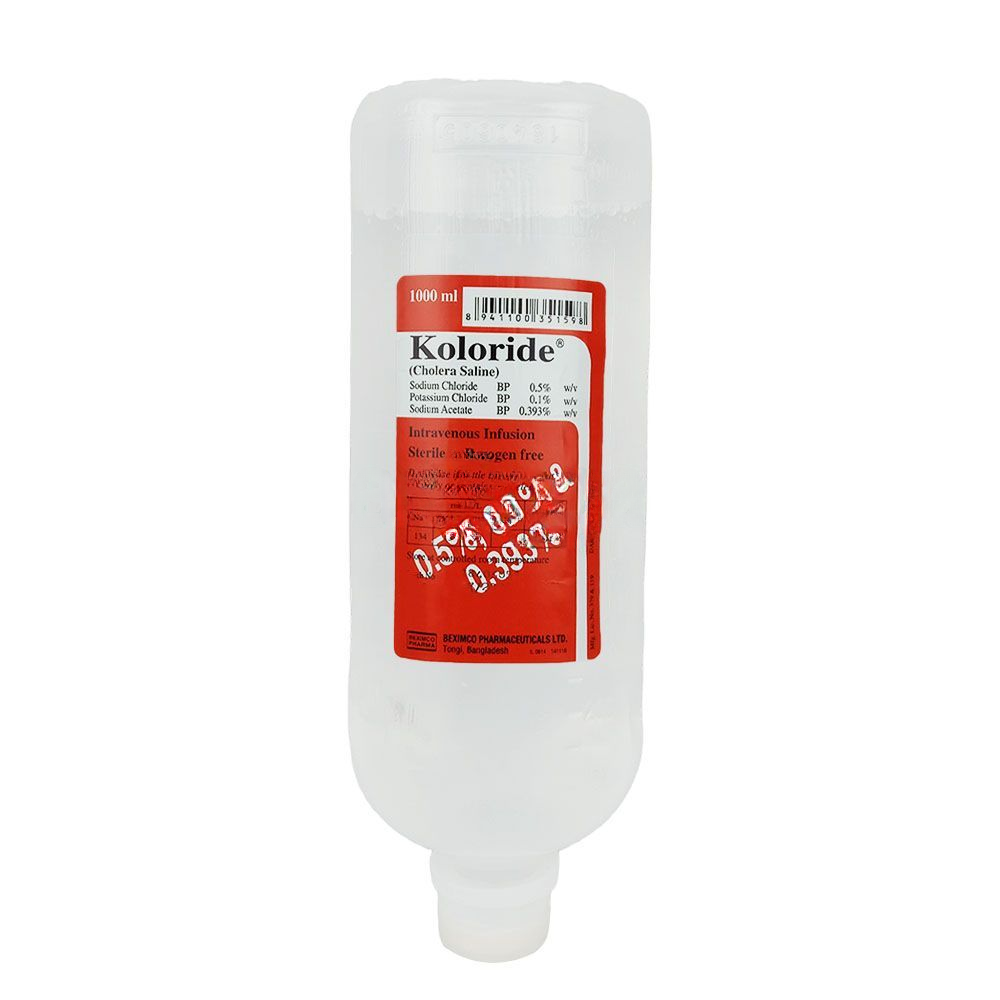
Diarrhea, Dehydration, Cholera, Vomiting, Fluid and electrolyte loss
Intravenous\r\nAccording to the requirements. \r\nThe volume and rate of infusion will depend upon the requirements of the patients and the judgement of the physician. It usually varies with age, weight and clinical condition of the patient. \r\nThe recommended flow rate is up to 100-drops/minute/70 kg body weight.
Kidney failure resulting in diminished production of urine (oliguria) Kidney failure, preventing production of urine (anuria)
Sodium plays an important role in controlling the total body water and its distribution. Sodium is the main cation in the extracellular fluid and comprises >90% of total cations. The acetate component is an alternate source of bicarbonate by metabolic conversion in the liver.\r\n\r\nPotassium chloride is a major cation of the intracellular fluid. It plays an active role in the conduction of nerve impulses in the heart, brain and skeletal muscle; contraction of cardiac skeletal and smooth muscles; maintenance of normal renal function, acid-base balance, carbohydrate metabolism and gastric secretion.\r\n\r\nSodium chloride is the major extracellular cation. It is important in electrolyte and fluid balance, osmotic pressure control and water distribution as it restores sodium ions. It is used as a source of electrolytes and water for hydration, treatment of metabolic acidosis, priming solution in haemodialysis and treatment of hyperosmolar diabetes. It is also used as diluents for infusion of compatible drug additives.
It should not be administered rapidly or for prolonged periods. Since the solution contains different electrolytes, it should be infused with caution in patients where electrolyte imbalance may cause detrimental effects; e.g. in pregnancy, renal impairment, heart failure, pulmonary congestion, etc. or to patients receiving potassium. sparing diuretics
Reactions which may occur because of the solution or the technique of administration include febrile response, infection at the site of injection, venous thrombosis or phlebitis extending from the site of injection, extravasation, and hypervolemia. Severe burning, pain, or swelling around the IV needle; Warmth, redness, oozing, or bleeding where the IV was placed; fever, ongoing cough.
Potassium Chloride: Potassium-sparing diuretics, ACE inhibitors, ciclosporin and potassium-containing drugs. Antimuscarinics delay gastric emptying time consequently increasing risk of GI adverse effects esp of solid oral dosage forms.\r\n\r\nSodium Chloride: May affect serum concentrations of lithium.\r\n\r\nSodium Acetate: May affect the absorption of certain drugs due to increased intra-gastric pH. May increase renal clearance of acidic drugs e.g. salicylates and barbiturates, and prolongs the half-life of basic drugs.

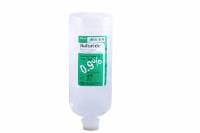
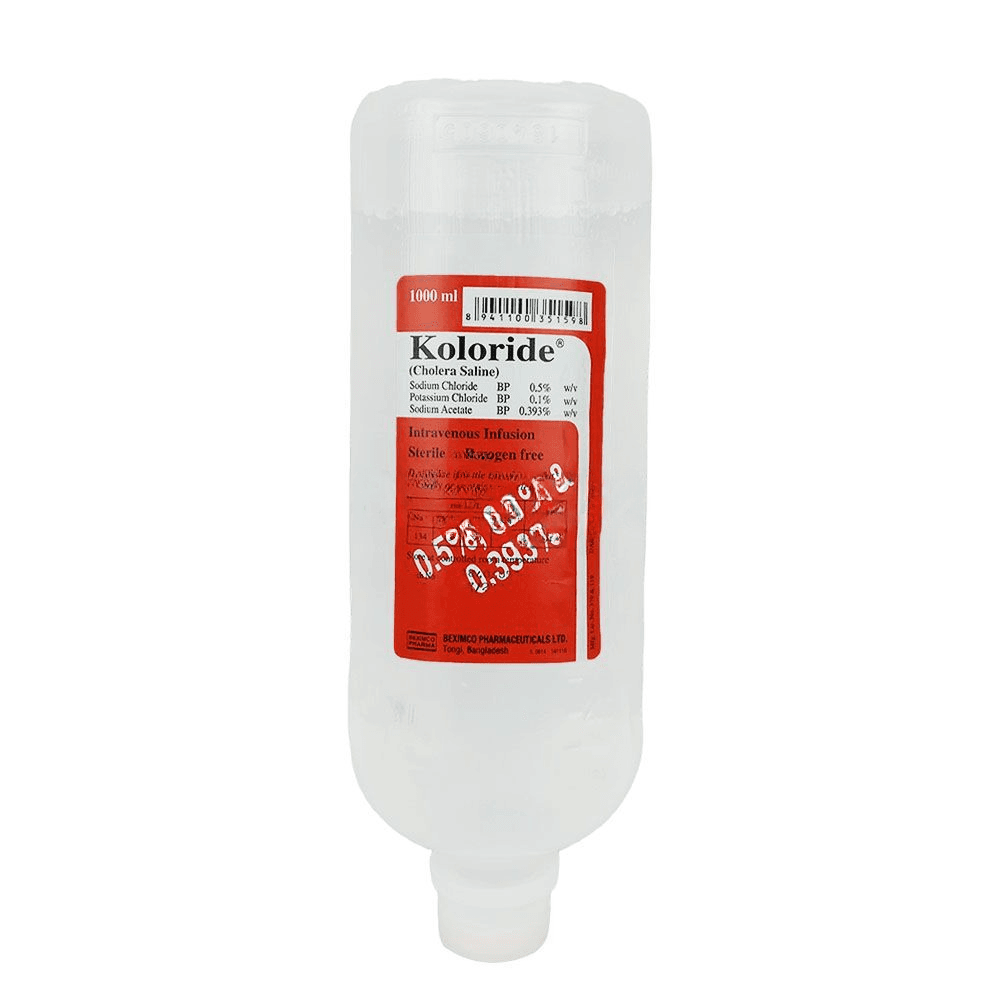
Diarrhea, Dehydration, Cholera, Vomiting, Fluid and electrolyte loss
Intravenous\r\nAccording to the requirements. \r\nThe volume and rate of infusion will depend upon the requirements of the patients and the judgement of the physician. It usually varies with age, weight and clinical condition of the patient. \r\nThe recommended flow rate is up to 100-drops/minute/70 kg body weight.
Kidney failure resulting in diminished production of urine (oliguria) Kidney failure, preventing production of urine (anuria)
Sodium plays an important role in controlling the total body water and its distribution. Sodium is the main cation in the extracellular fluid and comprises >90% of total cations. The acetate component is an alternate source of bicarbonate by metabolic conversion in the liver.\r\n\r\nPotassium chloride is a major cation of the intracellular fluid. It plays an active role in the conduction of nerve impulses in the heart, brain and skeletal muscle; contraction of cardiac skeletal and smooth muscles; maintenance of normal renal function, acid-base balance, carbohydrate metabolism and gastric secretion.\r\n\r\nSodium chloride is the major extracellular cation. It is important in electrolyte and fluid balance, osmotic pressure control and water distribution as it restores sodium ions. It is used as a source of electrolytes and water for hydration, treatment of metabolic acidosis, priming solution in haemodialysis and treatment of hyperosmolar diabetes. It is also used as diluents for infusion of compatible drug additives.
It should not be administered rapidly or for prolonged periods. Since the solution contains different electrolytes, it should be infused with caution in patients where electrolyte imbalance may cause detrimental effects; e.g. in pregnancy, renal impairment, heart failure, pulmonary congestion, etc. or to patients receiving potassium. sparing diuretics
Reactions which may occur because of the solution or the technique of administration include febrile response, infection at the site of injection, venous thrombosis or phlebitis extending from the site of injection, extravasation, and hypervolemia. Severe burning, pain, or swelling around the IV needle; Warmth, redness, oozing, or bleeding where the IV was placed; fever, ongoing cough.
Potassium Chloride: Potassium-sparing diuretics, ACE inhibitors, ciclosporin and potassium-containing drugs. Antimuscarinics delay gastric emptying time consequently increasing risk of GI adverse effects esp of solid oral dosage forms.\r\n\r\nSodium Chloride: May affect serum concentrations of lithium.\r\n\r\nSodium Acetate: May affect the absorption of certain drugs due to increased intra-gastric pH. May increase renal clearance of acidic drugs e.g. salicylates and barbiturates, and prolongs the half-life of basic drugs.
N/A