
Search products by name
Search medicines by name
0
0 item
৳ 0.00
Your Complete HealthCare Solution - Right Here


10657
info@shukhee.com
Telecom Bhaban (Level- 12), 53/1 Box Nagar, Zoo Road, Dhaka-1216.
৳ 0.00
10657
info@shukhee.com
Telecom Bhaban (Level- 12), 53/1 Box Nagar, Zoo Road, Dhaka-1216.
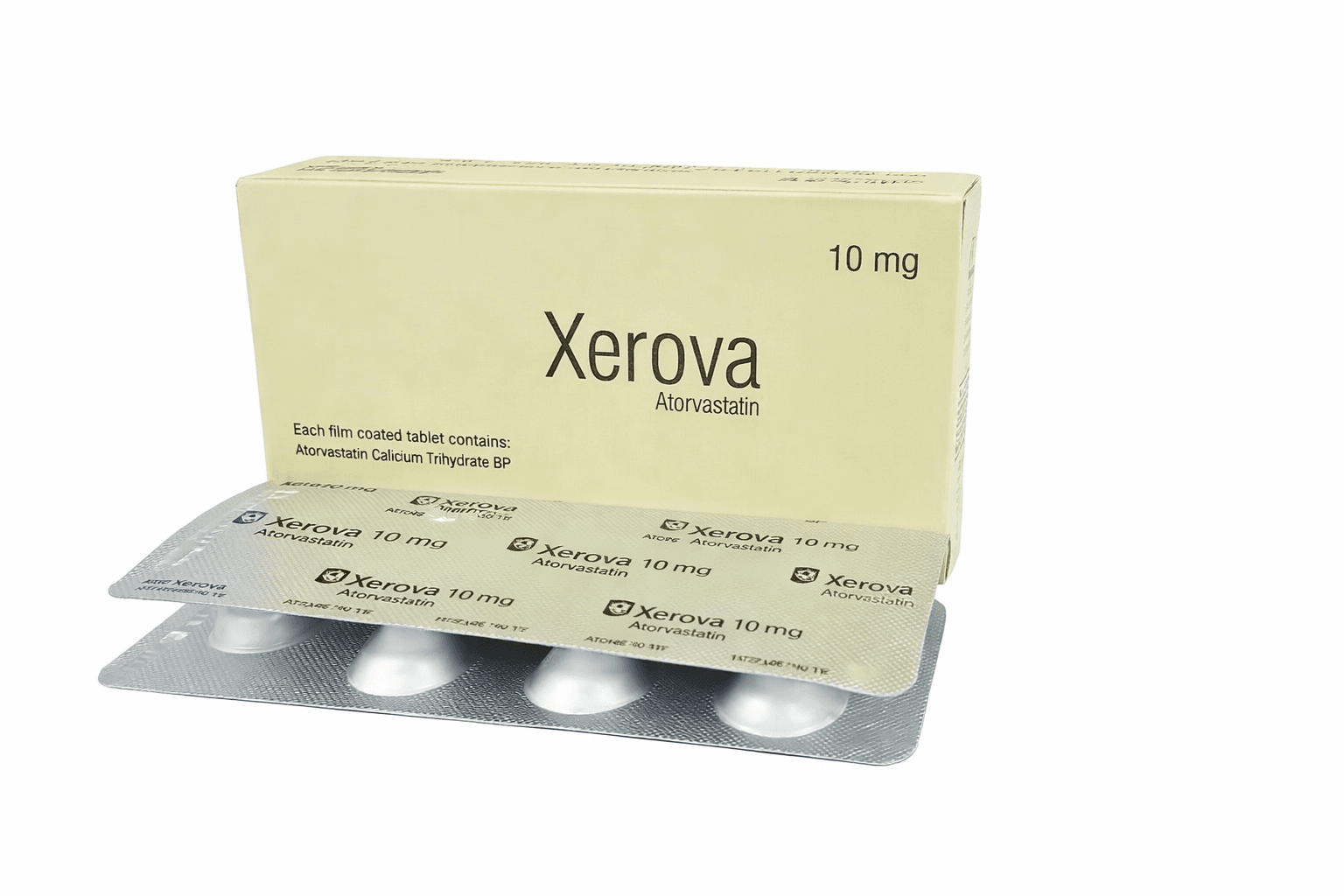

Products

Payment

Delivery
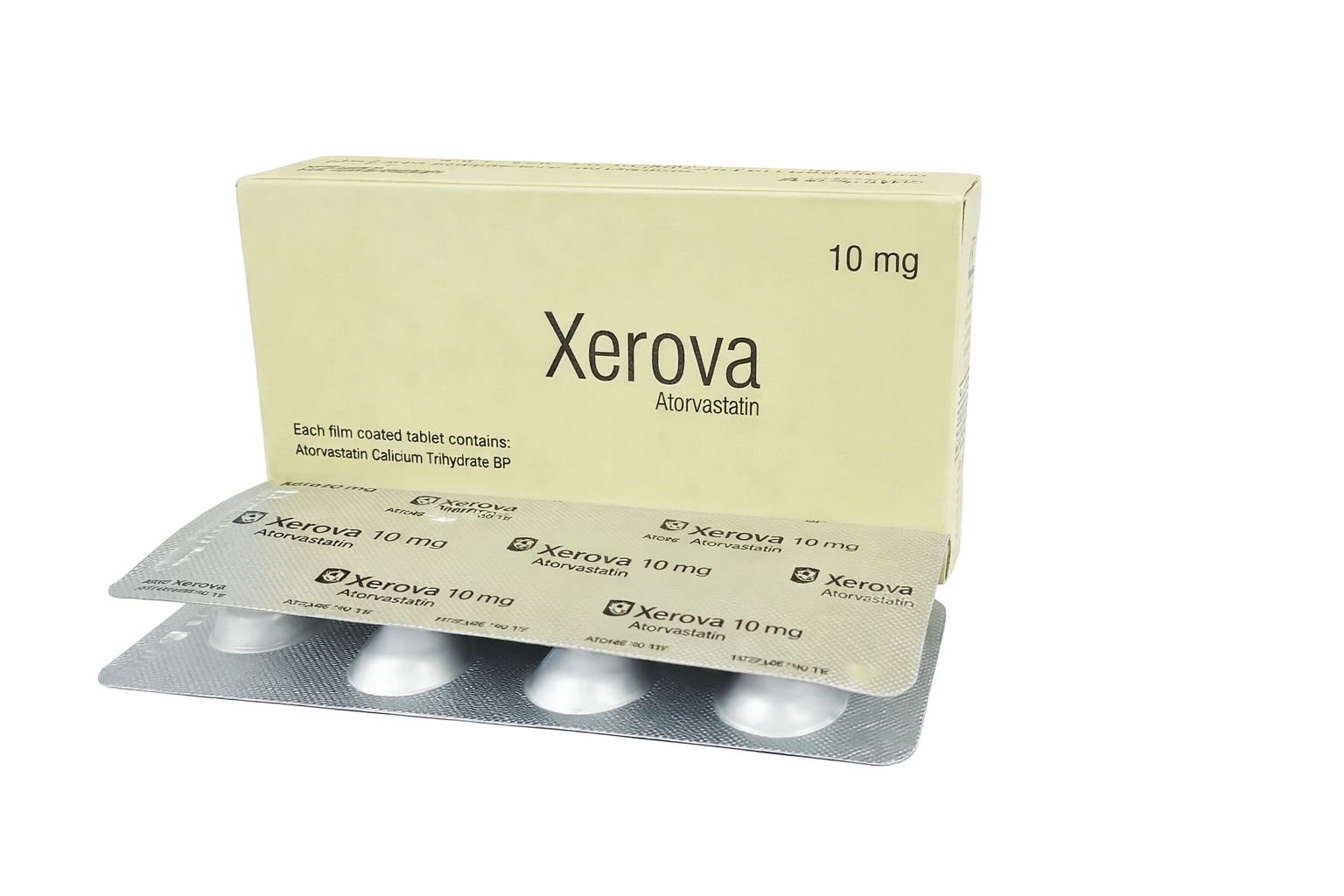
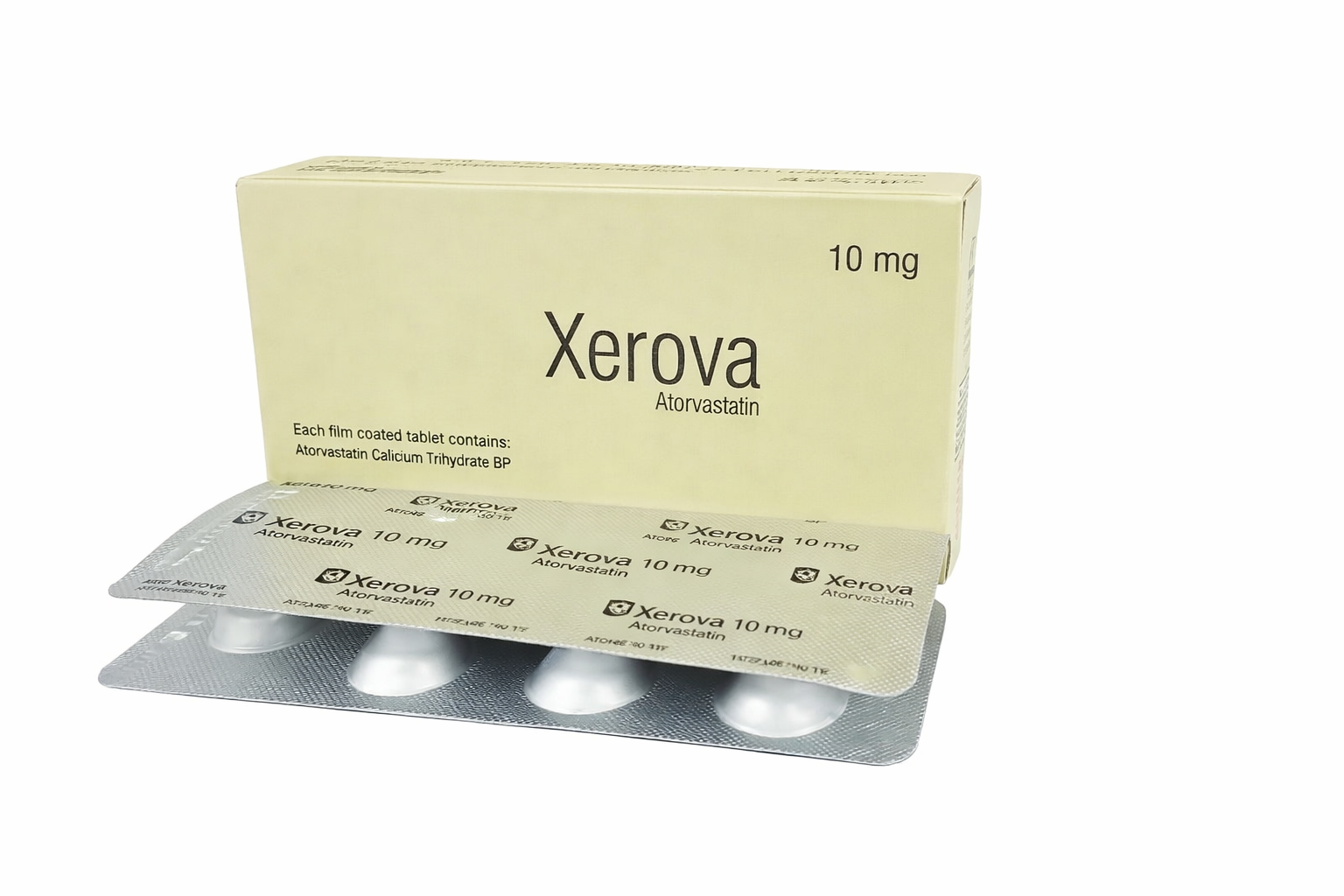
As an adjunct to diet to reduce elevated total cholesterol, LDL‑cholesterol, apolipoprotein B, and triglyceride levels when response to diet and other non‑pharmacological measures is inadequate.
To reduce total and LDL‑cholesterol in patients with heterozygous and homozygous familial hypercholesterolemia.
To reduce elevated cholesterol and triglycerides in patients with mixed dyslipidemia (Fredrickson Type IIa and IIb).
For treatment of patients with elevated serum triglycerides in hypertriglyceridemia (Fredrickson Type IV).
For treatment of patients with diabetic dyslipidemia (Fredrickson Type III).
To reduce cardiac ischemic events in patients with asymptomatic or mild‑to‑moderate symptomatic coronary artery disease with elevated LDL‑cholesterol.
To reduce total and LDL‑cholesterol concentrations in patients with hypercholesterolemia associated with diabetes mellitus or renal transplantation.
Mechanism of Action: Atorvastatin is a selective inhibitor of HMG‑CoA reductase, the rate‑limiting enzyme responsible for converting HMG‑CoA to mevalonate, a precursor of sterols including cholesterol. It lowers plasma cholesterol and lipoproteins by inhibiting hepatic cholesterol synthesis and increasing the number of hepatic LDL receptors for enhanced uptake and catabolism of LDL.
Absorption: Rapidly absorbed after oral administration; peak plasma concentration within 1–2 hours. Absolute bioavailability ≈ 14%; systemic availability of HMG‑CoA reductase inhibitory activity ≈ 30%.
Distribution: Mean volume of distribution ≈ 381 L; ~ 98% bound to plasma proteins.
Metabolism: Extensively metabolized to ortho‑ and para‑hydroxylated derivatives and β‑oxidation products. Metabolized mainly by cytochrome P450 3A4.
Excretion: Eliminated primarily in bile following hepatic metabolism; < 2% of a dose recovered in urine. Mean plasma elimination half‑life ≈ 14 hours; inhibitory activity half‑life ≈ 20–30 hours.
Primary Hypercholesterolemia and Combined Dyslipidemia
Adults: Usually 10 mg once daily; may be increased at ≥ 4‑week intervals up to 80 mg once daily.
Children (10–17 years): Initially 10 mg once daily; may be increased up to 20 mg once daily.
Familial Hypercholesterolemia
Adults: Initially 10 mg daily; may be increased to 40 mg once daily, and if necessary up to 80 mg once daily.
Children (10–17 years): Initially 10 mg once daily; may be increased up to 20 mg once daily.
Prevention of Cardiovascular Events
Adults: 10–20 mg once daily; patients requiring > 45% LDL‑C reduction may start at 40 mg once daily.
Administer once daily, with or without food, at any time of day.
Lipid levels should be analyzed within 2–4 weeks and dosage adjusted accordingly.
Increased risk of myopathy with concurrent use of cyclosporine, fibrates, niacin, erythromycin, or azole antifungals.
Antacids: Decrease plasma concentration (~ 35%) but not LDL‑C reduction.
Colestipol: Decreases plasma concentration (~ 25%) but enhances LDL‑C reduction.
Digoxin: Steady‑state plasma concentration increased (~ 20%).
Erythromycin: Plasma concentration increased (~ 40%).
Oral Contraceptives: Increases AUC of norethindrone (~ 30%) and ethinyl estradiol (~ 20%).
Warfarin: No clinically significant effect on prothrombin time.
Hypersensitivity to any component.
Active liver disease or unexplained persistent elevations of serum transaminases.
History of serious adverse reaction to HMG‑CoA reductase inhibitors.
Generally well‑tolerated. Common effects include:
Constipation
Flatulence
Dyspepsia
Abdominal pain Other possible effects: infection, headache, back pain, rash, arthritis, arthralgia, myalgia.
Pregnancy: Contraindicated. Animal studies show reproductive toxicity; may reduce fetal cholesterol synthesis. Discontinue during pregnancy or when pregnancy is suspected.
Lactation: Contraindicated. Unknown if excreted in human milk; avoid breastfeeding while on therapy.
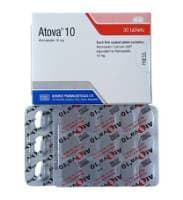
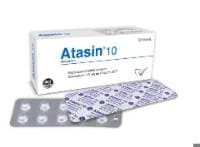
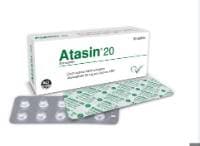
Drug Class: Statins (HMG-CoA reductase inhibitors)
Purpose:
Lowers LDL cholesterol (“bad cholesterol”)
Raises HDL cholesterol (“good cholesterol”)
Reduces triglycerides
Prevents cardiovascular events (heart attack, stroke, angina)
Dosage Forms: Tablets (10 mg, 20 mg, 40 mg, 80 mg) and oral suspension.
Common Brand Names: Lipitor, Atorvaliq.
Approval: First FDA-approved in 1996, now one of the most prescribed statins worldwide.
Indications of Atorvastatin
Atorvastatin is prescribed for:
Hypercholesterolemia: High cholesterol levels, especially elevated LDL (“bad cholesterol”).
Mixed dyslipidemia: Combination of high cholesterol and triglycerides.
Prevention of cardiovascular disease:
Reduces risk of heart attack, stroke, and angina in patients with risk factors (such as diabetes, hypertension, smoking, or family history).
Familial hypercholesterolemia: Genetic condition causing very high cholesterol.
Secondary prevention: For patients who already had a cardiovascular event (like heart attack or stroke) to prevent recurrence.