
Search products by name
Search medicines by name
0
0 item
৳ 0.00
Your Complete HealthCare Solution - Right Here


10657
info@shukhee.com
Telecom Bhaban (Level- 12), 53/1 Box Nagar, Zoo Road, Dhaka-1216.
৳ 0.00
10657
info@shukhee.com
Telecom Bhaban (Level- 12), 53/1 Box Nagar, Zoo Road, Dhaka-1216.

Quantity:

Products

Payment

Delivery
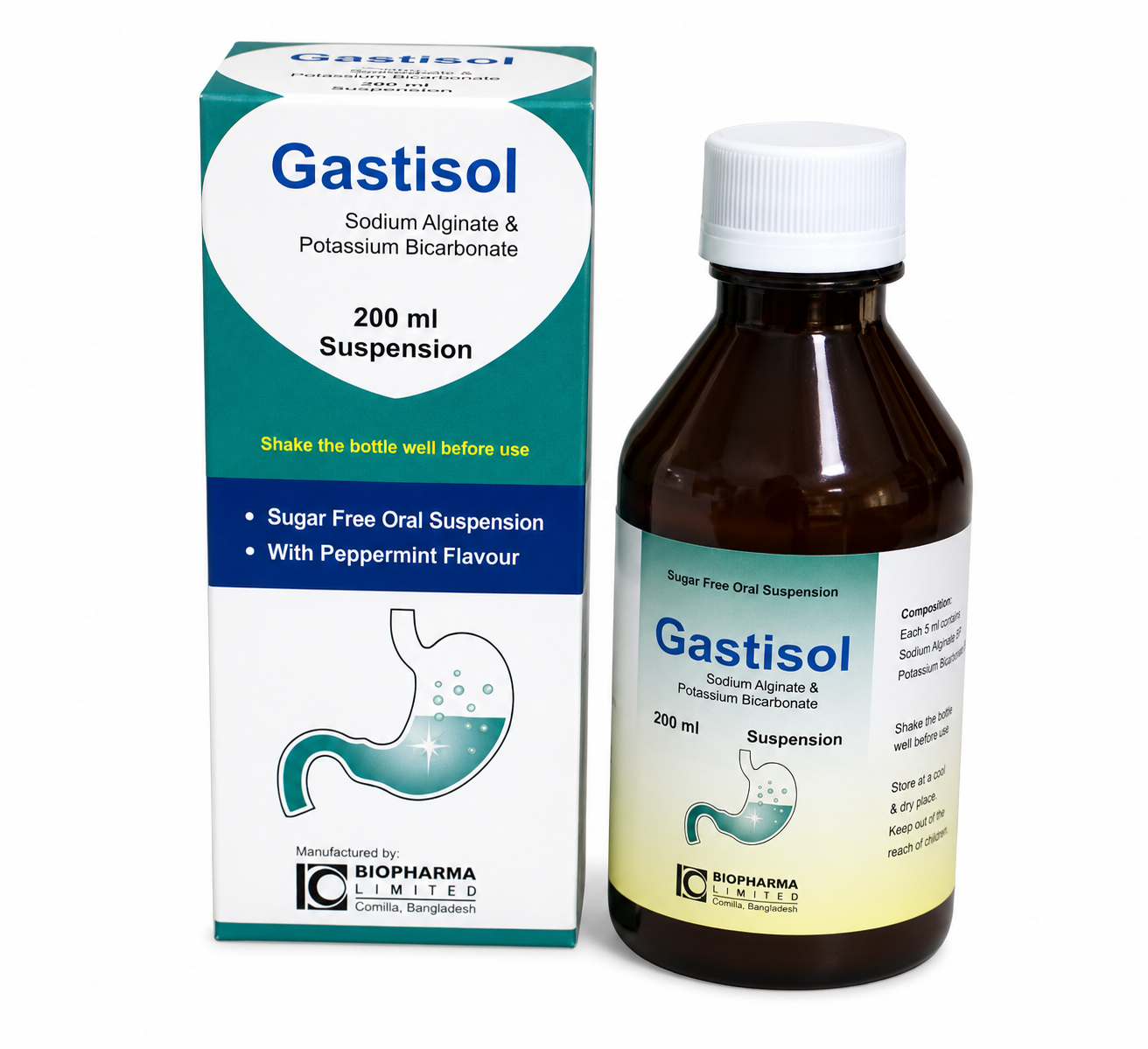
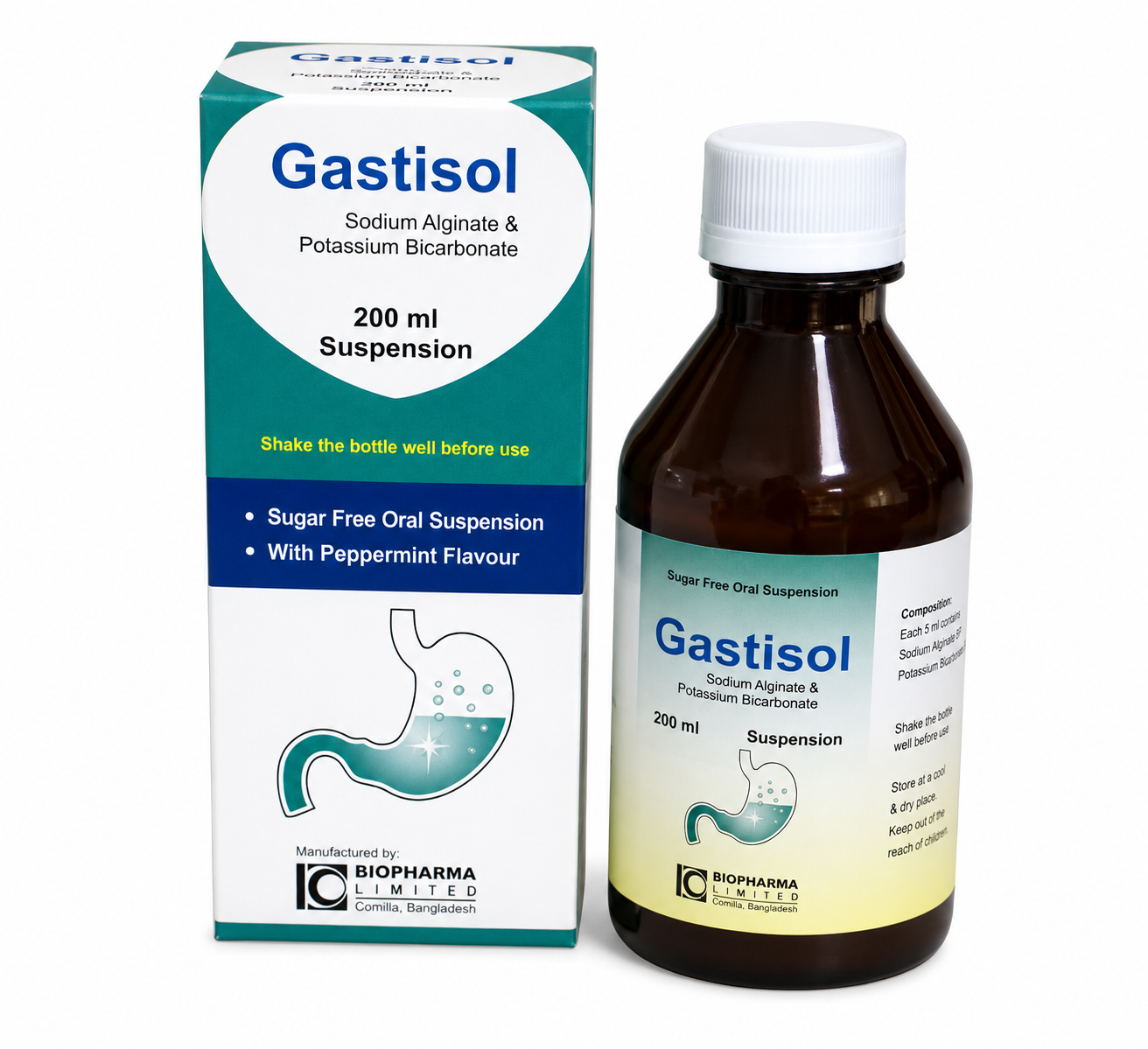
Indications: Gastisol is indicated for the treatment of symptoms resulting from reflux of acid, bile, and pepsin into the esophagus, such as acid regurgitation, heartburn, and indigestion. It is useful after gastric surgery, in hiatus hernia, during pregnancy, and in reflux esophagitis.
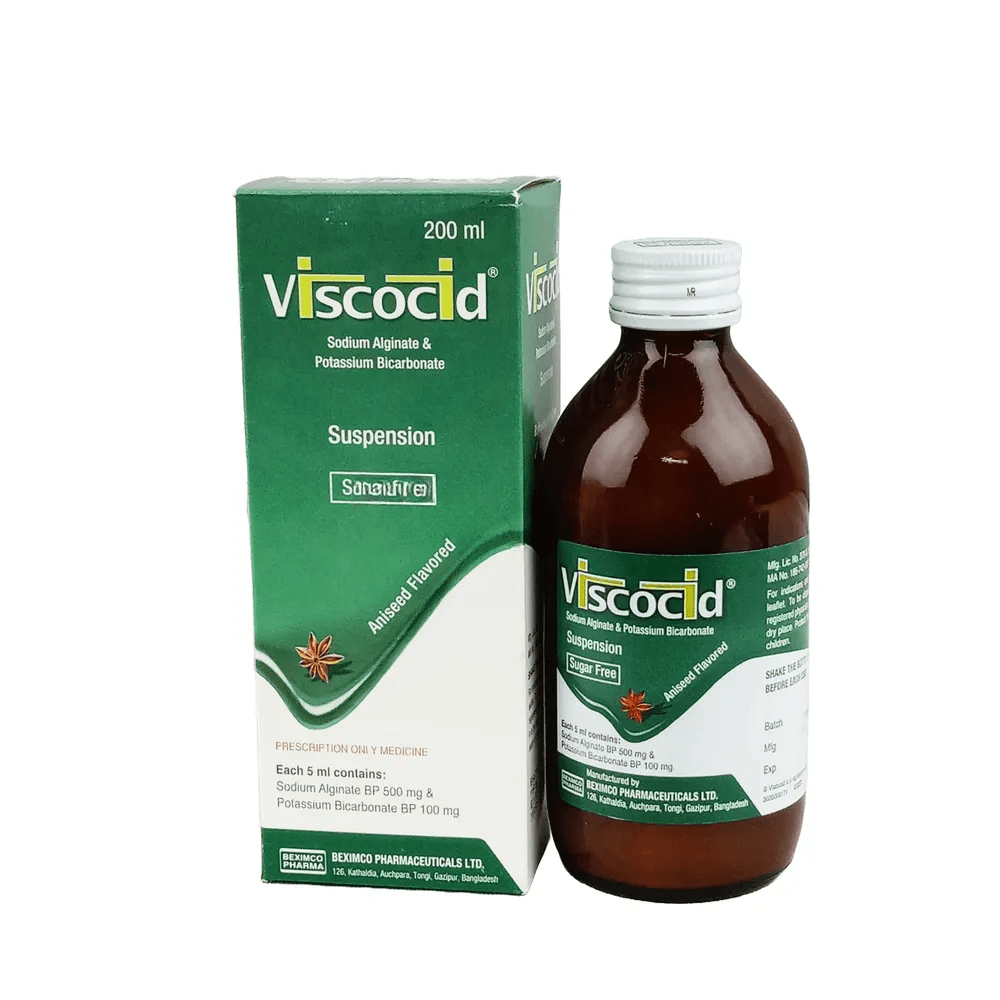
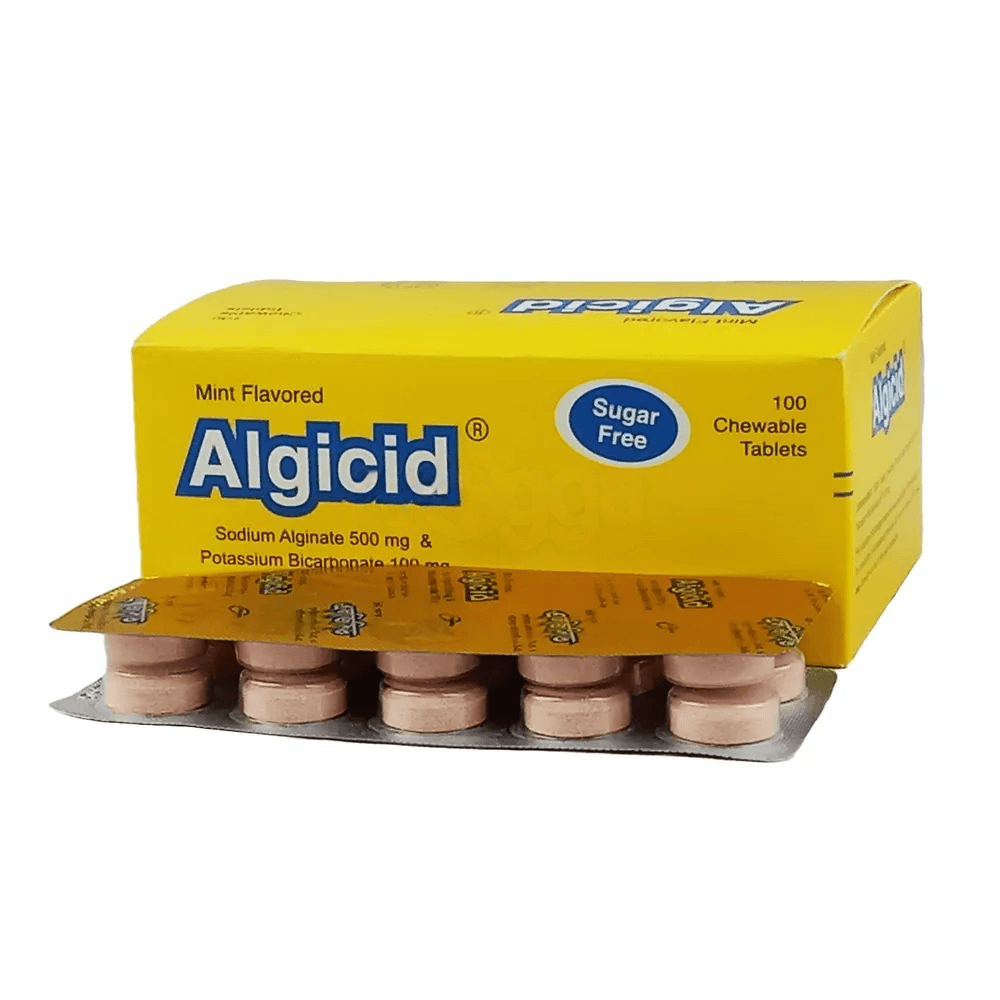
Pharmacology: Gastisol contains Sodium Alginate and Potassium Bicarbonate. Sodium Alginate reacts with stomach acid to form a gel. Potassium Bicarbonate reacts with acid to release carbon dioxide bubbles, which are trapped in the gel. This forms a “raft” that floats on stomach contents, preventing acid reflux into the esophagus. The action is physical, not systemic, and lasts up to 4 hours before being broken down and excreted.
Dosage & Administration:
Tablet: Adults and children over 12 years: 1–2 tablets, 3–4 times daily after meals and before bedtime. Children 6–12 years: ½–1 tablet, 3–4 times daily.
Suspension: Adults and children over 12 years: 5–10 ml (1–2 teaspoonfuls), 3–4 times daily. Children 2–12 years: 2.5–5 ml (½–1 teaspoonful), 3–4 times daily. Not recommended under 2 years.
Elderly: No dose adjustment required.
Hepatic impairment: No dose adjustment required.
Renal insufficiency: Use with caution if salt restriction is necessary.
Interactions: Maintain a 2‑hour interval between Gastisol and other medicines such as tetracyclines, fluoroquinolones, iron salts, thyroid hormones, chloroquine, bisphosphonates, and estramustine.
Contraindications: Contraindicated in patients with hypersensitivity to Sodium Alginate or Potassium Bicarbonate.
Side Effects: Possible side effects include nausea, constipation, diarrhea, or headache. Overdose may cause bloating or swelling sensation. Consult a physician if symptoms occur.
Pregnancy & Lactation: Safe for use during pregnancy and breastfeeding when clinically needed.
Precautions & Warnings: Use with caution in patients with renal impairment, congestive heart failure, hypercalcemia, nephrocalcinosis, or recurrent calcium‑containing kidney stones. Effectiveness may be reduced in patients with very low gastric acid. If symptoms persist beyond 7 days, reassess clinically.
Heartburn, Indigestion, Gastro-oesophageal reflux, Acid regurgitation, Reflux esophagitis
Tablet\r\nAdult: 1-2 tablets daily 4 times, after meals & before bedtime.\r\n\r\nSuspension\r\nAdult: 5-10 ml Daily 4 times, after meals & before bedtime.\r\n
Tablet\r\nChild over 12 years: 1-2 tablets daily 4 times, after meals & before bedtime.\r\nChild 6-12 years: 1 tablet Daily 4 times, after meals & before bedtime.\r\n\r\nSuspension\r\nChild over 12 years: 5-10 ml Daily 4 times, after meals & before bedtime.\r\nChild 2-12 years: 2.5-5 ml Daily 4 times, after meals & before bedtime.\r\n\r\nIt is not recommended for children under 2 years of age.
Sodium alginate and potassium bicarbonate is contraindicated in patients with known hypersensitivity to these.
Potassium depletion occurs when rate of loss through renal excretion and/or GI tract exceeds intake. Supplementation with potassium-containing products may alleviate depletion. Potassium plays essential role in the conduction of nerve impulses in the heart, brain, and skeletal muscle; plays a role in contraction of cardiac, skeletal, and smooth muscles.\r\n\r\nAlginic acid is used in combination with an antacid or histamine H2-antagonist in the management of gastro-esophageal reflux disease. It reacts with gastric acid to form a viscous gel which acts as a mechanical barrier to reduce reflux.
This should be prescribed with caution in patients with renal impairment and congestive cardiac failure.
Nausea, constipation, diarrhea or headache.