
Search products by name
Search medicines by name
0
0 item
৳ 0.00
Your Complete HealthCare Solution - Right Here


10657
info@shukhee.com
Telecom Bhaban (Level- 12), 53/1 Box Nagar, Zoo Road, Dhaka-1216.
৳ 0.00
10657
info@shukhee.com
Telecom Bhaban (Level- 12), 53/1 Box Nagar, Zoo Road, Dhaka-1216.


Quantity:

Products

Payment

Delivery
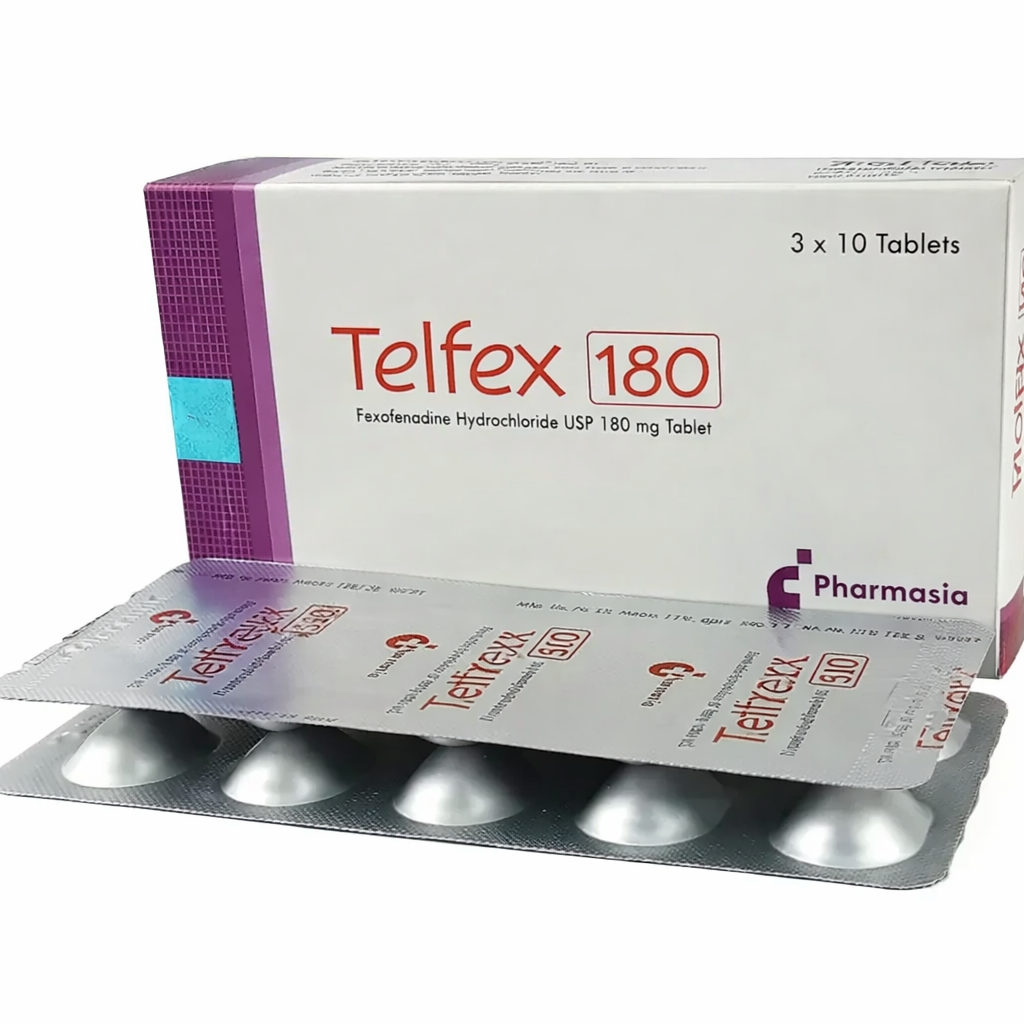
ndications Allergic Rhinitis: Telfex is indicated for the relief of symptoms associated with seasonal and perennial allergic rhinitis in adults and children aged 12 years and above. Symptoms effectively treated include sneezing, rhinorrhea, lacrimation, itchy and red eyes, and itching of the nose, palate, or throat.
Pharmacology The H1 histamine receptor is responsible for mediating hypersensitivity and allergic reactions. Exposure to allergens results in the degranulation of mast cells and basophils, releasing histamine and other inflammatory mediators. Histamine binds to and activates H1 receptors, leading to the release of pro-inflammatory cytokines such as interleukins. These downstream effects of histamine binding are responsible for various allergic symptoms like pruritus, rhinorrhea, and watery eyes. Fexofenadine acts as an “inverse agonist” of the H1 receptor by binding to and stabilizing its inactive form, preventing activation and subsequent downstream effects. It has potent and selective affinity for H1 receptors and does not exhibit antidopaminergic, antiserotonergic, anticholinergic, sedative, or adrenergic blocking activity. Fexofenadine does not cross the blood–brain barrier and is therefore unlikely to cause significant CNS effects.
Dosage & Administration Allergic Rhinitis
Adults and children ≥12 years: 60 mg twice daily or 120 mg once daily or 180 mg once daily. In renal impairment: 60 mg once daily.
Children 6–11 years: 30 mg twice daily or 60 mg once daily. In renal impairment: 30 mg once daily.
Children 2–5 years: Suspension 30 mg (5 ml) twice daily. In renal impairment: 30 mg (5 ml) once daily.
Chronic Idiopathic Urticaria
Adults and children ≥12 years: 60 mg twice daily or 120 mg once daily or 180 mg once daily. In renal impairment: 60 mg once daily.
Children 6–11 years: 30 mg twice daily or 60 mg once daily. In renal impairment: 30 mg once daily.
Children 6 months–<2 years: Suspension 15 mg (2.5 ml) twice daily. In renal impairment: 15 mg (2.5 ml) once daily.
Children 2–5 years: Suspension 30 mg (5 ml) twice daily. In renal impairment: 30 mg (5 ml) once daily.
Interactions Telfex does not undergo hepatic biotransformation and therefore does not interact with other medicinal products via hepatic mechanisms. Co-administration with erythromycin or ketoconazole increases plasma fexofenadine levels 2–3 times, but without QT interval changes or increased adverse reactions. No interaction with omeprazole was observed. However, antacids containing aluminum and magnesium hydroxide reduce bioavailability if taken within 15 minutes before Telfex, likely due to binding in the gastrointestinal tract. It is advisable to maintain a 2‑hour gap between Telfex and such antacids.
Contraindications Contraindicated in patients with known hypersensitivity to Fexofenadine Hydrochloride or any of its ingredients.
Side Effects Frequency classification: Very common (≥1/10), Common (≥1/100 <1/10), Uncommon (≥1/1000 <1/100), Rare (≥1/10,000 <1/1000), Very rare (<1/10,000), Not known. In adults, reported effects similar to placebo include:
Nervous system: Headache, drowsiness, dizziness.
Gastrointestinal: Nausea.
General: Fatigue (uncommon). Post‑marketing reports include hypersensitivity reactions (angioedema, chest tightness, dyspnea, flushing, systemic anaphylaxis), insomnia, nervousness, sleep disorders, tachycardia, palpitations, diarrhea, rash, and urticaria.
Pregnancy & Lactation No adequate data exist for use in pregnant women. Animal studies show no direct or indirect harmful effects on pregnancy or fetal development. Fexofenadine Hydrochloride should be used during pregnancy only if clearly necessary. Fexofenadine may pass into breast milk; therefore, it is not recommended for breastfeeding mothers. No human data on fertility effects are available; animal studies show no adverse impact.
Precautions & Warnings Limited data are available for elderly, renally, or hepatically impaired patients. Telfex should be administered with caution in these groups. Patients with a history of cardiovascular disease should be warned that antihistamines have been associated with adverse reactions such as tachycardia and palpitations.
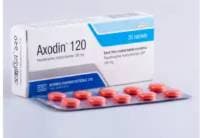
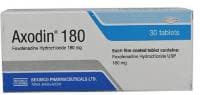

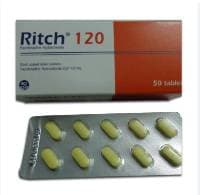
Drug Class: Second-generation antihistamine
Purpose: Used to relieve allergy symptoms such as sneezing, runny nose, itchy/watery eyes, and itching of the throat or nose. Also effective for chronic urticaria (hives).
Mechanism: Blocks histamine (a natural substance in the body that causes allergic symptoms).
Advantages:
Non-sedating (less likely to cause drowsiness compared to older antihistamines).
Fast-acting and long-lasting relief.
Dosage Forms: Tablets (30 mg, 60 mg, 120 mg, 180 mg), oral suspension.
Common Brand Names: Allegra, Fexet, Telfast.
Relieves Allergy Symptoms: Effective against sneezing, runny nose, itchy/watery eyes, and throat irritation.
Treats Chronic Urticaria (Hives): Reduces itching and rash caused by allergic reactions.
Non-Sedating: Unlike older antihistamines, it usually does not cause drowsiness, so patients can continue daily activities.
Fast Onset: Provides quick relief, often within one hour of intake.
Long Duration: Works for 24 hours, allowing once-daily dosing.
Safe for Long-Term Use: Generally well tolerated when taken as prescribed.
Suitable for Children & Adults: Available in different strengths and formulations for various age groups.