
Search products by name
Search medicines by name
0
0 item
৳ 0.00
Your Complete HealthCare Solution - Right Here


10657
info@shukhee.com
Telecom Bhaban (Level- 12), 53/1 Box Nagar, Zoo Road, Dhaka-1216.
৳ 0.00
10657
info@shukhee.com
Telecom Bhaban (Level- 12), 53/1 Box Nagar, Zoo Road, Dhaka-1216.

Quantity:

Products

Payment

Delivery
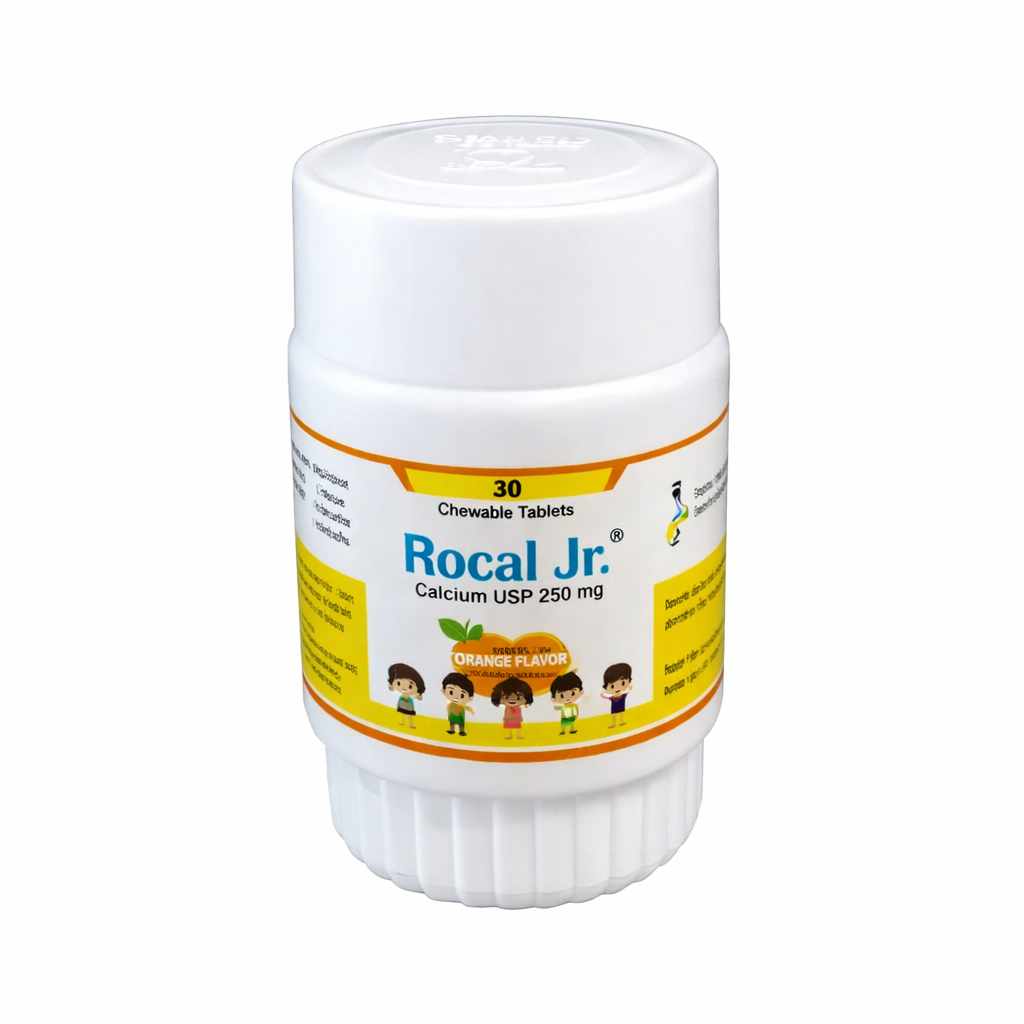
250 mg or 500 mg tablet (Rocal Or): Used for treatment or prevention of calcium depletion when diet is inadequate. Associated conditions: hypoparathyroidism, achlorhydria, chronic diarrhea, vitamin D deficiency, steatorrhea, sprue, pregnancy, lactation, menopause, pancreatitis, renal failure, alkalosis, hyperphosphatemia. Commonly used in chronic renal failure and dialysis patients for hyperphosphatemia. Provides short‑term relief of dyspeptic symptoms but not recommended for long‑term peptic ulcer treatment.
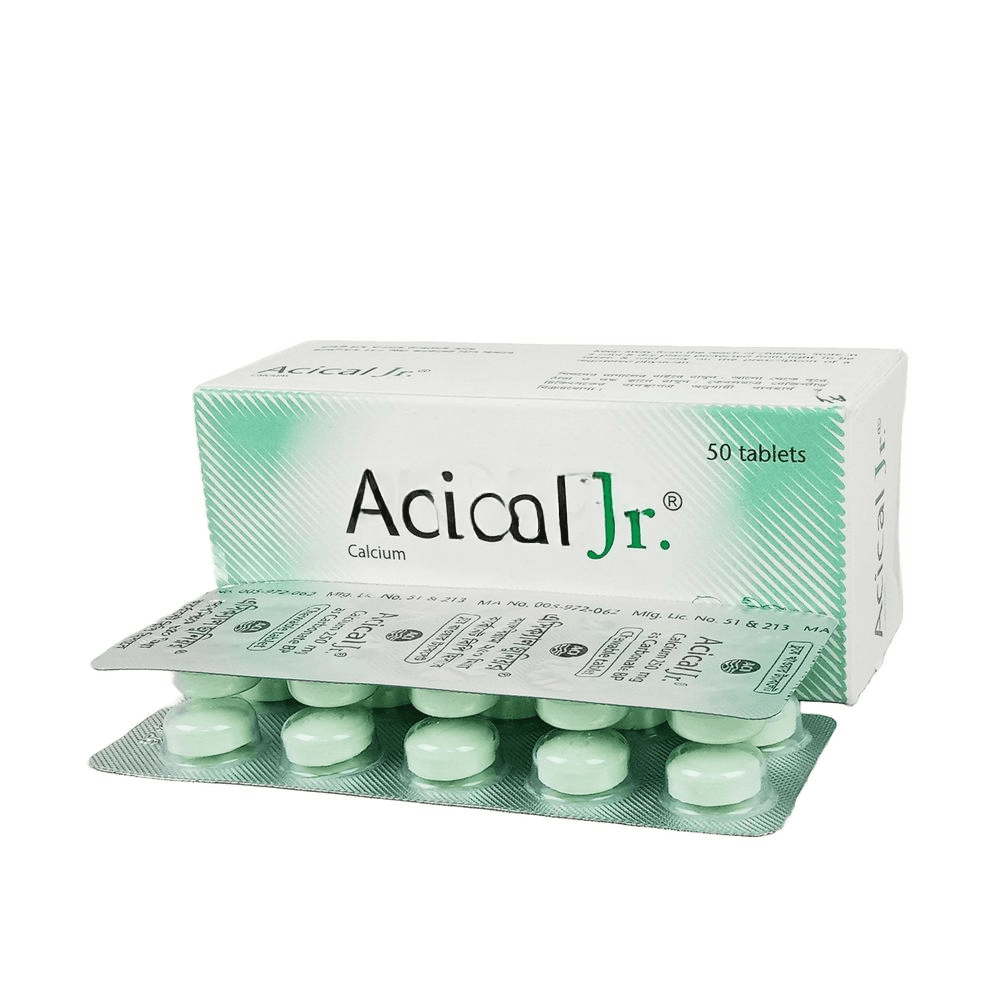
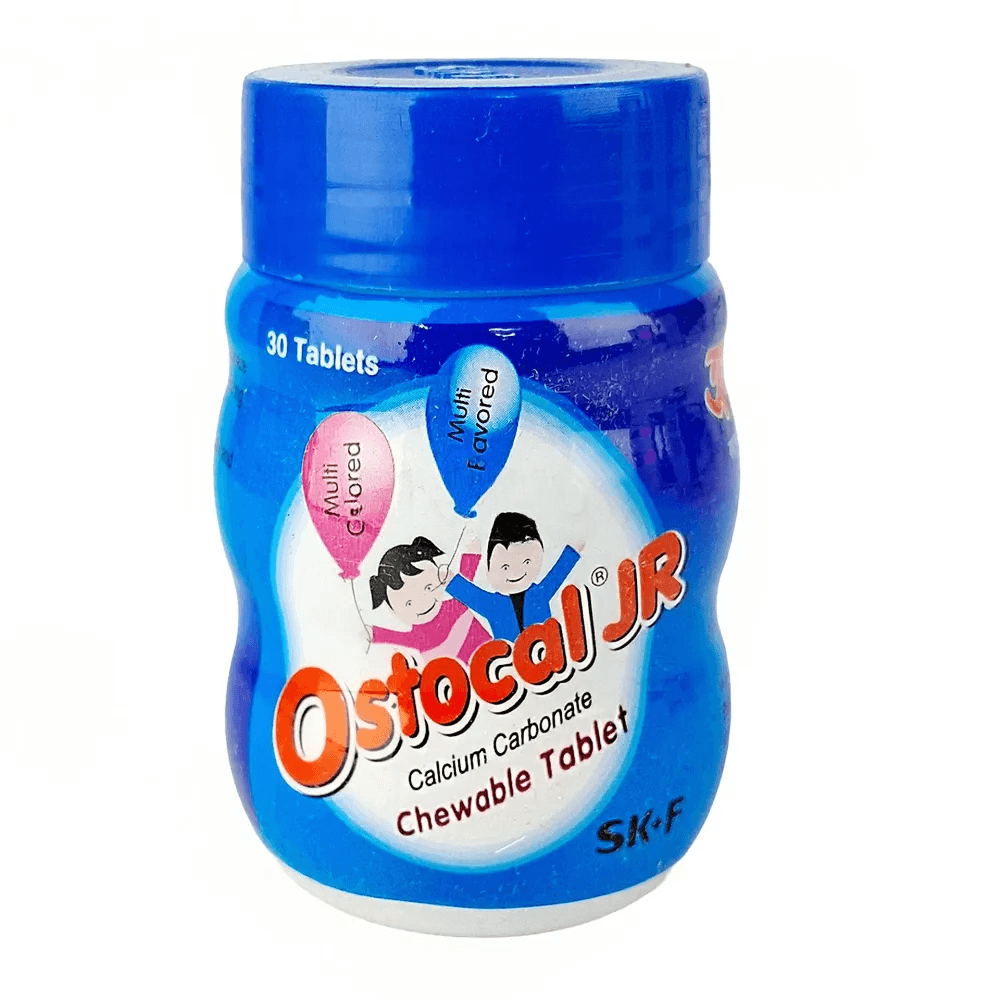
1000 mg tablet (Rocal Jr): Indicated for management of hyperacidity and fast relief of acid indigestion, heartburn, sour stomach, and upset stomach.
Calcium carbonate reacts with gastric acid to form calcium chloride, water, and carbon dioxide.
Raises gastric pH, reduces pepsin activity.
Up to 30% of oral calcium load may be absorbed.
250/500 mg tablet:
Adults: 540–2000 mg/day (antacid use).
Children: half adult dose.
Osteoporosis prevention: 1250–3750 mg/day (500–1500 mg calcium).
Pregnancy/lactation: 1200–1500 mg/day.
Chronic renal failure: 2.5–9 g/day, adjusted individually, taken with meals for phosphate binding.
1000 mg tablet: 2000–3000 mg when symptoms occur; may repeat hourly if needed.
May enhance cardiac effects of digoxin if hypercalcemia occurs.
May interfere with tetracycline absorption.
Vitamin D therapy may need adjustment in renal failure to avoid hypercalcemia.
Hypercalcemia, hyperparathyroidism
Hypercalciuria, nephrolithiasis
Zollinger‑Ellison syndrome
Concomitant digoxin therapy (requires monitoring)
Use cautiously in sarcoidosis, renal/cardiac disease, or with cardiac glycosides.
GI irritation, constipation.
Hypercalcemia rare, but possible in chronic renal failure with large doses.
Widely used safely in pregnancy and lactation for supplementation or antacid therapy.
Children: Safe and effective in chronic renal failure.
Elderly: Constipation may be troublesome; monitor calcium and phosphate levels.
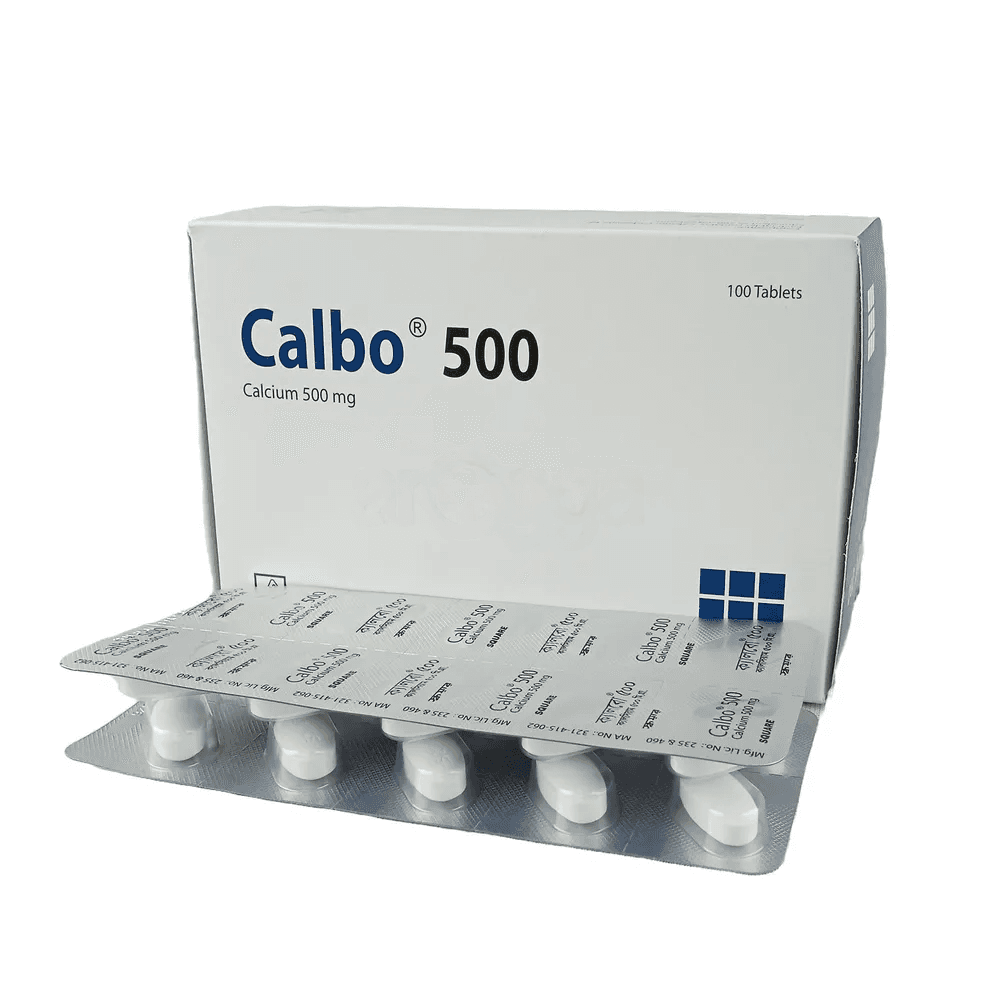
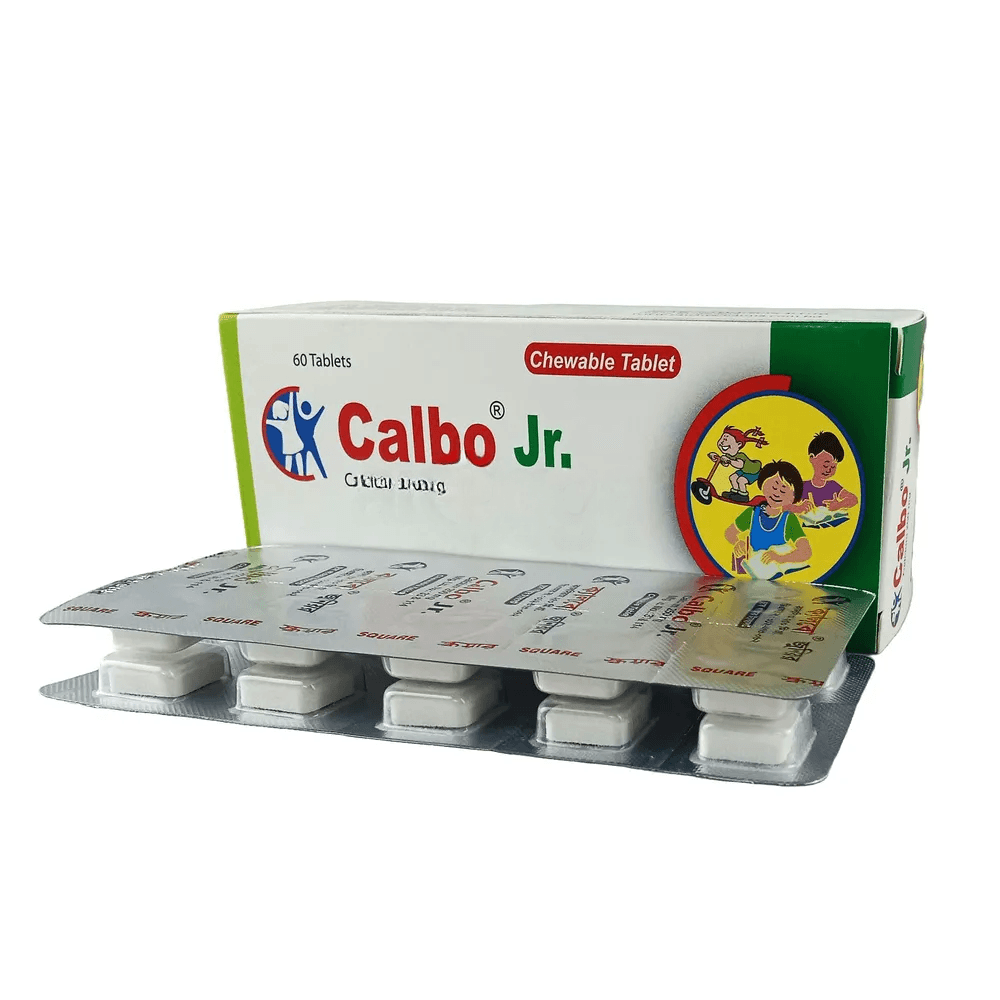
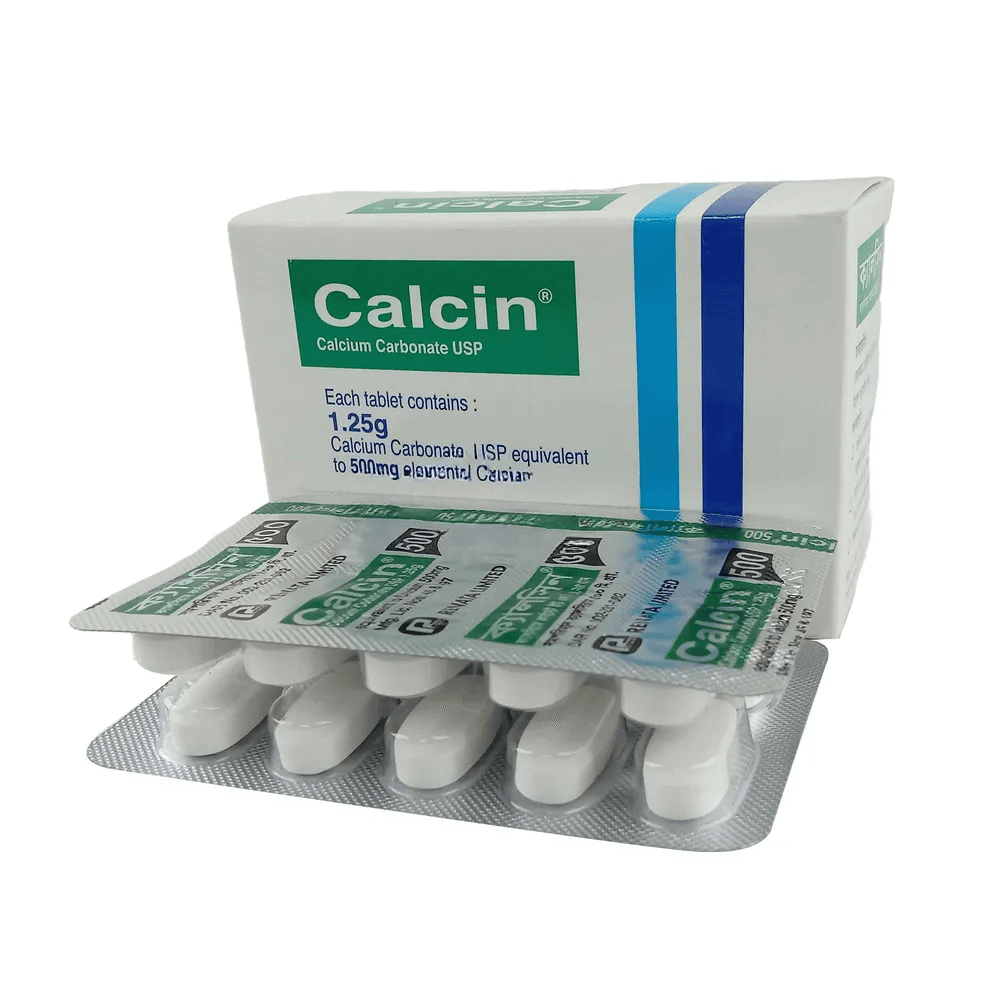
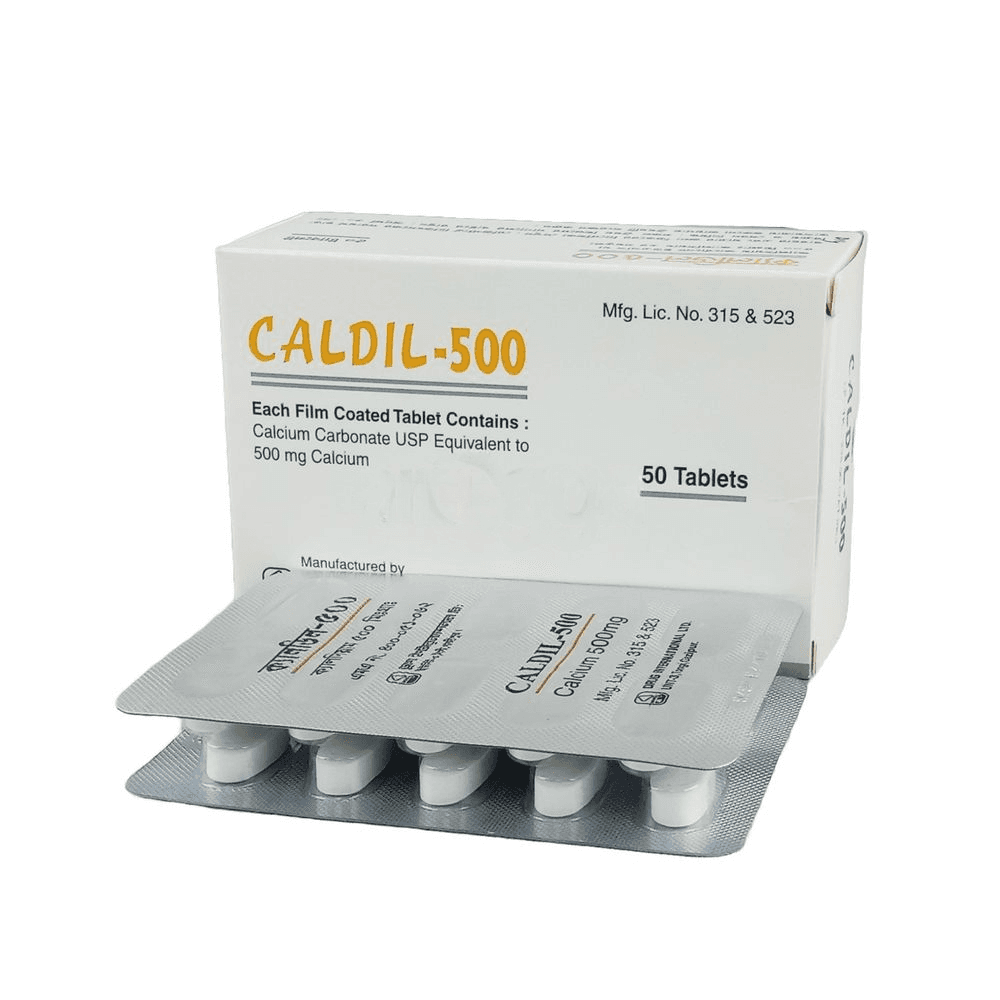
Heartburn, Indigestion, Calcium deficiency, Hypocalcaemia, Hyperphosphatemia, Calcium supplement, Stomach upset
May be taken with or without food. Take w/ meals for better absorption. Avoid taking w/ large amount of fibre-rich food.
Adult: PO Hyperacidity: Take 1-2 tab as needed, up to a max of 16 tab/day. May suck or chew tablets. Hyperphosphataemia in chronic renal failure Initial: 2.5 g/day, up to 17 g/day in divided doses.
Renal impairment:\r\nCrCl <25\tDosage adjustments may be needed depending on serum calcium levels.
Patients with Ca renal calculi or history of renal calculi; hypercalcaemia; hypophosphataemia. Patients with suspected digoxin toxicity.
Calcium carbonate can neutralise gastric acid rapidly and effectively. However, it may adversely activate Ca dependent processes, leading to secretion of gastric and hydrochloric acid. It can induce rebound acid secretion and, prolonged high doses may cause hypercalcemia, alkalosis and milk-alkali syndrome.
Renal impairment, hypoparathyroid disease, hypercalcaemia-associated diseases. Calcium absorption is impaired in achlorhydria; use an alternate salt and take with food. Caution when used in patients with a history of kidney stones.\r\n\r\nLactation: Safe; crosses the placenta; appears in breast milk
Anorexia, nausea, vomiting, constipation, flatulence; hypercalcaemia; metabolic alkalosis; milk-alkali syndrome, tissue-calcification. Gastric hypersecretion and acid rebound (with prolonged use).
Pregnancy category:Lactation: Safe; crosses the placenta; appears in breast
Co-administration with thiazide diuretics or vit D may lead to milk-alkali syndrome and hypercalcaemia. Decreased absorption with corticosteroids. Decreases absorption of tetracyclines, atenolol, iron, quinolones, alendronate, Na fluoride, Zn and calcium-channel blockers. Enhances cardiac effects of digitalis glycosides and may precipitate digitalis intoxication.
N/A