Search products by name
Search medicines by name
0
0 item
৳ ০.০০
আপনার সব স্বাস্থ্যসেবার সমাধান — এখন এক জায়গাতেই


১০৬৫৭
info@shukhee.com
টেলিকম ভবন, ৫৩/১, বক্স নগর, ঢাকা-১২১৬
৳ ০.০০
১০৬৫৭
info@shukhee.com
টেলিকম ভবন, ৫৩/১, বক্স নগর, ঢাকা-১২১৬
Quantity:

Products

Payment

Delivery
Iron Deficiency Anemia
Take 1 hr before or 2 hr after a meal
Iron Deficiency An iron replacement product indicated for iron deficiency 30 mg PO BID Continue as long as necessary until ferritin levels are within the normal range Treatment duration depends on severity of iron deficiency but generally at least 12 weeks of treatment is required
Hypersensitivity to active substance or to any of the excipients Hemochromatosis and other iron overload syndromes Patients receiving repeated blood transfusions
Nonsalt, oral formulation of ferric iron Supplements iron stores found in hemoglobin, myoglobin, and enzymes; works to transport oxygen via hemoglobin Delivers iron for uptake across the intestinal wall and transfer to transferrin and ferritin
Avoid use in patients with an active inflammatory bowel disease flare, as there is potential risk of increased inflammation in the gastrointestinal tract Accidental overdose of iron-containing products is a leading cause of fatal poisoning in children ages ≤6 years; keep this product out of reach of children Iron overload Excessive therapy with iron products can lead to excess storage of iron with the possibility of iatrogenic hemosiderosis; do not administer to patients with evidence of iron overload or patients receiving IV iron Assess iron parameters before initiating treatment and monitor during therapy
1-10% Flatulence (4.6%) Diarrhea (4%) Constipation (4%) Discolored feces (4%) Abdominal pain (2.9%) Nausea (1.7%) Vomiting (1.7%) Abdominal pain (1.7%) Abdominal discomfort (1.1%) Abdominal distension (1.1%)
Pregnancy Not absorbed systemically as an intact complex following oral administration Maternal use is not expected to result in fetal exposure to the drug Animal data In animal reproduction studies, oral administration of ferric or ferrous compounds to gravid CD1-mice and Wistar rats during organogenesis at doses 13-32 times the recommended human dose resulted in no adverse developmental outcomes Overdose of iron in pregnant women may carry a risk for spontaneous abortion, gestational diabetes, and fetal malformation Clinical considerations Untreated iron deficiency anemia (IDA) in pregnancy is associated with adverse maternal outcomes such as postpartum anemia Adverse pregnancy outcomes associated with IDA include increased risk for preterm delivery and low birth weight Lactation There are no data on the presence of ferric maltol in human milk, the effects on the breastfed child, or the effects on milk production
$4e
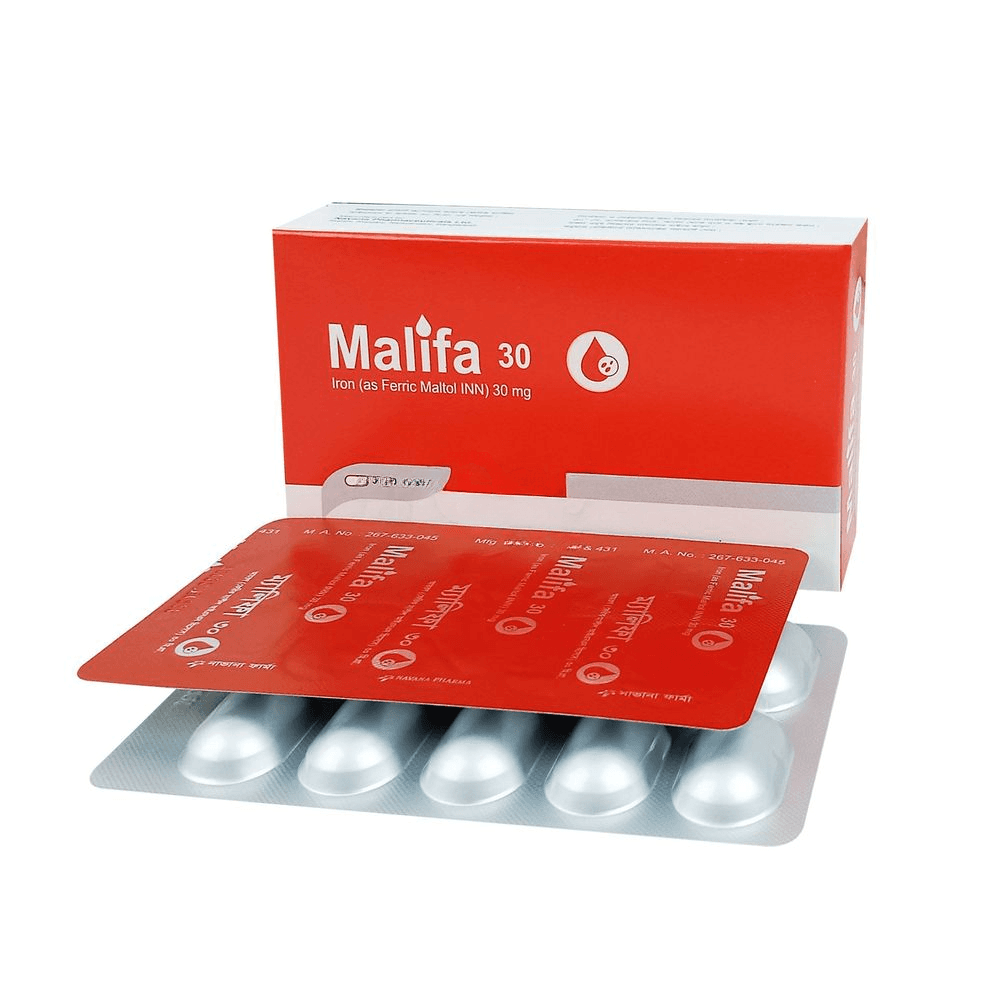
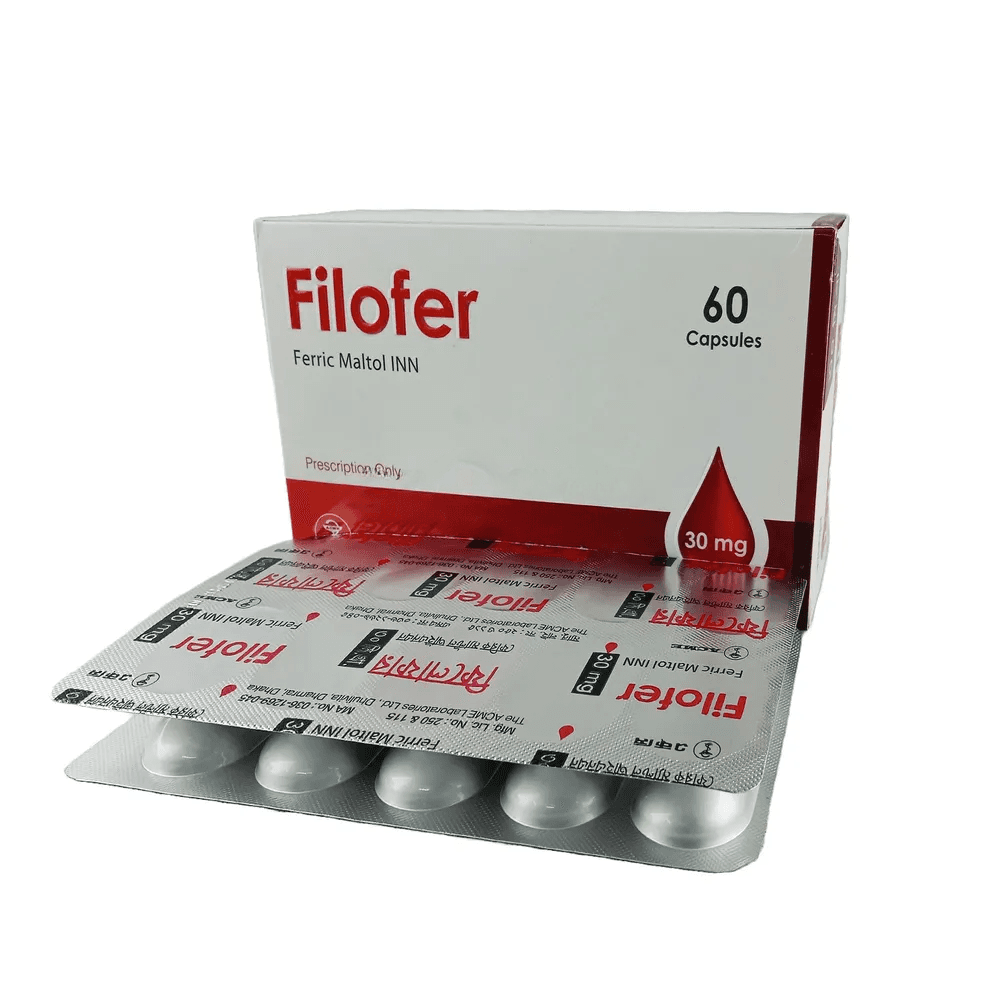
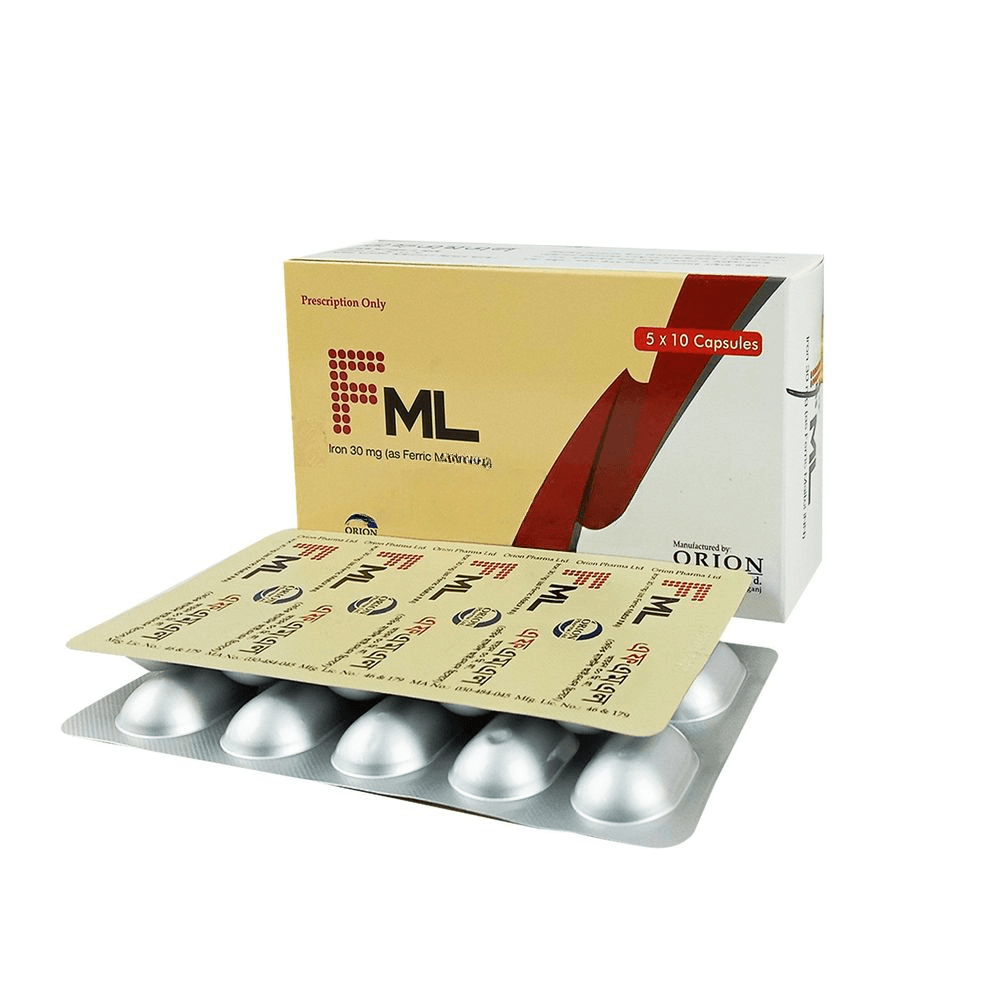
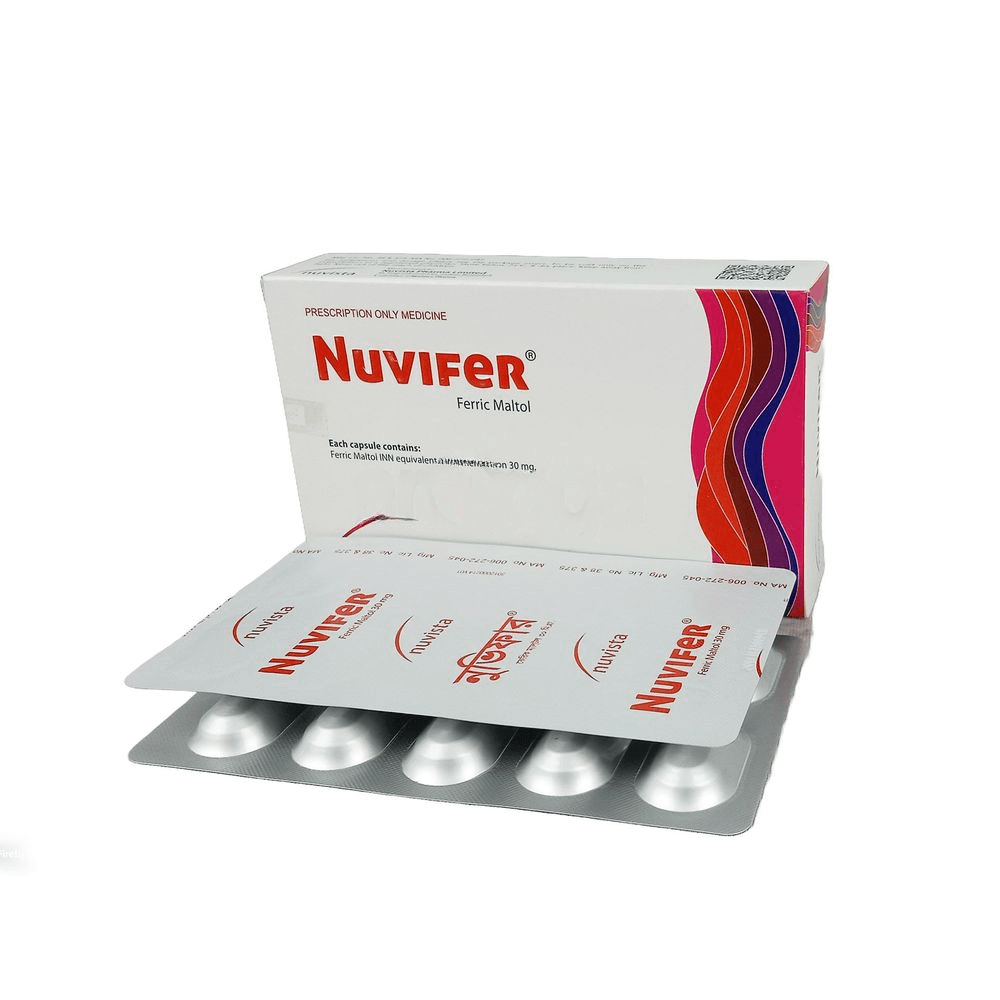
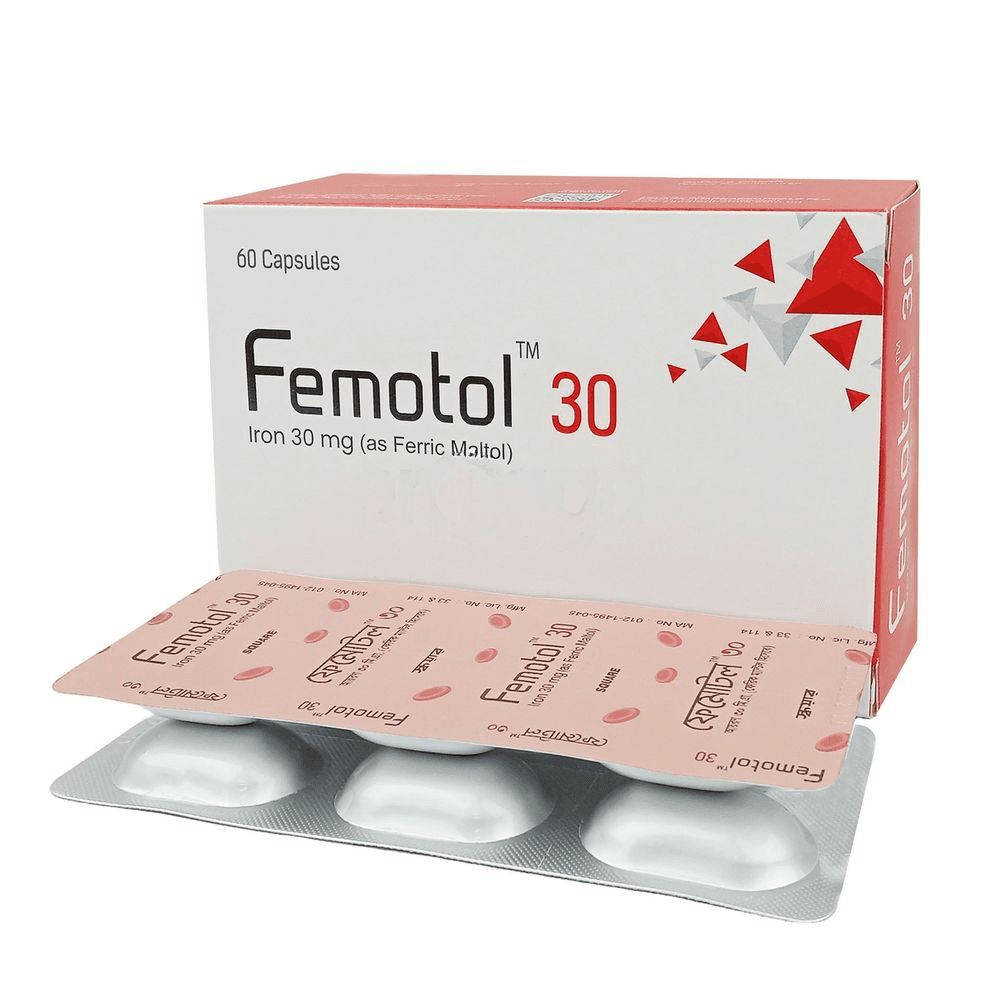
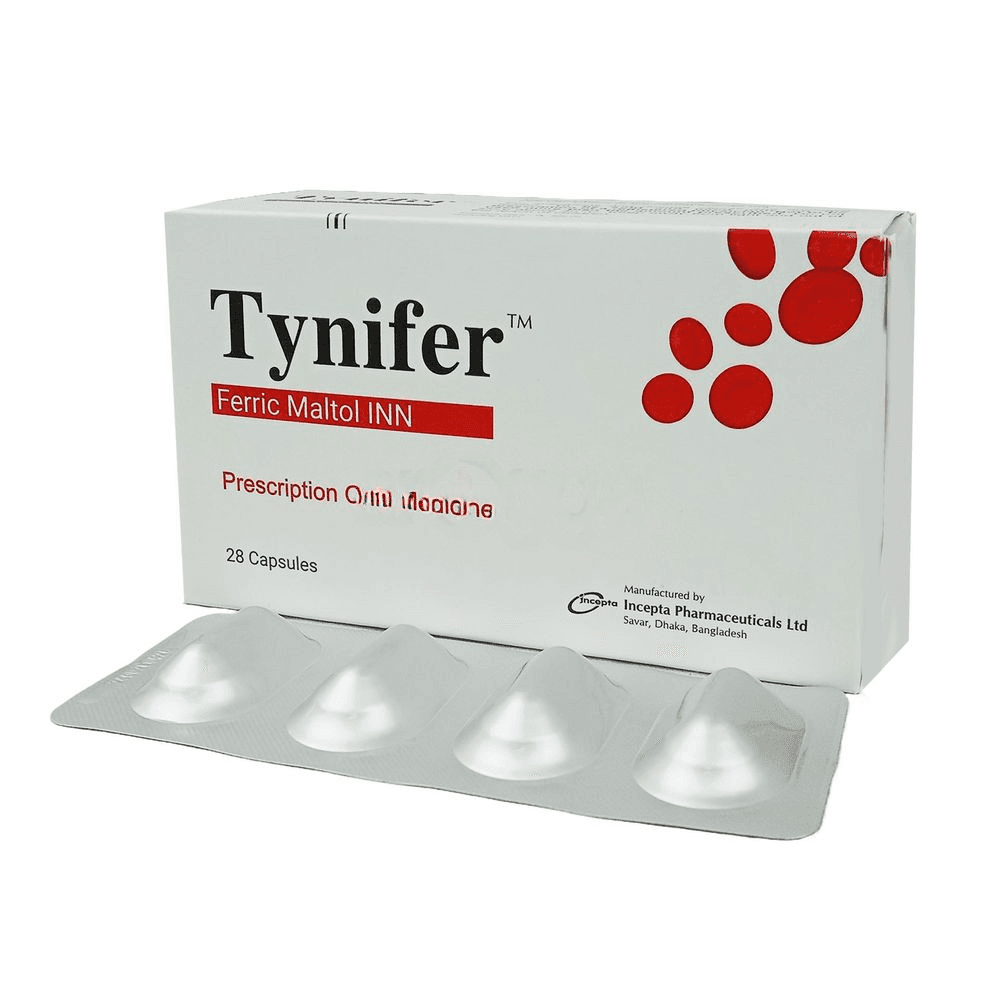
Iron Deficiency Anemia
Take 1 hr before or 2 hr after a meal
Iron Deficiency An iron replacement product indicated for iron deficiency 30 mg PO BID Continue as long as necessary until ferritin levels are within the normal range Treatment duration depends on severity of iron deficiency but generally at least 12 weeks of treatment is required
Hypersensitivity to active substance or to any of the excipients Hemochromatosis and other iron overload syndromes Patients receiving repeated blood transfusions
Nonsalt, oral formulation of ferric iron Supplements iron stores found in hemoglobin, myoglobin, and enzymes; works to transport oxygen via hemoglobin Delivers iron for uptake across the intestinal wall and transfer to transferrin and ferritin
Avoid use in patients with an active inflammatory bowel disease flare, as there is potential risk of increased inflammation in the gastrointestinal tract Accidental overdose of iron-containing products is a leading cause of fatal poisoning in children ages ≤6 years; keep this product out of reach of children Iron overload Excessive therapy with iron products can lead to excess storage of iron with the possibility of iatrogenic hemosiderosis; do not administer to patients with evidence of iron overload or patients receiving IV iron Assess iron parameters before initiating treatment and monitor during therapy
1-10% Flatulence (4.6%) Diarrhea (4%) Constipation (4%) Discolored feces (4%) Abdominal pain (2.9%) Nausea (1.7%) Vomiting (1.7%) Abdominal pain (1.7%) Abdominal discomfort (1.1%) Abdominal distension (1.1%)
Pregnancy Not absorbed systemically as an intact complex following oral administration Maternal use is not expected to result in fetal exposure to the drug Animal data In animal reproduction studies, oral administration of ferric or ferrous compounds to gravid CD1-mice and Wistar rats during organogenesis at doses 13-32 times the recommended human dose resulted in no adverse developmental outcomes Overdose of iron in pregnant women may carry a risk for spontaneous abortion, gestational diabetes, and fetal malformation Clinical considerations Untreated iron deficiency anemia (IDA) in pregnancy is associated with adverse maternal outcomes such as postpartum anemia Adverse pregnancy outcomes associated with IDA include increased risk for preterm delivery and low birth weight Lactation There are no data on the presence of ferric maltol in human milk, the effects on the breastfed child, or the effects on milk production
There is no empirical data on avoiding drug interactions between Ferric Maltol and concomitant oral medications. Simultaneous use of certain oral medications may decrease the bioavailability of iron following Ferric Maltol administration. Separate the administration of Ferric Maltol from these medications; the duration of separation may depend on the absorption characteristics of the simultaneously administered drug, such as the time to peak concentration ($T_{max}$) or whether the drug is an immediate- or extended-release product. Monitor clinical response to Ferric Maltol.
Co-administration of Ferric Maltol with certain oral medications may also reduce the bioavailability of those drugs. For oral medications where reduced bioavailability could have a clinically significant impact on safety or efficacy, administer Ferric Maltol at least 4 hours apart.
Dimercaprol: Monitor the clinical response of concomitant medications as appropriate. Co-administration of iron products with Dimercaprol may increase the risk of nephrotoxicity (kidney damage). Avoid use with Dimercaprol.
N/A