Search products by name
Search medicines by name
0
0 item
৳ ০.০০
আপনার সব স্বাস্থ্যসেবার সমাধান — এখন এক জায়গাতেই


১০৬৫৭
info@shukhee.com
টেলিকম ভবন, ৫৩/১, বক্স নগর, ঢাকা-১২১৬
৳ ০.০০
১০৬৫৭
info@shukhee.com
টেলিকম ভবন, ৫৩/১, বক্স নগর, ঢাকা-১২১৬


Products

Payment

Delivery
Heartburn, Acid Related Dyspepsia, Peptic ulcer disease, Zollinger-Ellison syndrome, Gastroesophageal reflux disease (GERD), Helicobacter pylori infection, Erosive Esophagitis, Gouty arthritis.
Reconstitution: \r\nEach single-use vial contains 20 or 40 mg of esomeprazole. \r\nFor IV inj: Reconstitute each vial w/ 5 mL of normal saline and consume w/in 12 hr. \r\nFor IV infusion: Reconstitute each vial w/ 5 mL of normal saline, lactated Ringer's inj or dextrose 5% inj, then further dilute the resultant solution to a final volume of 50 mL.\r\n\r\nIV Administration\r\nIV injection\r\nInjection: Over no less than 3 min\r\n\r\nIntermittent IV infusion\r\nInfuse over 10-30 min regardless of amount\r\nFlush IV line with NS, LR, or D5W prior to and after administration\r\nDo not administer with any other drugs\r\n\r\nContinuous IV infusion\r\nAdminister initial 80 mg IV dose over 30 min, THEN follow with\r\nContinuous IV infusion of 8 mg/hr for total treatment duration of 72 hr
Intravenous\r\nGastro-oesophageal reflux disease\r\nAdult: 20 or 40 mg by inj over at least 3 min or infusion over 10-30 min once daily for <10 days. Convert to oral therapy as soon as possible.\r\n\r\nNSAID-associated ulceration\r\nAdult: 20 mg/day by inj over at least 3 min or infusion over 10-30 min. Convert to oral therapy as soon as possible.\r\n\r\nGastric and duodenal ulcers\r\nAdult: 80 mg infusion over 30 min followed by continuous infusion of 8 mg/hr over 72 hr, then convert to oral therapy given as 40 mg once daily for 4 wk.\r\nElderly: No dosage adjustment needed.\r\n\r\nHepatic impairment: Severe (Child-Pugh class C): <20 mg/day.
Short-term Treatment of GERD\r\nIV\r\nShort-term treatment of GERD with erosive esophagitis when oral therapy is not possible or appropriate\r\n<1 month: Safety and efficacy not established\r\n1 month to 1 year: 0.5 mg/kg IV qDay \r\n>1 year (<55 kg): 10 mg IV qDay\r\n>1 year (?55 kg): 20 mg IV qDay
Renal impairment: No dosage adjustment needed.
Esomeprazole is contraindicated in patients with known hypersensitivity to any component of the formulation or to substituted Benzimidazoles.
Esomeprazole is a PPI that suppresses gastric acid secretion by inhibiting H+/K+ ATPase in the gastric parietal cell. It is the S-isomer of omeprazole.
Paediatric; pregnancy, lactation. Malignancy and hepatic impairment. Increased risk of developing certain infections such as community-acquired pneumonia. For patients with severe liver impairment, a dose of 20 mg should not be exceeded.\r\n\r\nLactation: Unknown whether esomeprazole is distributed into breast milk; discontinue drug or do not nurse
>10%\r\nHeadache (2-11%)\r\n\r\n1-10%\r\nFlatulence (10%),Indigestion (6%),Nausea (6%),Abdominal pain (1-6%),Diarrhea (2-4%),Xerostomia (3-4%),Dizziness (2-3%),Constipation (2-3%),Somnolence (1-2%),Pruritus (1%)\r\n\r\n<1%\r\nBlood and lymphatic system disorders: Agranulocytosis, pancytopenia\r\nBlurred vision,\r\nGI disorders: Pancreatitis, stomatitis, microscopic colitis\r\nHepatobiliary disorders: Hepatic failure, hepatitis with or without jaundice\r\nAnaphylactic reaction/shock\r\nGI candidiasis\r\nHypomagnesemia\r\n\r\nMusculoskeletal disorders: Muscular weakness, myalgia, bone fracture\r\nNervous system disorders: Hepatic encephalopathy, taste disturbance\r\nPsychiatric disorders: Aggression, agitation, depression, hallucination\r\nInterstitial nephritis\r\nGynecomastia\r\nBronchospasm\r\n\r\nSkin and subcutaneous tissue disorders: Alopecia, erythema multiforme, hyperhidrosis, photosensitivity, Stevens-Johnson syndrome, toxic epidermal necrolysis (sometimes fatal fatal)
Pregnancy\r\nThere are no adequate and well-controlled studies in pregnant women; esomeprazole is the S-isomer of omeprazole; available epidemiologic data fail to demonstrate an increased risk of major congenital malformations or other adverse pregnancy outcomes with first trimester omeprazole use; reproduction studies in rats and rabbits resulted in dose-dependent embryo-lethality at omeprazole doses that were approximately 3.4 to 34 times an oral human dose of 40 mg (based on a body surface area for a 60 kg person)\r\n\r\nLactation\r\nEsomeprazole is the S-isomer of omeprazole and limited data suggest that omeprazole may be present in human milk; there are no clinical data on effects of esomeprazole on breastfed infant or on milk production; developmental and health benefits of breastfeeding should be considered along with mother’s clinical need for therapy and any potential adverse effects on breastfed infant from treatment or from underlying maternal condition
Increased risk of digoxin-induced cardiotoxic effects. Increased risk of hypomagnesaemia w/ diuretics. May increase INR and prothrombin time w/ warfarin. May increase serum concentration of tacrolimus, saquinavir, methotrexate. May interfere the elimination of drugs metabolised by CYP2C19 (e.g. diazepam). May decrease the bioavailability of ketoconazole, erlotinib and Fe salts.\r\n\r\nPotentially Fatal: May decrease serum concentration and pharmacological effects of rilpivirine, atazanavir and nelfinavir. May decrease the antiplatelet effects of clopidogrel.


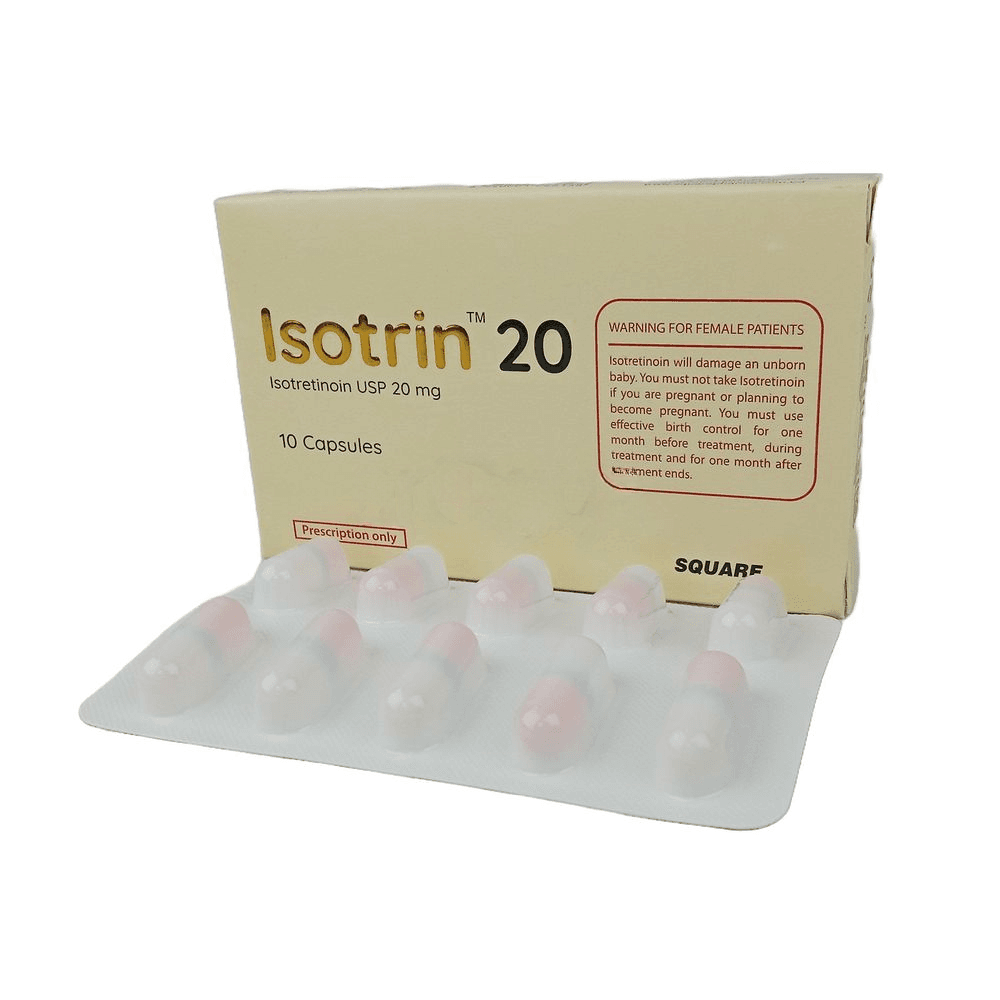
Heartburn, Acid Related Dyspepsia, Peptic ulcer disease, Zollinger-Ellison syndrome, Gastroesophageal reflux disease (GERD), Helicobacter pylori infection, Erosive Esophagitis, Gouty arthritis.
Reconstitution: \r\nEach single-use vial contains 20 or 40 mg of esomeprazole. \r\nFor IV inj: Reconstitute each vial w/ 5 mL of normal saline and consume w/in 12 hr. \r\nFor IV infusion: Reconstitute each vial w/ 5 mL of normal saline, lactated Ringer's inj or dextrose 5% inj, then further dilute the resultant solution to a final volume of 50 mL.\r\n\r\nIV Administration\r\nIV injection\r\nInjection: Over no less than 3 min\r\n\r\nIntermittent IV infusion\r\nInfuse over 10-30 min regardless of amount\r\nFlush IV line with NS, LR, or D5W prior to and after administration\r\nDo not administer with any other drugs\r\n\r\nContinuous IV infusion\r\nAdminister initial 80 mg IV dose over 30 min, THEN follow with\r\nContinuous IV infusion of 8 mg/hr for total treatment duration of 72 hr
Intravenous\r\nGastro-oesophageal reflux disease\r\nAdult: 20 or 40 mg by inj over at least 3 min or infusion over 10-30 min once daily for <10 days. Convert to oral therapy as soon as possible.\r\n\r\nNSAID-associated ulceration\r\nAdult: 20 mg/day by inj over at least 3 min or infusion over 10-30 min. Convert to oral therapy as soon as possible.\r\n\r\nGastric and duodenal ulcers\r\nAdult: 80 mg infusion over 30 min followed by continuous infusion of 8 mg/hr over 72 hr, then convert to oral therapy given as 40 mg once daily for 4 wk.\r\nElderly: No dosage adjustment needed.\r\n\r\nHepatic impairment: Severe (Child-Pugh class C): <20 mg/day.
Short-term Treatment of GERD\r\nIV\r\nShort-term treatment of GERD with erosive esophagitis when oral therapy is not possible or appropriate\r\n<1 month: Safety and efficacy not established\r\n1 month to 1 year: 0.5 mg/kg IV qDay \r\n>1 year (<55 kg): 10 mg IV qDay\r\n>1 year (?55 kg): 20 mg IV qDay
Renal impairment: No dosage adjustment needed.
Esomeprazole is contraindicated in patients with known hypersensitivity to any component of the formulation or to substituted Benzimidazoles.
Esomeprazole is a PPI that suppresses gastric acid secretion by inhibiting H+/K+ ATPase in the gastric parietal cell. It is the S-isomer of omeprazole.
Paediatric; pregnancy, lactation. Malignancy and hepatic impairment. Increased risk of developing certain infections such as community-acquired pneumonia. For patients with severe liver impairment, a dose of 20 mg should not be exceeded.\r\n\r\nLactation: Unknown whether esomeprazole is distributed into breast milk; discontinue drug or do not nurse
>10%\r\nHeadache (2-11%)\r\n\r\n1-10%\r\nFlatulence (10%),Indigestion (6%),Nausea (6%),Abdominal pain (1-6%),Diarrhea (2-4%),Xerostomia (3-4%),Dizziness (2-3%),Constipation (2-3%),Somnolence (1-2%),Pruritus (1%)\r\n\r\n<1%\r\nBlood and lymphatic system disorders: Agranulocytosis, pancytopenia\r\nBlurred vision,\r\nGI disorders: Pancreatitis, stomatitis, microscopic colitis\r\nHepatobiliary disorders: Hepatic failure, hepatitis with or without jaundice\r\nAnaphylactic reaction/shock\r\nGI candidiasis\r\nHypomagnesemia\r\n\r\nMusculoskeletal disorders: Muscular weakness, myalgia, bone fracture\r\nNervous system disorders: Hepatic encephalopathy, taste disturbance\r\nPsychiatric disorders: Aggression, agitation, depression, hallucination\r\nInterstitial nephritis\r\nGynecomastia\r\nBronchospasm\r\n\r\nSkin and subcutaneous tissue disorders: Alopecia, erythema multiforme, hyperhidrosis, photosensitivity, Stevens-Johnson syndrome, toxic epidermal necrolysis (sometimes fatal fatal)
Pregnancy\r\nThere are no adequate and well-controlled studies in pregnant women; esomeprazole is the S-isomer of omeprazole; available epidemiologic data fail to demonstrate an increased risk of major congenital malformations or other adverse pregnancy outcomes with first trimester omeprazole use; reproduction studies in rats and rabbits resulted in dose-dependent embryo-lethality at omeprazole doses that were approximately 3.4 to 34 times an oral human dose of 40 mg (based on a body surface area for a 60 kg person)\r\n\r\nLactation\r\nEsomeprazole is the S-isomer of omeprazole and limited data suggest that omeprazole may be present in human milk; there are no clinical data on effects of esomeprazole on breastfed infant or on milk production; developmental and health benefits of breastfeeding should be considered along with mother’s clinical need for therapy and any potential adverse effects on breastfed infant from treatment or from underlying maternal condition
Increased risk of digoxin-induced cardiotoxic effects. Increased risk of hypomagnesaemia w/ diuretics. May increase INR and prothrombin time w/ warfarin. May increase serum concentration of tacrolimus, saquinavir, methotrexate. May interfere the elimination of drugs metabolised by CYP2C19 (e.g. diazepam). May decrease the bioavailability of ketoconazole, erlotinib and Fe salts.\r\n\r\nPotentially Fatal: May decrease serum concentration and pharmacological effects of rilpivirine, atazanavir and nelfinavir. May decrease the antiplatelet effects of clopidogrel.
N/A