Search products by name
Search medicines by name
0
0 item
৳ ০.০০
আপনার সব স্বাস্থ্যসেবার সমাধান — এখন এক জায়গাতেই


১০৬৫৭
info@shukhee.com
টেলিকম ভবন, ৫৩/১, বক্স নগর, ঢাকা-১২১৬
৳ ০.০০
১০৬৫৭
info@shukhee.com
টেলিকম ভবন, ৫৩/১, বক্স নগর, ঢাকা-১২১৬

Quantity:

Products

Payment

Delivery
Diabetes mellitus
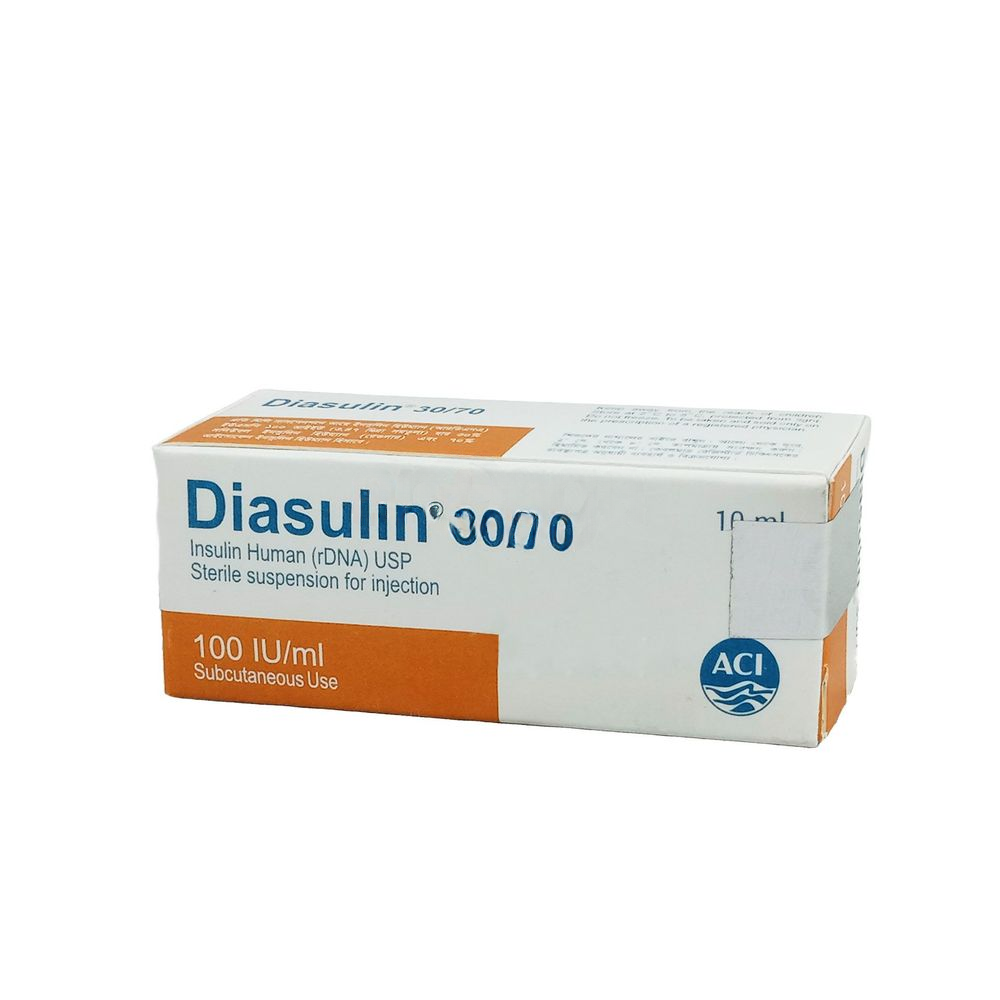
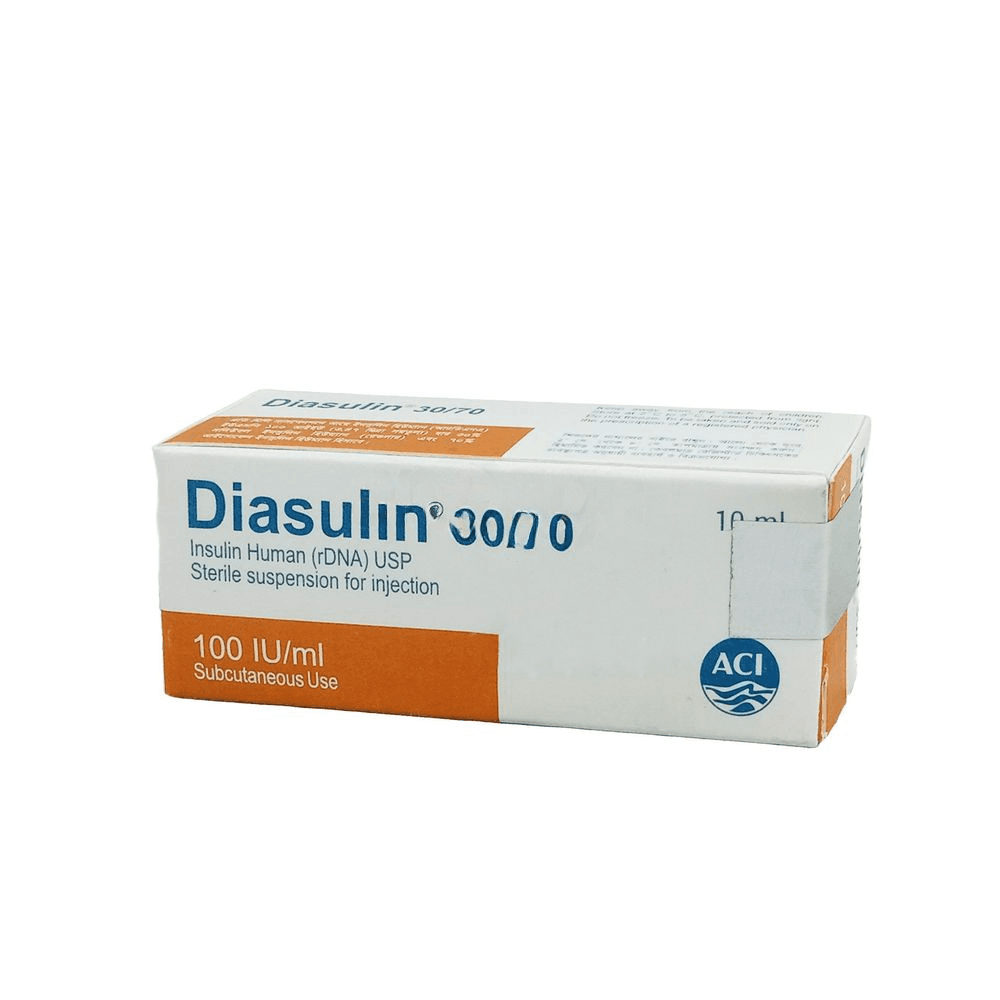
Administer within 15 min before a meal or immediately after a meal. Administer subcutaneously in the upper arm, thigh or abdominal wall. A subcutaneous injection into the abdominal wall results in a faster absorption than from other injection sites.
$4e
Subcutaneous\r\nType 1 Diabetes Mellitus\r\nSuggested guidelines for beginning dose\r\nKetones moderate or less: 0.5 U/kg/day SC\r\nKetones large: 0.7 U/kg/day SC
Renal impairment: Dose adjustments may be needed.
Hypoglycaemia.Hypersensitivity to any of the components.
$4f
Pregnancy (insulin requirements tend to fall during the 1st trimester, increase during the 2nd and 3rd) and lactation. Caution with decreased insulin requirements: Diarrhea, nausea/vomiting, malabsorption, hypothyroidism, renal impairment, hepatic impairment\r\nHypokalemia may occur\r\nNot for IV or IM administration\r\nUse with caution in renal and hepatic impairment (dosage requirements may be reduced)\r\nCaution with increased insulin requirements: Fever, hyperthyroidism, trauma, infection, surgery\r\n\r\nLactation: Safe to use while breastfeeding
Allergic reactions. Injection site reaction, lipodystrophy, pruritus, rash, lipoatrophy, hypokalaemia, blurred vision. Hypoglycaemia, insulin resistance.\r\nHeadache,Influenza-like symptoms,Dyspepsia,Diarrhea,Back pain,Pharyngitis,
Oral hypoglycemic agents, MAOIs, nonselective beta-blocker, ACE inhibitors, salicylates, alcohol, anabolic steroids & sulphonamides may reduce insulin requirement. OCs, thiazides, glucocorticoids, thyroid hormones, sympathomimetics & danazol may increase insulin requirements. \r\n\r\nOctreotide/lanreotide may both decrease & increase insulin requirement. beta-blockers may mask symptoms of hypoglycemia. Alcohol may intensify or reduce hypoglycemic effect of insulin.
N/A