Search products by name
Search medicines by name
0
0 item
৳ ০.০০
আপনার সব স্বাস্থ্যসেবার সমাধান — এখন এক জায়গাতেই


১০৬৫৭
info@shukhee.com
টেলিকম ভবন, ৫৩/১, বক্স নগর, ঢাকা-১২১৬
৳ ০.০০
১০৬৫৭
info@shukhee.com
টেলিকম ভবন, ৫৩/১, বক্স নগর, ঢাকা-১২১৬

Quantity:

Products

Payment

Delivery
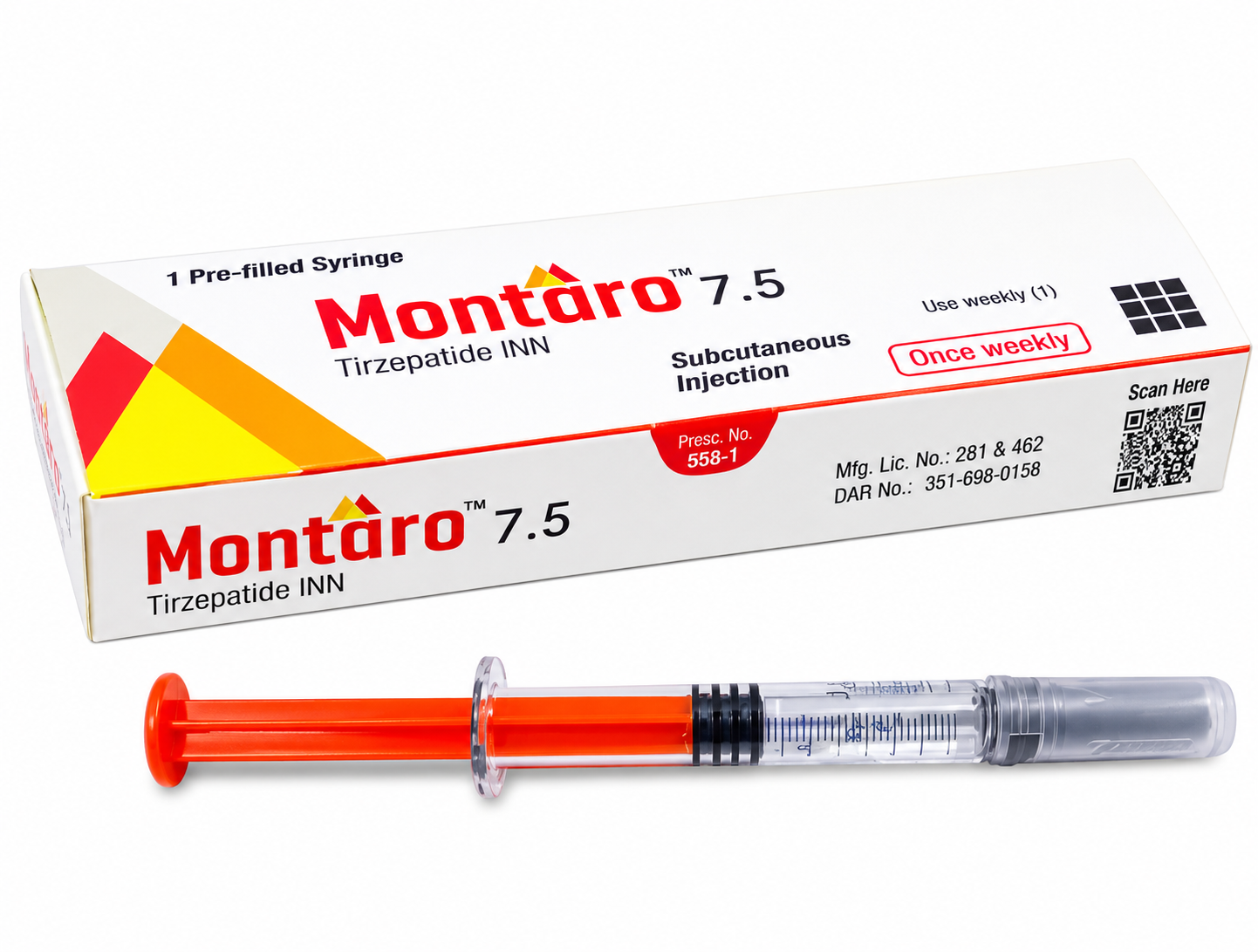
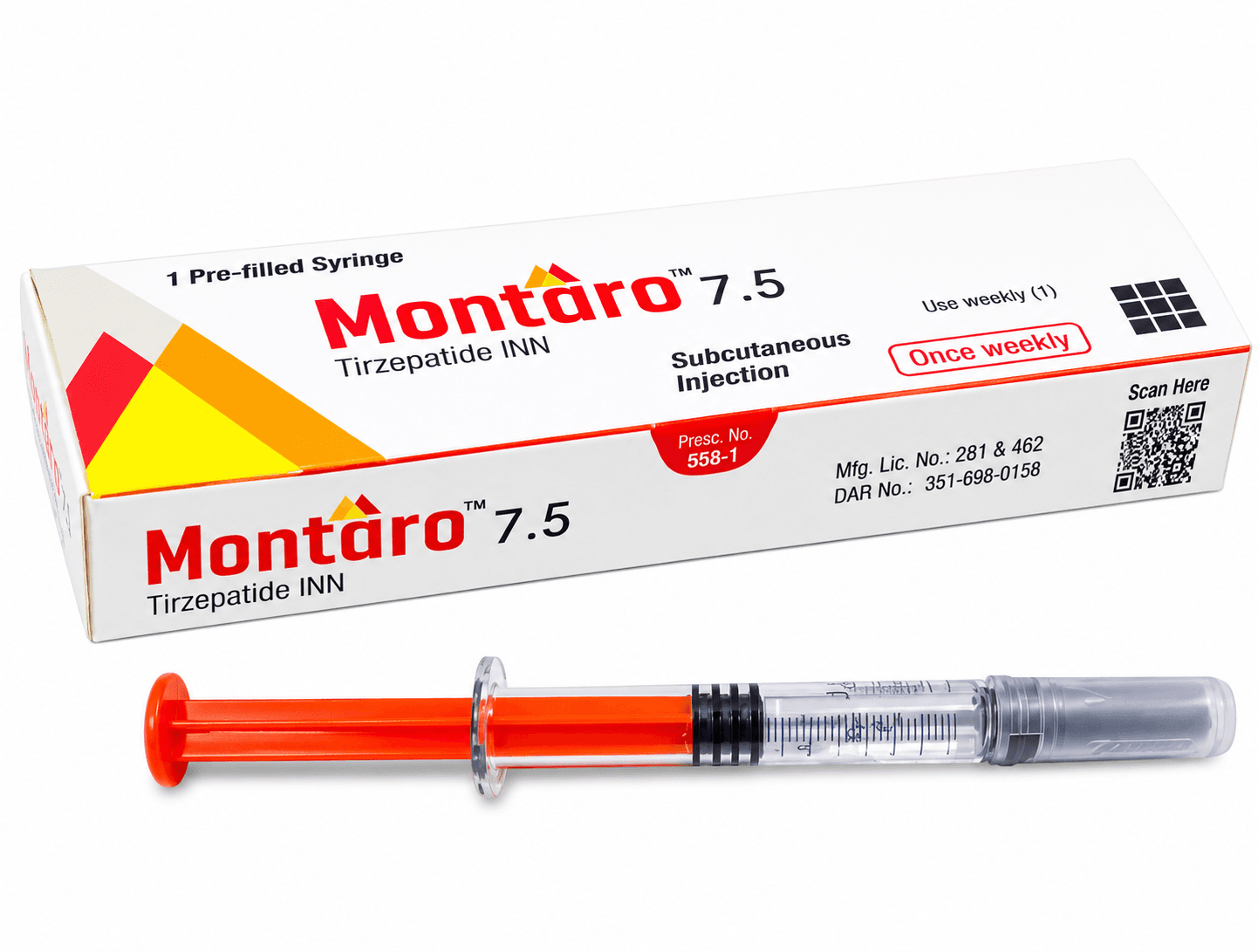
Montaro is indicated as an adjunct to diet and exercise to improve glycemic control in adults with Type 2 Diabetes Mellitus.
Tirzepatide is a dual GIP receptor and GLP-1 receptor agonist.
It:
Administer by subcutaneous injection.
The weekly administration day may be changed if there are at least 72 hours between two doses.
Rotate injection sites with each dose.
Montaro is contraindicated in:
Common adverse effects include:
Use during pregnancy only if the potential benefit justifies the potential risk to the fetus.
Consider the benefits of breastfeeding and the mother's clinical need for Tirzepatide when making treatment decisions.
Safety and effectiveness have not been established in patients under 18 years of age.
Overdose may increase the severity of adverse reactions.
Provide appropriate supportive treatment based on clinical symptoms. Due to the approximately 5-day half-life of Tirzepatide, prolonged observation may be required.

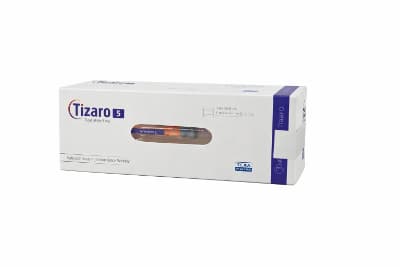
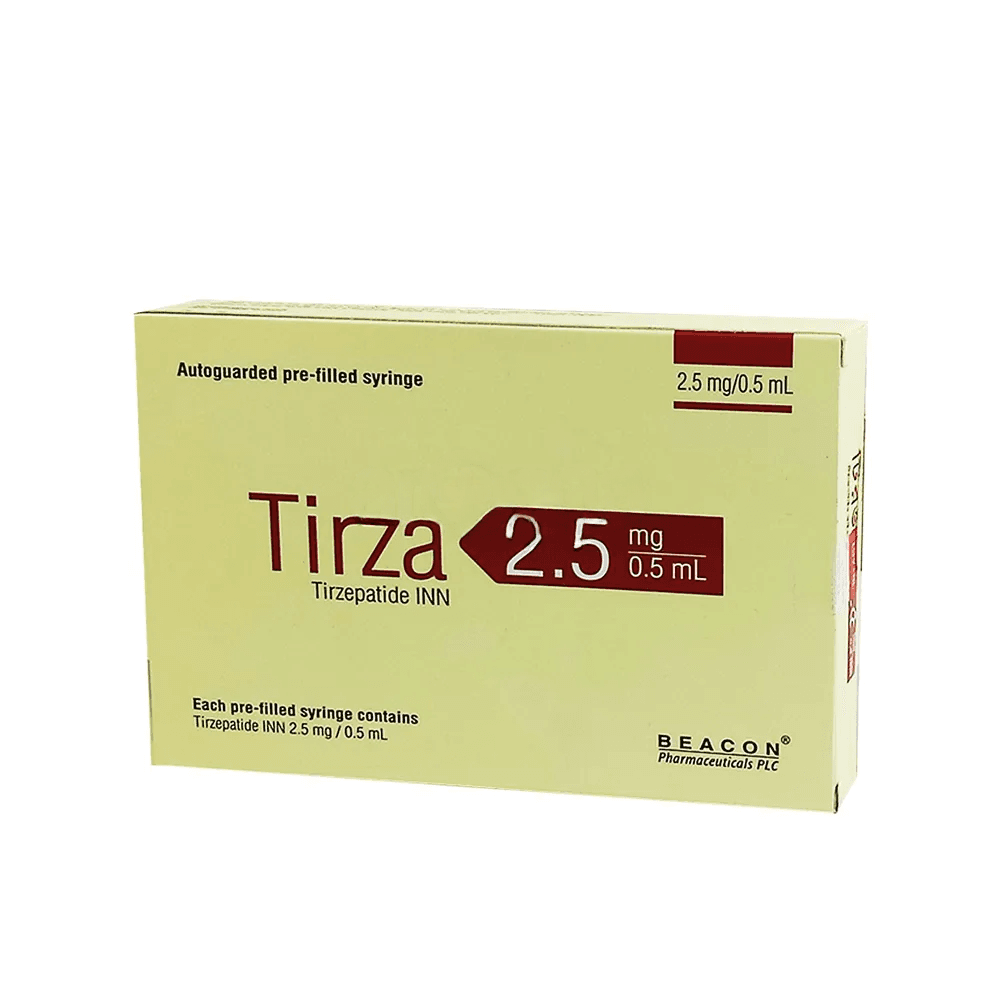
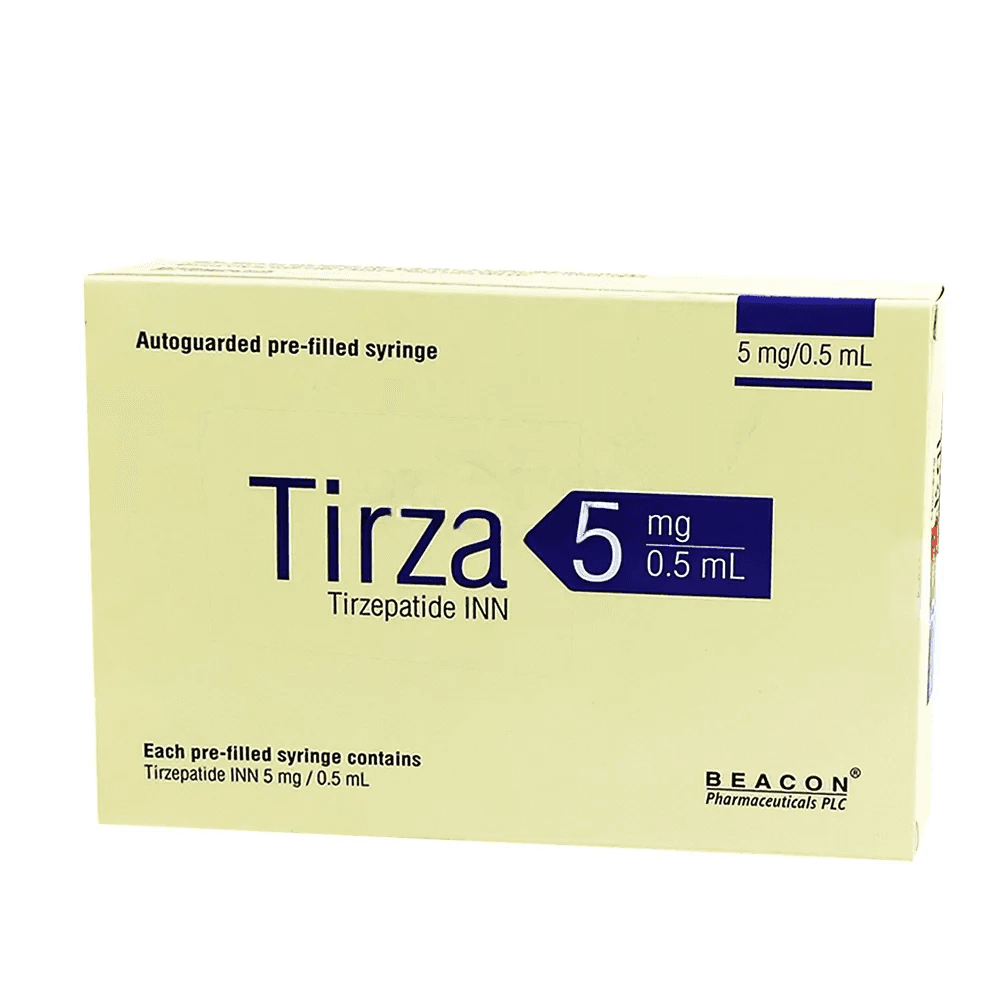
Tirzepatide is an injectable medication used for type 2 diabetes management and, in many cases, weight management. It works as a dual agonist of GIP (glucose-dependent insulinotropic polypeptide) and GLP-1 (glucagon-like peptide-1) receptors, helping regulate blood sugar and appetite.
Tirzepatide helps lower blood glucose levels, improve insulin sensitivity, reduce appetite, and support significant weight loss. It may also reduce cardiovascular risk factors in patients with type 2 diabetes.