Indications
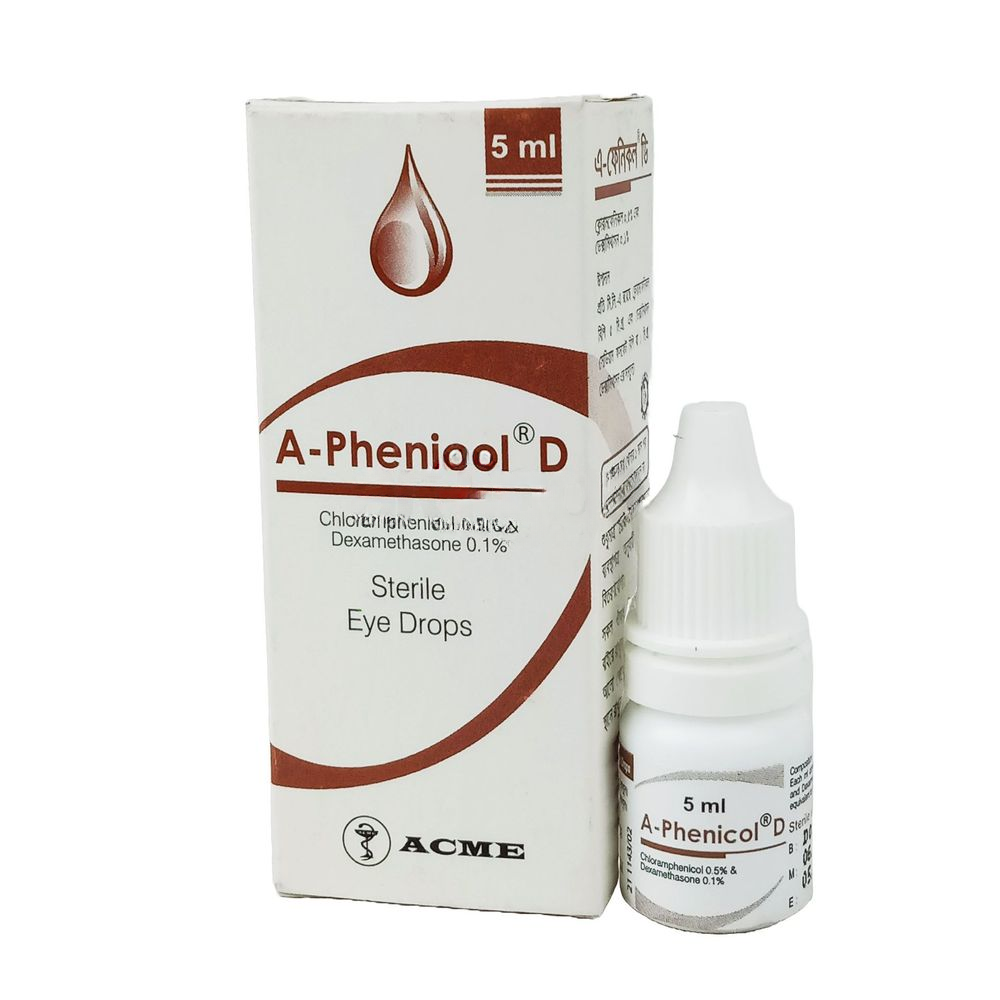
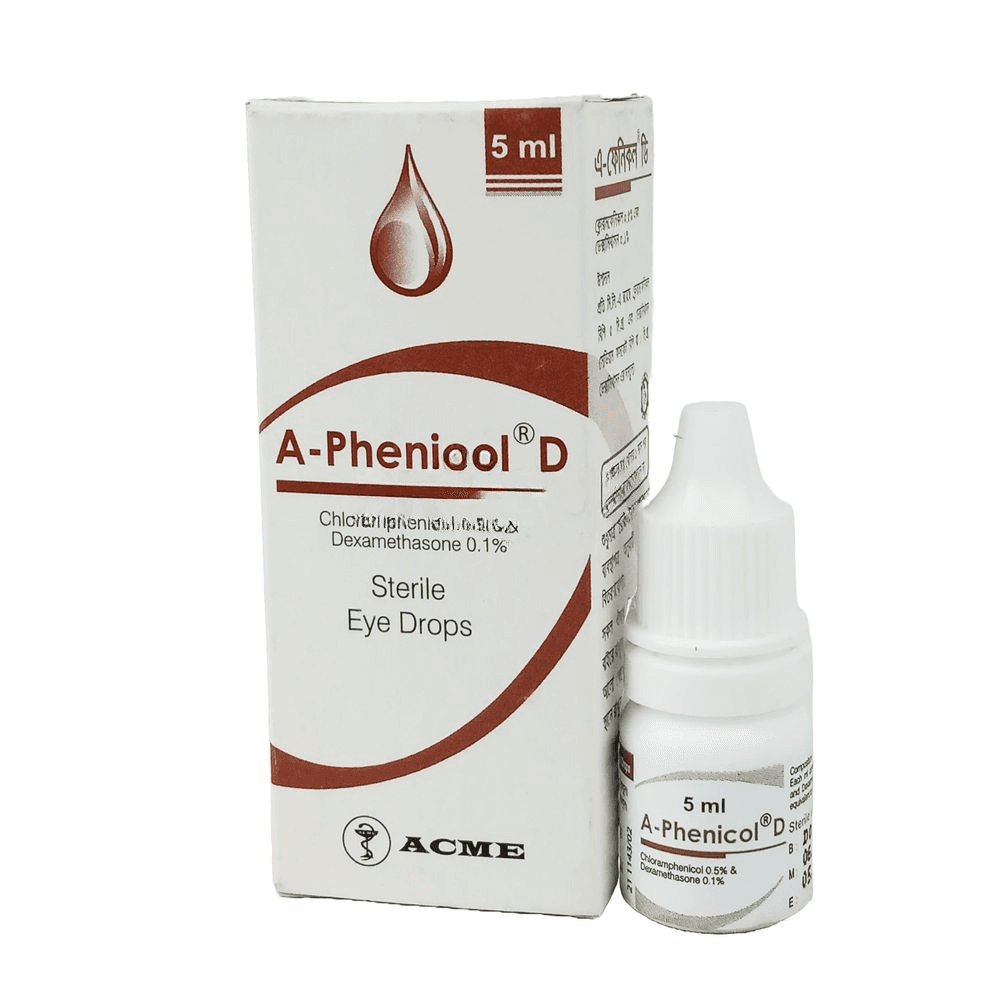
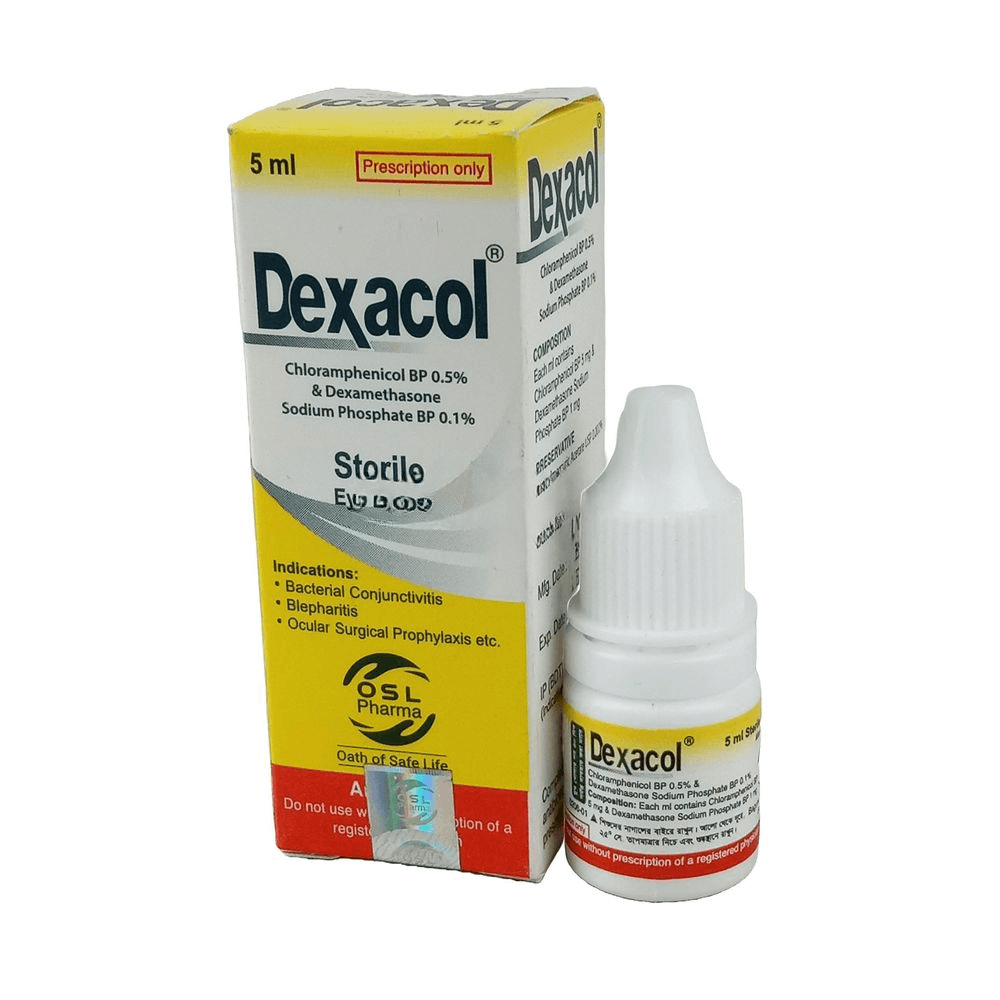
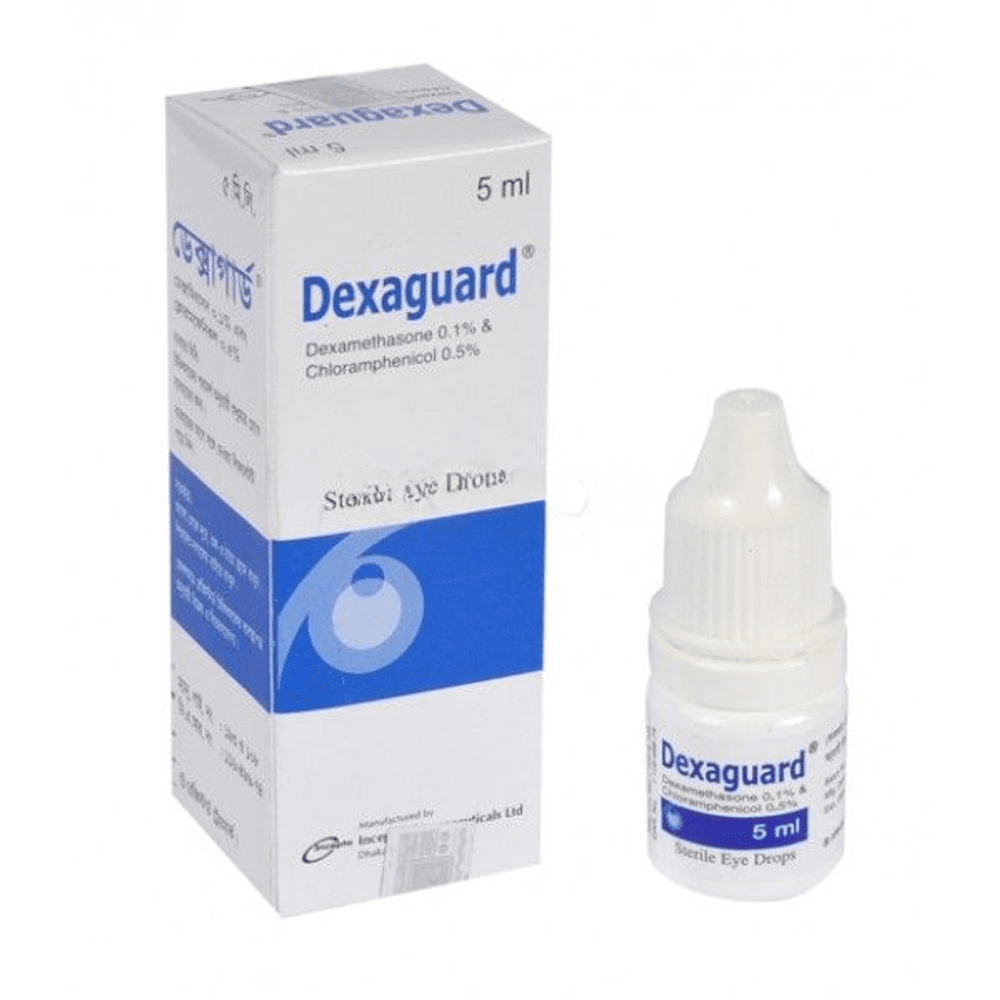
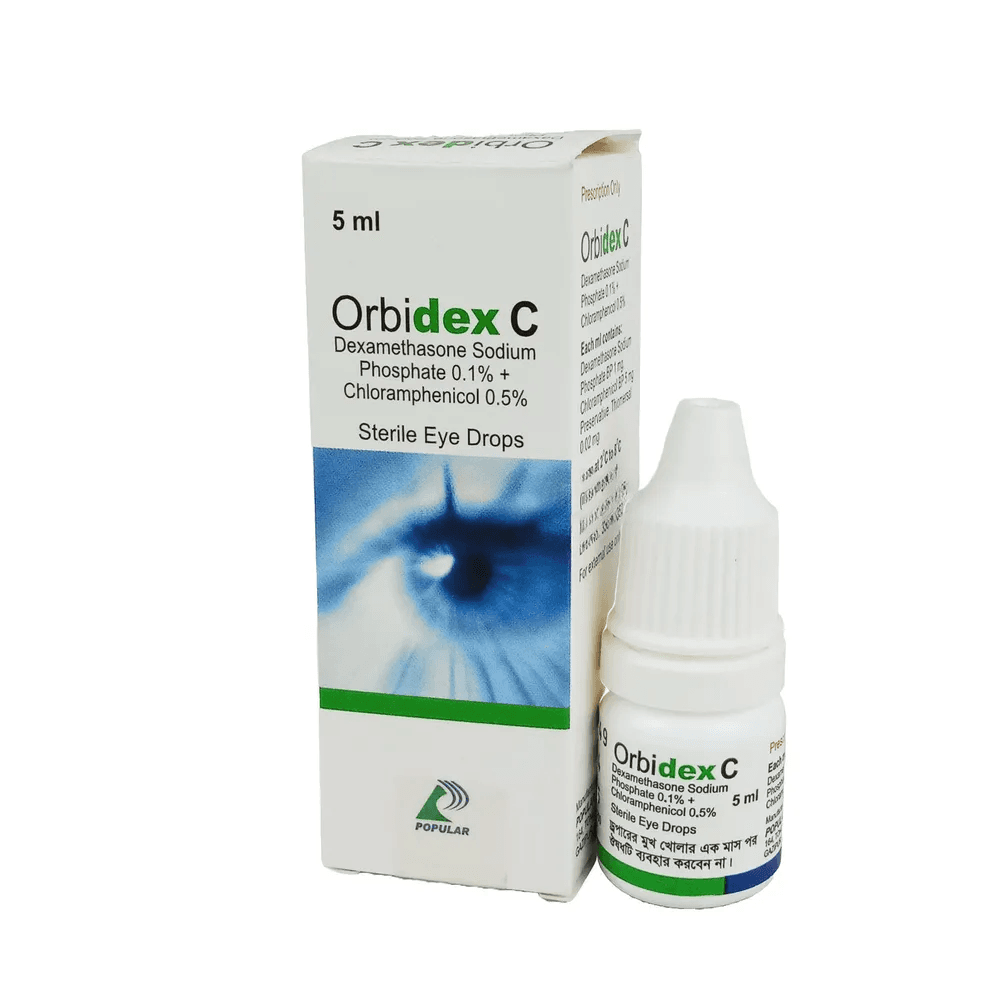
Eye: A-Phenicol D is indicated in acute purulent conjunctivitis, corneal ulceration, keratitis disciformis, post-herpetic keratitis, allergic conditions, iritis, uveitis, and chemical or thermal eye injuries. It is used in steroid-responsive ocular inflammations with bacterial infection or risk thereof.
Ear: A-Phenicol D is indicated in otitis externa, otitis media, and chronic suppurative otitis media.
Pharmacology
Dexamethasone is a glucocorticoid with anti-inflammatory and anti-allergic actions, absorbed rapidly after oral administration with a half-life of about 190 minutes, though sufficient topical absorption can cause systemic effects. Chloramphenicol is a broad-spectrum bacteriostatic antibiotic that inhibits bacterial protein synthesis by binding to ribosomes.
Dosage & Administration
Eye:
- Bacterial Conjunctivitis: Proper application frequency and duration should be determined and supervised by a registered physician.
- Corneal Ulcers: Proper application frequency and duration should be determined and supervised by a registered physician.
Ear: Proper application frequency and duration should be determined and supervised by a registered physician.
Interaction
Chloramphenicol may enhance the effect of anticoagulants like warfarin and is inhibited by phenobarbital. Dexamethasone efficacy may be reduced by phenytoin, phenobarbitone, ephedrine, and rifampicin.
Contraindications
Contraindicated in epithelial herpes simplex cornealis, fungal, viral, or tuberculous eye infections, glaucoma, history of myelosuppression from chloramphenicol, or hypersensitivity to the components.
Side Effects
Includes transient burning, stinging, redness, itching, conjunctivitis, foreign body sensation, photophobia, blurred vision, dryness, eye pain, allergic sensitization, increased intraocular pressure (glaucoma), optic nerve damage, and posterior subcapsular cataracts.
Pregnancy & Lactation
Use during pregnancy only if potential benefits justify the risks to the fetus. Exercise caution when administered to nursing mothers.
Precautions & Warnings
Prolonged corticosteroid use may lead to fungal corneal infections, posterior subcapsular cataracts, and glaucoma (requiring intraocular pressure monitoring). Prolonged antibiotic use may cause overgrowth of non-susceptible organisms; discontinue if new infections arise.
Therapeutic Class
Anti-infectives & antiseptics, Ophthalmic steroid - antibiotic combined preparations
Storage Conditions
Keep in a cool, dry place, away from light, and out of reach of children. Do not use after 30 days of first opening.