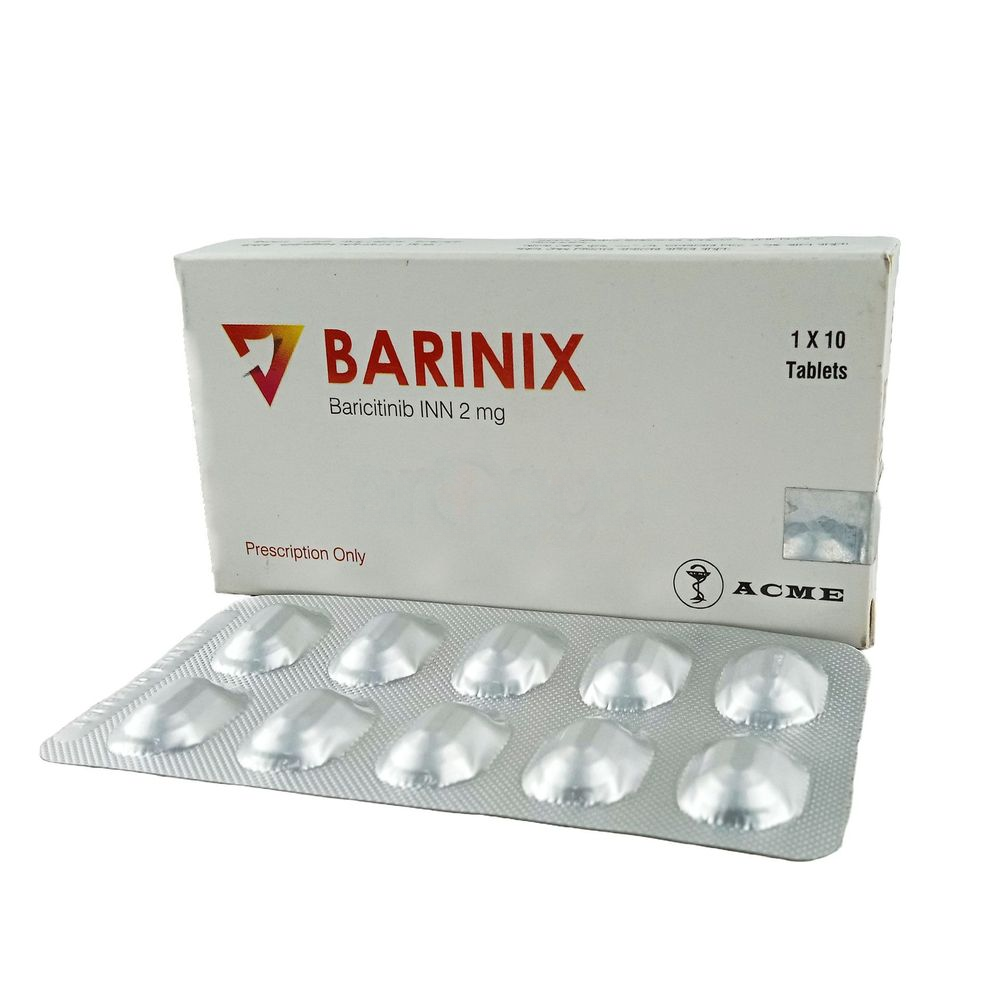
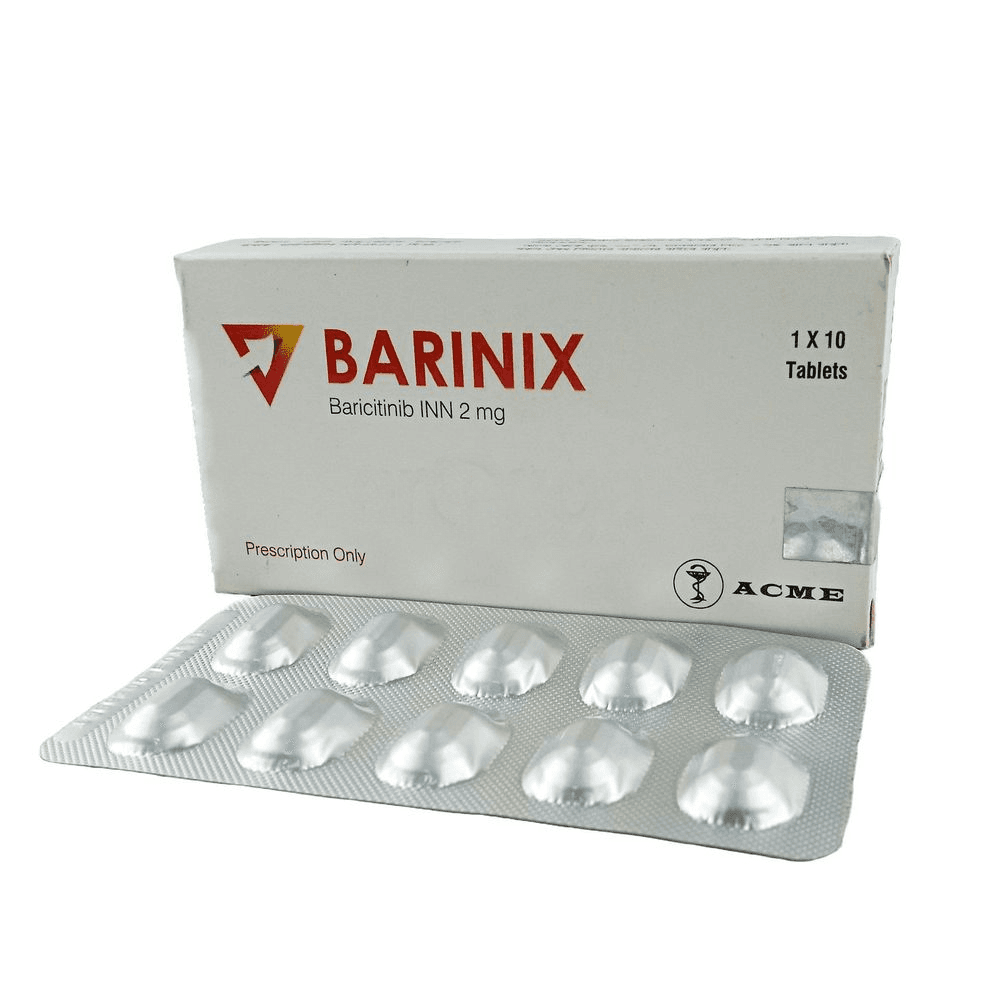
Indications
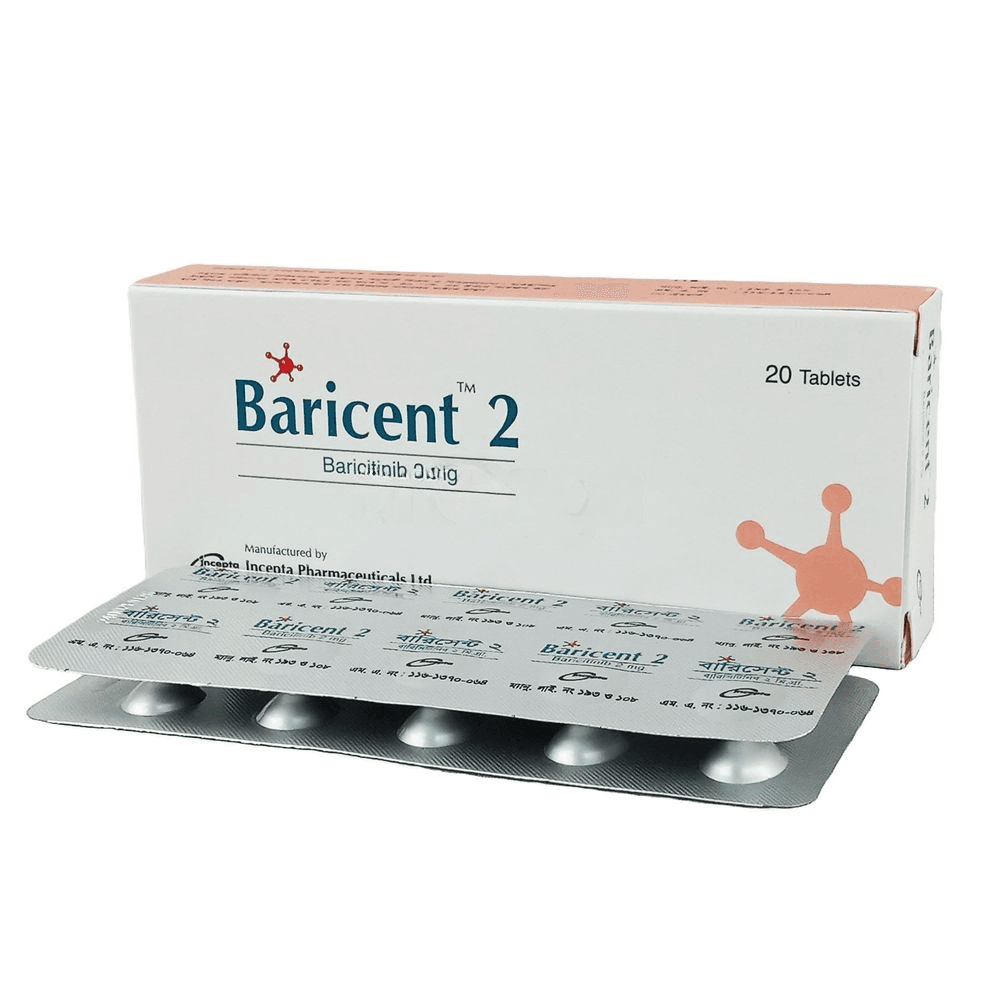
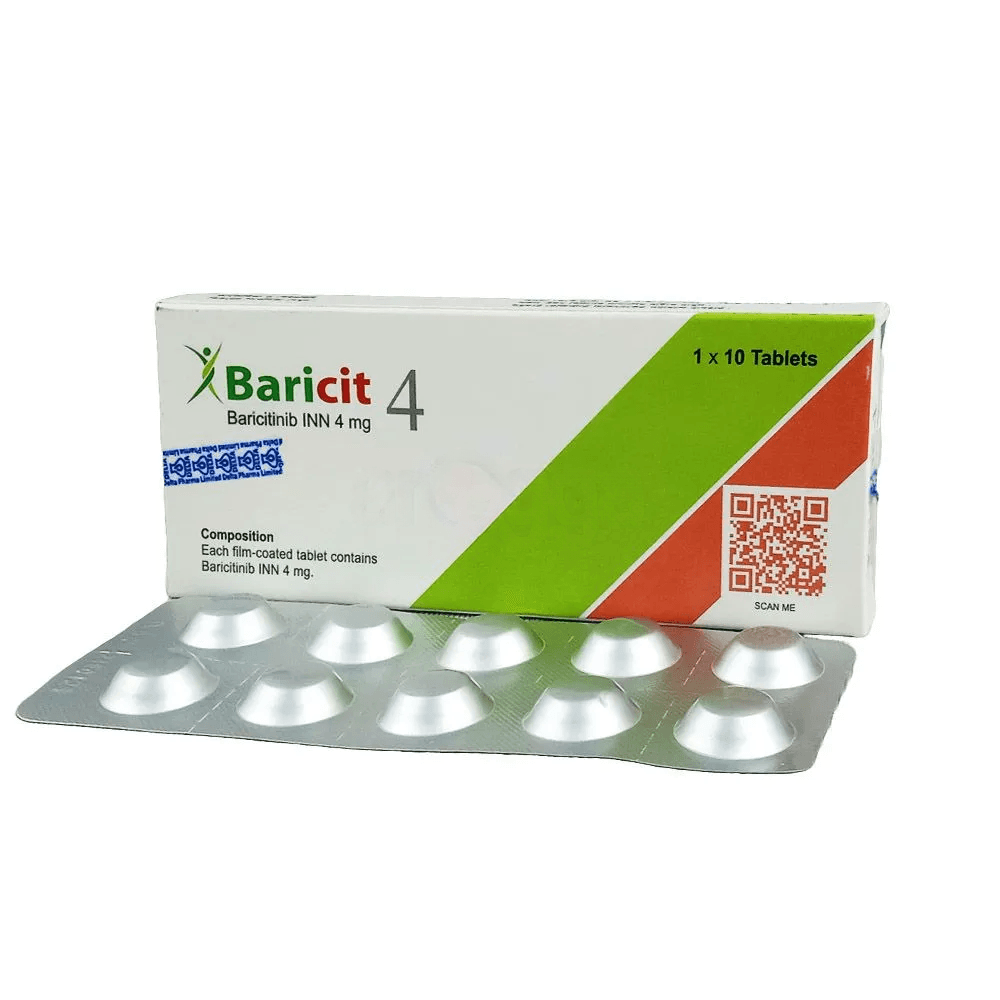
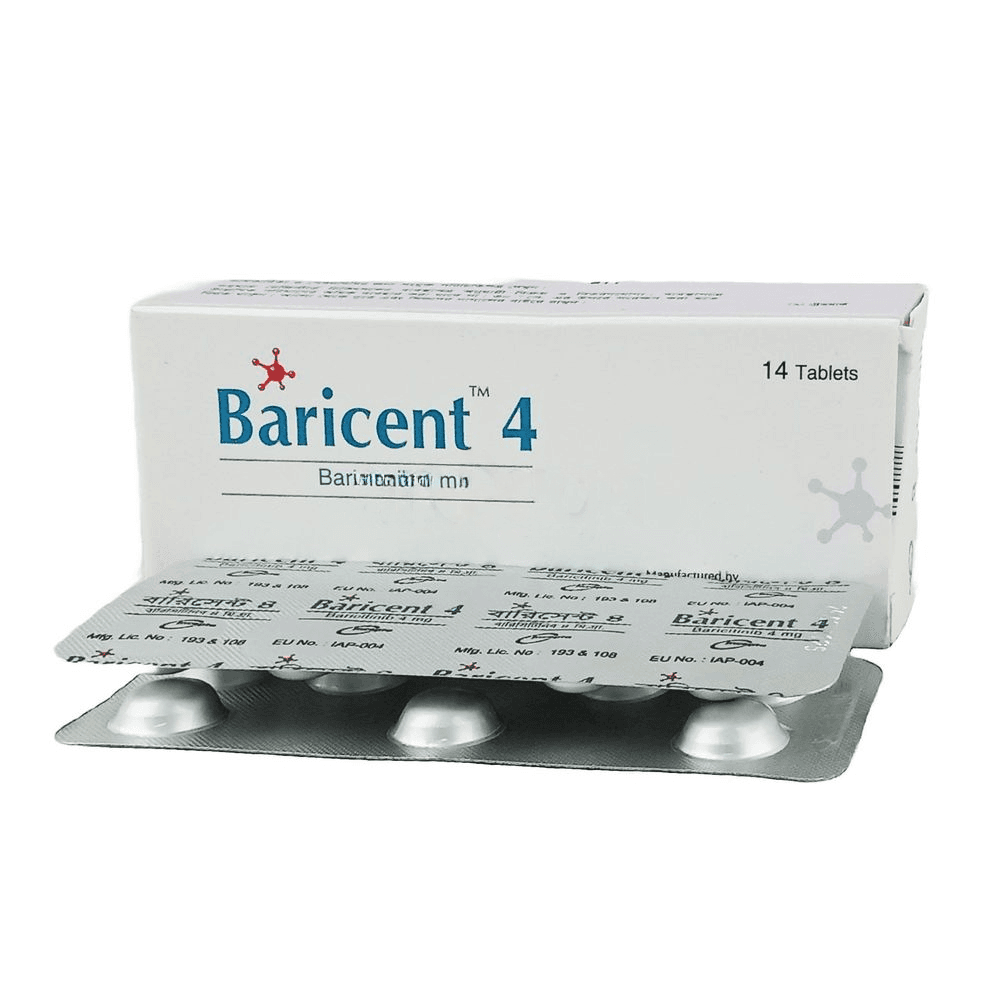
Barinix tablet is used to treat adult patients with moderate to severe Rheumatoid Arthritis who did not get good results from one or more tumor necrosis factor (TNF) blocker therapies.
Limitation of Use: Do not use Barinix together with other JAK inhibitors, biologic DMARDs, or strong immunosuppressants like Azathioprine and Cyclosporine.
- Take medicine only as advised by a registered physician.
Pharmacology
Baricitinib is a selective and reversible blocker of Janus kinase JAK1 and JAK2 enzymes. These JAK enzymes carry signals inside the cells for several cytokines and growth factors that control blood cell formation, inflammation, and body immunity. Inside the cell, JAKs activate proteins called STATs, which turn on certain genes. Baricitinib slows down this signaling process by partially blocking JAK1 and JAK2 enzymes, which reduces the activation of STATs.
Dosage & Administration
- Adult dose: The recommended dose of Baricitinib is 2 mg once a day. It can be taken alone or with Methotrexate or other Disease-modifying antirheumatic drugs (DMARDs). You can take it by mouth with or without food.
- Pediatric Use: The safety and effectiveness of Baricitinib in children have not been proven.
- Geriatric Use: Elderly patients often have lower kidney function, so doctors must be careful when choosing their dose.
- Hepatic Impairment: No dose change is needed for patients with mild or moderate liver problems.
- Renal impairment: Baricitinib is not recommended for patients whose estimated kidney filtration rate (GFR) is less than 60 mL/min/1.73 m2.
- Take medicine only as advised by a registered physician.
Interaction
- Strong OAT3 Inhibitors: The level of Barinix in the body increases if taken together with strong OAT3 inhibitors (such as probenecid).
- Other JAK Inhibitors or Biologic DMARDs: Using Barinix together with other JAK inhibitors or biologic DMARDs has not been studied.
Contraindications
- Anemia: Do not start or must stop Baricitinib if the patient's hemoglobin is less than 8 g/dL.
- Lymphopenia: Do not start or must stop Baricitinib if the Absolute Lymphocyte Count is less than 500 cells/mm3.
- Neutropenia: Do not start or must stop Baricitinib if the Absolute Neutrophil Count is less than 1000 cells/mm3.
Side Effects
The most common side effects reported in at least 2% of patients taking Barinix alone or with standard synthetic DMARDs are increased LDL cholesterol (33.6%), upper respiratory tract infections (14.7%), and nausea (2.8%).
Pregnancy & Lactation
Baricitinib must not be used during pregnancy. There is no information available on whether Baricitinib passes into human breast milk.
Precautions & Warnings
- Serious Infections: Avoid giving Barinix to patients who have an active, serious infection, including localized infections.
- Tuberculosis: Barinix should not be given to patients with active tuberculosis (TB).
- Malignancy and Lymphoproliferative Disorders: Doctors should weigh the risks and benefits before starting Barinix in patients with known cancer (except successfully treated non-melanoma skin cancer) or when continuing it in patients who develop cancer.
- Thrombosis: Use Barinix with caution in patients who have a higher risk of blood clots (thrombosis).
- Gastrointestinal Perforations: Use Barinix with caution in patients who have a higher risk of stomach or intestinal tears (perforation).
- To be sold and dispensed only with the prescription of a registered physician.
Overdose Effects
In case of an overdose, closely watch the patient for any signs and symptoms of side effects. If side effects appear, give the patient proper medical treatment.
Therapeutic Class
Immunosuppressant
Storage Conditions
Store at or below 30°C temperature. Keep away from direct light and damp places. Keep out of reach of children.