Search products by name
Search medicines by name
0
0 item
৳ ০.০০
আপনার সব স্বাস্থ্যসেবার সমাধান — এখন এক জায়গাতেই


১০৬৫৭
info@shukhee.com
টেলিকম ভবন, ৫৩/১, বক্স নগর, ঢাকা-১২১৬
৳ ০.০০
১০৬৫৭
info@shukhee.com
টেলিকম ভবন, ৫৩/১, বক্স নগর, ঢাকা-১২১৬


Products

Payment

Delivery
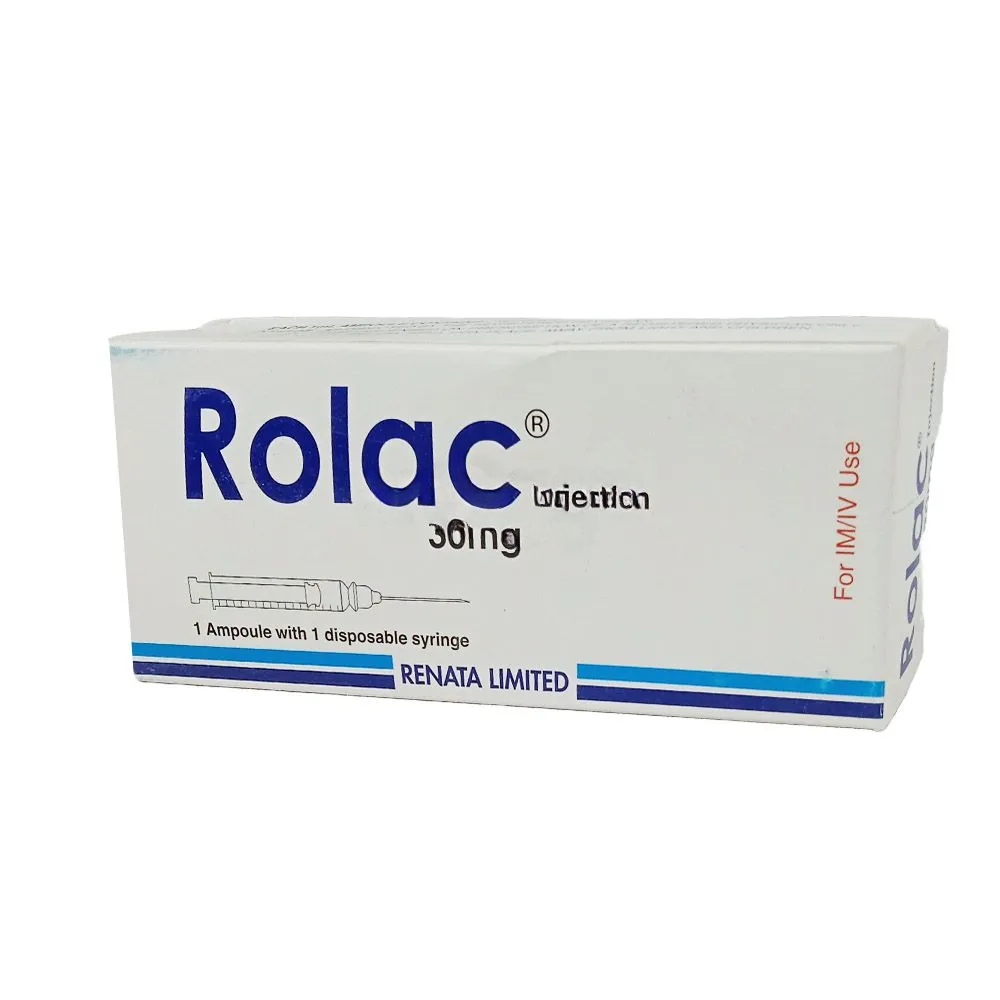
Moderate to severe pain
Oral\r\nAdult\r\nModerately Severe Acute Pain\r\nShort-term (<5 days) management of moderately severe acute pain that requires analgesia at opioid level; not indicated for minor or chronic painful conditions\r\nIV: 30 mg as single dose or 30 mg q6hr; not to exceed 120 mg/day\r\nIM: 60 mg as single dose or 30 mg q6hr; not to exceed 120 mg/day\r\nPO: 20 mg once after IV or IM therapy, THEN 10 mg q4-6hr; not to exceed 40 mg/day\r\n\r\nElderly\r\nIV: 15 mg as single dose or 15 mg q6hr; not to exceed 60 mg/day\r\nIM: 30 mg as single dose or 15 mg q6hr; not to exceed 60 mg/day\r\nPO: 10 mg once after IV or IM therapy, THEN 10 mg q4-6hr; not to exceed 40 mg/day\r\n\r\nDosing Considerations\r\nAlways begin with parenteral therapy; oral administration indicated only as continuation of IV/IM dosing, if necessary\r\nDuration of therapy should not exceed 5 days
<2 years\r\nSafety and efficacy not established\r\n\r\n2-16 years\r\nSingle dose: 0.5 mg/kg IV/IM once; not to exceed 15 mg \r\nMultiple dose: 0.5 mg/kg IV/IM q6hr; not to exceed 5 days
Renal impairment\r\nSevere: Contraindicated\r\nModerate (moderately elevated serum creatinine): Use 50% of recommended dosage; not to exceed 60 mg/day IM/IV
Hypersensitivity to aspirin or other NSAIDs, asthma. Hypovolaemia or dehydration. Do not give postoperatively to patients with high risk of haemorrhage. History of peptic ulcer or coagulation disorders. Nasal polyps, angioedema, bronchospasm. Labour. Moderate to severe renal impairment. GI bleeding, cerebrovascular bleeding. As prophylactic analgesic before surgery. Pregnancy, lactation.
Ketorolac inhibits prostaglandin synthesis by decreasing the activity of the cyclooxygenase enzyme.
Elderly, patients weighing <50 kg, hepatic dysfunction, heart failure, predisposition to reduced blood volume or renal blood flow. Mild renal impairment; monitor renal function closely.\r\n\r\nLactation: Drug excreted in breast milk with multiple doses; use contraindicated
>10%\r\nHeadache (17%),Somnolence (3-14%),Dyspepsia (12-13%),GI pain (12-13%),Nausea (12-13%)\r\n\r\n1-10%\r\nDiarrhea (3-9%),Dizziness (3-9%),Pruritus (3-9%),Edema (1-3%),Increased blood urea nitrogen (BUN) (3%),Constipation (<3%),Purpura (<3%),Increased serum creatinine (2%),Drowsiness (6%),Hypertension (4%)\r\n\r\n<1%\r\nAbnormal thinking,Anaphylaxis,Blurred vision,Bronchospasm,Cholestatic jaundice,Depression,Difficulty in concentration,Dysgeusia,Euphoria,Hemolytic-uremic syndrome,Hepatitis,Hyperkalemia,Hyponatremia,Hypotension,Increased liver function test values,Insomnia,Laryngeal/lingual edema,Liver failure,Melena,Nervousness,Oliguria,Pallor,Peptic ulcer,Rash,Rectal bleeding,Stomatitis,Urinary frequency,Urinary retention,Vasodilation\r\n\r\nPotentially Fatal: Anaphylaxis. Severe skin reactions. MI, stroke, GI bleeding.
Pregnancy category: C; D in third trimester (may cause premature closure of ductus arteriosus)
May reduce effects of antihypertensives eg ACE inhibitors or angiotensin II receptor antagonists (AIIA). Increased risk of renal toxicity with ACE inhibitors, diuretics. Increased adverse effects with aspirin or other NSAIDs. Hallucinations may occur when used with fluoxetine, thiothixene, alprazolam.\r\n\r\nPotentially Fatal: Increased risk of GI bleeding with warfarin. May increase toxicity of methotrexate (MTX) and lithium. Increased plasma concentrations with probenecid.
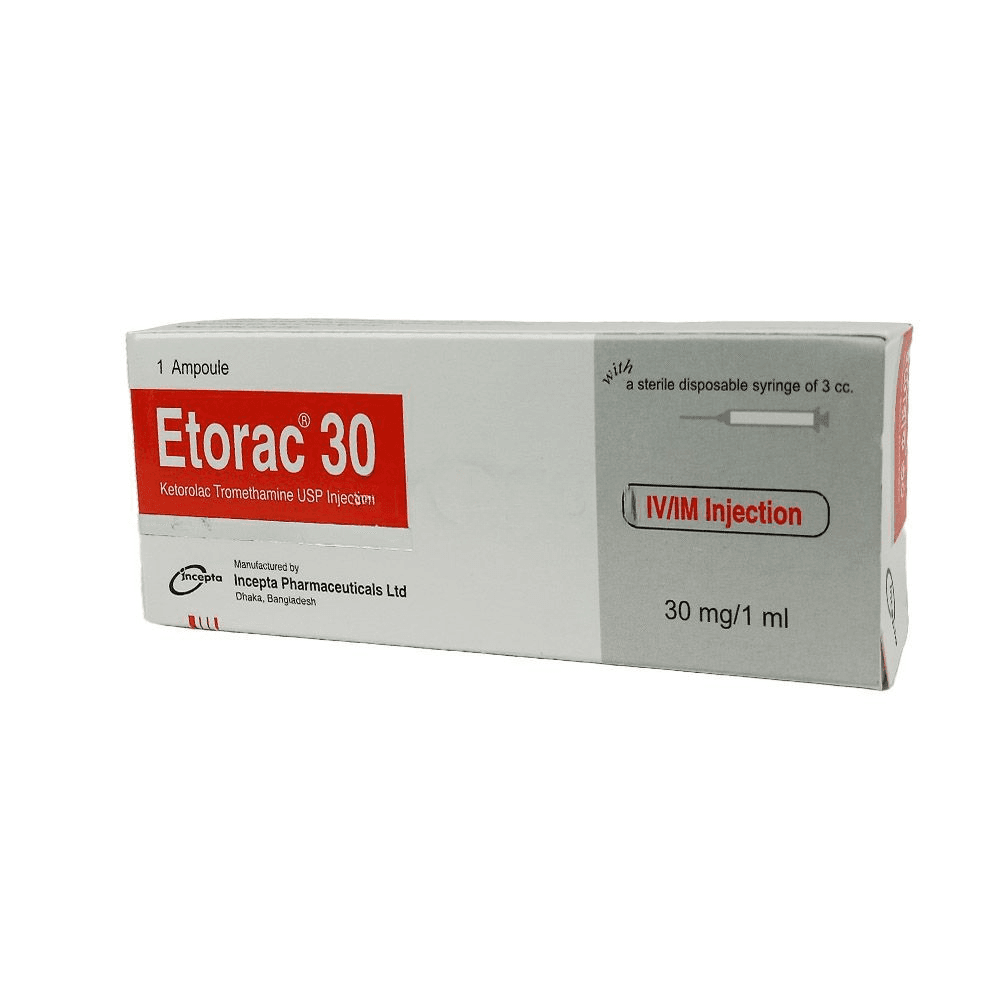
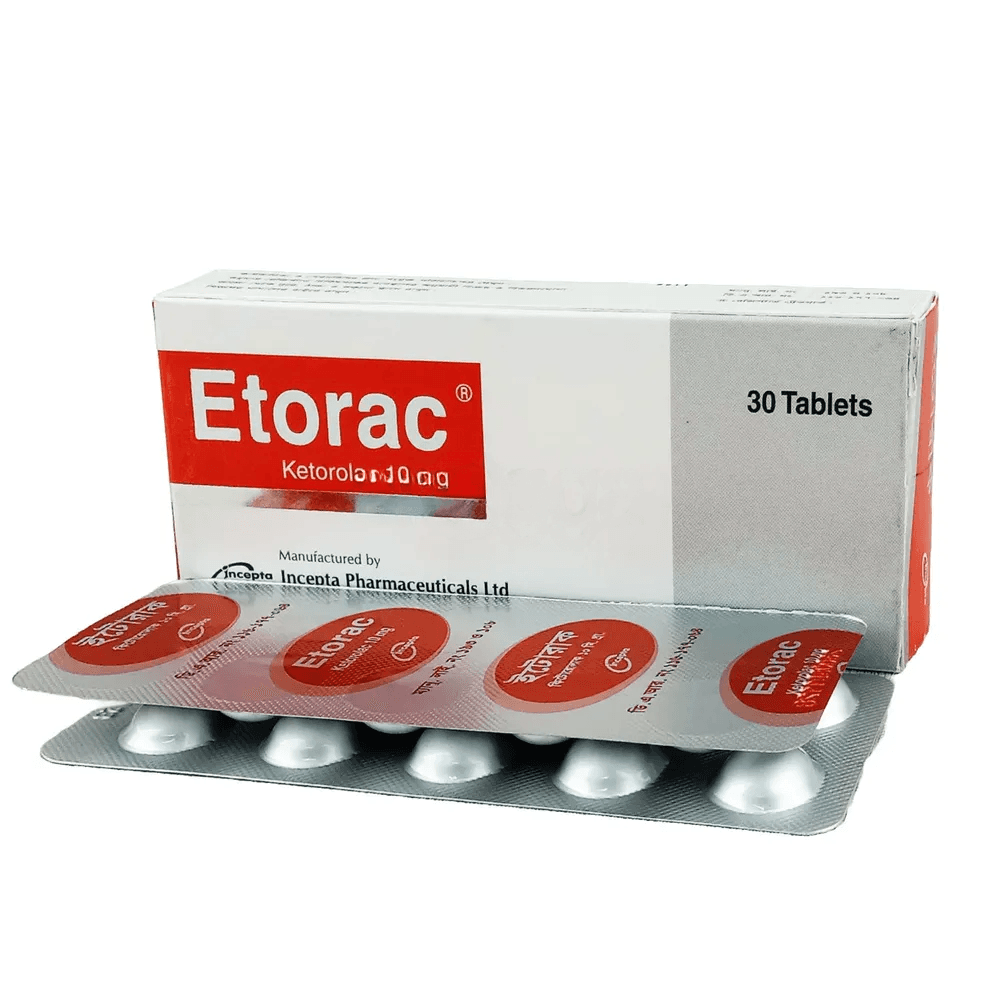


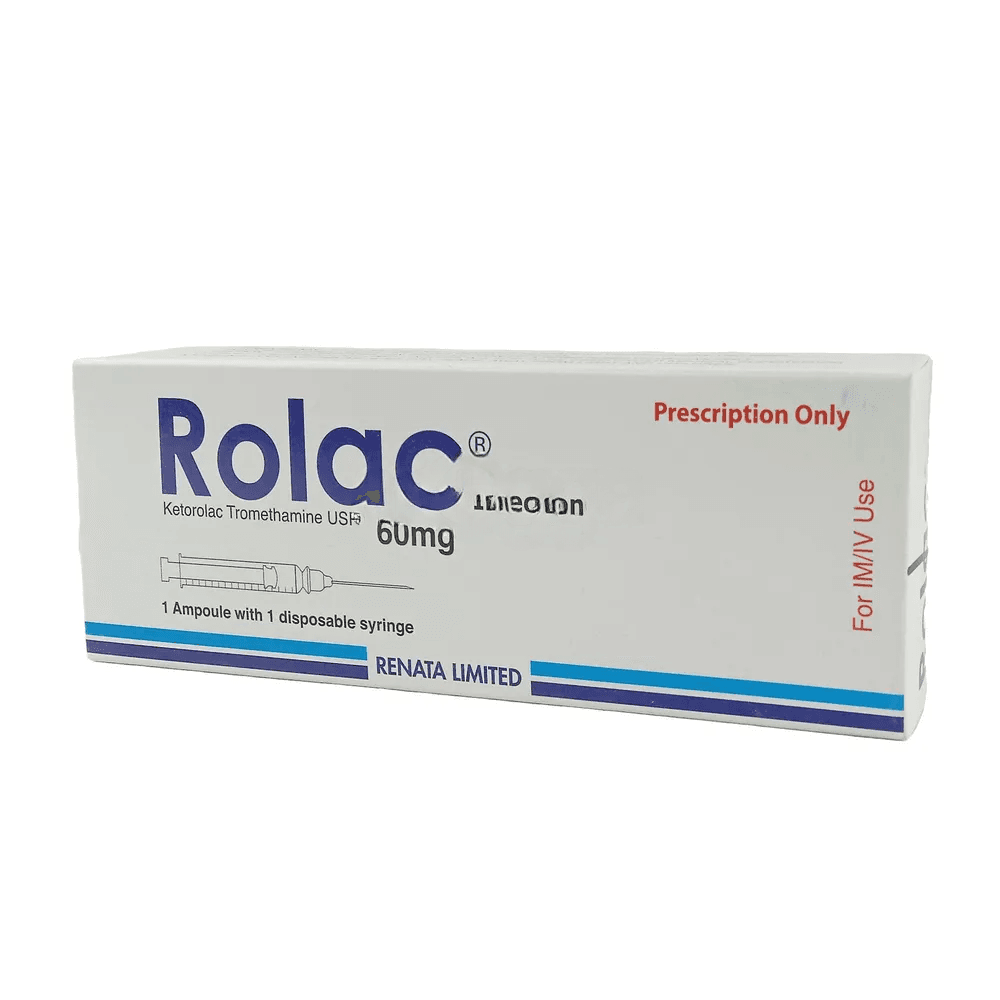
Moderate to severe pain
Oral\r\nAdult\r\nModerately Severe Acute Pain\r\nShort-term (<5 days) management of moderately severe acute pain that requires analgesia at opioid level; not indicated for minor or chronic painful conditions\r\nIV: 30 mg as single dose or 30 mg q6hr; not to exceed 120 mg/day\r\nIM: 60 mg as single dose or 30 mg q6hr; not to exceed 120 mg/day\r\nPO: 20 mg once after IV or IM therapy, THEN 10 mg q4-6hr; not to exceed 40 mg/day\r\n\r\nElderly\r\nIV: 15 mg as single dose or 15 mg q6hr; not to exceed 60 mg/day\r\nIM: 30 mg as single dose or 15 mg q6hr; not to exceed 60 mg/day\r\nPO: 10 mg once after IV or IM therapy, THEN 10 mg q4-6hr; not to exceed 40 mg/day\r\n\r\nDosing Considerations\r\nAlways begin with parenteral therapy; oral administration indicated only as continuation of IV/IM dosing, if necessary\r\nDuration of therapy should not exceed 5 days
<2 years\r\nSafety and efficacy not established\r\n\r\n2-16 years\r\nSingle dose: 0.5 mg/kg IV/IM once; not to exceed 15 mg \r\nMultiple dose: 0.5 mg/kg IV/IM q6hr; not to exceed 5 days
Renal impairment\r\nSevere: Contraindicated\r\nModerate (moderately elevated serum creatinine): Use 50% of recommended dosage; not to exceed 60 mg/day IM/IV
Hypersensitivity to aspirin or other NSAIDs, asthma. Hypovolaemia or dehydration. Do not give postoperatively to patients with high risk of haemorrhage. History of peptic ulcer or coagulation disorders. Nasal polyps, angioedema, bronchospasm. Labour. Moderate to severe renal impairment. GI bleeding, cerebrovascular bleeding. As prophylactic analgesic before surgery. Pregnancy, lactation.
Ketorolac inhibits prostaglandin synthesis by decreasing the activity of the cyclooxygenase enzyme.
Elderly, patients weighing <50 kg, hepatic dysfunction, heart failure, predisposition to reduced blood volume or renal blood flow. Mild renal impairment; monitor renal function closely.\r\n\r\nLactation: Drug excreted in breast milk with multiple doses; use contraindicated
>10%\r\nHeadache (17%),Somnolence (3-14%),Dyspepsia (12-13%),GI pain (12-13%),Nausea (12-13%)\r\n\r\n1-10%\r\nDiarrhea (3-9%),Dizziness (3-9%),Pruritus (3-9%),Edema (1-3%),Increased blood urea nitrogen (BUN) (3%),Constipation (<3%),Purpura (<3%),Increased serum creatinine (2%),Drowsiness (6%),Hypertension (4%)\r\n\r\n<1%\r\nAbnormal thinking,Anaphylaxis,Blurred vision,Bronchospasm,Cholestatic jaundice,Depression,Difficulty in concentration,Dysgeusia,Euphoria,Hemolytic-uremic syndrome,Hepatitis,Hyperkalemia,Hyponatremia,Hypotension,Increased liver function test values,Insomnia,Laryngeal/lingual edema,Liver failure,Melena,Nervousness,Oliguria,Pallor,Peptic ulcer,Rash,Rectal bleeding,Stomatitis,Urinary frequency,Urinary retention,Vasodilation\r\n\r\nPotentially Fatal: Anaphylaxis. Severe skin reactions. MI, stroke, GI bleeding.
Pregnancy category: C; D in third trimester (may cause premature closure of ductus arteriosus)
May reduce effects of antihypertensives eg ACE inhibitors or angiotensin II receptor antagonists (AIIA). Increased risk of renal toxicity with ACE inhibitors, diuretics. Increased adverse effects with aspirin or other NSAIDs. Hallucinations may occur when used with fluoxetine, thiothixene, alprazolam.\r\n\r\nPotentially Fatal: Increased risk of GI bleeding with warfarin. May increase toxicity of methotrexate (MTX) and lithium. Increased plasma concentrations with probenecid.
N/A