Search products by name
Search medicines by name
0
0 item
৳ ০.০০
আপনার সব স্বাস্থ্যসেবার সমাধান — এখন এক জায়গাতেই


১০৬৫৭
info@shukhee.com
টেলিকম ভবন, ৫৩/১, বক্স নগর, ঢাকা-১২১৬
৳ ০.০০
১০৬৫৭
info@shukhee.com
টেলিকম ভবন, ৫৩/১, বক্স নগর, ঢাকা-১২১৬

Products

Payment

Delivery
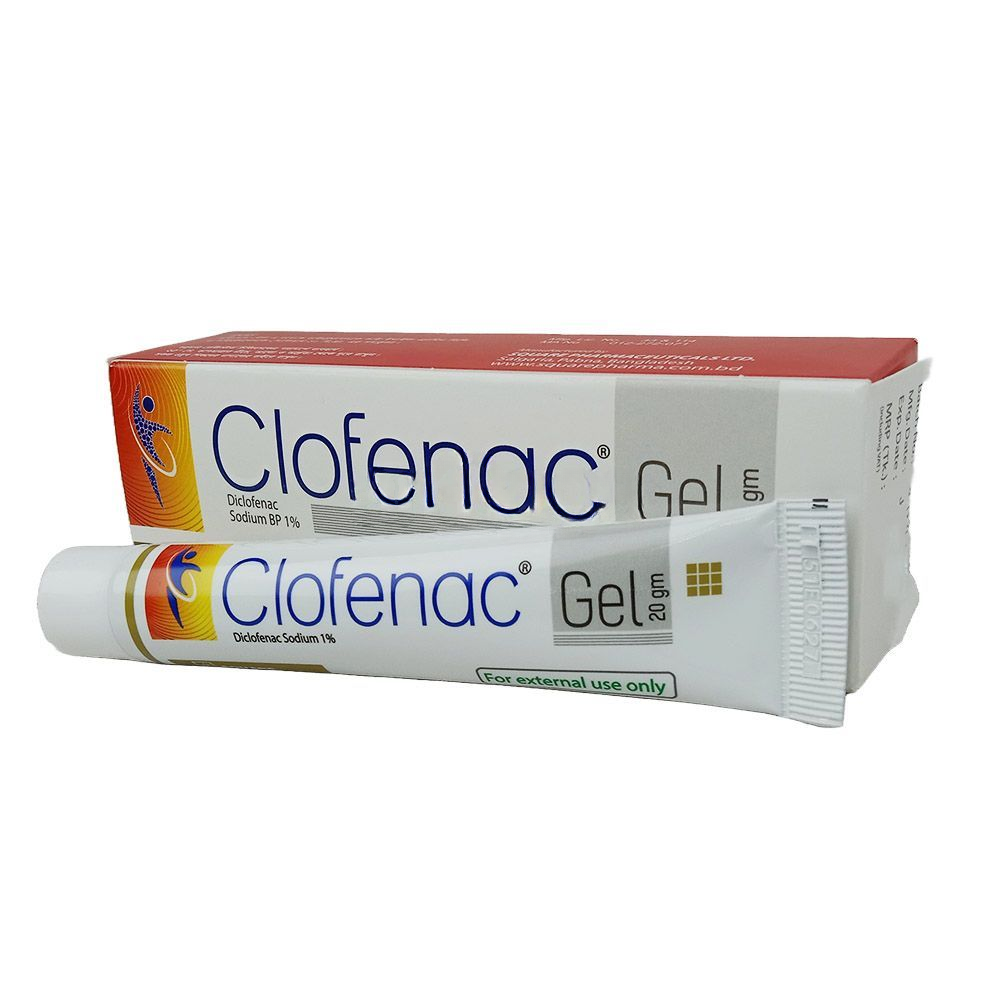
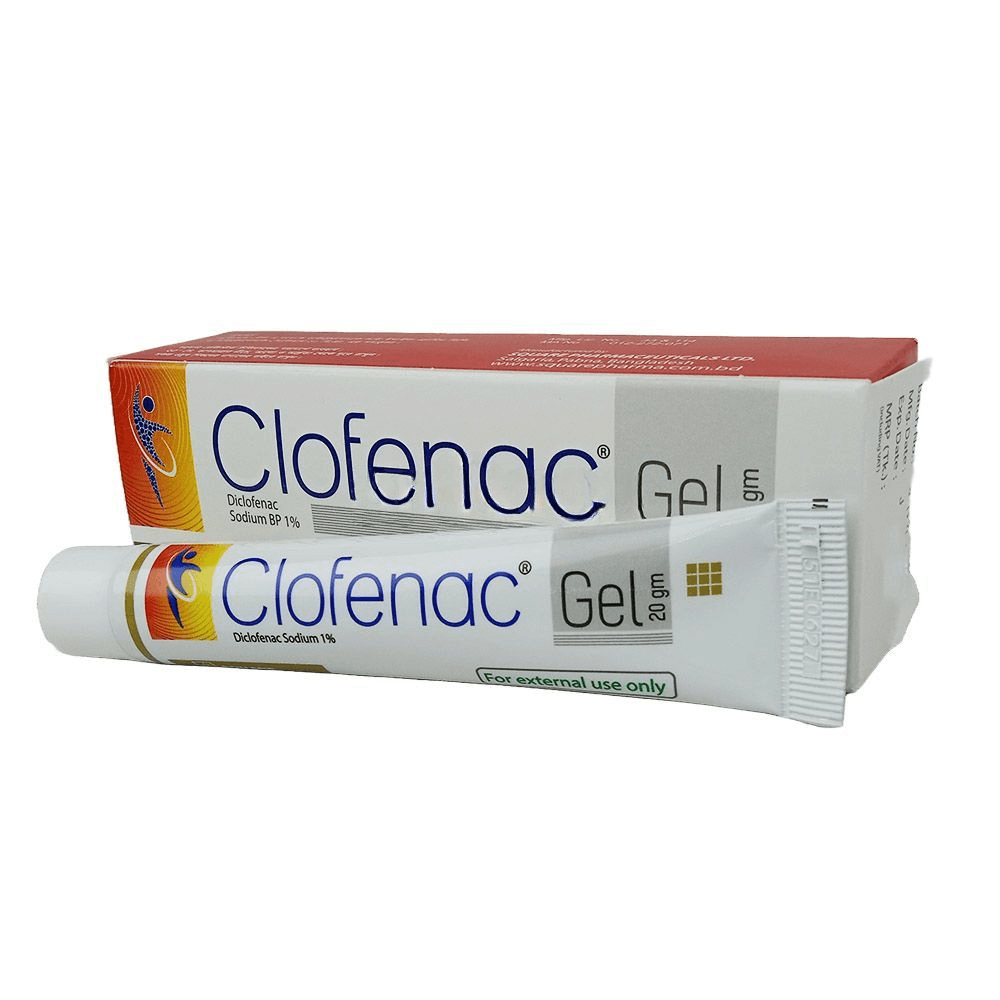
Rheumatoid arthritis, Osteoarthritis, Joint and muscular pains
Apply to clean, dry skin\r\nAvoid showering/bathing until gel/solution is dry for at least 30 min\r\nWash hands after use\r\nAvoid clothing on knees until gel/solution is dry
Topical/Cutaneous\r\nOsteoarthritis\r\nAdult: Apply 2 g (upper extremities)/4 g (lower extremities) q6hr\r\nNot to exceed 8 g/day to any single joint of (upper) extremities; 16 g/day to any single joint of (lower extremities)\r\n\r\nLocal symptomatic relief of pain and inflammation\r\nAdult: As diclofenac Na (1% gel): Apply onto affected area 3 or 4 times daily.
Safety and efficacy not established
Contraindicated to the patients hypersensitive to any ingredient of the products. Diclofenac is also contra-indicated in asthmatic patient in whom attack with asthma, urticaria or acute rhinitis are precipitated by acetylsalicylic acid or by other drugs with prostaglandin synthetase inhibitor. \r\nGel should not be used under occlusive airtight dressings.
Diclofenac, a phenylacetic acid derivative is a prototypical NSAID. It has potent anti-inflammatory, analgesic and antipyretic actions. Inhibits cyclooxygenase (COX)-1 and COX-2, thereby inhibiting prostaglandin synthesis. May also inhibit neutrophil aggregation/activation, inhibit chemotaxis, decrease proinflammatory cytokine level, and alter lymphocyte activity.
In rare instances where peptic ulceration or gastro-intestinal bleeding occurs in patients under treatment with Diclofenac. In patients with advanced age should be kept under close observation.\r\nGel should not be allowed to come in contact with the eyes or mucus membranes, after application the hands should be washed properly and not to be taken by mouth.\r\n\r\nLactation: Excretion in milk unknown/not recommended
>10%\r\nDry skin (25-27%),Rash (20-35%),Contact dermatitis (19-33%),Pain (15-26%),Paresthesia (<20%),Pruritus (52%),Exfoliation (6-24%)\r\n\r\n1-10%\r\nHypertension,Chest pain,Skin ulcer,Diarrhea,Dyspepsia,Alepesia,Photosensitivity,Edema,Conjunctivitis,Hematuria,Asthma
Pregnancy\r\nPublished literature reports that use of NSAIDs after 30 weeks’ gestation increases the risk of premature closure of the fetal ductus arteriosus\r\n\r\nData from observational studies regarding potential embryofetal risks of NSAID use, including diclofenac, in women in the first or second trimester of pregnancy are inconclusive\r\n\r\nClinical considerations\r\nAvoid use of NSAIDs in pregnant women after 30 weeks’ gestation because NSAIDs can cause premature closure of the fetal ductus arteriosus\r\n\r\nLactation\r\nData from published literature reports with oral preparations of diclofenac indicate the presence of small amounts of diclofenac in human milk\r\n\r\nThere are no data on the effects on the breastfed infant or the effects on milk production
May increase serum levels of methotrexate. Concomitant use w/ other NSAIDs or anticoagulants (e.g. warfarin) is associated w/ higher risk of GI bleeding. Increased risk of nephrotoxicity w/ ciclosporin or triamterene. May increase the risk of developing corneal complications in patients w/ significant pre-existing corneal inflammation when use concomitantly w/ ophth preparation containing corticosteroids. Colestyramine and colestipol reduce the bioavailability of diclofenac. Decreased plasma concentration when administered after sucralfate. Ophth application of diclofenac may reduce the efficacy of ophth acetylcholine and carbachol. May increase serum levels of lithium and digoxin.




Rheumatoid arthritis, Osteoarthritis, Joint and muscular pains
Apply to clean, dry skin\r\nAvoid showering/bathing until gel/solution is dry for at least 30 min\r\nWash hands after use\r\nAvoid clothing on knees until gel/solution is dry
Topical/Cutaneous\r\nOsteoarthritis\r\nAdult: Apply 2 g (upper extremities)/4 g (lower extremities) q6hr\r\nNot to exceed 8 g/day to any single joint of (upper) extremities; 16 g/day to any single joint of (lower extremities)\r\n\r\nLocal symptomatic relief of pain and inflammation\r\nAdult: As diclofenac Na (1% gel): Apply onto affected area 3 or 4 times daily.
Safety and efficacy not established
Contraindicated to the patients hypersensitive to any ingredient of the products. Diclofenac is also contra-indicated in asthmatic patient in whom attack with asthma, urticaria or acute rhinitis are precipitated by acetylsalicylic acid or by other drugs with prostaglandin synthetase inhibitor. \r\nGel should not be used under occlusive airtight dressings.
Diclofenac, a phenylacetic acid derivative is a prototypical NSAID. It has potent anti-inflammatory, analgesic and antipyretic actions. Inhibits cyclooxygenase (COX)-1 and COX-2, thereby inhibiting prostaglandin synthesis. May also inhibit neutrophil aggregation/activation, inhibit chemotaxis, decrease proinflammatory cytokine level, and alter lymphocyte activity.
In rare instances where peptic ulceration or gastro-intestinal bleeding occurs in patients under treatment with Diclofenac. In patients with advanced age should be kept under close observation.\r\nGel should not be allowed to come in contact with the eyes or mucus membranes, after application the hands should be washed properly and not to be taken by mouth.\r\n\r\nLactation: Excretion in milk unknown/not recommended
>10%\r\nDry skin (25-27%),Rash (20-35%),Contact dermatitis (19-33%),Pain (15-26%),Paresthesia (<20%),Pruritus (52%),Exfoliation (6-24%)\r\n\r\n1-10%\r\nHypertension,Chest pain,Skin ulcer,Diarrhea,Dyspepsia,Alepesia,Photosensitivity,Edema,Conjunctivitis,Hematuria,Asthma
Pregnancy\r\nPublished literature reports that use of NSAIDs after 30 weeks’ gestation increases the risk of premature closure of the fetal ductus arteriosus\r\n\r\nData from observational studies regarding potential embryofetal risks of NSAID use, including diclofenac, in women in the first or second trimester of pregnancy are inconclusive\r\n\r\nClinical considerations\r\nAvoid use of NSAIDs in pregnant women after 30 weeks’ gestation because NSAIDs can cause premature closure of the fetal ductus arteriosus\r\n\r\nLactation\r\nData from published literature reports with oral preparations of diclofenac indicate the presence of small amounts of diclofenac in human milk\r\n\r\nThere are no data on the effects on the breastfed infant or the effects on milk production
May increase serum levels of methotrexate. Concomitant use w/ other NSAIDs or anticoagulants (e.g. warfarin) is associated w/ higher risk of GI bleeding. Increased risk of nephrotoxicity w/ ciclosporin or triamterene. May increase the risk of developing corneal complications in patients w/ significant pre-existing corneal inflammation when use concomitantly w/ ophth preparation containing corticosteroids. Colestyramine and colestipol reduce the bioavailability of diclofenac. Decreased plasma concentration when administered after sucralfate. Ophth application of diclofenac may reduce the efficacy of ophth acetylcholine and carbachol. May increase serum levels of lithium and digoxin.
N/A