Search products by name
Search medicines by name
0
0 item
৳ ০.০০
আপনার সব স্বাস্থ্যসেবার সমাধান — এখন এক জায়গাতেই


১০৬৫৭
info@shukhee.com
টেলিকম ভবন, ৫৩/১, বক্স নগর, ঢাকা-১২১৬
৳ ০.০০
১০৬৫৭
info@shukhee.com
টেলিকম ভবন, ৫৩/১, বক্স নগর, ঢাকা-১২১৬

Products

Payment

Delivery
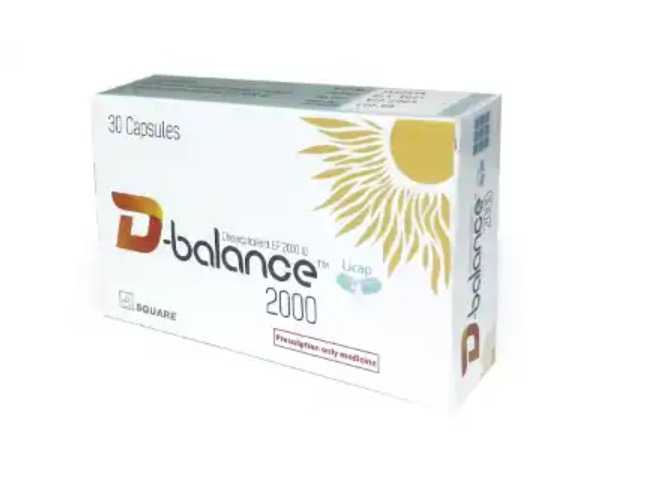
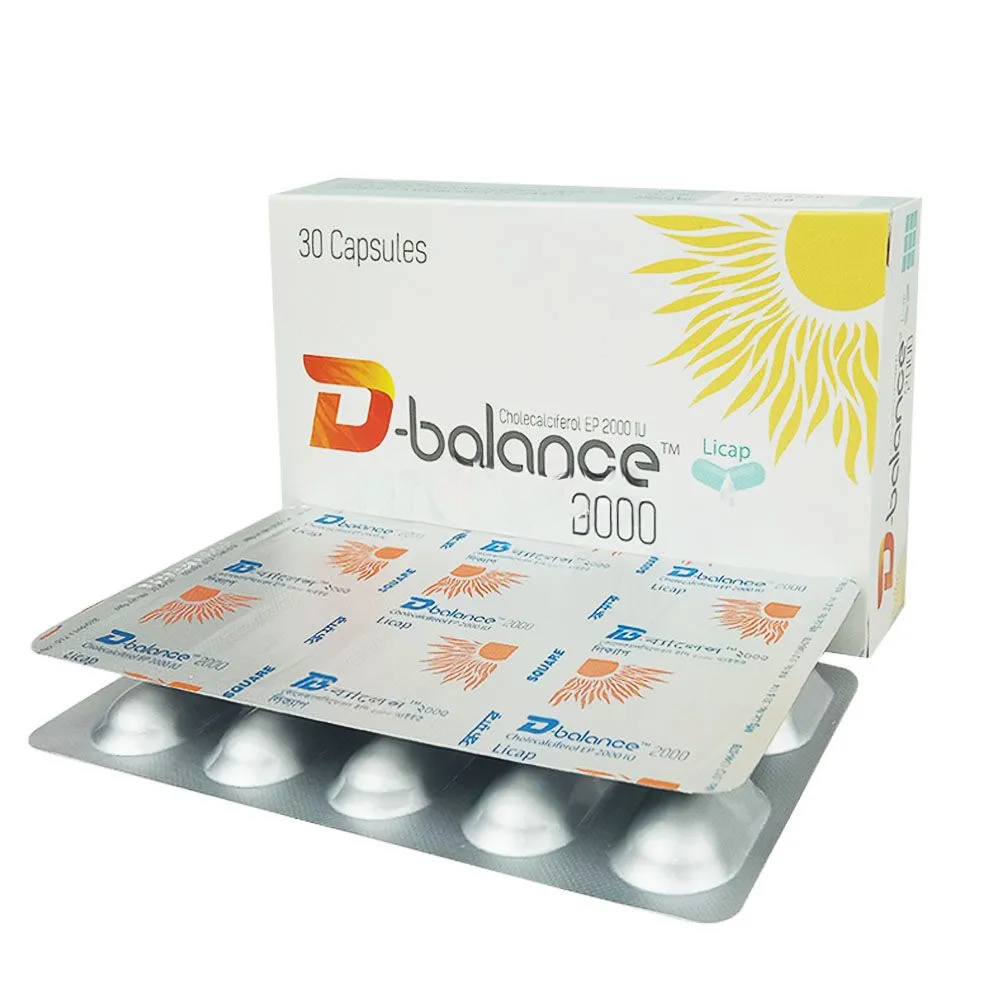
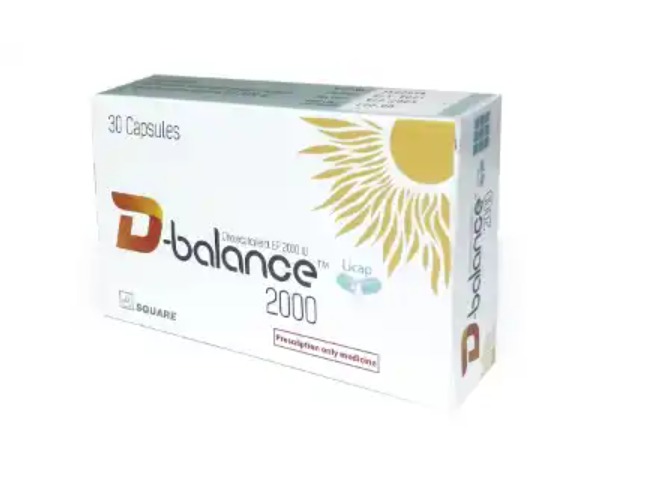
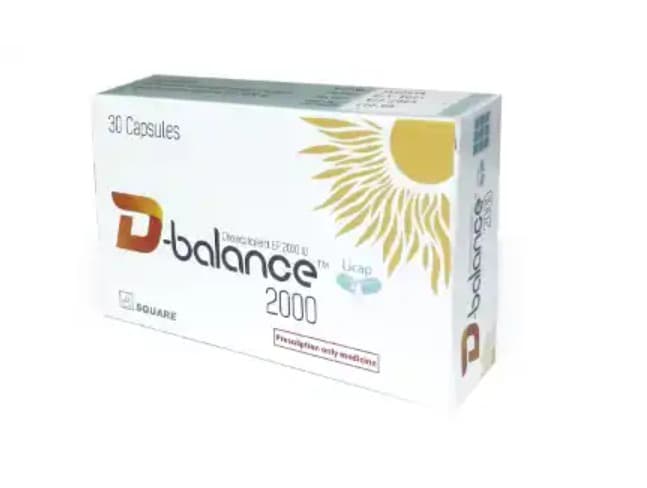
Osteoporosis, Hypoparathyroidism, Rickets, Osteomalacia,Vitamin D Deficiency, Pseudohypoparathyroidism, Familial hypophosphatemia
May be taken with or without food.
Oral /IM:\r\nNutritional deficiency\r\nColecalciferol (Vitamin D3) is recommended 5-10 mcg \r\nor 1-2ml (200-400 IU)/day \r\n\r\nOsteoporosis\r\nProphylaxis and treatment\r\n>50 years: 800-1000 IU (20-25 mcg) PO once daily with calcium supplements. May also be given via IM inj.\r\n\r\nHypoparathyroidism\r\n50,000-200,000 IU (0.625-5 mg) PO once daily with calcium supplements. May also be given via IM inj.
Nutritional Supplementation\r\nRDA\r\n0-12 months: 400 IU (10 mcg) PO once daily\r\n1-18 years: 600 IU (15 mcg) PO once daily\r\n\r\nVitamin D-Resistant Rickets\r\n12,000-500,000 IU (0.3-12.5 mg) PO once daily\r\n\r\nFamilial Hypophosphatemia\r\n40,000-80,000 IU (1-2 mg) PO once daily with phosphate supplements; may be reduced after stage of growth is complete\r\n\r\n
Colecalciferol is contraindicated in all diseases associated with hypercalcaemia. It is also contraindicated in patients with known hypersensitivity to Colecalciferol (or medicines of the same class) and any of the constituent excipients. Colecalciferol is contraindicated if there is evidence of vitamin D toxicity.
Vitamin D3 is a fat-soluble sterol. It is necessary for the regulation and regulation of calcium and phosphate homoeostasis and bone mineralisation. Vitamin D is also essential for healthy bones as it aids in Calcium absorption from the GI tract. In addition to this it stimulates bone formation.
People with the following conditions should exercise caution when considering taking vitamin D supplements:\r\nHigh blood Calcium or Phosphorus level\r\nHeart problems\r\nKidney disease\r\n\r\nVitamin D must be taken with adequate amounts of both Calcium and Magnesium supplementation. When Calcium level is low (due to insufficient vitamin D and calcium intake), the body activates the parathyroid gland, which produces PTH (parathyroid hormone). This hormone kick starts vitamin D hormone production and assists removal of Calcium from the bones to be used in more important functions such as neutralizing body acidity.\r\n\r\nLactation: Drug is distributed into breast milk; use with caution
Generally all nutritional supplements are considered to be safe and well tolerable. However, few side-effects can generally occur including hypercalcaemia syndrome or Calcium intoxication (depending on the severity and duration of hypercalcaemia), occasional acute symptoms include anorexia, headache, dry mouth, nausea, vomiting, abdominal pain or stomach ache and constipation with the administration of Colecaciferol.
Increased risk of hypercalcaemia if given with thiazide diuretics, calcium or phosphate. Antiepileptics (e.g. carbamazepine, phenobarbitone, phenytoin & primidone) may increase vitamin D requirements. Rifampicin & isoniazid may reduce efficacy of vitamin D. Corticosteroids may counteract the effect of vitamin D. Digoxin or any cardiac glycoside. Reduced absorption when taken with cholestyramine, colestipol, mineral oil, orlistat. Ketoconazole.
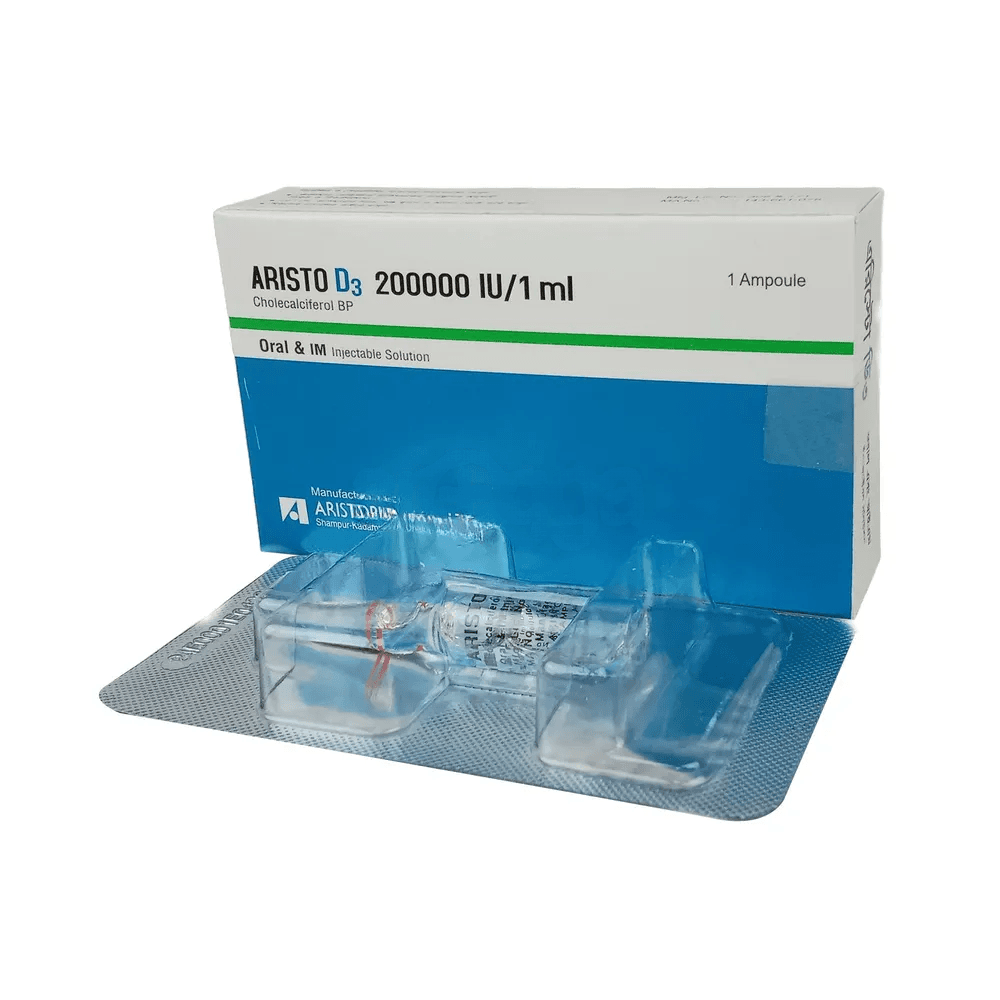
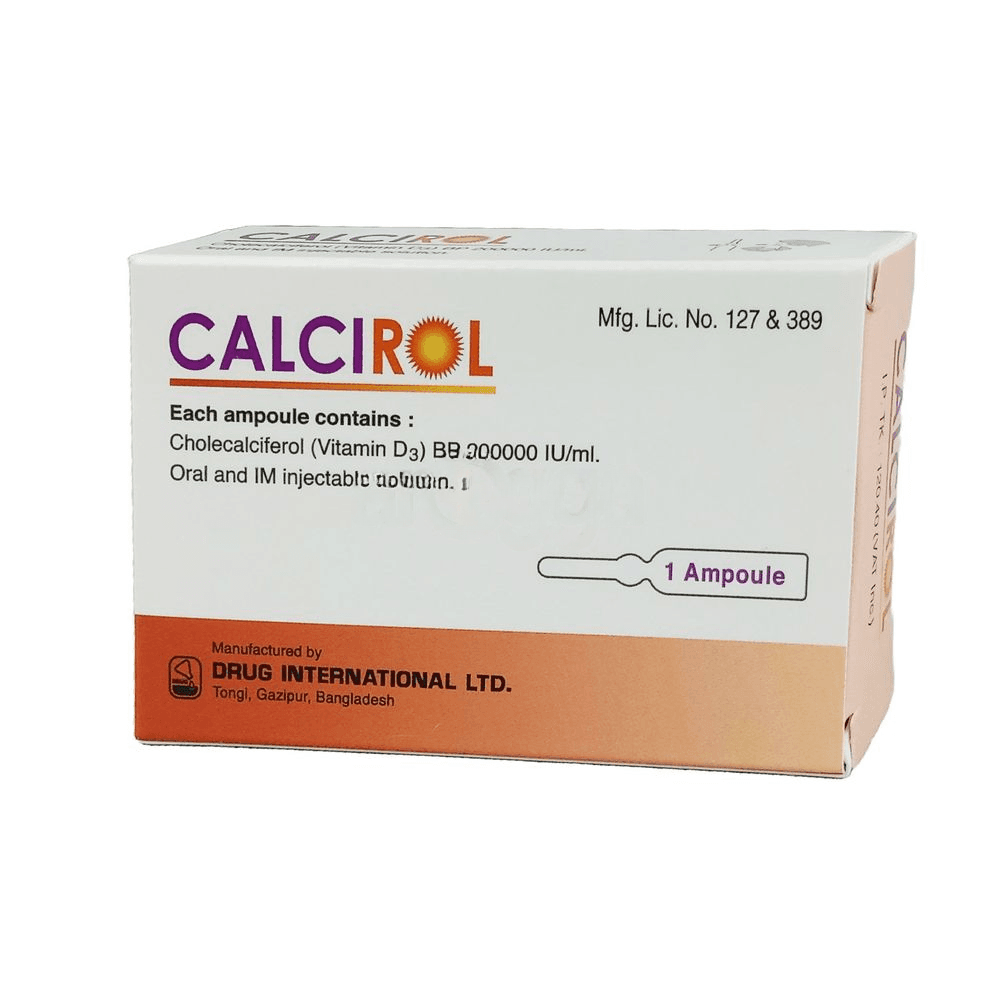
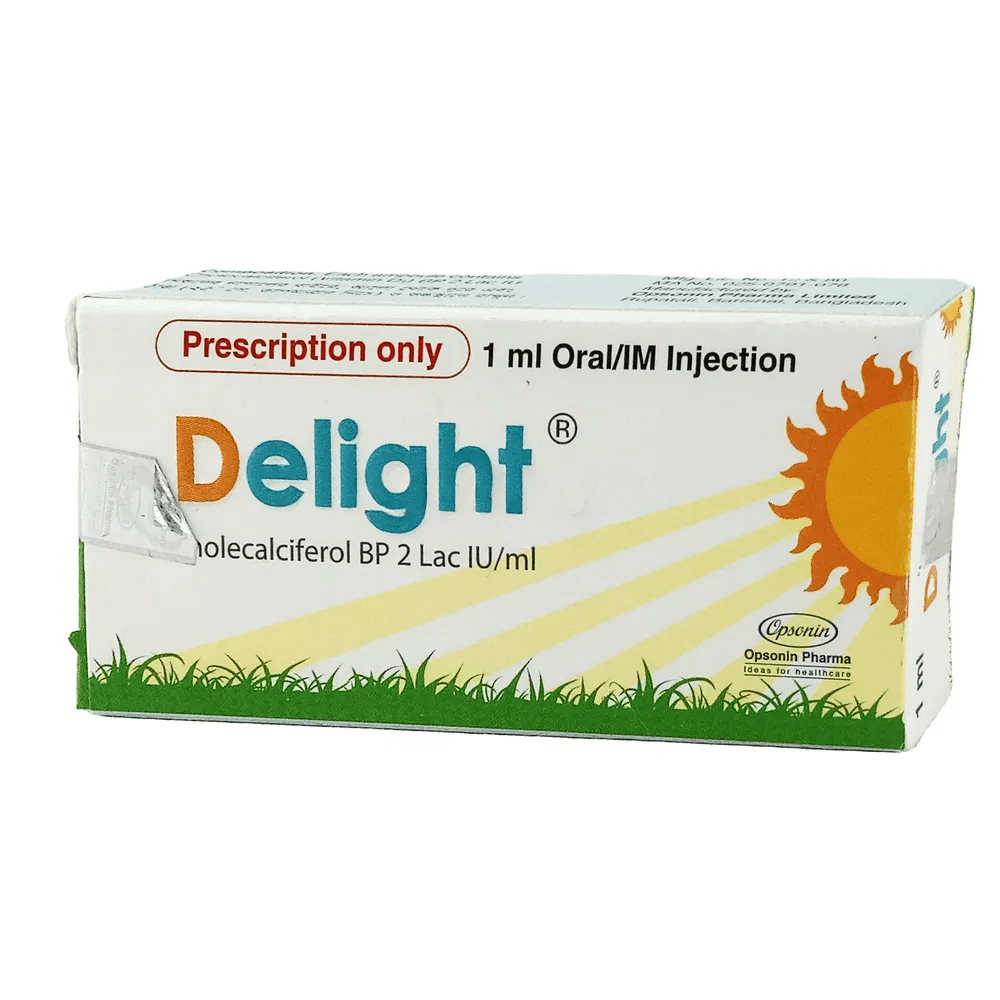
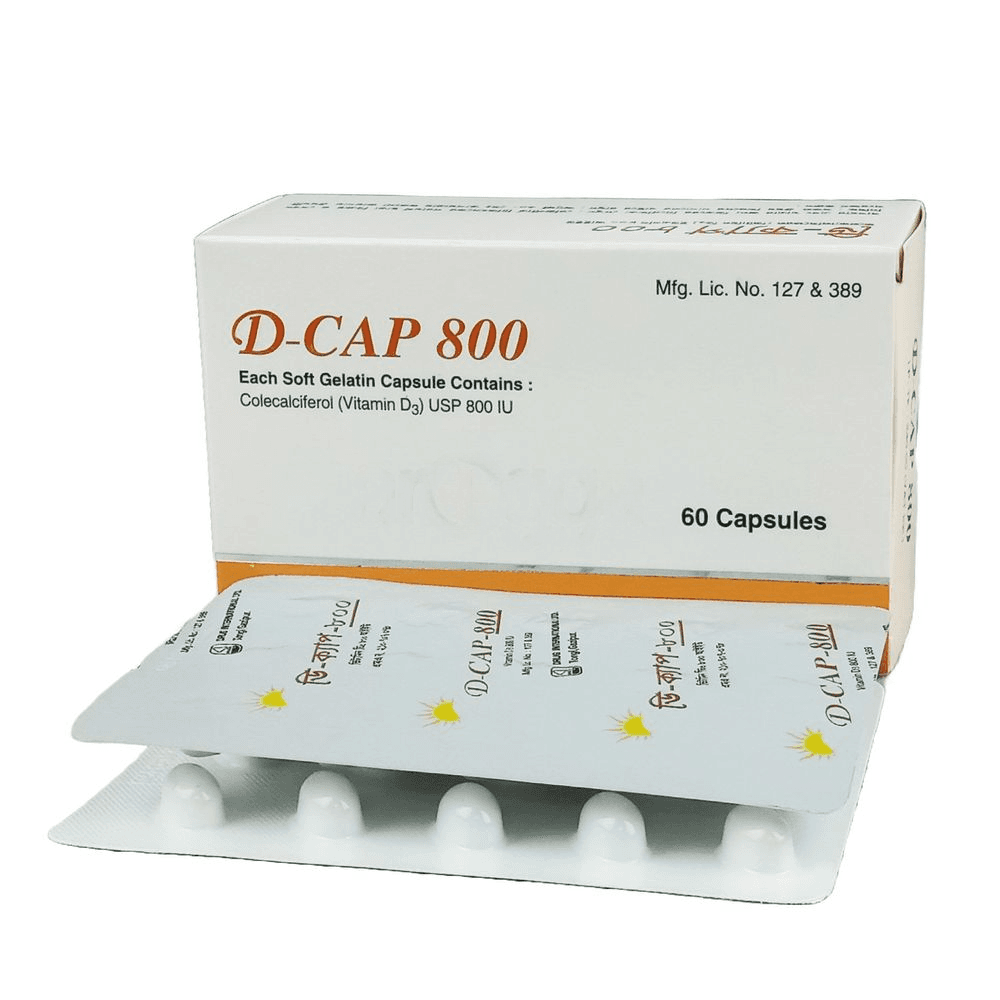
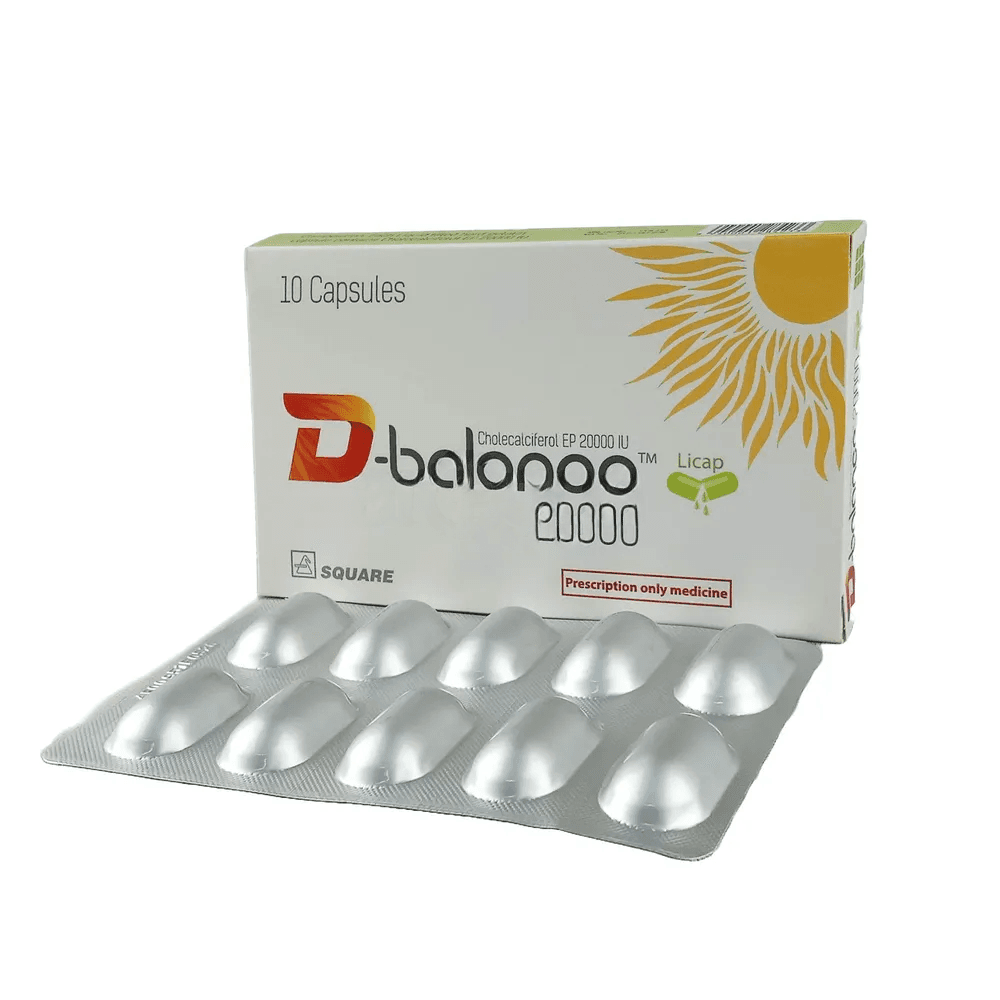
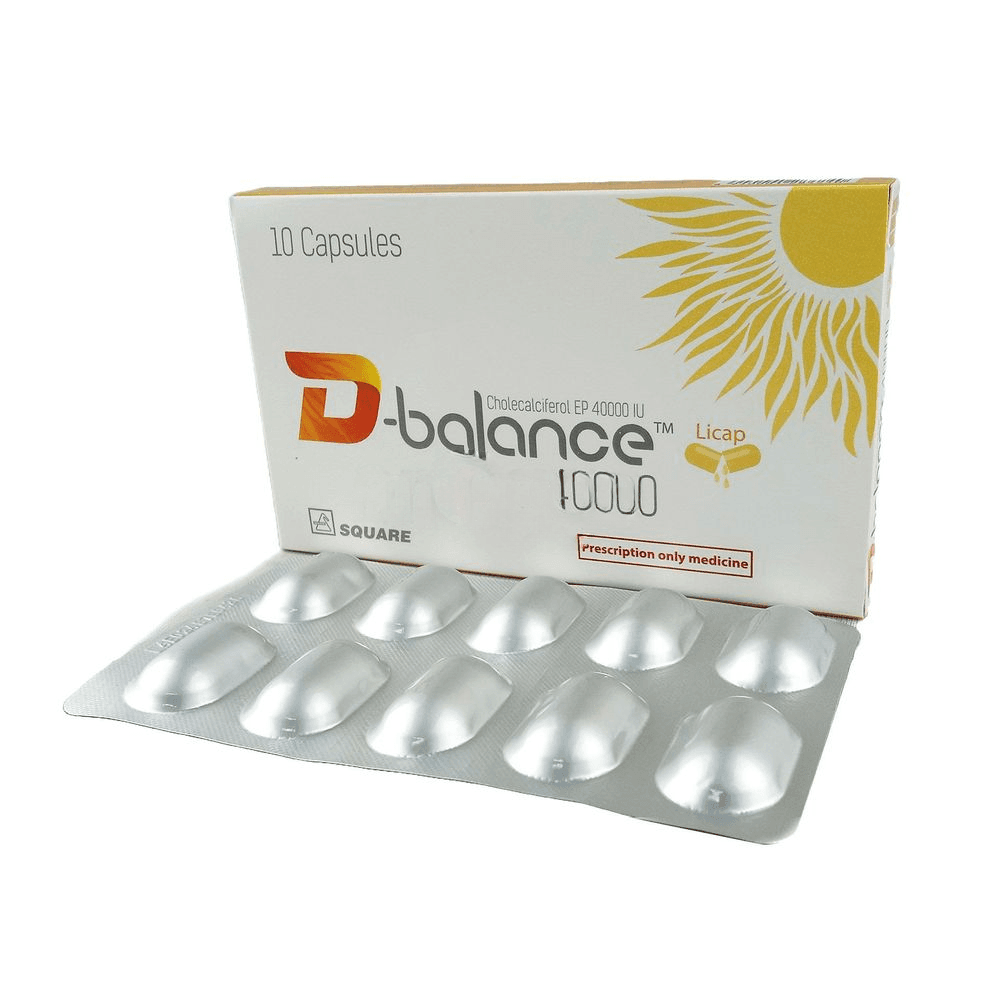
Osteoporosis, Hypoparathyroidism, Rickets, Osteomalacia,Vitamin D Deficiency, Pseudohypoparathyroidism, Familial hypophosphatemia
May be taken with or without food.
Oral /IM:\r\nNutritional deficiency\r\nColecalciferol (Vitamin D3) is recommended 5-10 mcg \r\nor 1-2ml (200-400 IU)/day \r\n\r\nOsteoporosis\r\nProphylaxis and treatment\r\n>50 years: 800-1000 IU (20-25 mcg) PO once daily with calcium supplements. May also be given via IM inj.\r\n\r\nHypoparathyroidism\r\n50,000-200,000 IU (0.625-5 mg) PO once daily with calcium supplements. May also be given via IM inj.
Nutritional Supplementation\r\nRDA\r\n0-12 months: 400 IU (10 mcg) PO once daily\r\n1-18 years: 600 IU (15 mcg) PO once daily\r\n\r\nVitamin D-Resistant Rickets\r\n12,000-500,000 IU (0.3-12.5 mg) PO once daily\r\n\r\nFamilial Hypophosphatemia\r\n40,000-80,000 IU (1-2 mg) PO once daily with phosphate supplements; may be reduced after stage of growth is complete\r\n\r\n
Colecalciferol is contraindicated in all diseases associated with hypercalcaemia. It is also contraindicated in patients with known hypersensitivity to Colecalciferol (or medicines of the same class) and any of the constituent excipients. Colecalciferol is contraindicated if there is evidence of vitamin D toxicity.
Vitamin D3 is a fat-soluble sterol. It is necessary for the regulation and regulation of calcium and phosphate homoeostasis and bone mineralisation. Vitamin D is also essential for healthy bones as it aids in Calcium absorption from the GI tract. In addition to this it stimulates bone formation.
People with the following conditions should exercise caution when considering taking vitamin D supplements:\r\nHigh blood Calcium or Phosphorus level\r\nHeart problems\r\nKidney disease\r\n\r\nVitamin D must be taken with adequate amounts of both Calcium and Magnesium supplementation. When Calcium level is low (due to insufficient vitamin D and calcium intake), the body activates the parathyroid gland, which produces PTH (parathyroid hormone). This hormone kick starts vitamin D hormone production and assists removal of Calcium from the bones to be used in more important functions such as neutralizing body acidity.\r\n\r\nLactation: Drug is distributed into breast milk; use with caution
Generally all nutritional supplements are considered to be safe and well tolerable. However, few side-effects can generally occur including hypercalcaemia syndrome or Calcium intoxication (depending on the severity and duration of hypercalcaemia), occasional acute symptoms include anorexia, headache, dry mouth, nausea, vomiting, abdominal pain or stomach ache and constipation with the administration of Colecaciferol.
Increased risk of hypercalcaemia if given with thiazide diuretics, calcium or phosphate. Antiepileptics (e.g. carbamazepine, phenobarbitone, phenytoin & primidone) may increase vitamin D requirements. Rifampicin & isoniazid may reduce efficacy of vitamin D. Corticosteroids may counteract the effect of vitamin D. Digoxin or any cardiac glycoside. Reduced absorption when taken with cholestyramine, colestipol, mineral oil, orlistat. Ketoconazole.