Search products by name
Search medicines by name
0
0 item
৳ ০.০০
আপনার সব স্বাস্থ্যসেবার সমাধান — এখন এক জায়গাতেই


১০৬৫৭
info@shukhee.com
টেলিকম ভবন, ৫৩/১, বক্স নগর, ঢাকা-১২১৬
৳ ০.০০
১০৬৫৭
info@shukhee.com
টেলিকম ভবন, ৫৩/১, বক্স নগর, ঢাকা-১২১৬


Quantity:

Products

Payment

Delivery
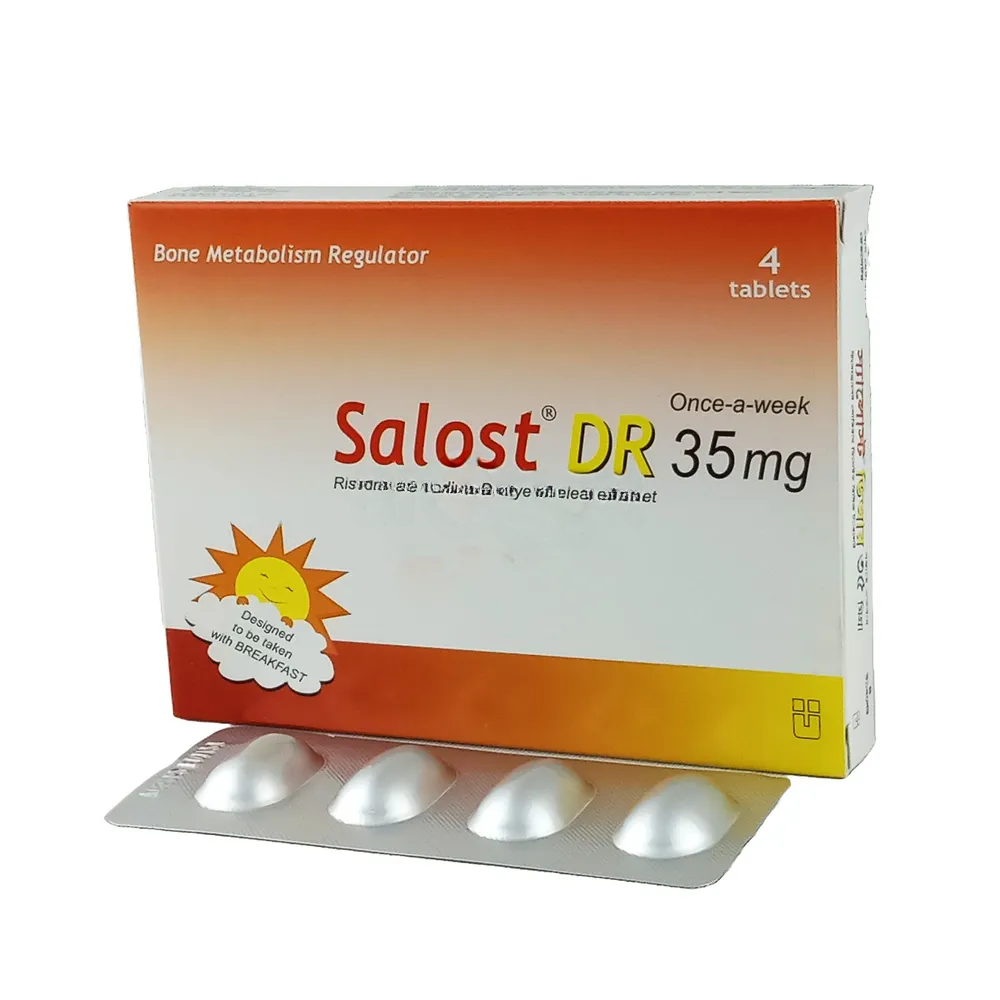
Paget's disease of bone, postmenopausal or corticosteroid-induced osteoporosis, increase bone mass in men with osteoporosis
Immediate release\r\n\r\n Take at least 30 minutes with 6-8 oz water before first food or drink of day\r\n Swallow with plain water only, not coffee or juice\r\n Stand or sit upright; do not lie down for 30 minutes after taking to avoid esophageal irritation\r\n\r\nDelayed release\r\n\r\n Administer in morning immediately after breakfast; compared with immediate-release risedronate, Atelvia resulted in significantly higher incidence of abdominal pain when administered before breakfast under fasting conditions\r\n To facilitate delivery to stomach, swallow whole while in upright position and with ?4 oz plain water\r\n Tablets should not be chewed, cut, or crushed\r\n Do not lie down for 30 minutes after taking medication\r\n
Oral\r\nPaget's disease of bone\r\nAdult: 30 mg once daily for 2 mth, may repeat if necessary after 2 mth interval.\r\n\r\nTreatment and prophylaxis of postmenopausal or corticosteroid-induced osteoporosis\r\nAdult: 5 mg daily. Alternatively, for postmenopausal osteoporosis, 35 mg once wkly, or 75 mg on 2 consecutive days of each mth, or 150 mg once mthly. \r\n\r\nIncrease bone mass in men with osteoporosis\r\nAdult: 35 mg once wkly.
Renal impairment:\r\nCrCl (ml/min)\t\r\n<30 \tAvoid use.
Hypocalcaemia, abnormalities of the oesophagus which may delay emptying (e.g. stricture or achalasia), inability to stand or sit upright for at least 30 min. Severe renal impairment (CrCl <30 mL/min);. Lactation.
Risedronic acid inhibits bone resorption by inhibiting osteoclasts. It also prevents formation and dissolution of hydroxyapatite crystals, and therefore may interfere with bone mineralisation.
Correct hypocalcaemia and evaluate sex steroid hormonal status prior to therapy. Mild to moderate renal impairment. Pregnancy. Patient Counselling Ensure adequate Ca and vit D intake. Monitoring Parameters Monitor serum Ca; biochemical markers of bone turnover; bone mineral density (osteoporosis); alkaline phosphatase (Paget's disease).
Arthralgia, back pain, GI disturbances (e.g. abdominal pain, dyspepsia), hypersensitivity reactions (e.g. angioedema, rash, bullous skin reactions), Stevens-Johnson syndrome, toxic epidermal necrolysis, leukocytoclastic vasculitis, alopecia, hepatic disorders, eye disorders (e.g. iritis, uveitis), osteonecrosis of the jaw, atypical femur fractures; bone, joint or muscle pain.
Co-admin with calcium, antacids or oral medications containing divalent cations may affect the absorption of risedronate. May have additive calcium lowering effects when used with aminoglycosides.


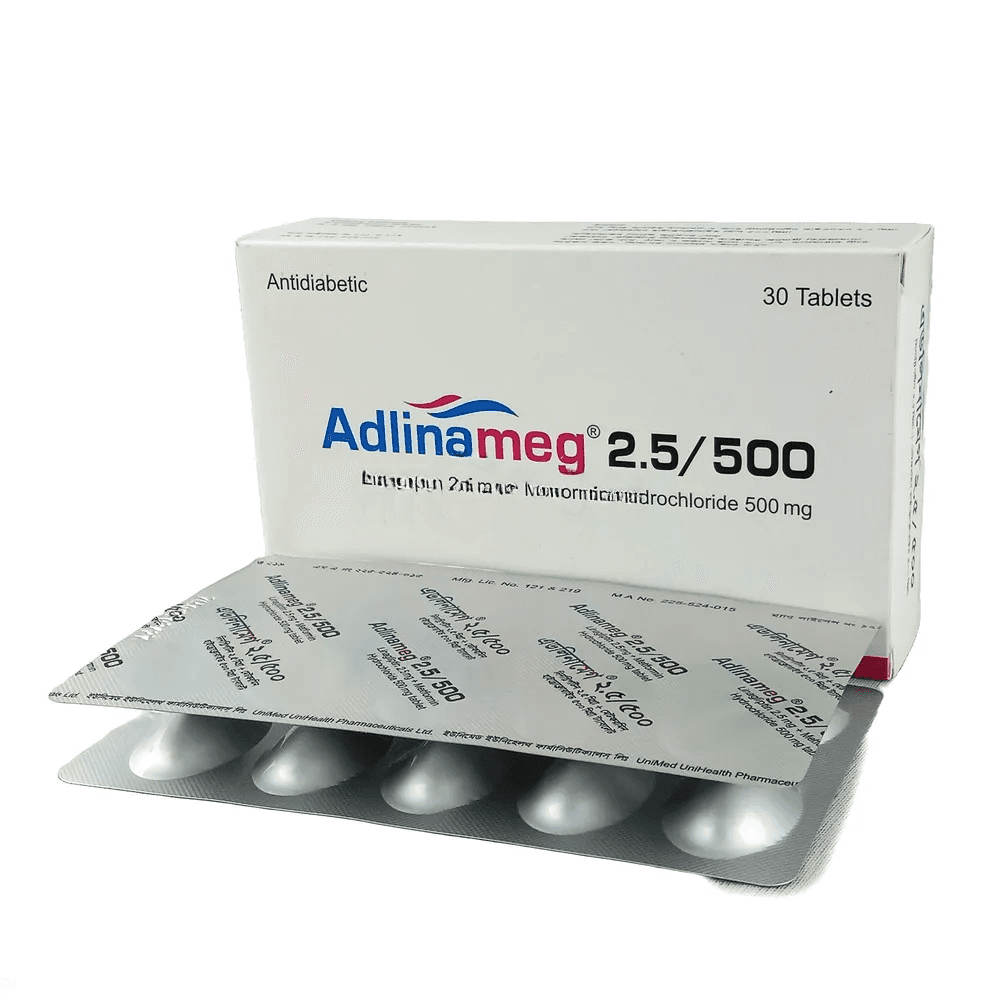
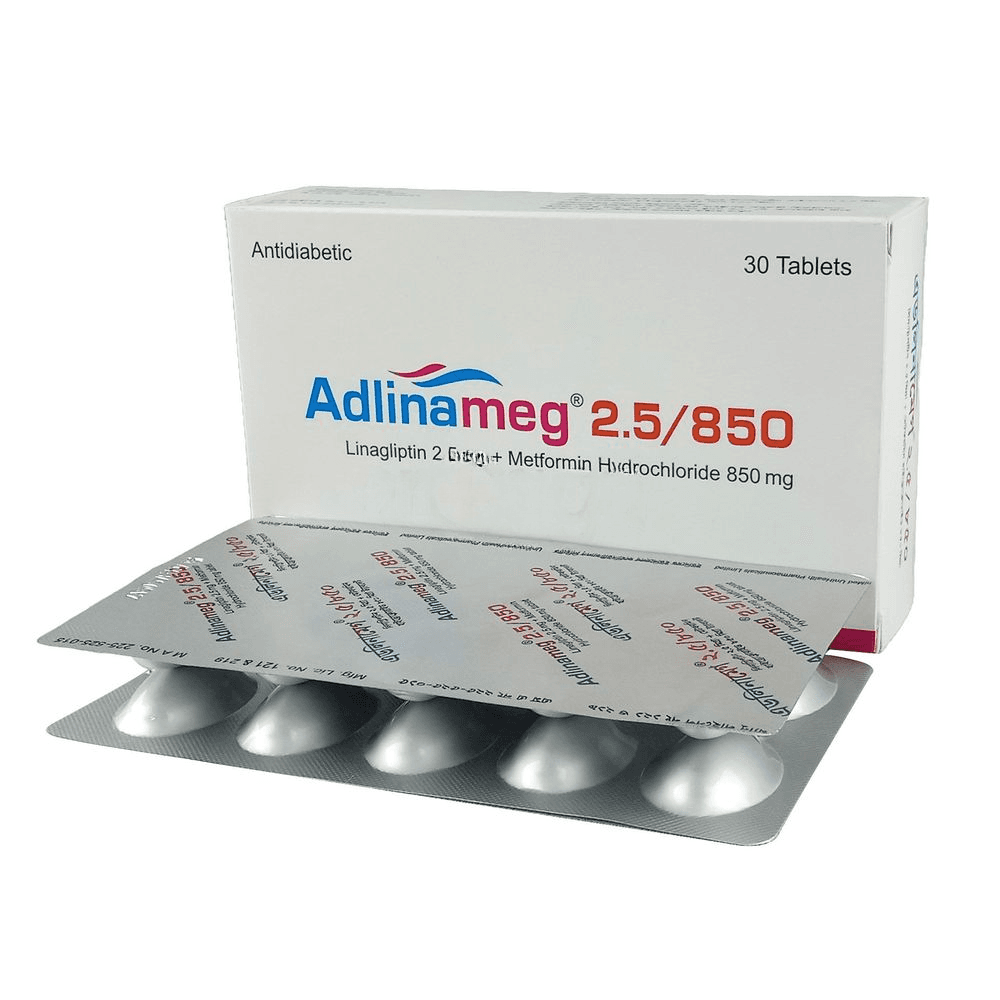
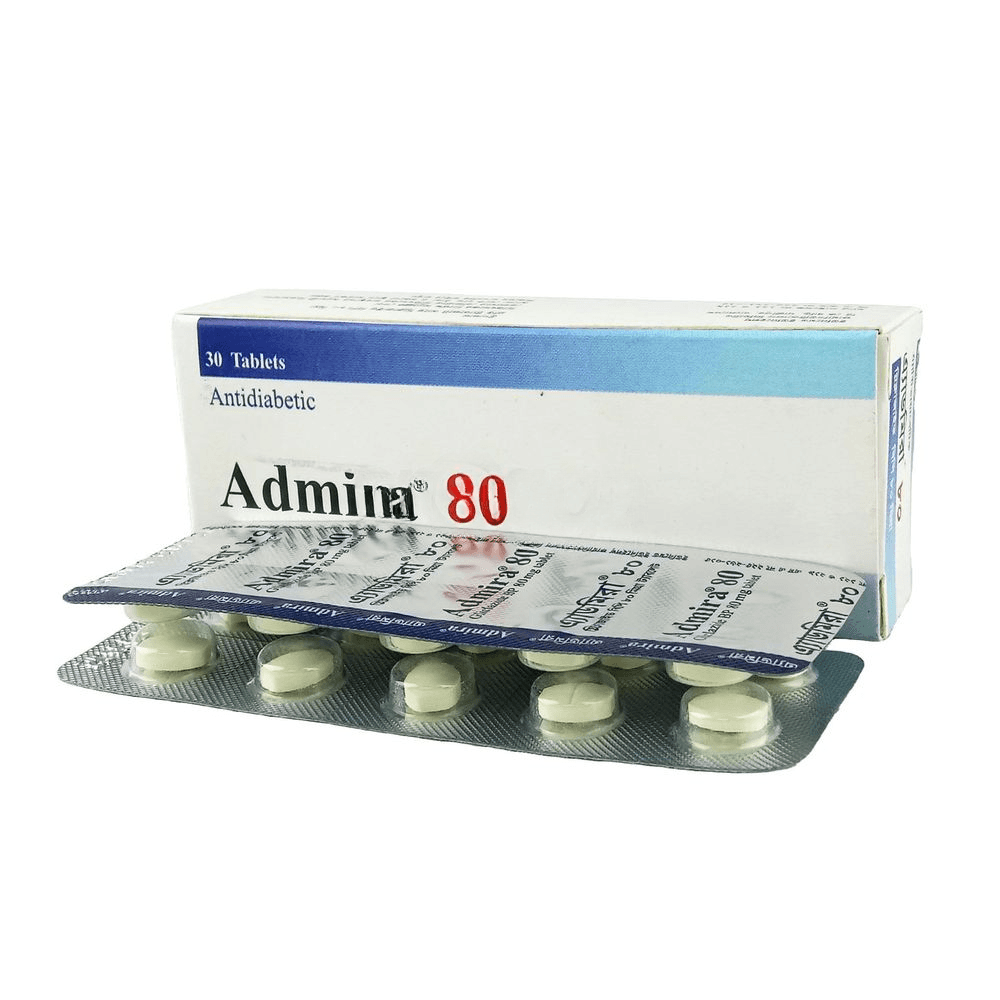
Paget's disease of bone, postmenopausal or corticosteroid-induced osteoporosis, increase bone mass in men with osteoporosis
Immediate release\r\n\r\n Take at least 30 minutes with 6-8 oz water before first food or drink of day\r\n Swallow with plain water only, not coffee or juice\r\n Stand or sit upright; do not lie down for 30 minutes after taking to avoid esophageal irritation\r\n\r\nDelayed release\r\n\r\n Administer in morning immediately after breakfast; compared with immediate-release risedronate, Atelvia resulted in significantly higher incidence of abdominal pain when administered before breakfast under fasting conditions\r\n To facilitate delivery to stomach, swallow whole while in upright position and with ?4 oz plain water\r\n Tablets should not be chewed, cut, or crushed\r\n Do not lie down for 30 minutes after taking medication\r\n
Oral\r\nPaget's disease of bone\r\nAdult: 30 mg once daily for 2 mth, may repeat if necessary after 2 mth interval.\r\n\r\nTreatment and prophylaxis of postmenopausal or corticosteroid-induced osteoporosis\r\nAdult: 5 mg daily. Alternatively, for postmenopausal osteoporosis, 35 mg once wkly, or 75 mg on 2 consecutive days of each mth, or 150 mg once mthly. \r\n\r\nIncrease bone mass in men with osteoporosis\r\nAdult: 35 mg once wkly.
Renal impairment:\r\nCrCl (ml/min)\t\r\n<30 \tAvoid use.
Hypocalcaemia, abnormalities of the oesophagus which may delay emptying (e.g. stricture or achalasia), inability to stand or sit upright for at least 30 min. Severe renal impairment (CrCl <30 mL/min);. Lactation.
Risedronic acid inhibits bone resorption by inhibiting osteoclasts. It also prevents formation and dissolution of hydroxyapatite crystals, and therefore may interfere with bone mineralisation.
Correct hypocalcaemia and evaluate sex steroid hormonal status prior to therapy. Mild to moderate renal impairment. Pregnancy. Patient Counselling Ensure adequate Ca and vit D intake. Monitoring Parameters Monitor serum Ca; biochemical markers of bone turnover; bone mineral density (osteoporosis); alkaline phosphatase (Paget's disease).
Arthralgia, back pain, GI disturbances (e.g. abdominal pain, dyspepsia), hypersensitivity reactions (e.g. angioedema, rash, bullous skin reactions), Stevens-Johnson syndrome, toxic epidermal necrolysis, leukocytoclastic vasculitis, alopecia, hepatic disorders, eye disorders (e.g. iritis, uveitis), osteonecrosis of the jaw, atypical femur fractures; bone, joint or muscle pain.
Co-admin with calcium, antacids or oral medications containing divalent cations may affect the absorption of risedronate. May have additive calcium lowering effects when used with aminoglycosides.
N/A