Search products by name
Search medicines by name
0
0 item
৳ ০.০০
আপনার সব স্বাস্থ্যসেবার সমাধান — এখন এক জায়গাতেই


১০৬৫৭
info@shukhee.com
টেলিকম ভবন, ৫৩/১, বক্স নগর, ঢাকা-১২১৬
৳ ০.০০
১০৬৫৭
info@shukhee.com
টেলিকম ভবন, ৫৩/১, বক্স নগর, ঢাকা-১২১৬

Products

Payment

Delivery
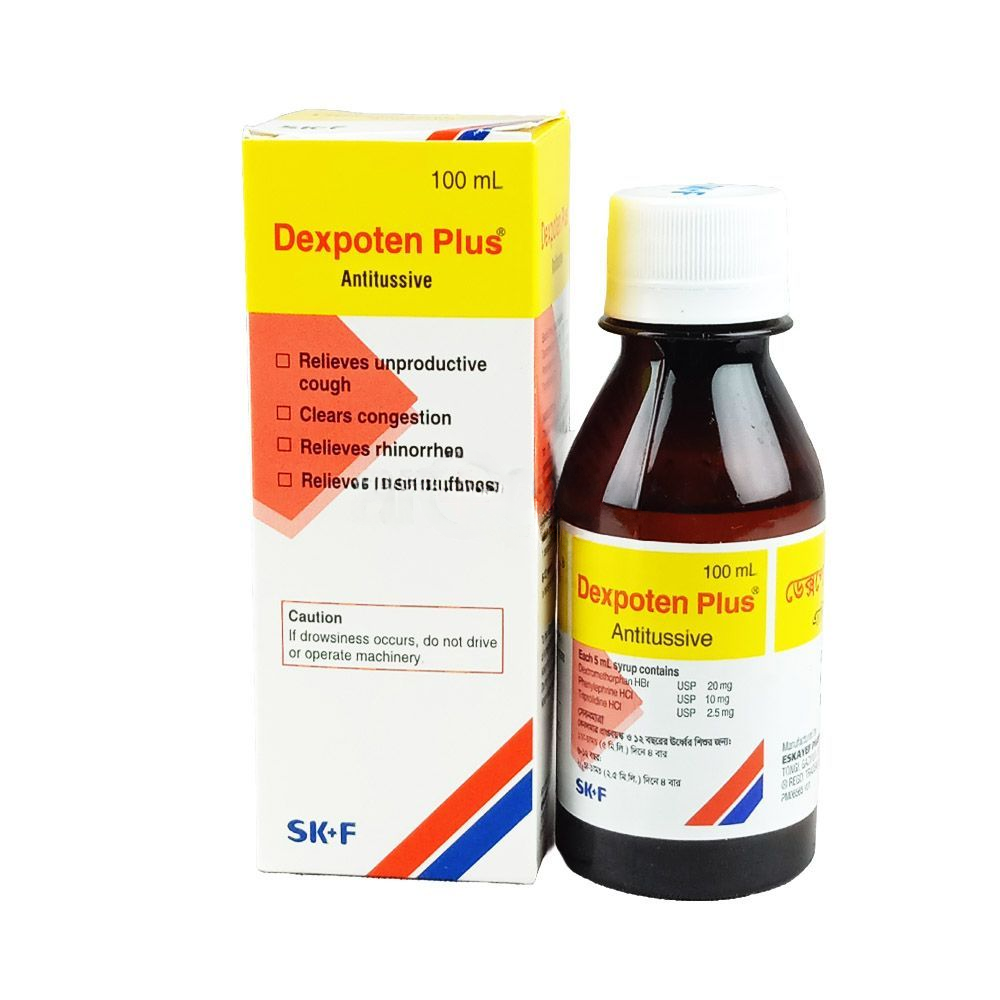
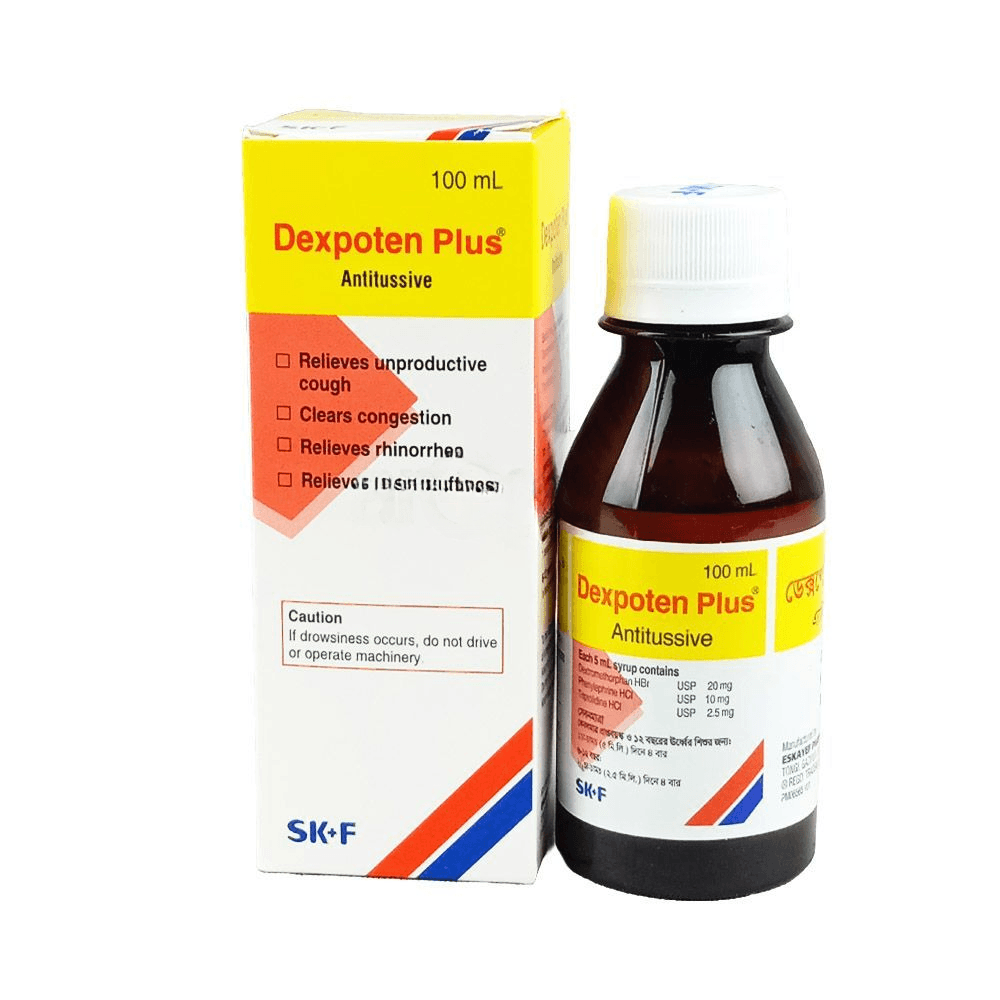
Symptomatic relief of upper respiratory tract disorders accompanied by non-productive cough.\r\nTemporarily relieves these symptoms due to common cold, hay fever (allergic rhinitis), other upper respiratory allergies,\r\ncough due to minor throat or bronchial irritation, runny nose, sneezing, itching of the nose or throat, itchy, watery eyes, nasal congestion, reduces swelling of nasal passages
Take with or without food.
Adults: 1 teaspoonful 4 times a day.\r\n
Children over 12 years: 1 teaspoonful 4 times a day.\r\n6-12 years : 1/2 teaspoonful 4 times a day.
This combination is contraindicated in patients with a known hypersensitivity to Dextromethorphan, Phenylephrine or \r\nTriprolidine as well as in persons under treatment with Monoamine Oxidase Inhibitor within 2 weeks of stopping such \r\ntreatment.
This preparation is a mixture of antitussive, decongestant and antihistamine agent. \r\nDextromethorphan is a safe, effective, non-narcotic antitussive agent which has a central action on the cough centre in the medulla. Although structurally related to Morphine, it has no analgesic and habit forming properties and in general it has little sedative activity. \r\n\r\nPhenylephrine is a decongestant that shrinks blood vessels in the nasal passage. It is used to treat nasal and sinus congestion of the tubes that drain fluid from inner ear. \r\n\r\nTriprolidine provides symptomatic relief in conditions believed to depend wholly or partly upon the triggered release of histamine. It is a potent competitive histamine H1-receptor antagonist of the pyrrolidine class with mild central nervous system depressant properties which may cause drowsiness.
This combination may cause drowsiness. It may impair the patient’s ability to drive and also to use machineries. Although \r\nthere are no objective data, users of this syrup should avoid the concomitant use of alcohol or other centrally acting \r\nsedatives. As with other sympathomimetic agents caution should be exercised in patients with hypertension, heart disease, \r\ndiabetes, hyperthyroidism, elevated intraocular pressure and prostatic enlargement. This combination should not be used \r\nfor persistent or chronic cough such as occurs with smoking, asthma, or emphysema or where cough is accompanied by \r\nexcessive secretion unless directed by a physician.\r\n\r\nThere are no specific data on use of this combination during pregnancy & lactation
Side effects of Dextromethorphan appears to be rare and may include drowsiness. Prostatic enlargement could have been \r\nan important predisposing factor.\r\nExcitability may occur, especially in children
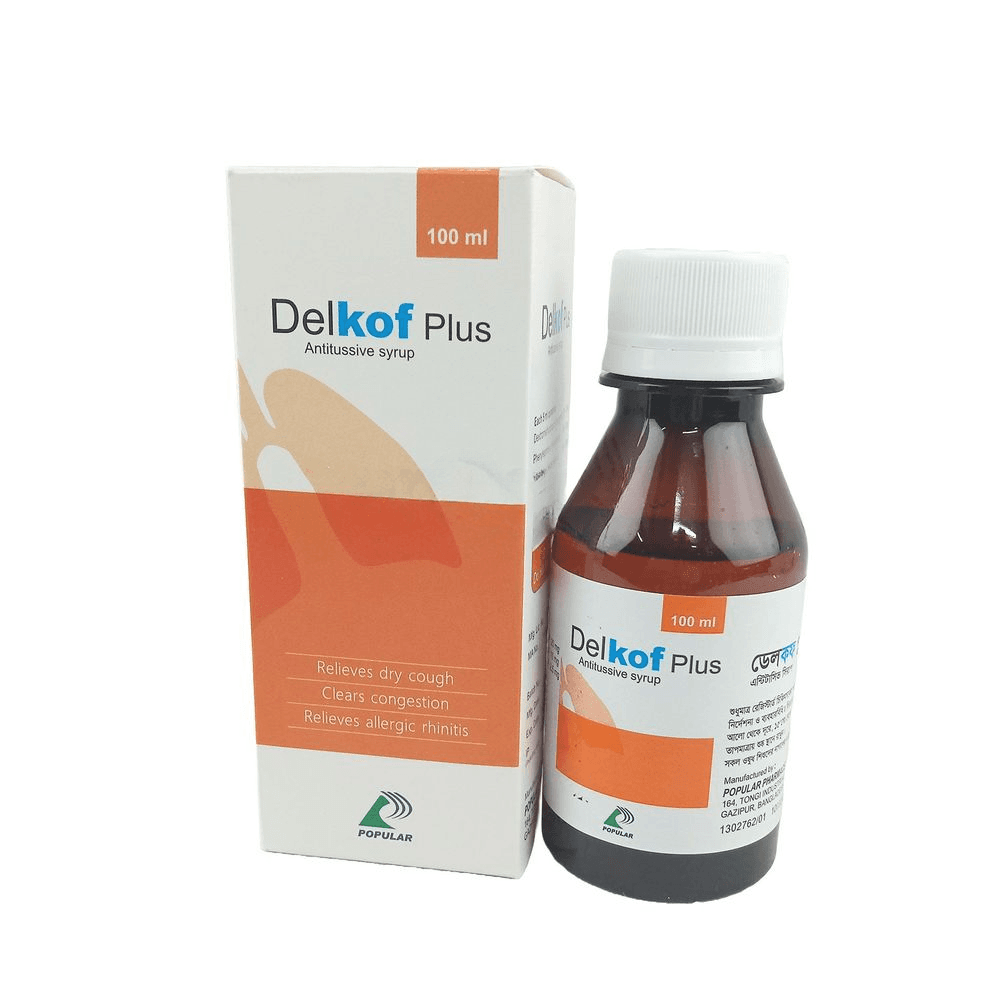
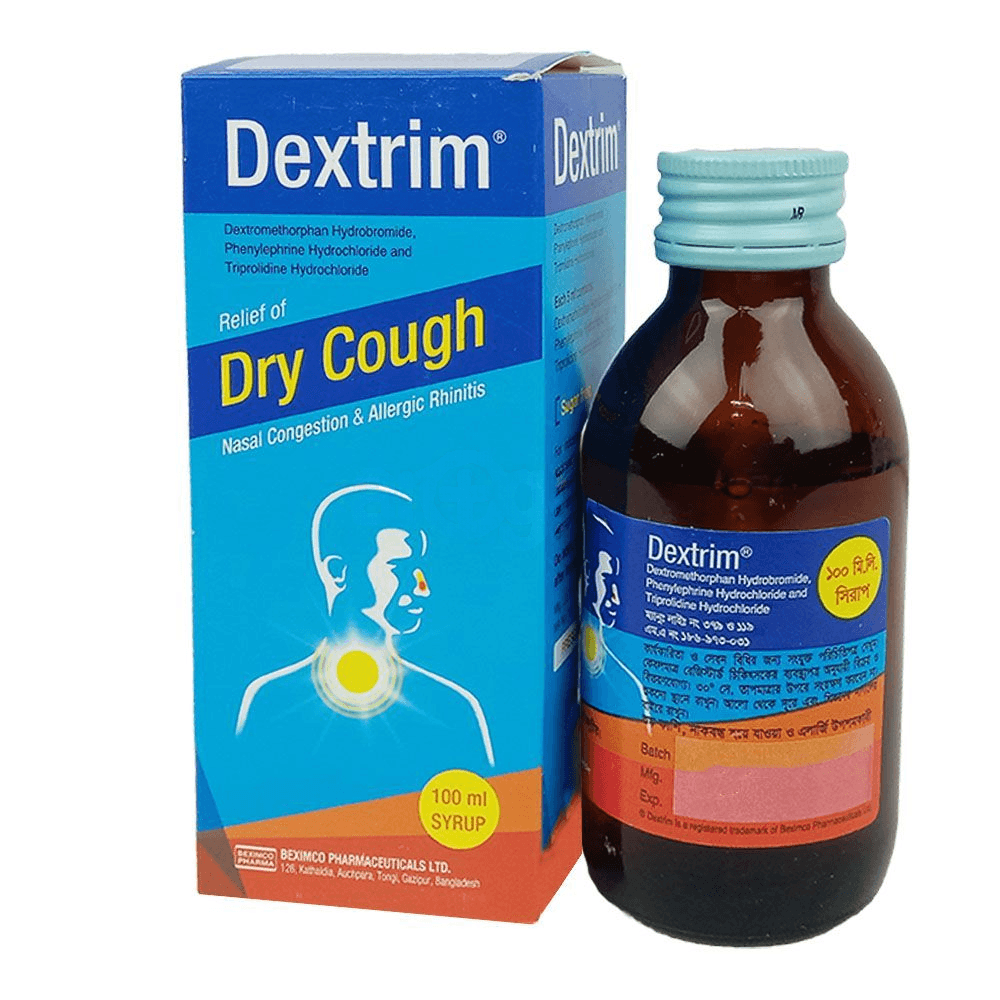
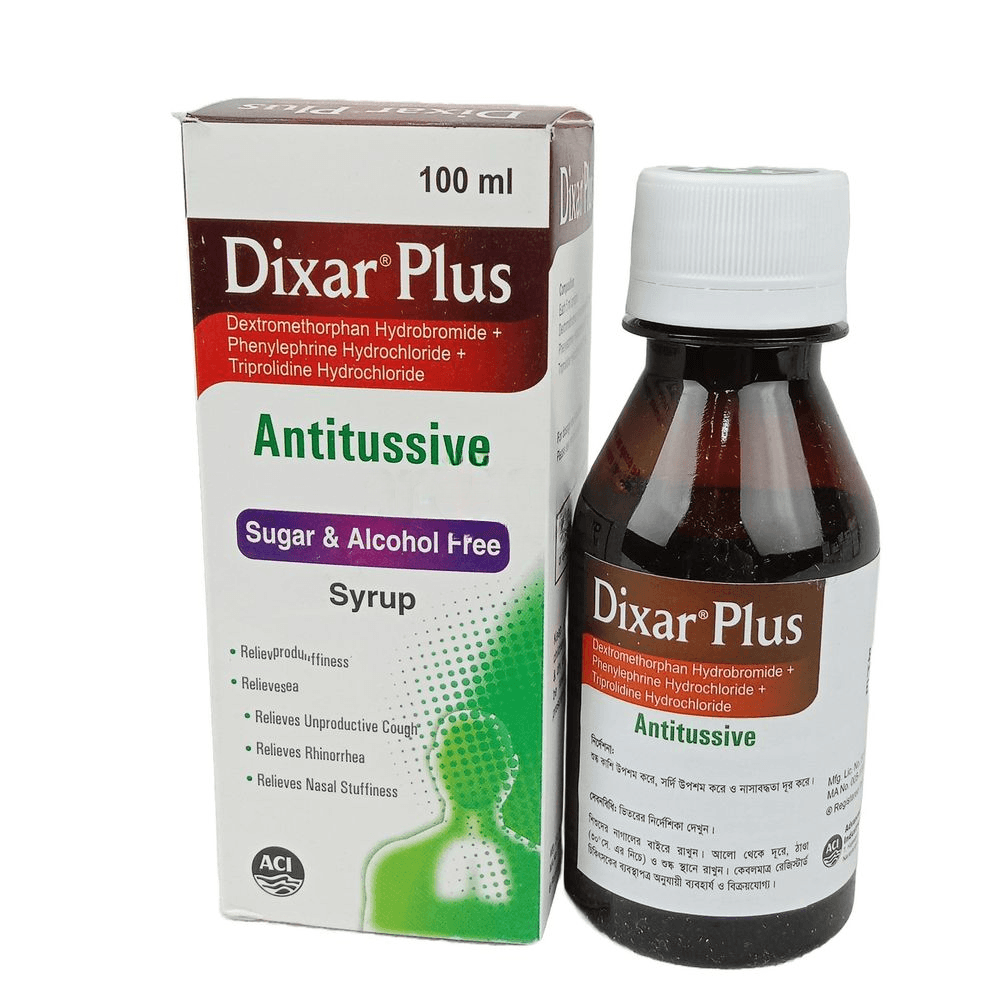
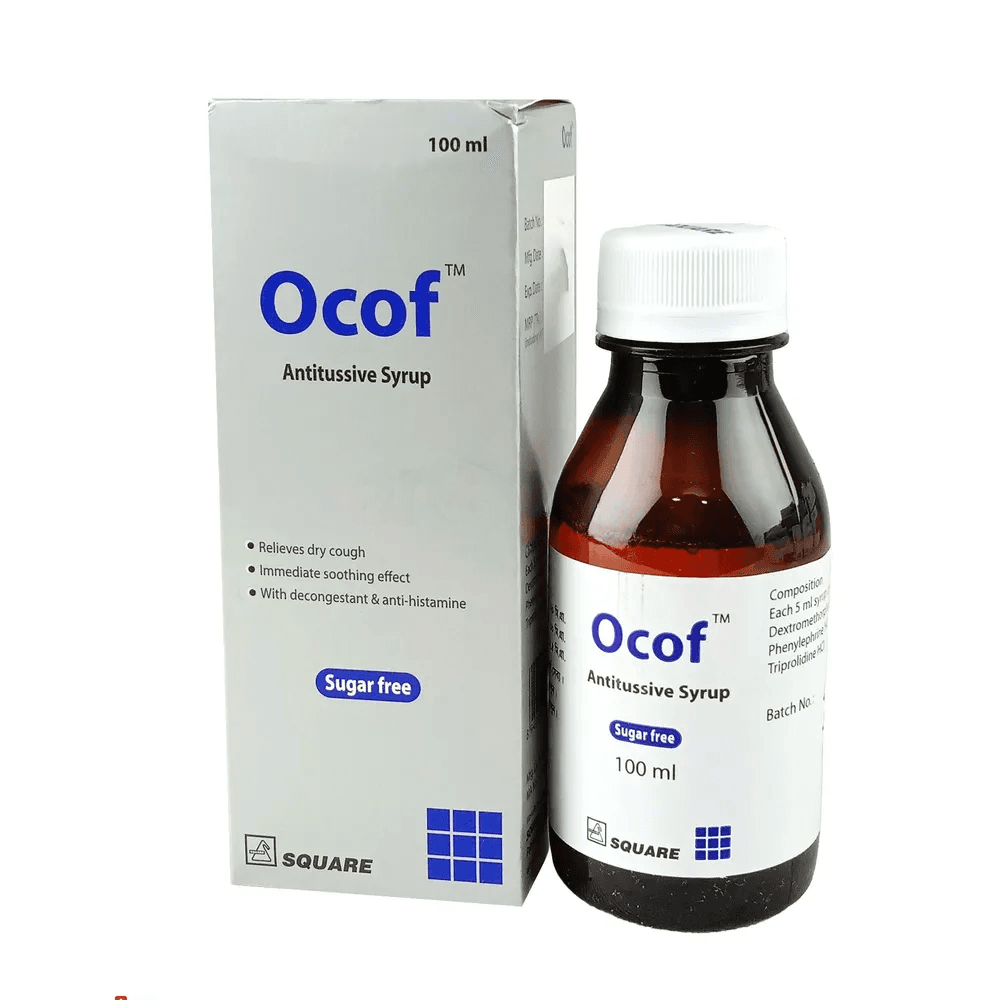
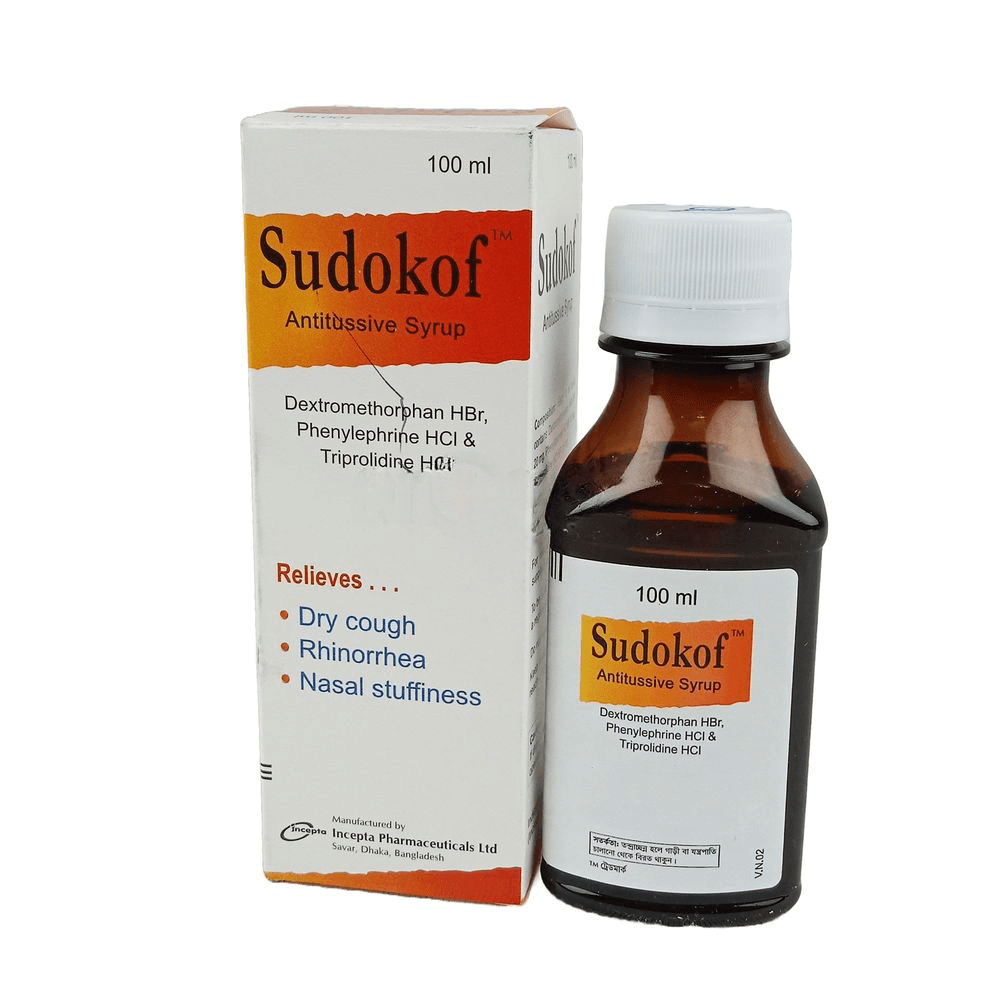

Symptomatic relief of upper respiratory tract disorders accompanied by non-productive cough.\r\nTemporarily relieves these symptoms due to common cold, hay fever (allergic rhinitis), other upper respiratory allergies,\r\ncough due to minor throat or bronchial irritation, runny nose, sneezing, itching of the nose or throat, itchy, watery eyes, nasal congestion, reduces swelling of nasal passages
Take with or without food.
Adults: 1 teaspoonful 4 times a day.\r\n
Children over 12 years: 1 teaspoonful 4 times a day.\r\n6-12 years : 1/2 teaspoonful 4 times a day.
This combination is contraindicated in patients with a known hypersensitivity to Dextromethorphan, Phenylephrine or \r\nTriprolidine as well as in persons under treatment with Monoamine Oxidase Inhibitor within 2 weeks of stopping such \r\ntreatment.
This preparation is a mixture of antitussive, decongestant and antihistamine agent. \r\nDextromethorphan is a safe, effective, non-narcotic antitussive agent which has a central action on the cough centre in the medulla. Although structurally related to Morphine, it has no analgesic and habit forming properties and in general it has little sedative activity. \r\n\r\nPhenylephrine is a decongestant that shrinks blood vessels in the nasal passage. It is used to treat nasal and sinus congestion of the tubes that drain fluid from inner ear. \r\n\r\nTriprolidine provides symptomatic relief in conditions believed to depend wholly or partly upon the triggered release of histamine. It is a potent competitive histamine H1-receptor antagonist of the pyrrolidine class with mild central nervous system depressant properties which may cause drowsiness.
This combination may cause drowsiness. It may impair the patient’s ability to drive and also to use machineries. Although \r\nthere are no objective data, users of this syrup should avoid the concomitant use of alcohol or other centrally acting \r\nsedatives. As with other sympathomimetic agents caution should be exercised in patients with hypertension, heart disease, \r\ndiabetes, hyperthyroidism, elevated intraocular pressure and prostatic enlargement. This combination should not be used \r\nfor persistent or chronic cough such as occurs with smoking, asthma, or emphysema or where cough is accompanied by \r\nexcessive secretion unless directed by a physician.\r\n\r\nThere are no specific data on use of this combination during pregnancy & lactation
Side effects of Dextromethorphan appears to be rare and may include drowsiness. Prostatic enlargement could have been \r\nan important predisposing factor.\r\nExcitability may occur, especially in children
N/A