Search products by name
Search medicines by name
0
0 item
৳ ০.০০
আপনার সব স্বাস্থ্যসেবার সমাধান — এখন এক জায়গাতেই


১০৬৫৭
info@shukhee.com
টেলিকম ভবন, ৫৩/১, বক্স নগর, ঢাকা-১২১৬
৳ ০.০০
১০৬৫৭
info@shukhee.com
টেলিকম ভবন, ৫৩/১, বক্স নগর, ঢাকা-১২১৬

Products

Payment

Delivery
For peripheral intravenous infusion, 1 to 1.5 g/kg/day of total amino acids will reduce protein catabolism. \r\n
Special care must be taken when administering glucose solutions to provide calories in diabetic or prediabetic patients. To control and minimize possible hyperglycemia and consequent glycosuria, it is desirable to monitor blood and urine glucose and, if necessary, add insulin.\r\n\r\nBecause of its antianabolic activity, concurrent administration of tetracycline may reduce the nitrogen sparing effects of infused amino acids.\r\n\r\nFeeding regimens which include amino acids should be used with caution in patients with history of renal disease, pulmonary disease, or with cardiac insufficiency so as to avoid excessive fluid accumulation.\r\n\r\nNitrogen intake should be carefully monitored in patients with impaired renal function.
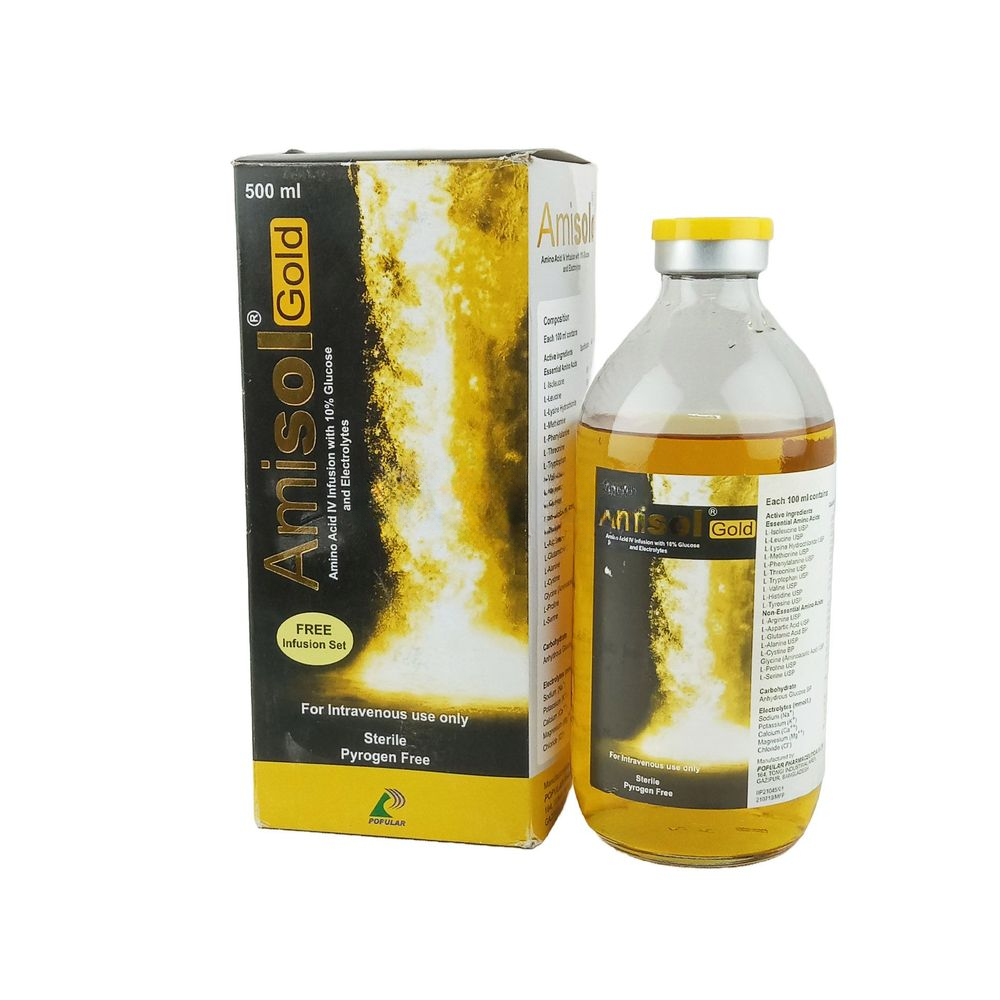
A crystalline amino acid solution provides crystalline amino acids to promote protein synthesis and wound healing, and to reduce the rate of endogenous protein catabolism. Amino Acids , given by central venous infusion in combination with concentrated dextrose, electrolytes, vitamins, trace metals, and ancillary fat supplements, constitutes total parenteral nutrition (TPN). Amino Acids can also be administered by peripheral vein with dextrose and maintenance electrolytes.
As reported the dosage and constant infusion rate of intravenous dextrose must be selected with caution in pediatric patients, particularly neonates and low birth weight infants, because of the increased risk of hyperglycemia/hypoglycemia.
As with all intravenous fluid therapy, the primary aim is to provide sufficient water to compensate for insensible, urinary, and other fluid losses (nasogastric suction, fistula drainage, and diarrhea). Infused at a rate of 45 mL/kg/day, will meet the fluid and amino acid requirements of the stable adult patient.\r\n\r\nAs reported the dosage and constant infusion rate of intravenous dextrose must be selected with caution in pediatric patients, particularly neonates and low birth weight infants, because of the increased risk of hyperglycemia/hypoglycemia.
Prevent nitrogen loss, Negative nitrogen balance, Nutritional therapy
It can be infused through a peripheral vein paying great care to the possible occurrence of local reactions. Local reactions consisting of a warm sensation, erythema, phlebitis and thrombosis at the infusion site have occurred with peripheral intravenous infusion of amino acids; in such cases the infusion site should be changed promptly to another vein. Use of large peripheral veins, inline filters, and slower rates of infusion may reduce the incidence of local venous irritation. Electrolyte additives should be spread throughout the day. Irritating additive medications may need to be injected at another venous site.\r\n\r\nGeneralized flushing, fever and nausea have been reported during peripheral infusions of amino acid solutions.
This preparation should not be used in patients with hepatic coma or metabolic disorders involving impaired nitrogen utilization.
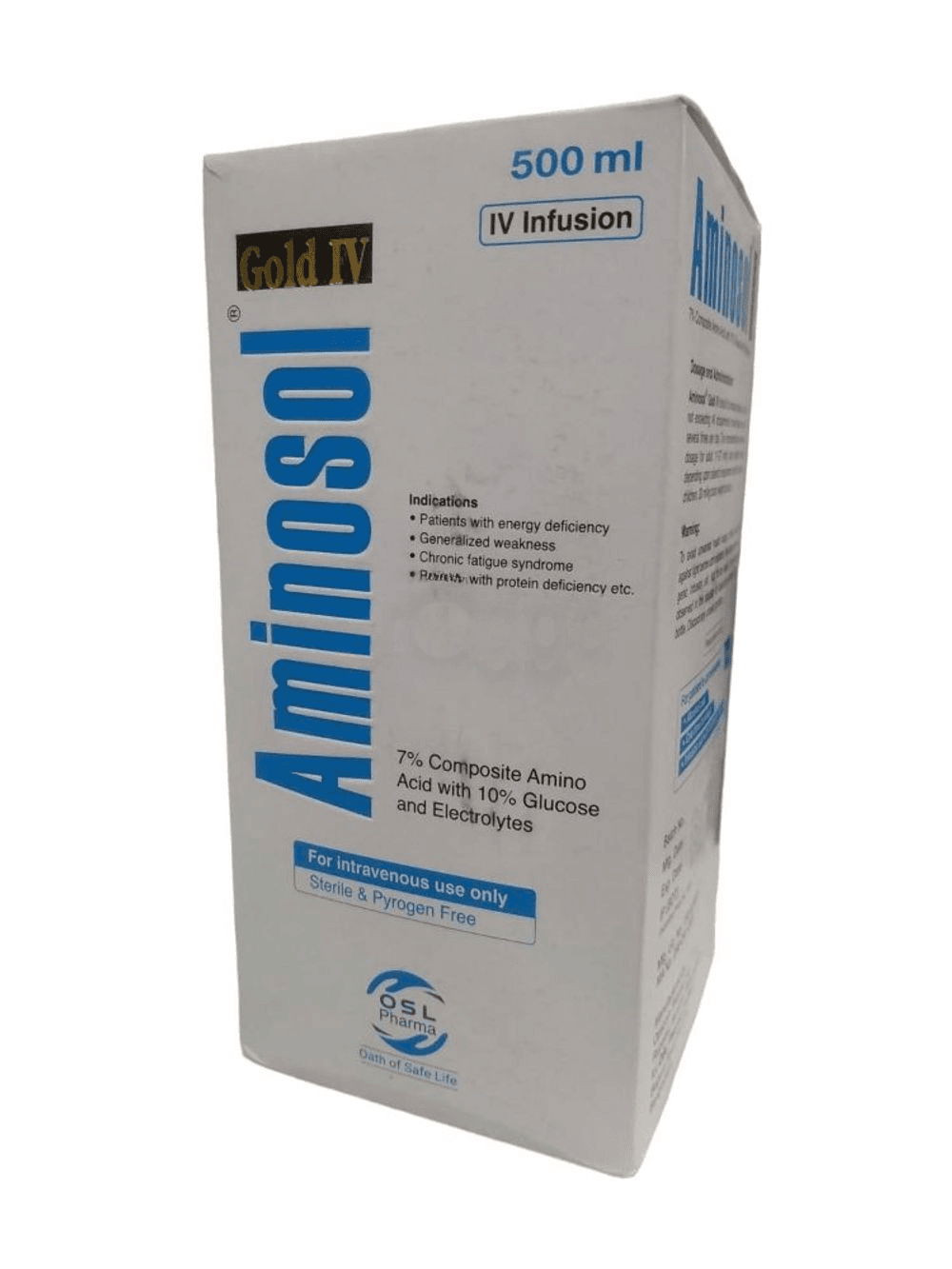
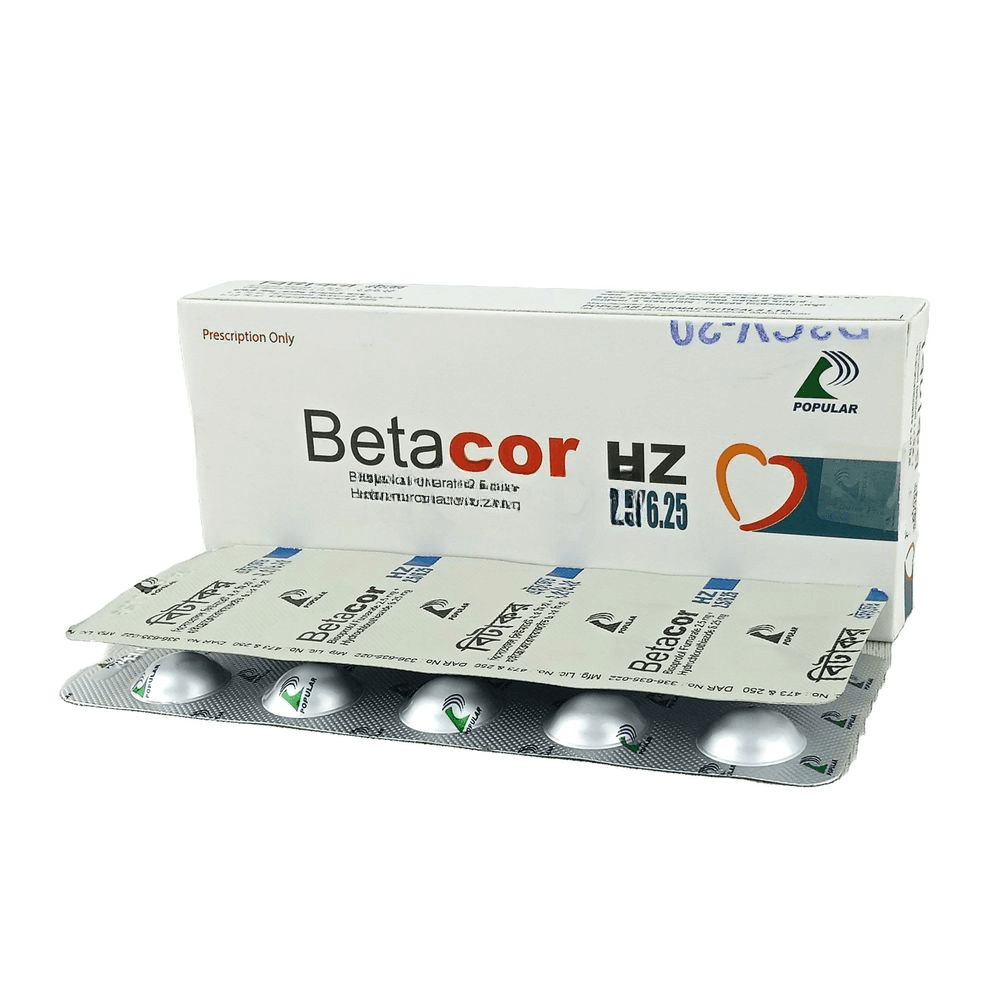
For peripheral intravenous infusion, 1 to 1.5 g/kg/day of total amino acids will reduce protein catabolism. \r\n
Special care must be taken when administering glucose solutions to provide calories in diabetic or prediabetic patients. To control and minimize possible hyperglycemia and consequent glycosuria, it is desirable to monitor blood and urine glucose and, if necessary, add insulin.\r\n\r\nBecause of its antianabolic activity, concurrent administration of tetracycline may reduce the nitrogen sparing effects of infused amino acids.\r\n\r\nFeeding regimens which include amino acids should be used with caution in patients with history of renal disease, pulmonary disease, or with cardiac insufficiency so as to avoid excessive fluid accumulation.\r\n\r\nNitrogen intake should be carefully monitored in patients with impaired renal function.
A crystalline amino acid solution provides crystalline amino acids to promote protein synthesis and wound healing, and to reduce the rate of endogenous protein catabolism. Amino Acids , given by central venous infusion in combination with concentrated dextrose, electrolytes, vitamins, trace metals, and ancillary fat supplements, constitutes total parenteral nutrition (TPN). Amino Acids can also be administered by peripheral vein with dextrose and maintenance electrolytes.
As reported the dosage and constant infusion rate of intravenous dextrose must be selected with caution in pediatric patients, particularly neonates and low birth weight infants, because of the increased risk of hyperglycemia/hypoglycemia.
As with all intravenous fluid therapy, the primary aim is to provide sufficient water to compensate for insensible, urinary, and other fluid losses (nasogastric suction, fistula drainage, and diarrhea). Infused at a rate of 45 mL/kg/day, will meet the fluid and amino acid requirements of the stable adult patient.\r\n\r\nAs reported the dosage and constant infusion rate of intravenous dextrose must be selected with caution in pediatric patients, particularly neonates and low birth weight infants, because of the increased risk of hyperglycemia/hypoglycemia.
Prevent nitrogen loss, Negative nitrogen balance, Nutritional therapy
It can be infused through a peripheral vein paying great care to the possible occurrence of local reactions. Local reactions consisting of a warm sensation, erythema, phlebitis and thrombosis at the infusion site have occurred with peripheral intravenous infusion of amino acids; in such cases the infusion site should be changed promptly to another vein. Use of large peripheral veins, inline filters, and slower rates of infusion may reduce the incidence of local venous irritation. Electrolyte additives should be spread throughout the day. Irritating additive medications may need to be injected at another venous site.\r\n\r\nGeneralized flushing, fever and nausea have been reported during peripheral infusions of amino acid solutions.
This preparation should not be used in patients with hepatic coma or metabolic disorders involving impaired nitrogen utilization.
N/A