Search products by name
Search medicines by name
0
0 item
৳ ০.০০
আপনার সব স্বাস্থ্যসেবার সমাধান — এখন এক জায়গাতেই


১০৬৫৭
info@shukhee.com
টেলিকম ভবন, ৫৩/১, বক্স নগর, ঢাকা-১২১৬
৳ ০.০০
১০৬৫৭
info@shukhee.com
টেলিকম ভবন, ৫৩/১, বক্স নগর, ঢাকা-১২১৬

Products

Payment

Delivery
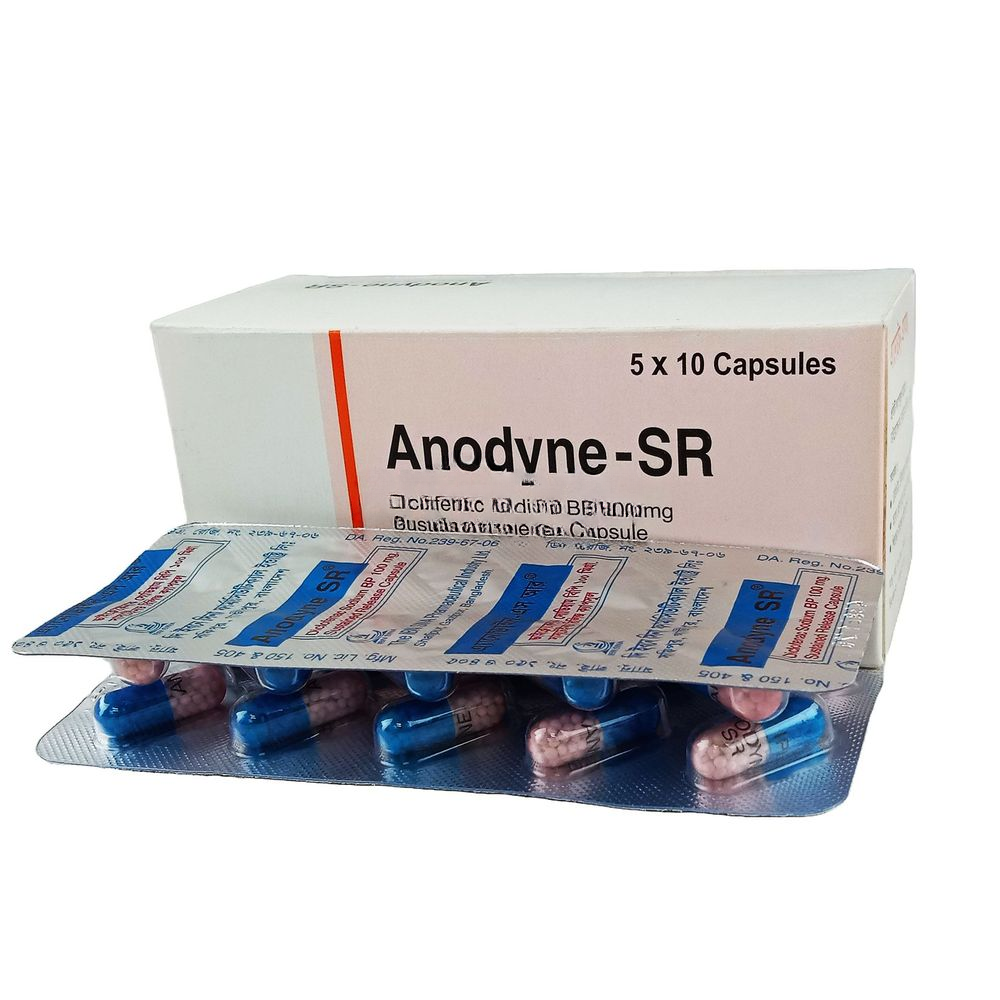
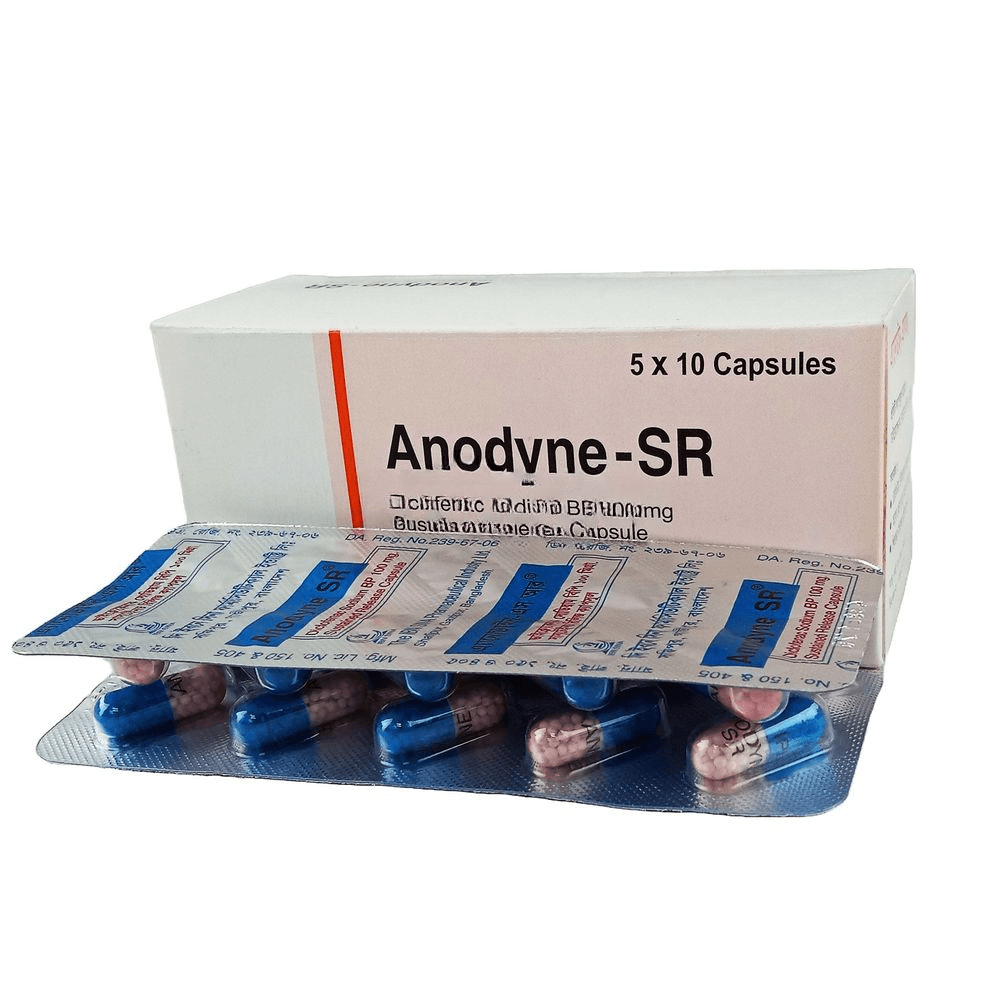
Rheumatoid arthritis, Osteoarthritis, Ankylosing spondylitis, Pain, Migraine, Dysmenorrhea, Muscle aches, Acute gout, Inflammation, Renal colic,Tendinitis, Backaches, Dental pain, Menstrual cramps, Bursitis
Should be taken with food. Take immediately after meals.
Oral\r\nRheumatoid Arthritis, Osteoarthritis\r\nDiclofenac sodium: 50 mg PO q8hr \r\nExtended release: 100 mg PO once daily; may be increased to 100 mg PO q12hr\r\n\r\nAnkylosing Spondylitis\r\nDiclofenac sodium: 25 mg PO 4 or 5 times daily\r\n\r\nMild-to-Moderate Acute Pain, Dysmenorrhea\r\n100 mg PO once, then 50 mg PO q8hr PRN\r\n\r\nIntravenous\r\nPostoperative pain\r\nAdult: As diclofenac Na: 75 mg infusion in glucose 5% or NaCl 0.9% (previously buffered w/ Na bicarbonate) given over 30-120 min or as bolus inj, may repeat after 4-6 hr if necessary. Max period: 2 days.\r\n\r\nIntramuscular\r\nRheumatoid arthritis; Sprains ; Strains; Tendinitis; Pain and inflammation associated with musculoskeletal and joint disorders ; Bursitis; Acute gout; Dysmenorrhoea\r\nAdult: As diclofenac Na: 75 mg once daily, injected into the gluteal muscle, may increase to 75 mg bid in severe conditions. Max period: 2 days.\r\n\r\nHepatic impairment: Dose adjustment may be needed. \r\n\r\n
It is contra-indicated for those patients who are hypersensitive to Diclofenac. In patients with active or suspected peptic ulcer or gastrointestinal bleeding, or for those patients in whom attacks of asthma, urticaria or acute rhinitis are precipitated by aspirin or other NSAIDs possessing prostaglandin synthetase inhibitinig activity, it is also contraindicated.\r\nBecause of the presence of Lidocaine, it is also contraindicated for those patients who are hypersensitive to local anaesthetics of the amide type, although the incidence is very rare.
Diclofenac, a phenylacetic acid derivative is a prototypical NSAID. It has potent anti-inflammatory, analgesic and antipyretic actions. It reversibly inhibits the enzyme, cyclooxygenase, thus resulting in reduced synthesis of prostaglandin precursors.
History of gastrointestinal ulceration, haematemesis or melaena, ulcerative colitis, Asthma or history of asthma, Crohn's disease, bleeding diathesis or haematological abnormalities. Patients with severe hepatic, cardiac or renal insufficiency or the elderly people, Current or previous high blood pressure ( hypertension) should be kept under close surveillance. All patients who are receiving long-term treatment with NSAID agents should be monitored as a precautionary measure (e.g., renal, hepatic function and blood counts).If abnormal liver function tests persist or worsen, clinical signs and symptoms consistent with liver disease develop or if other manifestations occur, Diclofenac sodium should be discontinued. Use of Diclofenac tablet in patients with hepatic porphyria may trigger an attack.\r\n\r\nLactation: Excreted in breast milk; not recommended
Side-effects of Diclofenac is usually mild and transient. It is generally well tolerated. At the starting of the treatment, however, patients may sometimes complain of gastrointestinal discomfort, epigastria pain, eructation, nausea and Diarrhoea, headache and bleeding sometime may occur. Occasionally skin rash, peripheral oedema and abnormalities of serum transaminase have been reported.Very rarely reported side effects include activation of peptic ulcer, haematemesis or melena, blood dyscrasia (extensive usage). There have been isolated reports of anaphylactoid reactions.\r\n
$4e
May increase serum levels of methotrexate. Concomitant use w/ other NSAIDs or anticoagulants (e.g. warfarin) is associated w/ higher risk of GI bleeding. Increased risk of nephrotoxicity w/ ciclosporin or triamterene. May increase the risk of developing corneal complications in patients w/ significant pre-existing corneal inflammation when use concomitantly w/ ophth preparation containing corticosteroids. Colestyramine and colestipol reduce the bioavailability of diclofenac. Decreased plasma concentration when administered after sucralfate. Ophth application of diclofenac may reduce the efficacy of ophth acetylcholine and carbachol. May increase serum levels of lithium and digoxin.
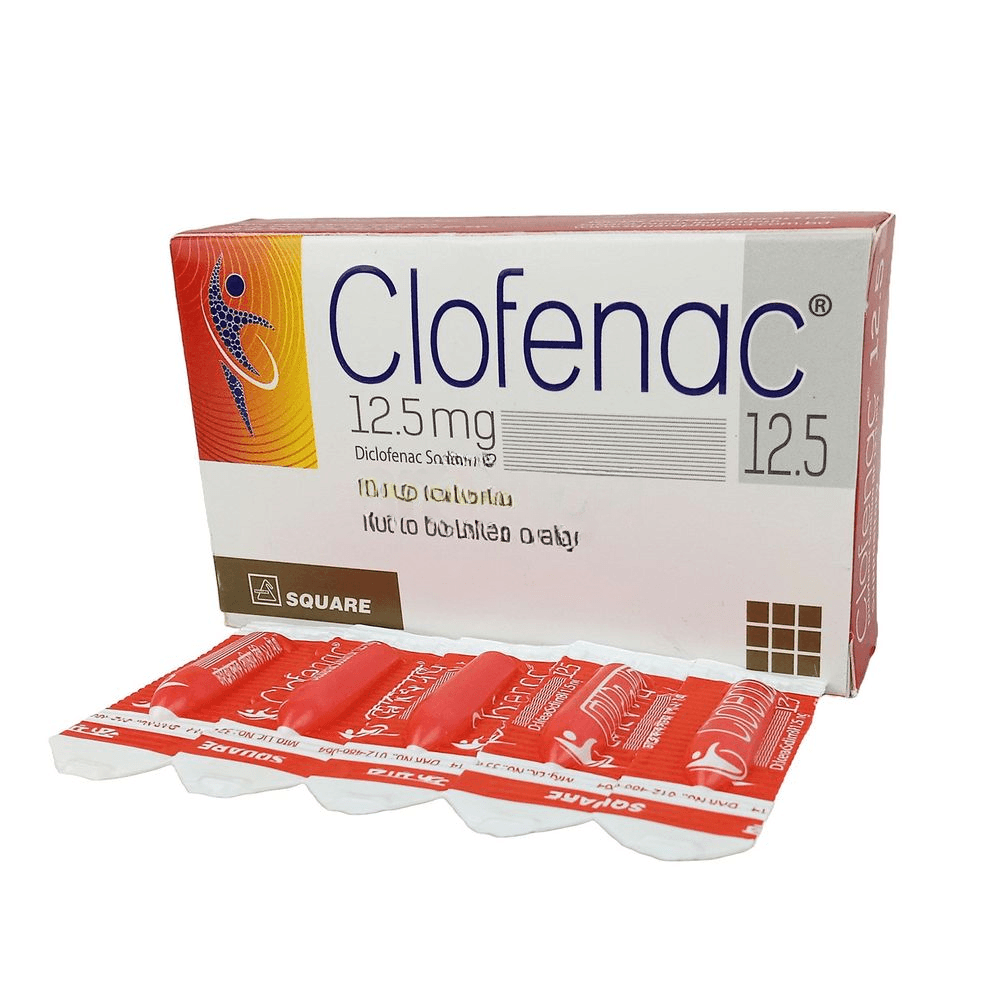
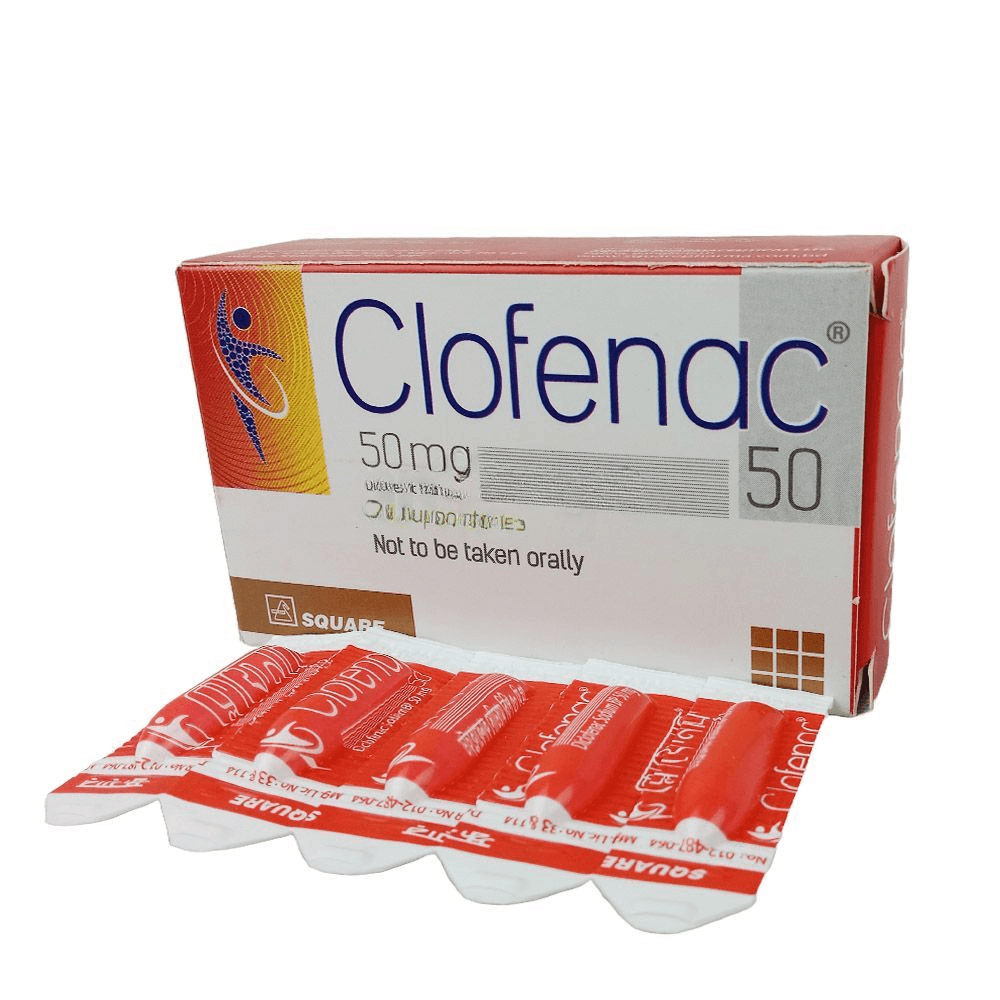
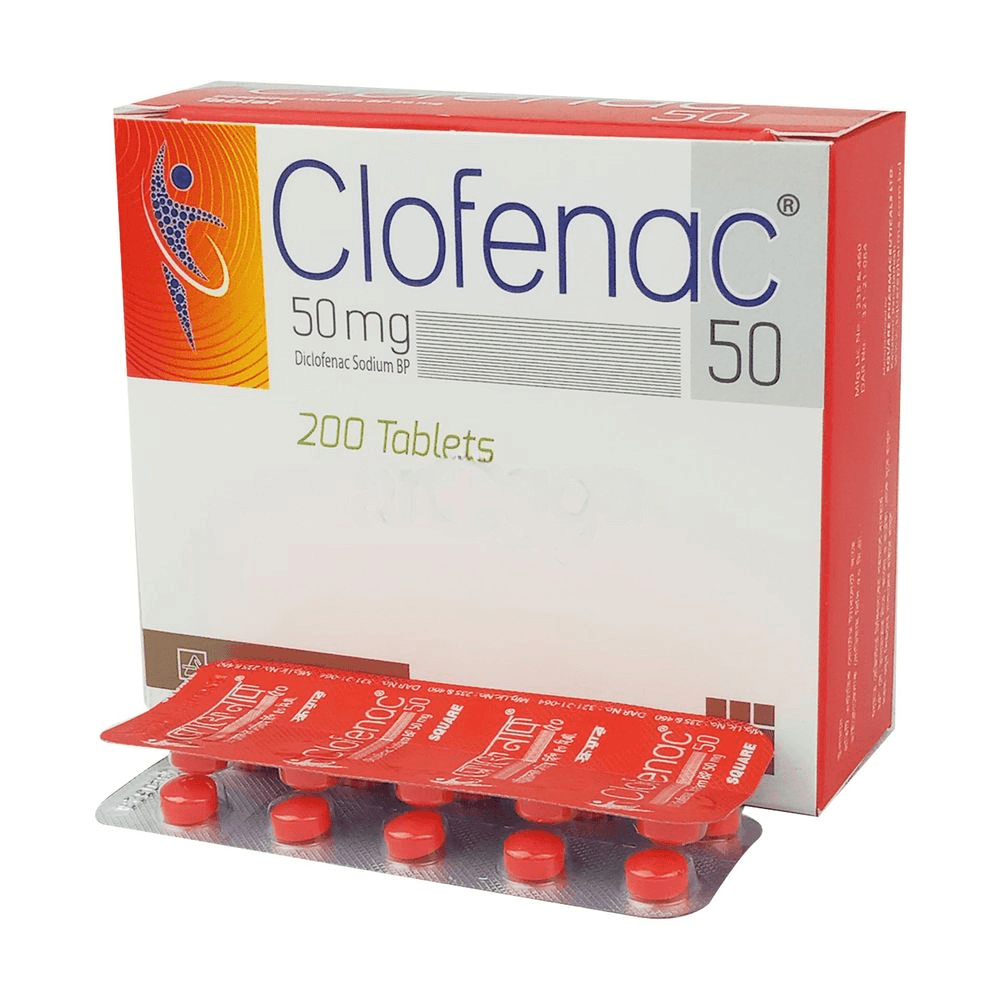
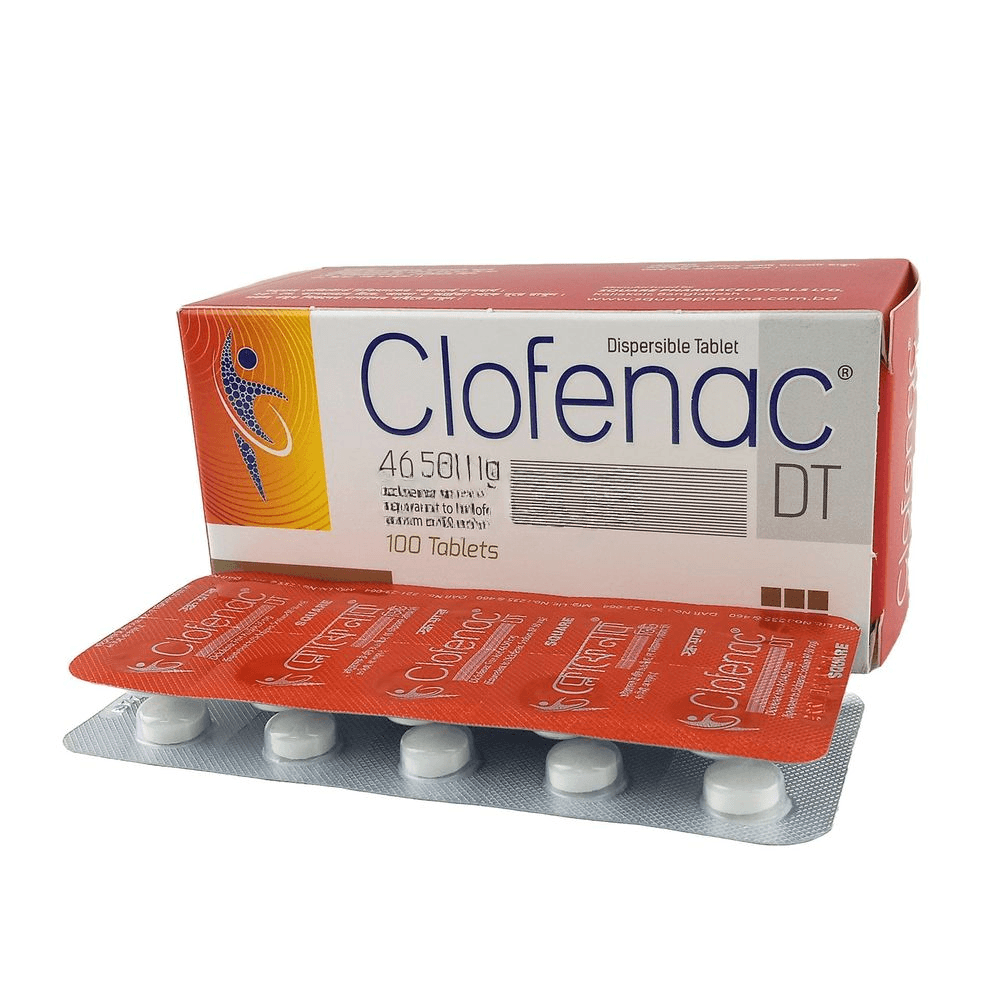
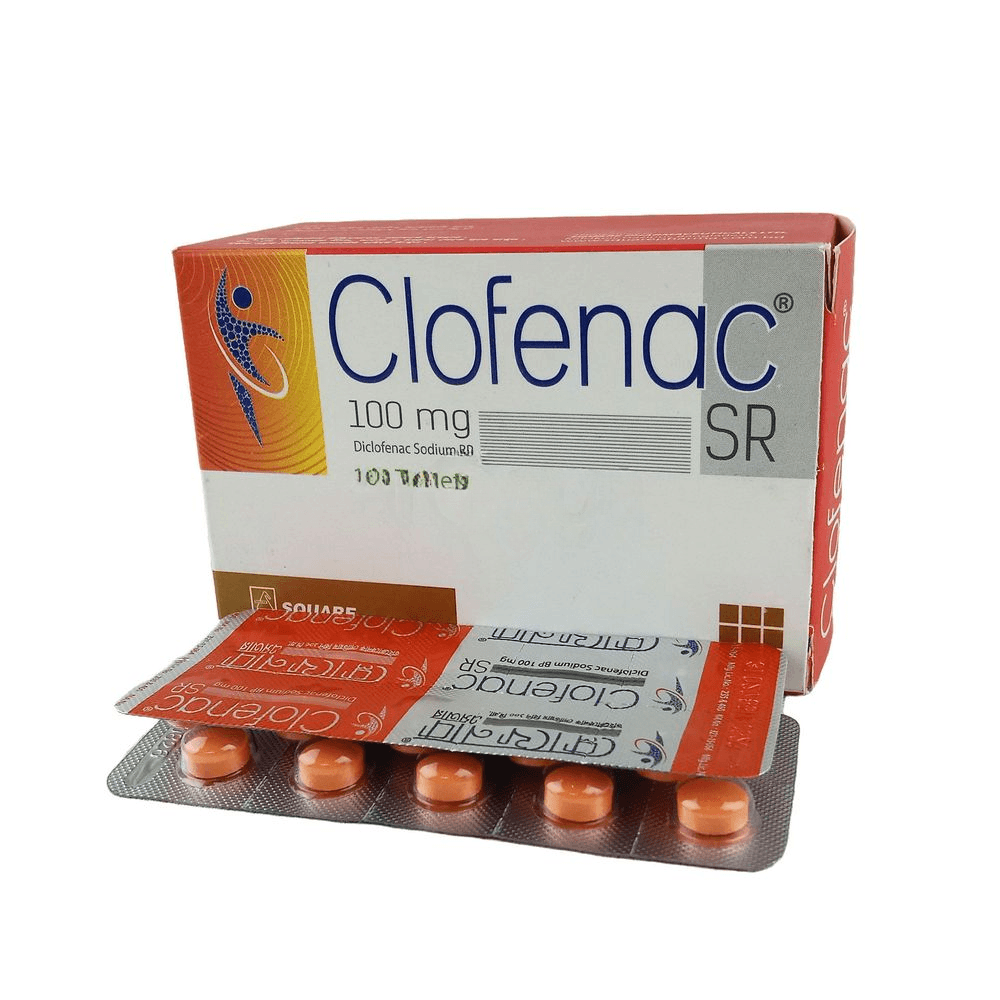
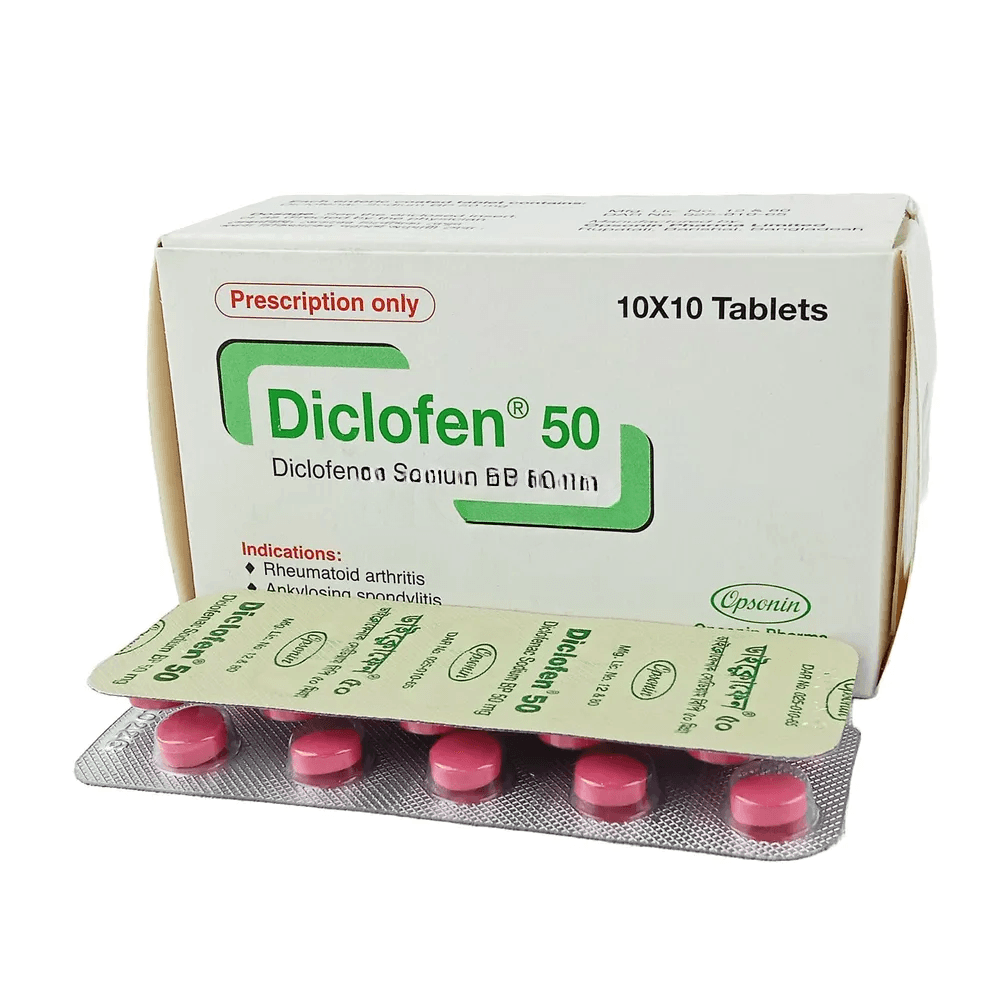
Diclofenac Sodium works by blocking the production of prostaglandins—chemicals responsible for pain and inflammation. It is prescribed for osteoarthritis, rheumatoid arthritis, ankylosing spondylitis, muscle pain, and menstrual cramps.
Drug class: Nonsteroidal anti‑inflammatory drug (NSAID)
Common forms: Tablets (25 mg, 50 mg, 75 mg), injections, gels, suppositories
Mechanism: Reduces inflammation and pain by inhibiting cyclooxygenase (COX‑1 and COX‑2) enzymes
Pain relief: Effective for joint, muscle, and back pain.
Anti‑inflammatory action: Reduces swelling and stiffness in arthritis.
Fever reduction: Helps lower body temperature in inflammatory conditions.
Multiple formulations: Available as oral, topical, and rectal forms for flexible use.