Search products by name
Search medicines by name
0
0 item
৳ ০.০০
আপনার সব স্বাস্থ্যসেবার সমাধান — এখন এক জায়গাতেই


১০৬৫৭
info@shukhee.com
টেলিকম ভবন, ৫৩/১, বক্স নগর, ঢাকা-১২১৬
৳ ০.০০
১০৬৫৭
info@shukhee.com
টেলিকম ভবন, ৫৩/১, বক্স নগর, ঢাকা-১২১৬

Quantity:

Products

Payment

Delivery
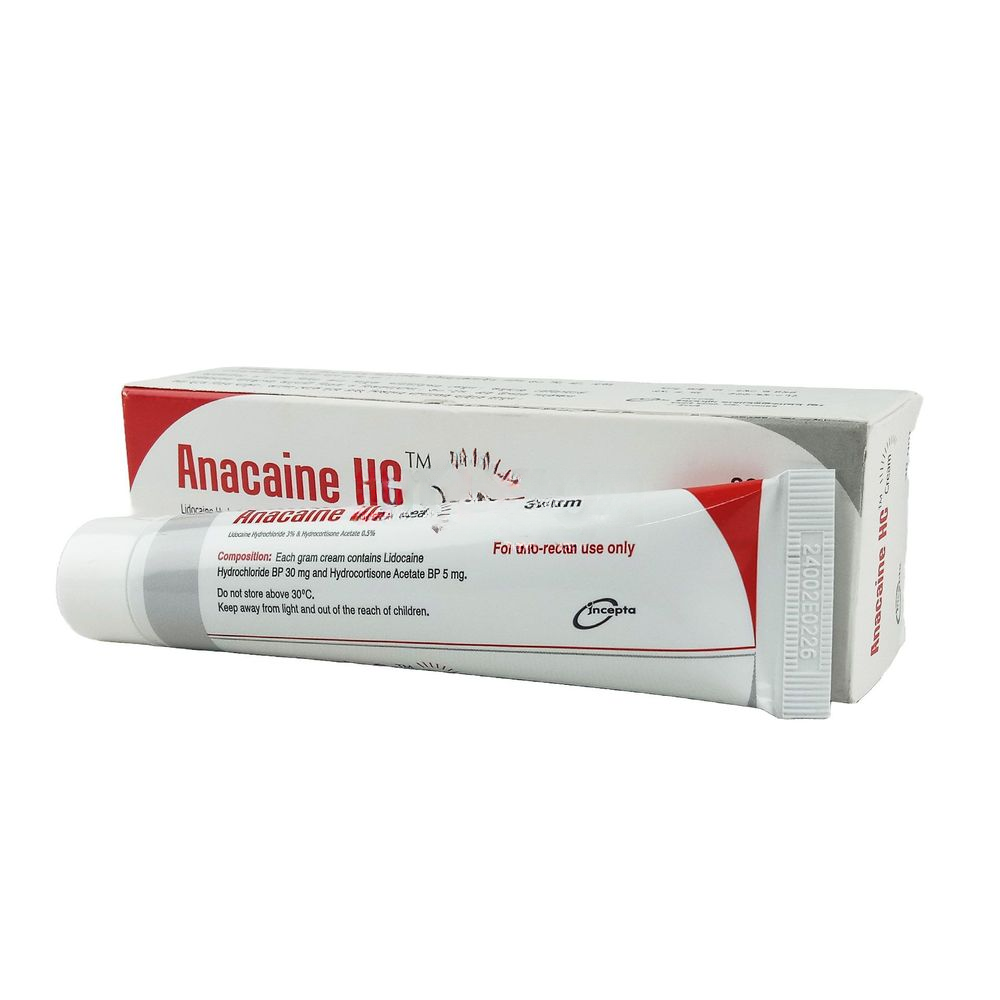
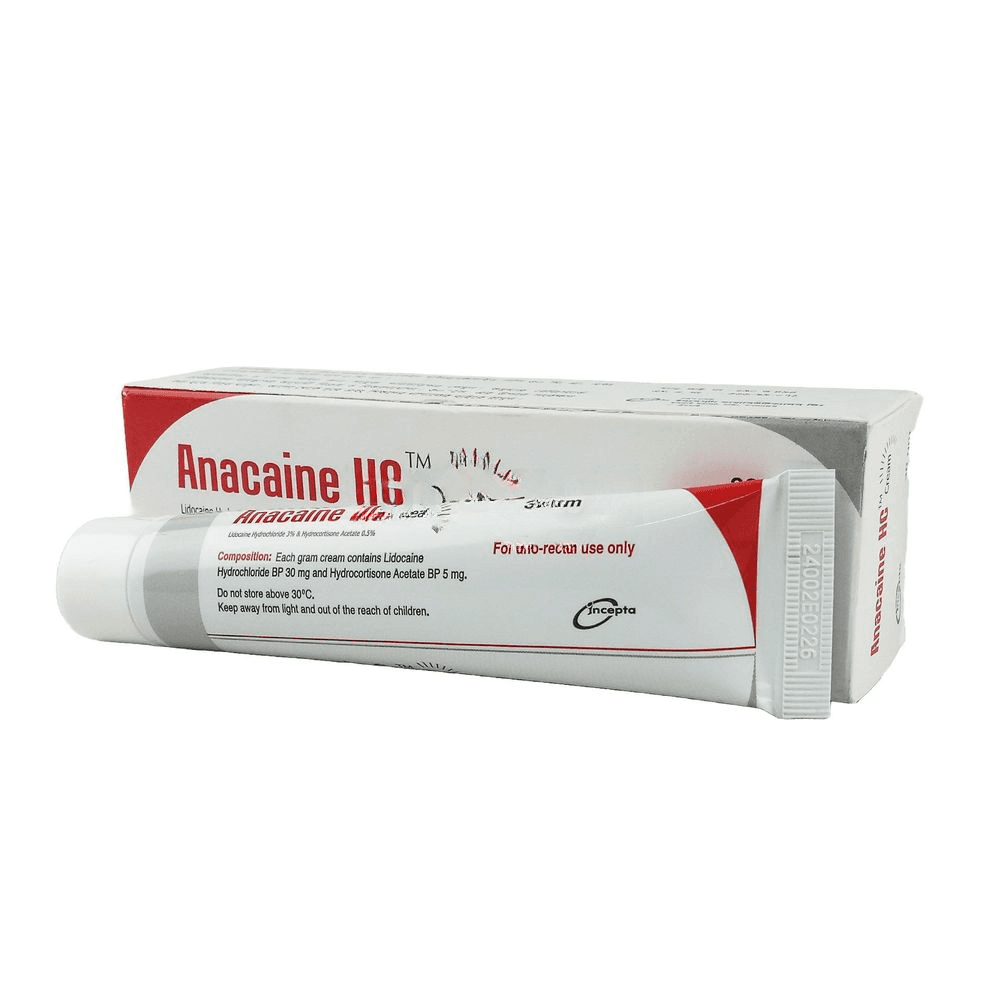
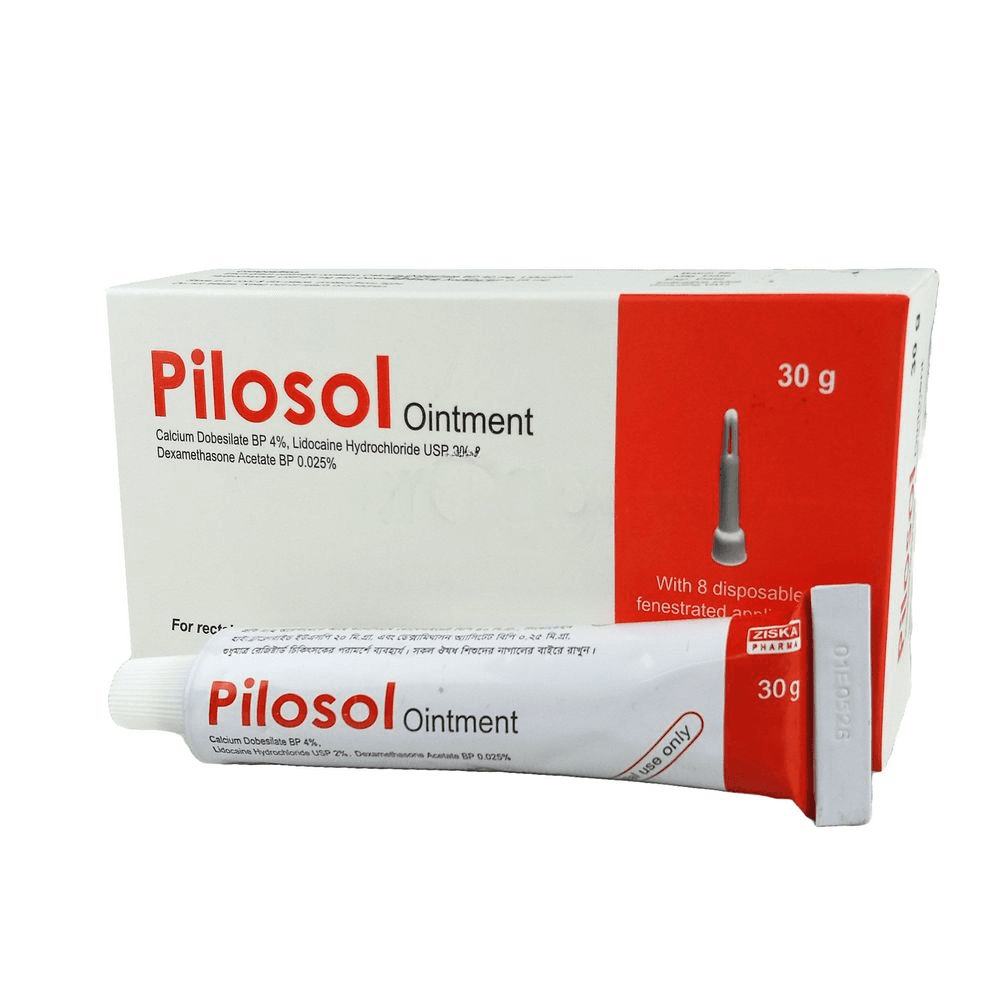
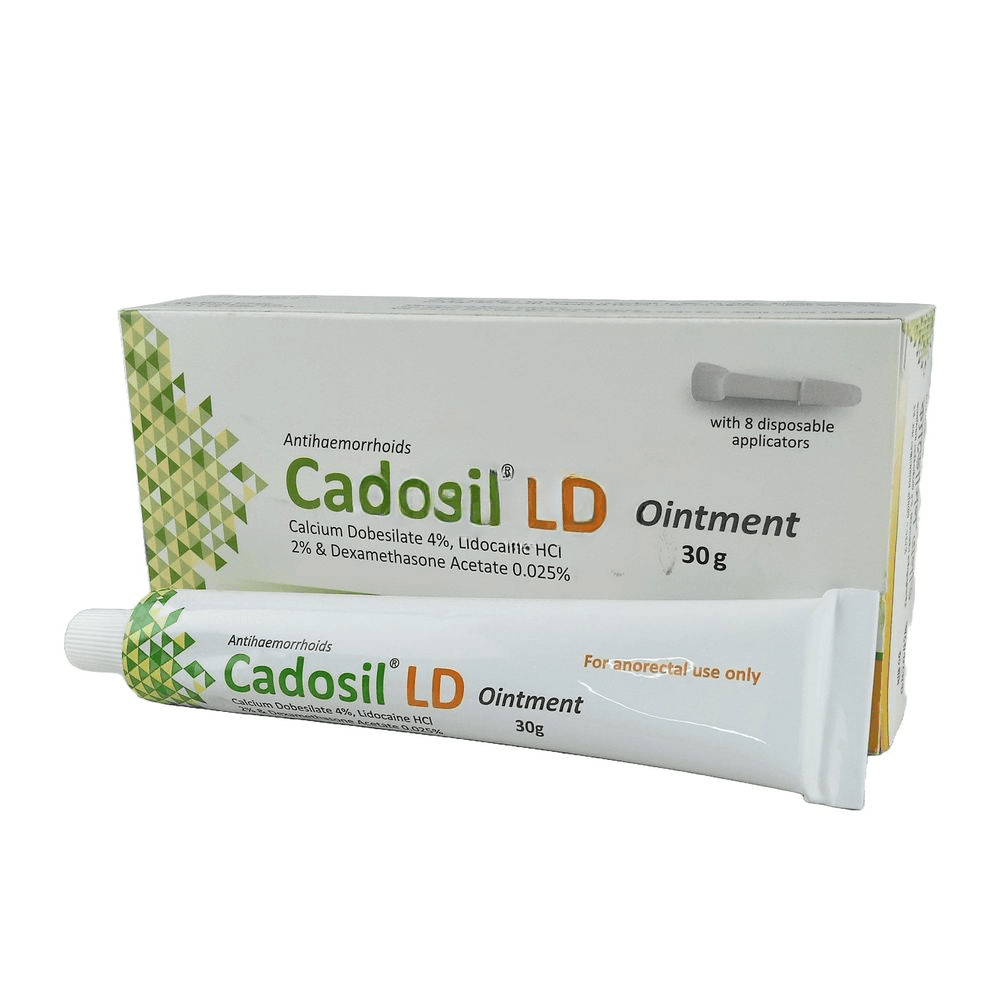
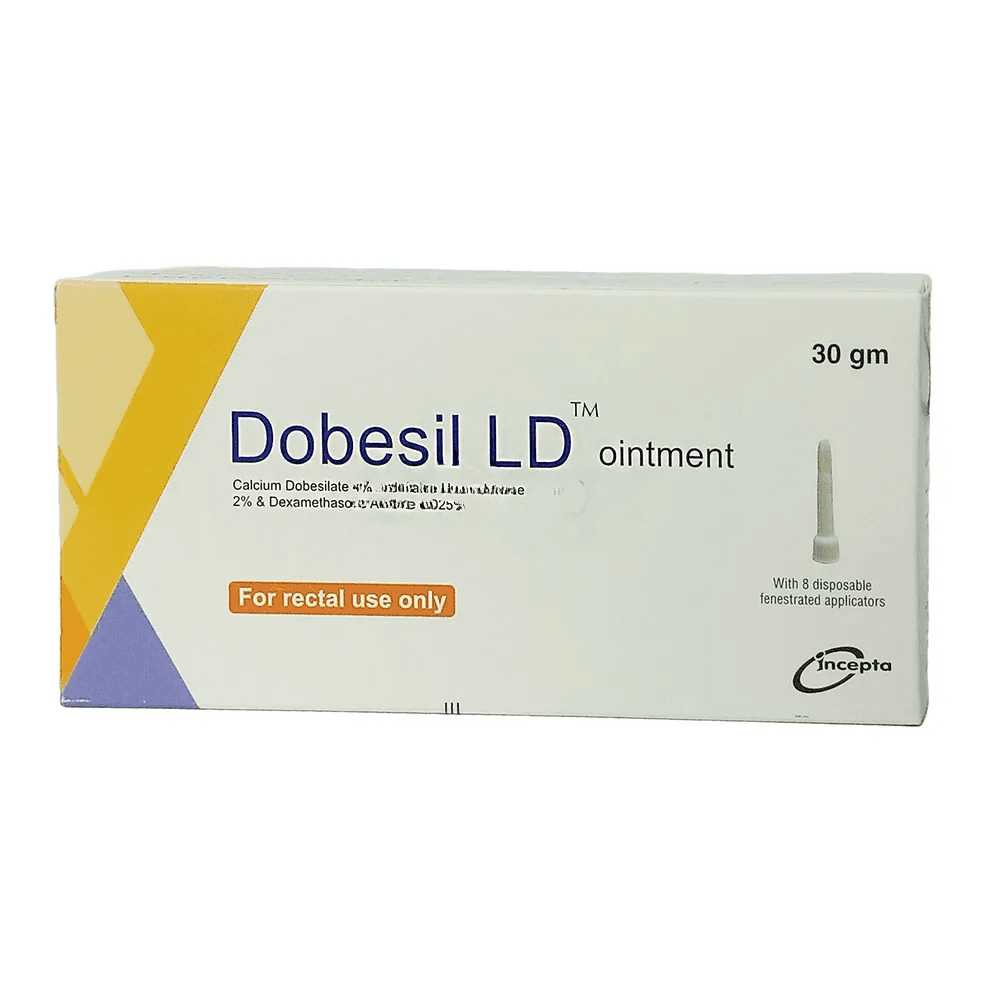
Relief of itching, pain, soreness and discomfort due to, hemorrhoids, anal fissures, pruritus ani, similar conditions of the anal area.
Hemorrhoids, Anal fissures, Pruritus ani Apply BID to areas of discomfort and anal opening
Safety and efficacy not established
Patients with a history of hypersensitivity to any of its ingredients.
Combination therapy; anti-inflammatory, antipruritic, and vasoconstrictive effects. Hydrocortisone acetate provides relief of inflammatory and pruritic manifestations of corticosteroid-responsive dermatoses. Lidocaine has analgesic effects and acts via reversible block of the impulses from the nerve fibres.
If extensive areas are treated, the possibility of systemic absorption exists. Systemic absorption of topical steroids has produced reversible hypothalamic-pituitary-adrenal (HPA) axis suppression, manifestations of Cushing’s syndrome, hyperglycemia, and glycosuria in some patients. If irritation or sensitivity occurs or infection appears, discontinue use and institute appropriate therapy. Lactation: Unknown if distributed in breast milk; exercise caution
Rare side effects like Rectal bleeding, Swelling of the skin, Adrenal suppression, Anaphylaxis , Angioedema, Cushing syndrome, Hirsutism, Acne, Cutaneous and subcutaneous atrophy , Dry scaly skin, Urticaria.
This cream should be used with caution together with dental injection anaesthesia, other local anaesthetics or agents structurally related to local anaesthetics of amide type eg, antiarrhythmic drugs (eg, mexiletine), as the toxic effects of these drugs are additive. Patients treated with class III antiarrhythmic drugs (eg, amiodarone) should be closely observed and ECG monitoring should be considered, as the cardiac effects of lidocaine and class III antiarrhythmic drugs can be additive. Drugs that inhibit the metabolism of lidocaine (eg, cimetidine or ?-blockers) may cause potentially toxic plasma concentrations when lidocaine is given in repeated high doses over a long time period. Such interactions are of no clinical importance following short-term treatment with lidocaine at recommended doses.
N/A