Search products by name
Search medicines by name
0
0 item
৳ ০.০০
আপনার সব স্বাস্থ্যসেবার সমাধান — এখন এক জায়গাতেই


১০৬৫৭
info@shukhee.com
টেলিকম ভবন, ৫৩/১, বক্স নগর, ঢাকা-১২১৬
৳ ০.০০
১০৬৫৭
info@shukhee.com
টেলিকম ভবন, ৫৩/১, বক্স নগর, ঢাকা-১২১৬

Quantity:

Products

Payment

Delivery
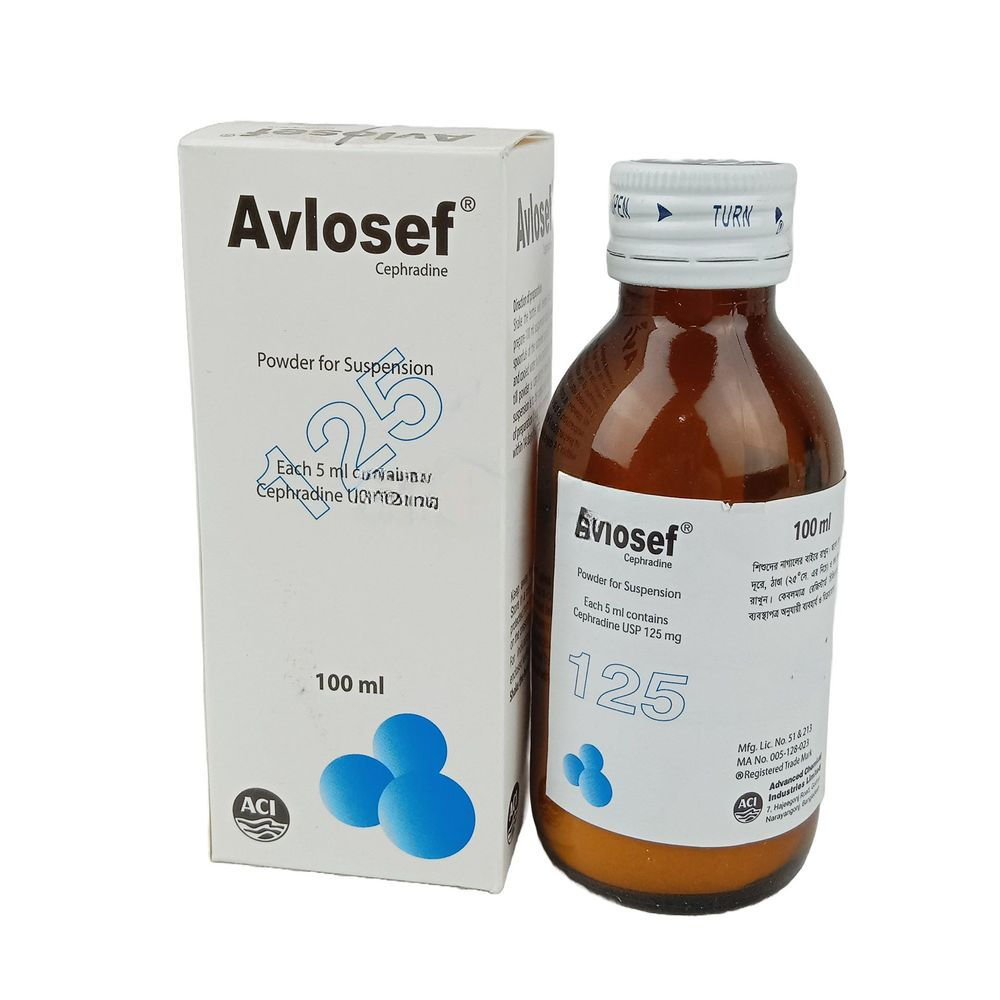
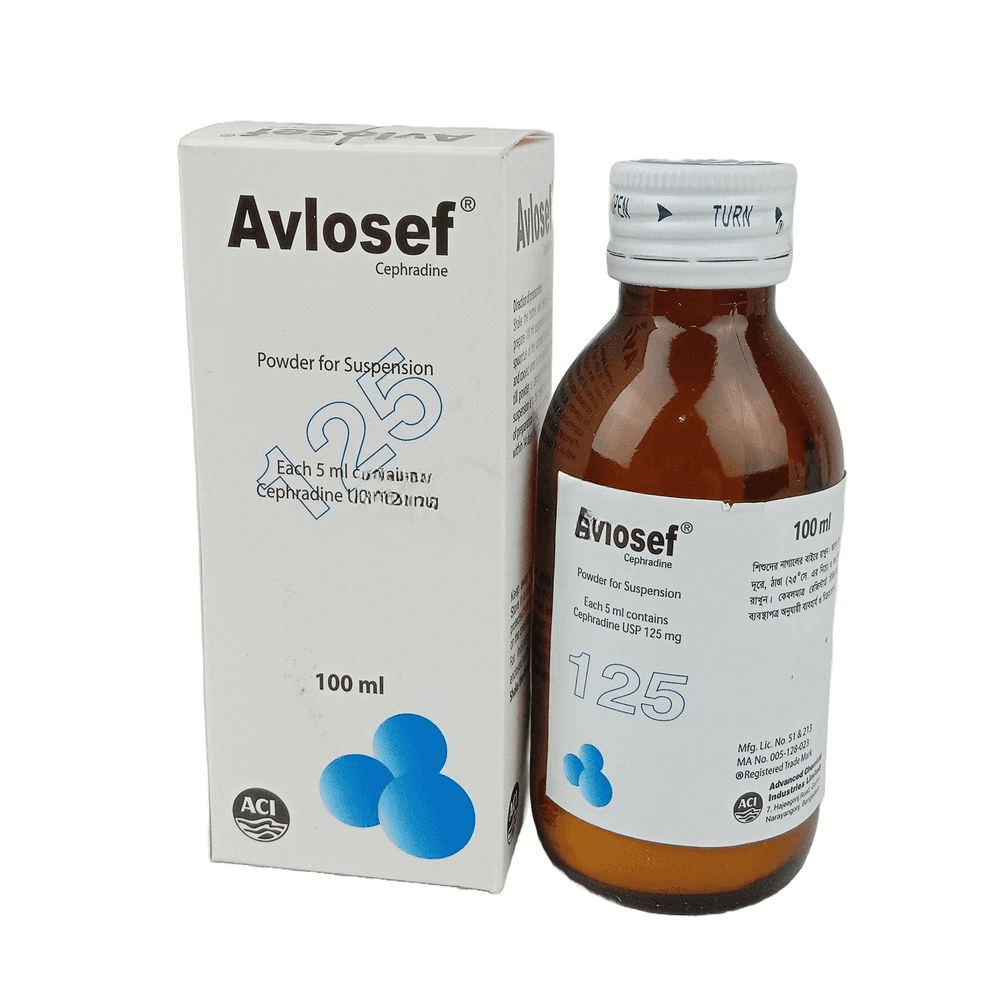
Indications Cefradine is indicated for the treatment of:
Pneumonia
Pharyngitis
Tonsillitis
Otitis media
Respiratory tract infections
Skin and skin-structure infections
Urinary tract infections
Genitourinary tract infections
Acute prostatitis
Rheumatic fever
Surgical prophylaxis
Administration
Oral: May be taken with or without food; meals reduce GI discomfort.
Parenteral: Deep IM or slow IV injection (3–5 min) or IV infusion.
Reconstitution:
IM: Add 2–4 mL sterile water or NaCl 0.9% to 500 mg or 1 g vial.
IV: Add 5 mL sterile water, dextrose 5%, or NaCl 0.9% to 500 mg vial. Shake well.
Adult Dose
Oral: 1–2 g/day in 2–4 divided doses (max 4 g/day).
Surgical prophylaxis: 1–2 g pre-op; repeat as needed.
Skin/respiratory infections: 250 mg q6h or 500 mg q12h.
Lobar pneumonia: 500 mg q6h or 1 g q12h.
UTI: 500 mg q12h.
GI infections: 500 mg 3–4 times daily.
Severe infections (IV/IM): 2–4 g/day in 4 divided doses (max 8 g/day).
Child Dose
Oral: 25–50 mg/kg/day in 2–4 divided doses.
Injection: 50–100 mg/kg/day in 4 divided doses; may increase to 200–300 mg/kg/day.
Perioperative prophylaxis: 1–2 g IM/IV; follow-up oral/parenteral doses as appropriate.
Renal Dose
Hemodialysis: 250 mg at start, repeat after 6–12 hr, then 36–48 hr later, and again at next session if >30 hr elapsed.
CrCl >20 mL/min: 500 mg q6h
CrCl 5–20 mL/min: 250 mg q6h
CrCl <5 mL/min: 250 mg q12h
Contraindications Hypersensitivity to cefradine or other cephalosporins; porphyria.
Mode of Action Cefradine is a first-generation cephalosporin. It inhibits bacterial cell wall synthesis by binding to penicillin-binding proteins (PBPs), blocking peptidoglycan cross-linking, leading to bacterial death.
Precautions Use with caution in renal impairment, penicillin sensitivity, pregnancy, and lactation.
Side Effects
Common: Diarrhea, nausea, vomiting, rash, pruritus, dizziness.
Hematologic: Leukopenia, neutropenia, eosinophilia.
Rare: Joint pain, increased BUN/creatinine.
Potentially fatal: Pseudomembranous colitis.
Drug Interactions
Loop diuretics: Increased nephrotoxicity.
Probenecid: Decreased renal clearance.

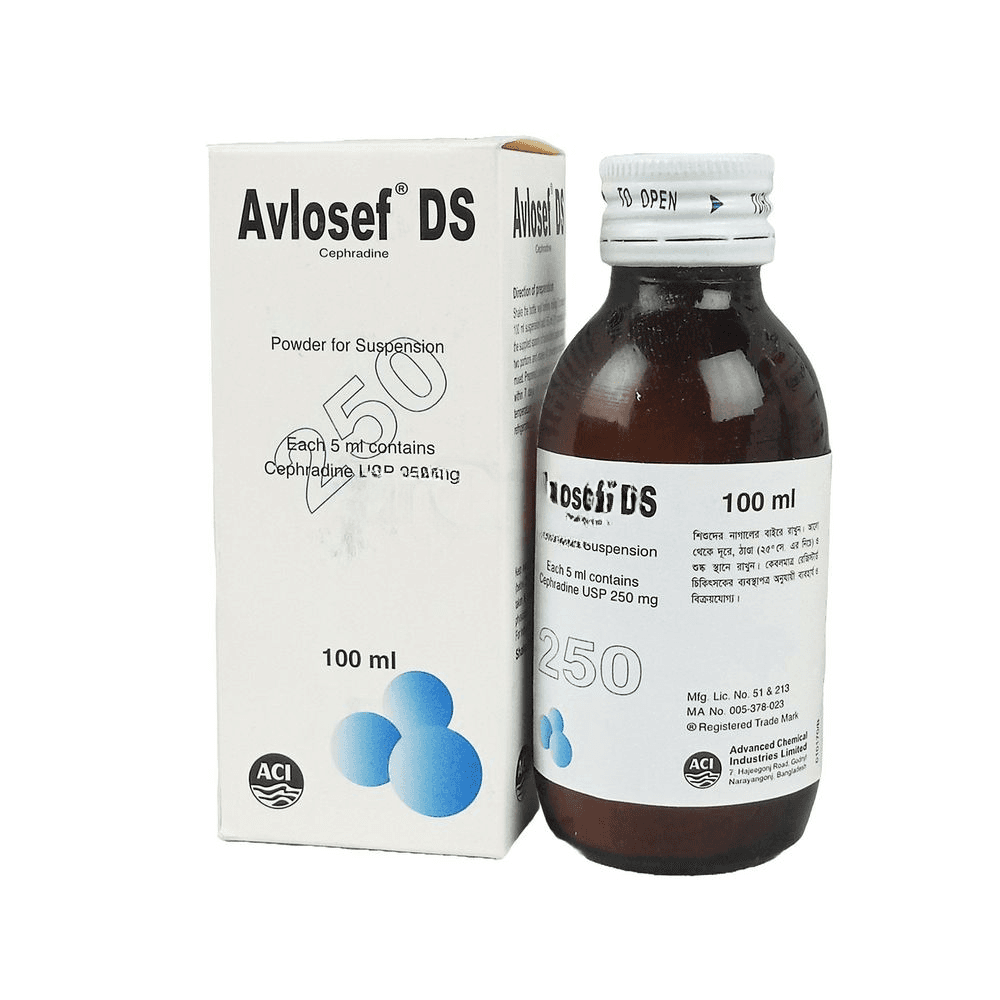


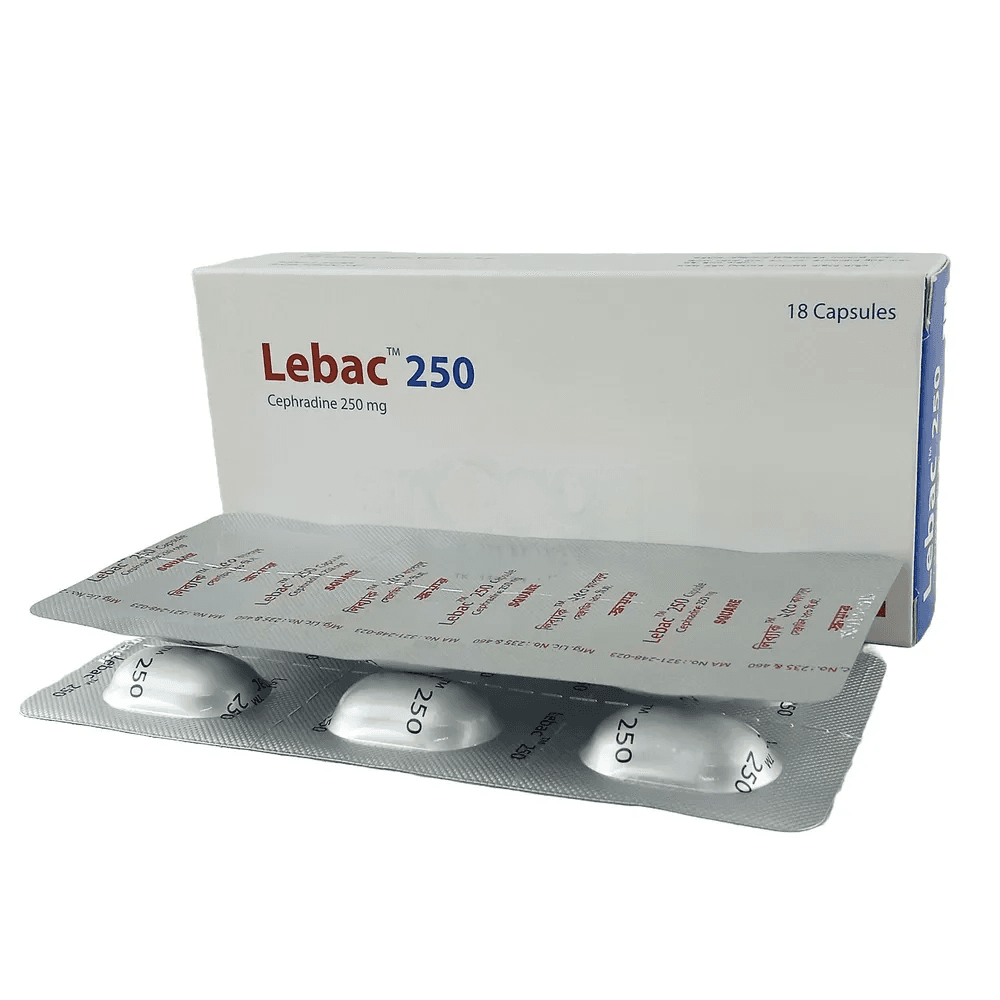
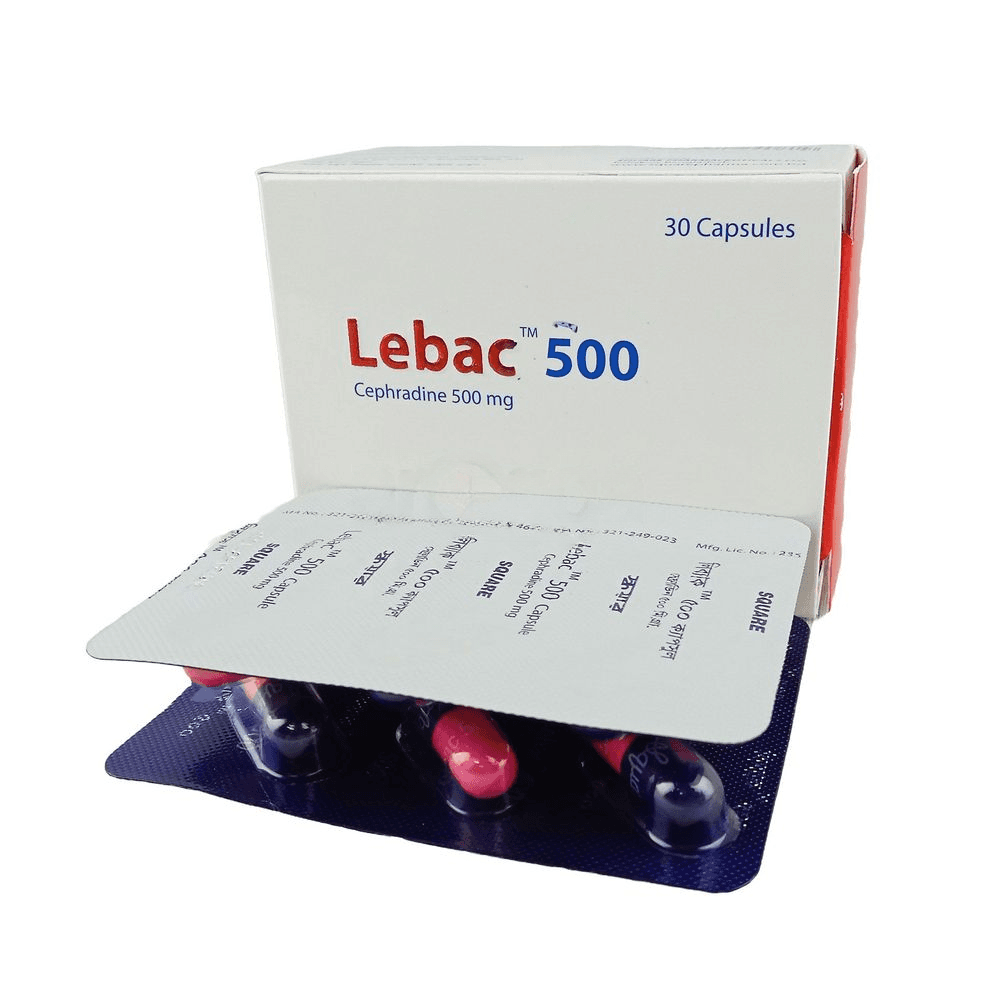
Pneumonia, Pharyngitis, Susceptible infections, Otitis media, Skin and Skin-Structure Infections, Rheumatic fever, Tonsillitis, Respiratory tract infections, Urinary tract infections, Surgical Prophylaxis, Genitourinary tract infections, Acute prostatitis
May be taken with or without food. May be taken w/ meals to reduce GI discomfort.\r\n\r\nParenteral doses by deep IM or slow IV inj over 3-5 min or by IV infusion. \r\n\r\nReconstitution: IM: Add 2 mL or 4 mL of sterile water for inj or NaCl 0.9% inj to 500 mg or 1 g vial, respectively. \r\nIV: Add 5 mL of sterile water for inj, dextrose 5% inj, NaCl 0.9% inj or other suitable soln to 500 mg vial. Shake well the entire soln.
Adult: PO Susceptible infections 1-2 g/day in 2-4 divided doses. Max: 4 g/day. \r\nSurgical prophylaxis 1-2 g pre-op. Subsequent doses may be given as needed. \r\nSkin and skin structures and respiratory tract infection: Usual dose is 250 mg every 6 hours or 500 mg every 12 hours. \r\nLobar pneumonia: 500 mg every 6 hours or 1 gm every 12 hours. \r\nUrinary tract infection: Usual dose is 500 mg every 12 hours. \r\nGastro-intestinal tract infection: 500 mg three to four times daily. \r\n\r\nIV/IM Severe infections 2-4 g/day in 4 divided doses. Max: 8 g/day.
Children: Oral: The usual total dose is 25 to 50 mg/kg/day given in 2 to 4 equally divided doses. \r\n\r\nInjection: 50 to 100 mg/kg/day in 4 equally divided doses. The usual total dose may be increased up to 200-300 mg/kg/day. \r\nPerioperative prophylaxis: Recommended dose is 1-2 gm by intramuscular or intravenous route; subsequent parenteral or oral doses are given as appropriate.
Renal impairment: For patients undergoing chronic intermittent haemodialysis: 250 mg may be given at the start of the session, repeated after 6-12 hr, then again 36-48 hr after the initial dose, and again at the start of the next haemodialysis if >30 hr have elapsed since the previous dose.\r\n\r\nCrCl (ml/min)\t\r\n>20\t 500 mg every 6 hr.\r\n5-20 250 mg every 6 hr.\r\n<5\t 250 mg every 12 hr.
Hypersensitivity to cefradine or other cephalosporins; porphyria.
Cefradine is a 1st generation cephalosporin which inhibits the final transpeptidation step of the peptidoglycan synthesis in bacterial cell wall by binding to one or more of the penicillin-binding proteins (PBPs), thus arresting cell wall synthesis leading to bacterial cell death.
Renal impairment; history of penicillin sensitivity; pregnancy; lactation.
Diarrhoea, nausea, vomiting; leukopenia, neutropenia, eosinophilia, rash, pruritus; joint pain; increased BUN and creatine; dizziness.\r\n\r\nPotentially Fatal: Pseudomembranous colitis.
Increased risk of nephrotoxicity w/ loop diuretics. Decreased renal clearance w/ probenecid.
N/A