Search products by name
Search medicines by name
0
0 item
৳ ০.০০
আপনার সব স্বাস্থ্যসেবার সমাধান — এখন এক জায়গাতেই


১০৬৫৭
info@shukhee.com
টেলিকম ভবন, ৫৩/১, বক্স নগর, ঢাকা-১২১৬
৳ ০.০০
১০৬৫৭
info@shukhee.com
টেলিকম ভবন, ৫৩/১, বক্স নগর, ঢাকা-১২১৬

Products

Payment

Delivery
$4e
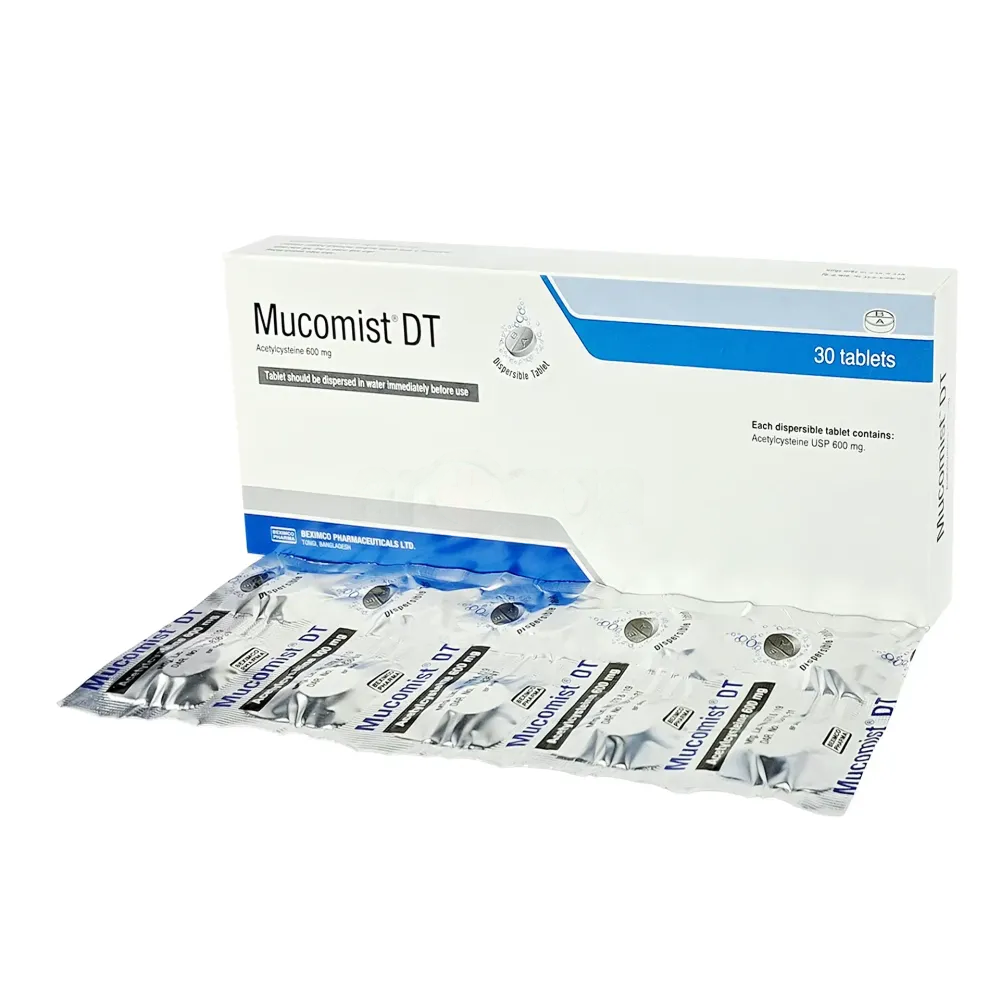
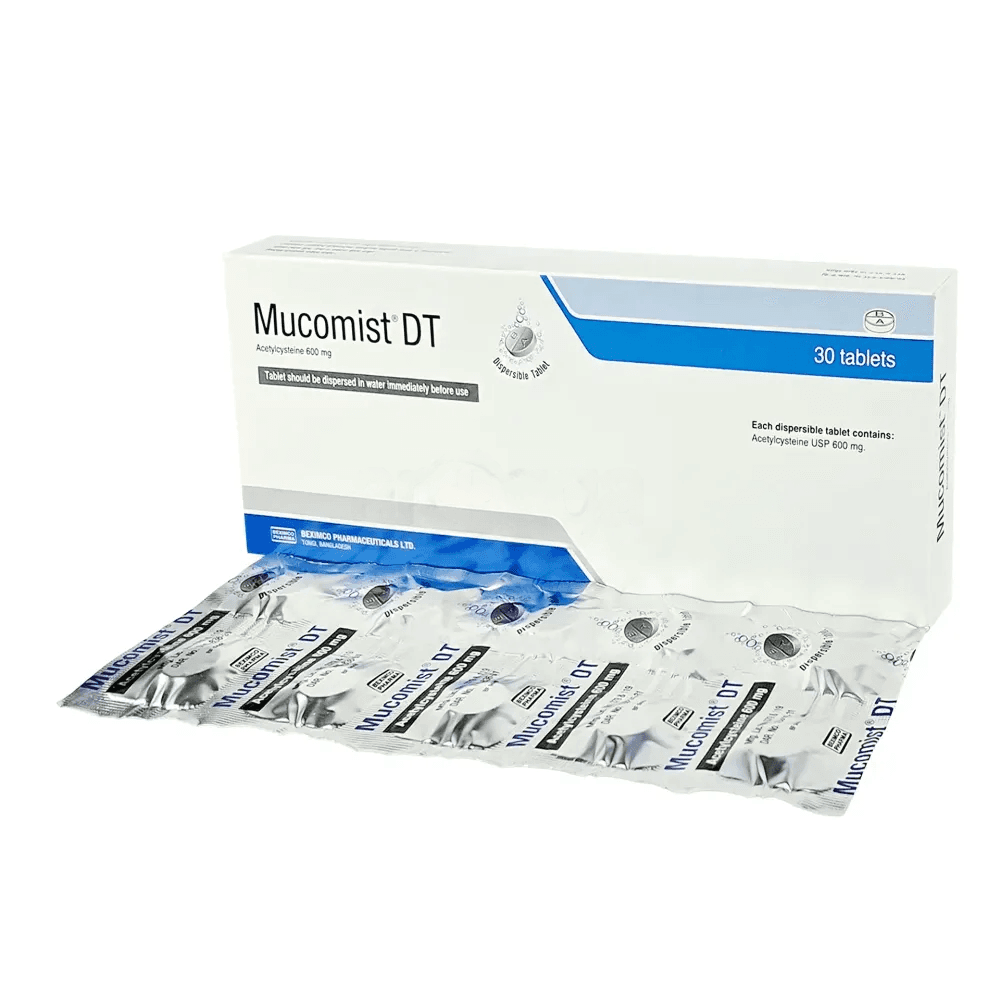
Take this medicine in the dose and duration as advised by your doctor. Swallow it as a whole. Do not chew, crush or break it. Mucomist-DT may be taken with or without food, but it is better to take it at a fixed time.
Mucomist-DT is a mucolytic medication. It works by thinning the mucus (phlegm) making it easier to cough out. Thus, it clears the air passages and makes breathing easier. It also has antioxidant action.
If you miss a dose of Mucomist-DT, please consult your doctor.
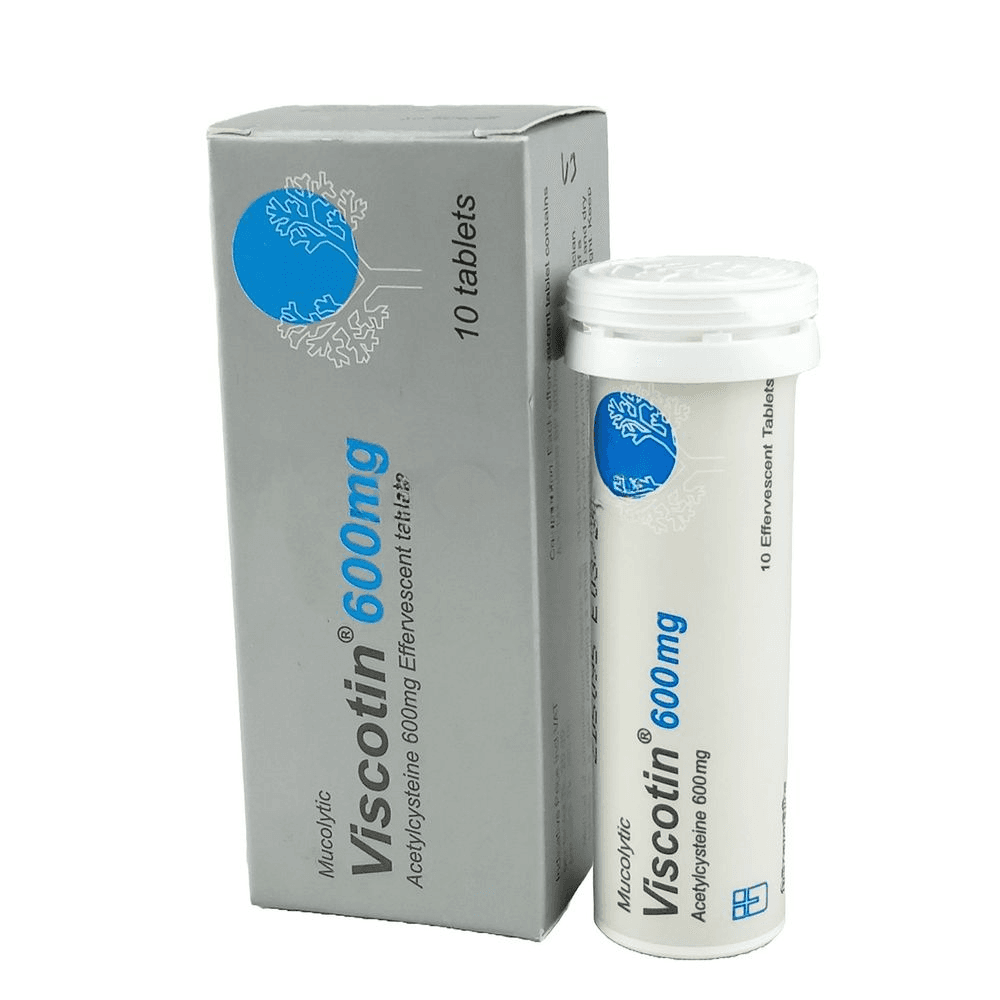
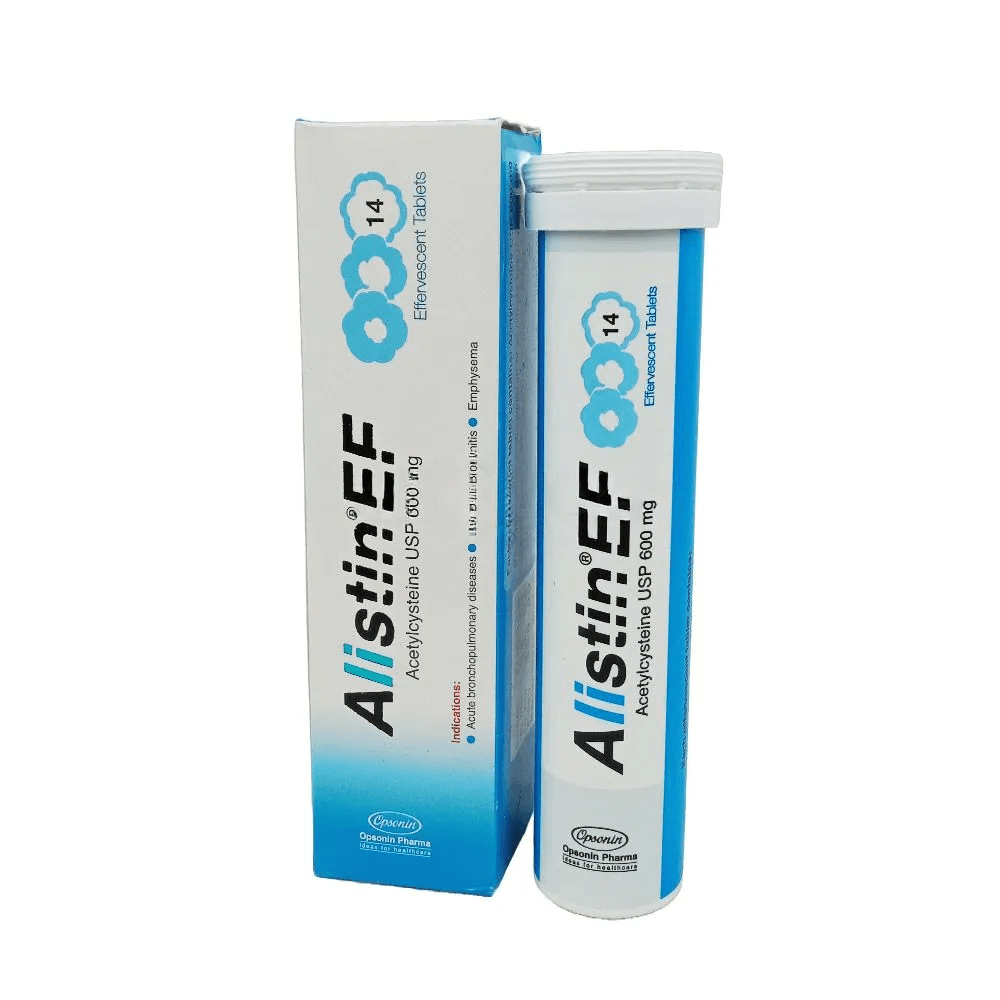
Acetylcysteine (also known as N-acetylcysteine or NAC) is a versatile medication used both as a respiratory treatment and as a life-saving antidote. It is a derivative of the amino acid cysteine and is primarily known for its ability to break down thick mucus and protect the liver from toxic damage.
Acetylcysteine is used in three primary medical contexts:
Respiratory Conditions (Mucolytic): It is used to treat diseases involving thick, obstructive mucus, such as:
Chronic Bronchitis and Emphysema (COPD).
Cystic Fibrosis.
Pneumonia.
Acetaminophen (Paracetamol) Overdose: It is the standard emergency treatment for paracetamol poisoning. It prevents or reduces severe liver damage by restoring the body's levels of glutathione, a powerful antioxidant.
Kidney Protection: It is sometimes used to prevent kidney damage caused by the dyes used during certain X-ray or CT scan procedures (Contrast-induced nephropathy).
As a Mucolytic: Acetylcysteine acts directly on the mucus. It breaks the chemical bonds (disulfide bonds) that hold the mucus fibers together, making the phlegm thinner and much easier to cough out.
As an Antidote: In the case of paracetamol overdose, the liver produces a toxic byproduct. Acetylcysteine helps the body neutralize this toxin by increasing the production of glutathione, which protects liver cells from death.
The side effects vary depending on how the medication is administered:
Inhalation/Nebulizer: May cause a "rotten egg" smell (due to its sulfur content), throat irritation, or a runny nose.
Oral (Effervescent tablets/Liquid): Nausea, vomiting, or stomach upset.
Intravenous (IV): Rash, itching, or more rarely, a severe allergic reaction (anaphylactoid reaction).
Asthma: Patients with asthma should use inhaled acetylcysteine with extreme caution, as it can cause bronchospasm (tightening of the airways).
Smell: Patients should be warned about the strong sulfurous smell, which is normal for this medication.
Pregnancy/Breastfeeding: Generally considered safe for overdose emergencies, but consult a doctor for long-term respiratory use.
Effervescent Tablets: Dissolve the tablet in a glass of water and drink immediately.
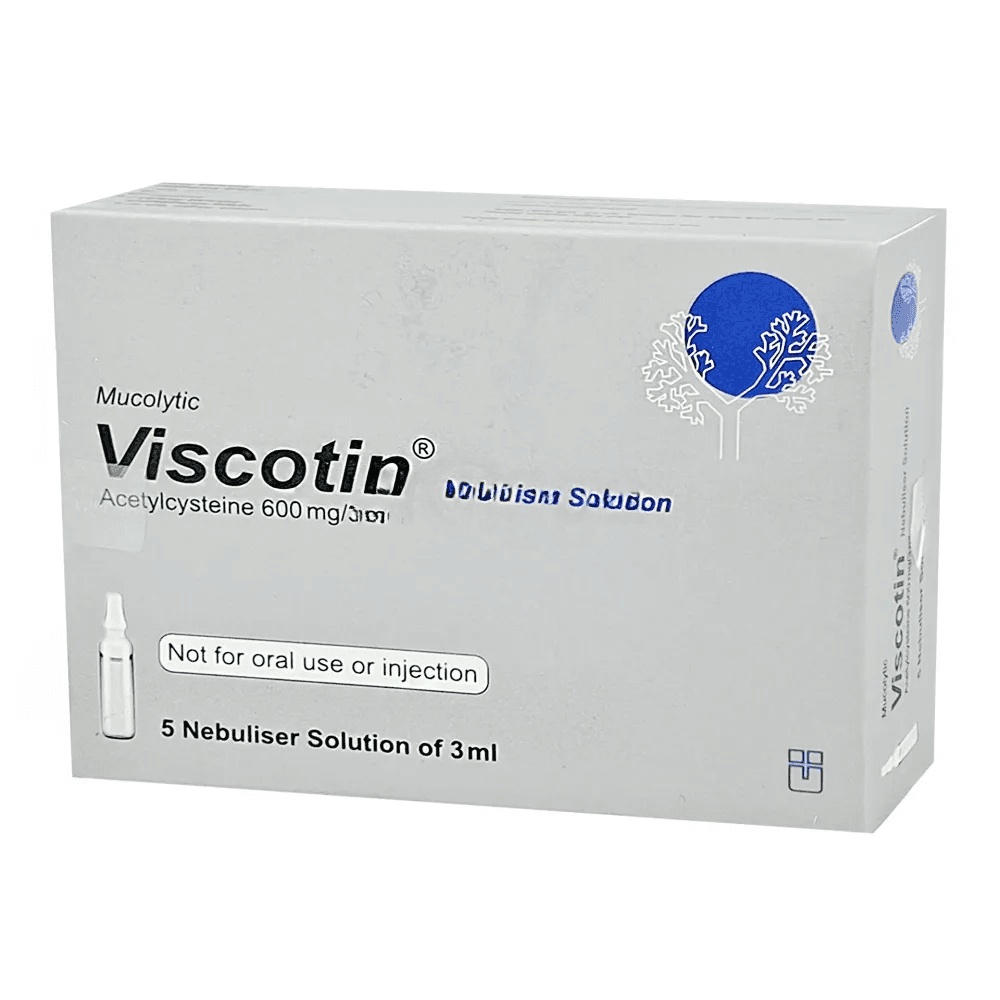
Nebulizer: Usually administered in a hospital or clinic setting via a breathing machine.
Hydration: Just like other mucolytics, drinking plenty of water helps the medication thin the mucus effectively.