
Search products by name
Search medicines by name
0
0 item
৳ 0.00
Your Complete HealthCare Solution - Right Here


10657
info@shukhee.com
Telecom Bhaban (Level- 12), 53/1 Box Nagar, Zoo Road, Dhaka-1216.
৳ 0.00
10657
info@shukhee.com
Telecom Bhaban (Level- 12), 53/1 Box Nagar, Zoo Road, Dhaka-1216.

Products

Payment

Delivery
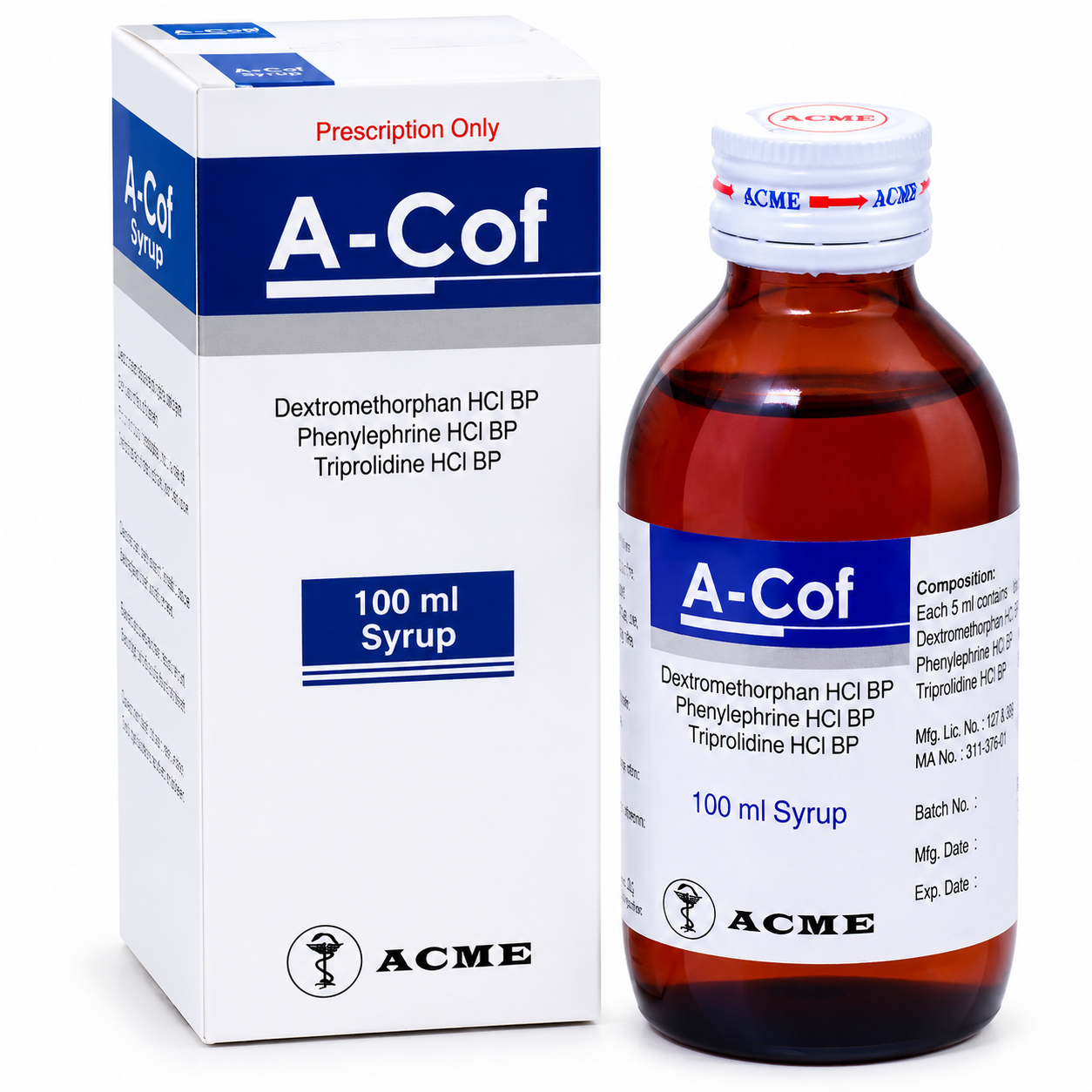
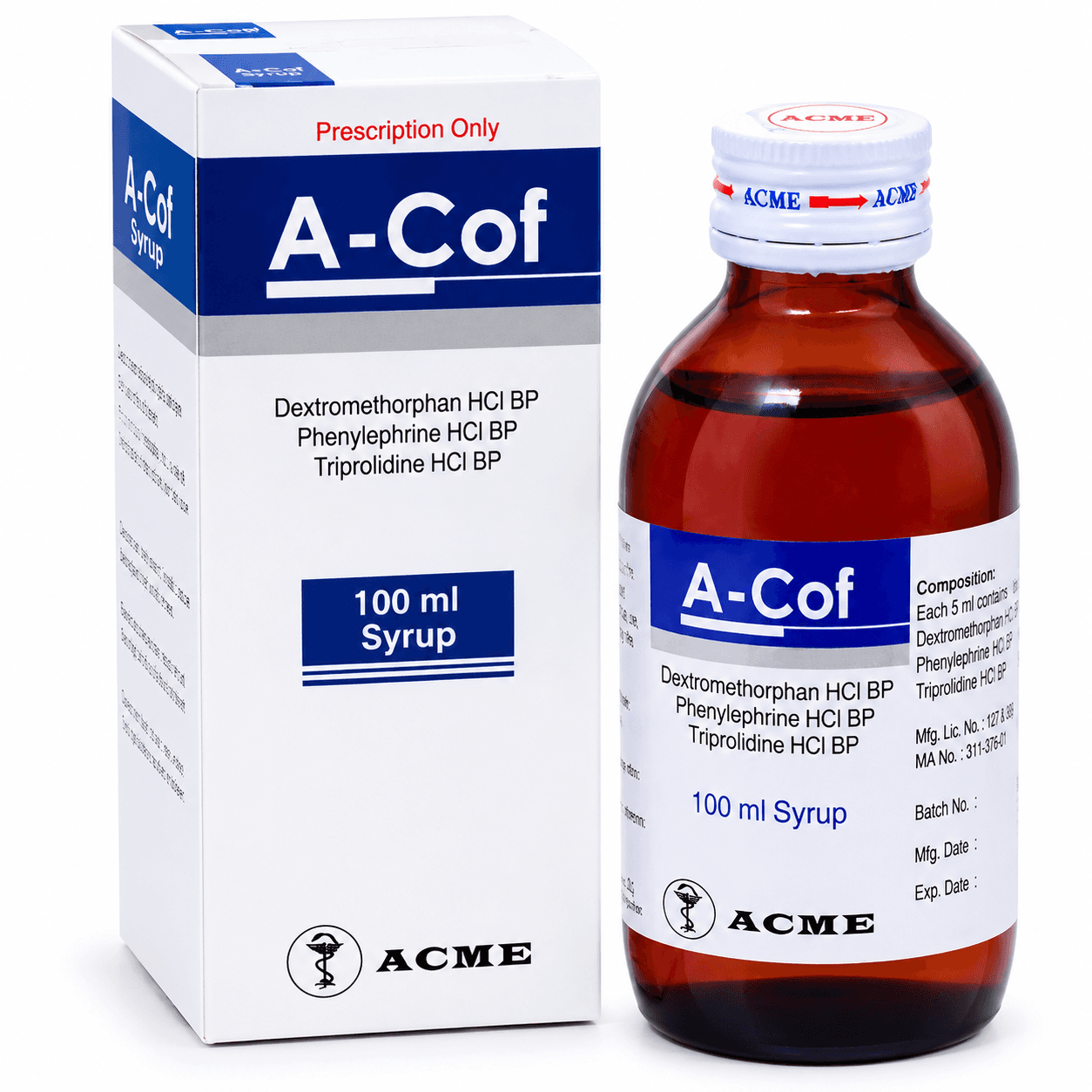
A-Cof provides temporary relief from symptoms associated with the common cold, hay fever (allergic rhinitis), and other upper respiratory allergies, including:
Non-Productive Cough: Helps relieve dry cough caused by minor throat or bronchial irritation.
Runny Nose: Helps reduce excessive nasal discharge.
Sneezing: Helps relieve frequent sneezing associated with allergies and common cold.
Nasal and Throat Itching: Helps relieve itching of the nose and throat.
Itchy and Watery Eyes: Helps reduce eye itching and excessive tearing caused by allergic reactions.
Nasal Congestion: Helps relieve nasal blockage and improve breathing.
Each 5 ml syrup contains:
Dextromethorphan Hydrobromide BP – 20 mg
Phenylephrine Hydrochloride BP – 10 mg
Triprolidine Hydrochloride BP – 2.5 mg
A-Cof is a combination preparation containing an antitussive, decongestant, and antihistamine agent. These ingredients work together to provide temporary relief from cough, nasal congestion, and allergy-related symptoms.
Dextromethorphan Hydrobromide
Dextromethorphan is a centrally acting, non-narcotic antitussive agent that works on the cough centre in the medulla of the brain to suppress the cough reflex. Although structurally related to morphine, it does not possess analgesic properties and generally has minimal sedative effects. It is not associated with the typical morphine-like physical dependence described for narcotic analgesics.
Phenylephrine Hydrochloride
Phenylephrine is a nasal decongestant that works by constricting blood vessels in the nasal passages, thereby reducing swelling and congestion. It provides temporary relief from nasal and sinus congestion associated with the common cold, influenza, allergies, sinusitis, and bronchitis. By reducing swelling in the nasal passages and related areas, it helps improve airflow and breathing comfort.
Triprolidine Hydrochloride
Triprolidine is an antihistamine used to relieve symptoms associated with allergies, hay fever, and the common cold. It helps manage symptoms such as watery eyes, itching of the eyes, nose, throat and skin, runny nose, sneezing, and cough.
It acts as a competitive histamine H1-receptor antagonist belonging to the pyrrolidine class. It also has mild central nervous system depressant properties, which may cause drowsiness. By blocking the action of histamine and antagonizing acetylcholine, it helps reduce allergic symptoms and excessive secretions, including watery eyes and runny nose.
The recommended dosage is as follows:
Adults and Children Over 12 Years: 1 teaspoonful (5 ml) four times daily at 4-hour intervals.
Children 6–12 Years: ½ teaspoonful (2.5 ml) four times daily at 4-hour intervals.
Children Below 6 Years: Medical advice should be obtained before administering this combination to children under 6 years of age.
Or, as directed by a registered physician.
Concomitant use of A-Cof with certain monoamine oxidase inhibitors (MAOIs) may cause serious and potentially life-threatening drug interactions.
The following medicines should be avoided during treatment with A-Cof:
Isocarboxazid
Methylene Blue
Moclobemide
Phenelzine
Procarbazine
Rasagiline
Selegiline
Tranylcypromine
Most MAO inhibitors should also be avoided for at least two weeks before starting treatment with A-Cof.
A-Cof should be avoided or is contraindicated in the following conditions:
Patients with liver disease.
Patients with bronchial asthma, according to the provided product information.
Patients currently taking monoamine oxidase inhibitors (MAOIs).
Patients who have discontinued MAOI treatment within the previous two weeks.
Possible side effects associated with A-Cof include:
Drowsiness.
Constipation.
Gastrointestinal discomfort.
The provided product information reports no apparent evidence of morphine-type physical dependence.
Specific clinical data regarding the use of this combination during pregnancy and lactation are not available in the provided product information.
Use during pregnancy or breastfeeding should be considered only after consulting a registered physician.
A-Cof may cause drowsiness. Patients experiencing drowsiness should avoid driving motor vehicles or operating machinery.
Alcoholic beverages should be avoided during treatment.
Use with caution in patients with the following conditions:
Epilepsy.
Prostatic hypertrophy.
Glaucoma.
Hepatic disease.
Hypertension.
Heart disease.
Diabetes mellitus.
Hyperthyroidism.
If symptoms do not improve within one week or are accompanied by high fever, consult a physician before continuing treatment.
In case of overdose, immediate hospital admission and medical attention are strongly recommended.
Overdose may cause serious adverse effects, including respiratory depression, paranoid psychosis, delusions, hallucinations, and convulsions.
Combined Cough Suppressants.
Store in a cool and dry place below 30°C, protected from direct light. Keep out of the reach of children.
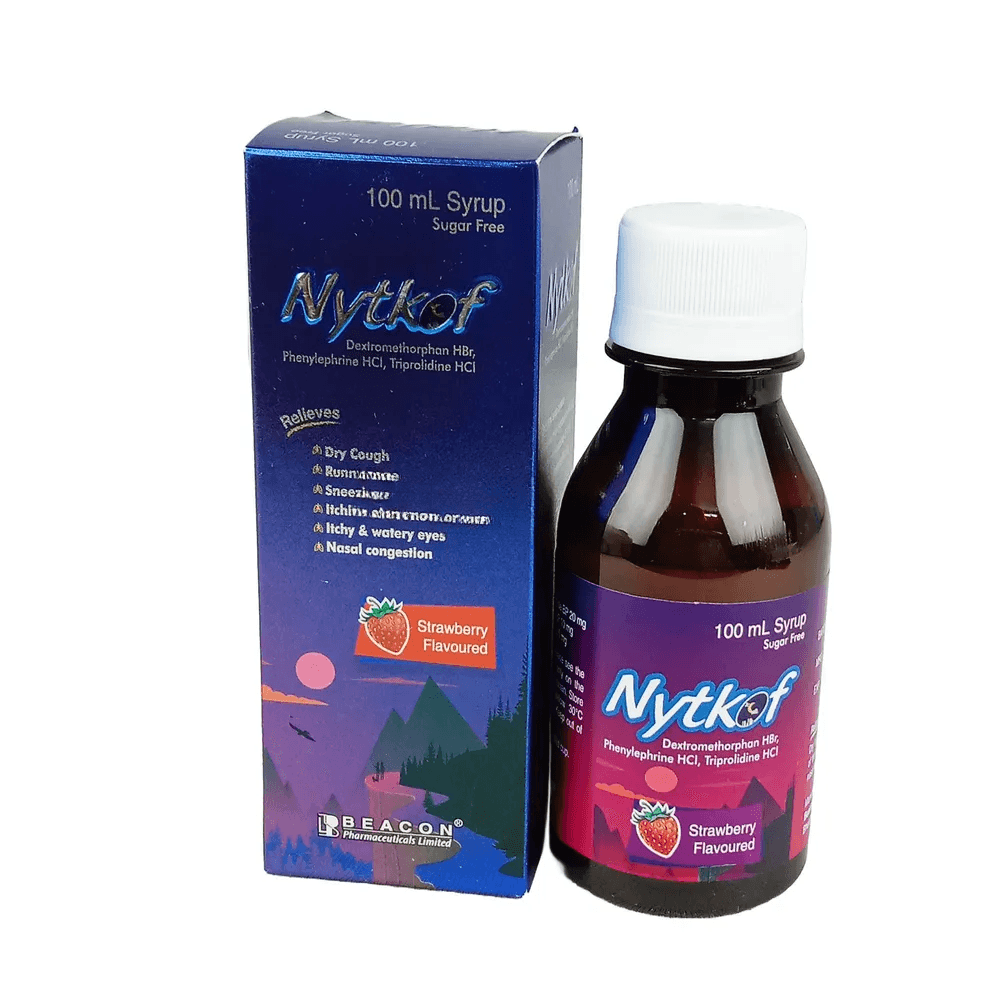
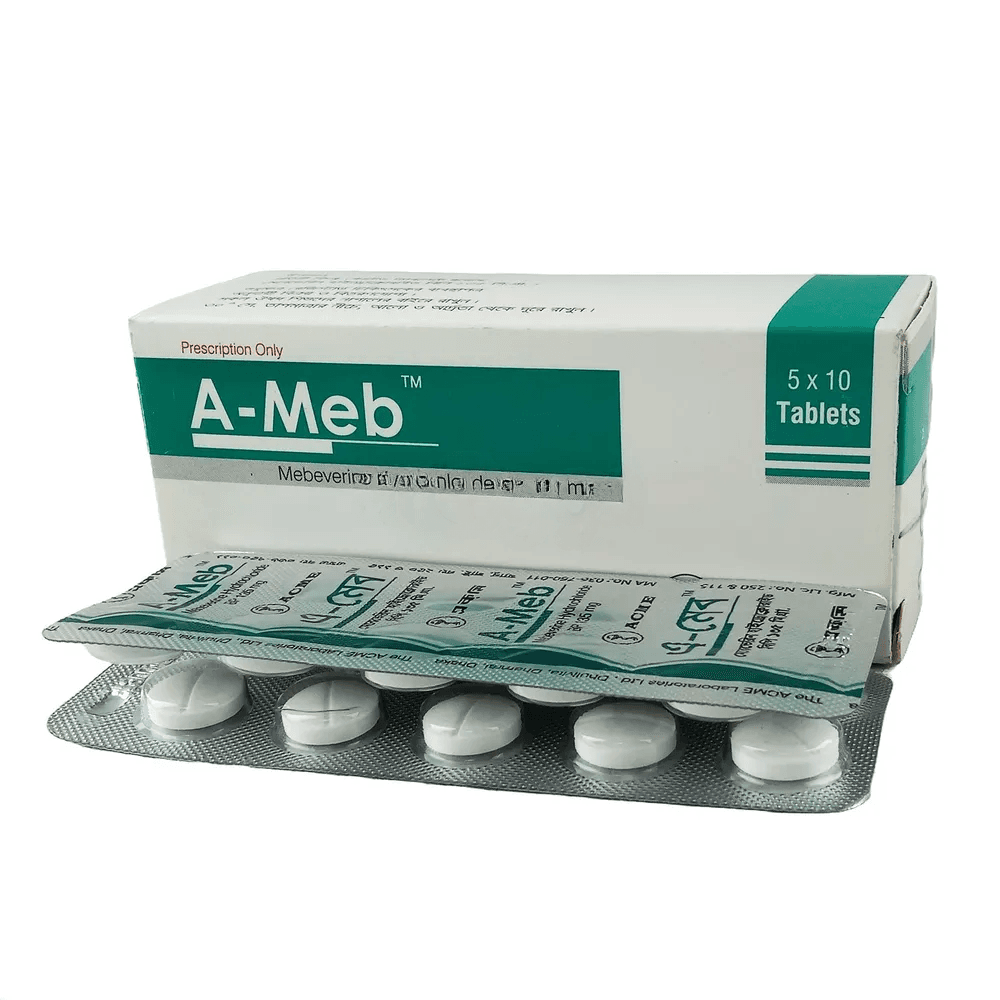

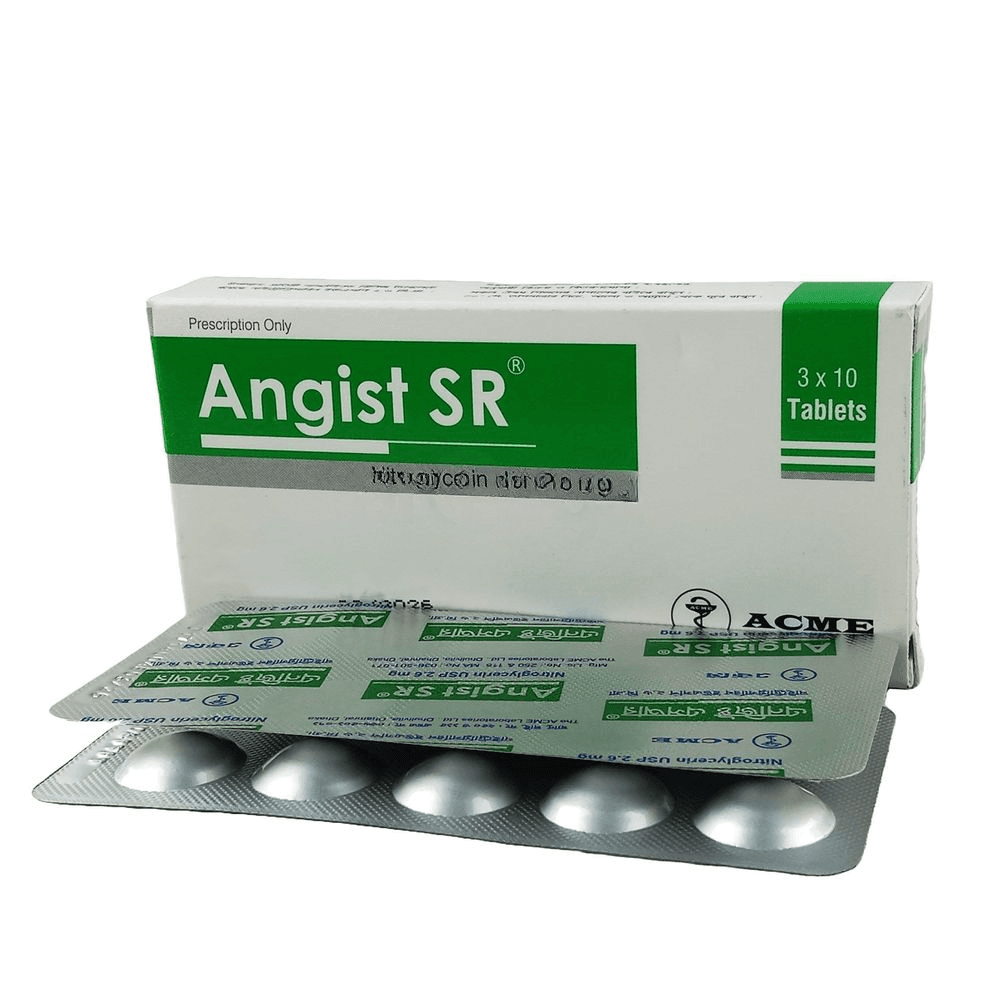
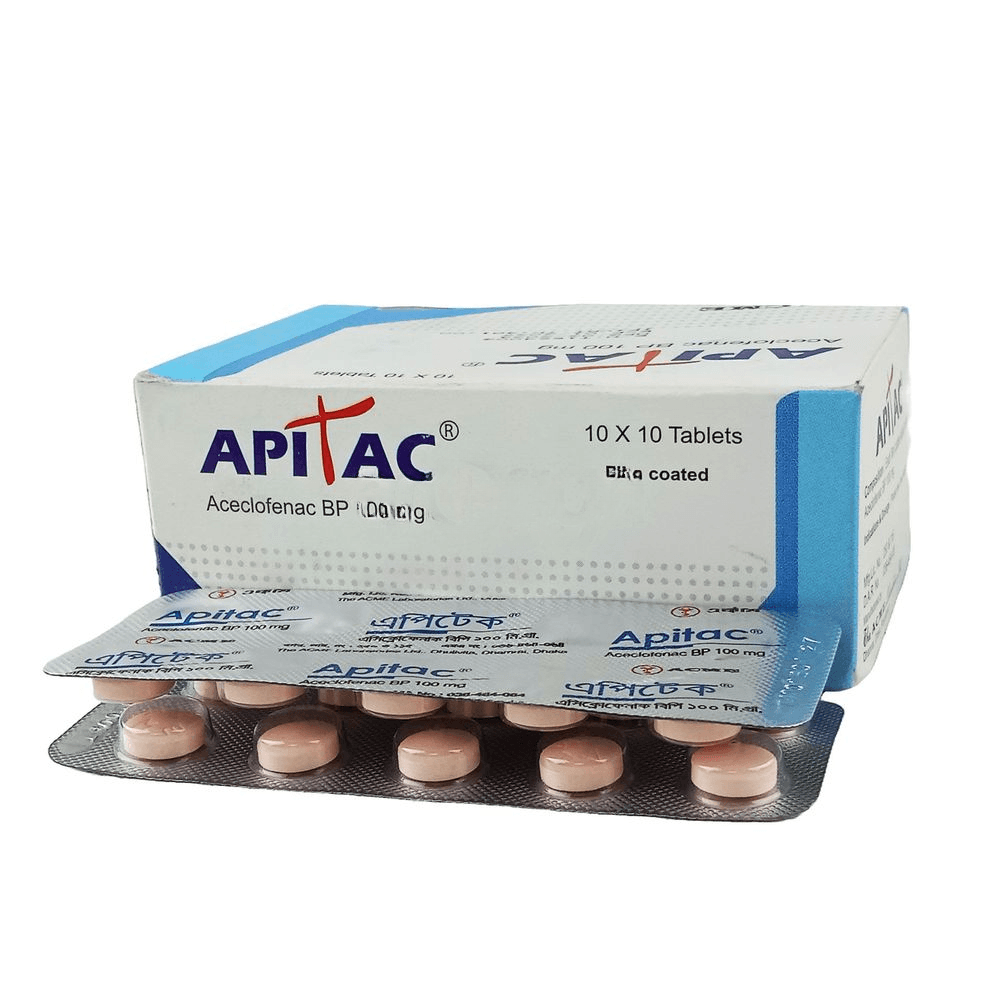
Flu, Colds, Runny nose, Dry coughs, Non-productive cough, Nasal congestion
Oral\r\nCough and common cold\r\nAdult: 2 teaspoonful three times a day.
Children\r\nOver 12 years 2 teaspoonful three times a day\r\n6-12 years 1 teaspoonful three times a day\r\n2-6 years 1/2 teaspoonful three times a day or\r\nas directed by the physician
Patients at risk of developing resp failure. During an acute attack. Patients receiving MAOI or for 2 wk after discontinuing them. Persistent or chronic cough.
Triprolidine is a potent competitive histamine H1-receptor antagonist with mild sedating and antimuscarinic properties. Pseudoephedrine, an alpha- and beta-adrenergic receptor agonist, mediates vasoconstriction via direct stimulation of alpha-adrenergic receptors of the respiratory mucosa. Dextromethorphan is a centrally acting cough suppressant which acts on the cough centre in the medulla.
3rd trimester of pregnancy; atopic childn; child <1 yr; sedated or debilitated patients; patients confined to supine position; history of asthma. Moderate to severe renal impairment; liver disease.
Dizziness, GI disturbances.
Dextromethorphan: Tricyclic antidepressants (TCAs), antipsychotics, anxiolytics and hypnotics, cimetidine, ciprofloxacin, domperidone, metoclopramide, mexiletine, CYP2D6 inhibitors, ritonavir, alcohol.\r\nPotentially Fatal: Memantine, moclobemide.\r\n\r\nTriprolidine + Pseudoephedrine: Increased BP with other sympathomimetic agents (e.g. decongestants, TCA, appetite suppressants). Reduced hypotensive effects of methyldopa, ?- and ?-adrenergic blockers. Increased side effects (e.g. somnolence, agitation) with atomoxetine.\r\nPotentially Fatal: Increased risk of hypertensive crisis with furazolidine, avoid concurrent use. Increased risk of hypertensive crisis with MAOIs; avoid concurrent use or within 2 wk after stopping MAOIs. Increased risk of psychosis with bromocriptine.
N/A