
Search products by name
Search medicines by name
0
0 item
৳ 0.00
Your Complete HealthCare Solution - Right Here


10657
info@shukhee.com
Telecom Bhaban (Level- 12), 53/1 Box Nagar, Zoo Road, Dhaka-1216.
৳ 0.00
10657
info@shukhee.com
Telecom Bhaban (Level- 12), 53/1 Box Nagar, Zoo Road, Dhaka-1216.


Products

Payment

Delivery
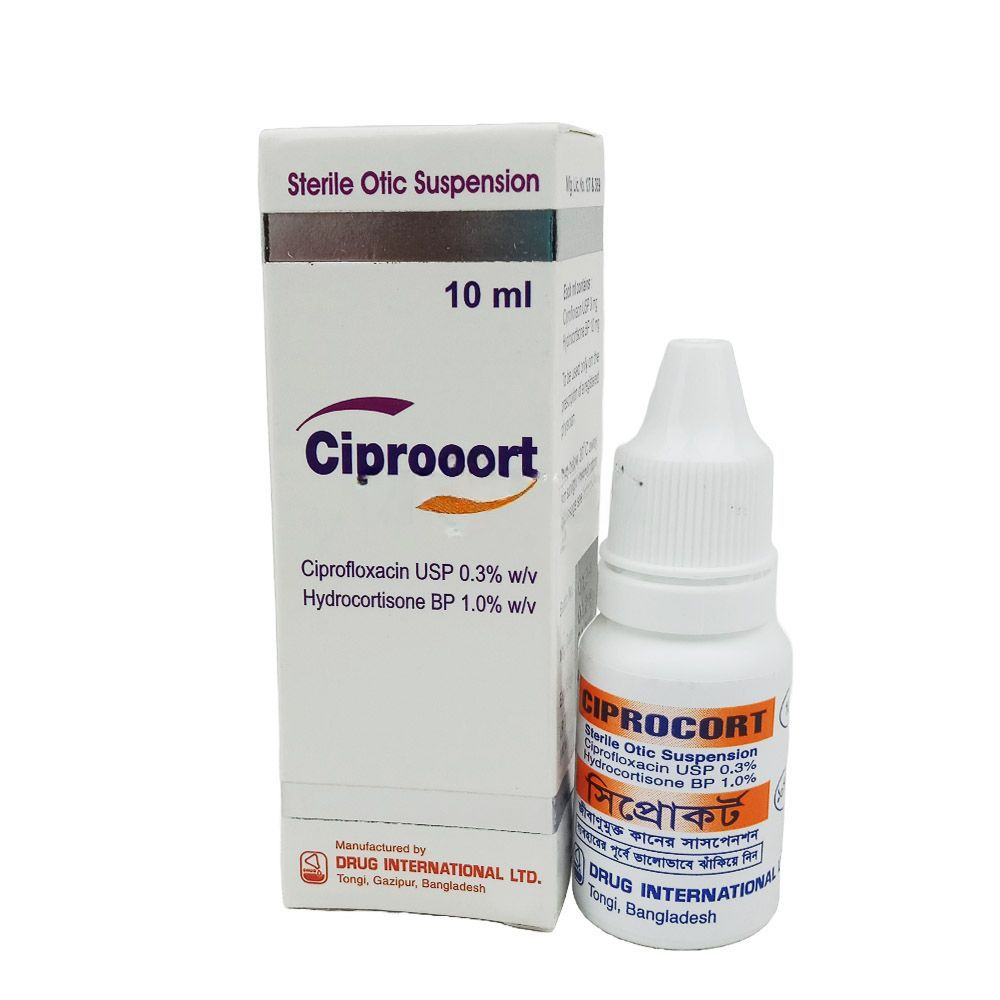
Steroid responsive inflammatory ocular conditions, Otitis media, Otitis externa, Ocular inflammation associated with infection, Post-operative inflammation of ear and eye, Corneal Ulcers, Bacterial Conjunctivitis
Ear Drop: The suspension should be warmed by holding the bottle in the hand for one or two minutes to avoid dizziness, which may result from the instillation of a cold suspension. The patient should lie with the affected ear upward, and then the suspension should be instilled. This position should be maintained for 60 seconds. Repeat, if necessary, for the opposite ear.
Eye:\r\nCorneal Ulcers: The recommended dosage regimen for the treatment of corneal ulcer is 2 drops into the affected eye every 15 minutes for the first six hours and then 2 drops into the affected eye every 30 minutes for the remainder of the first day. \r\nOn the second day, instill 2 drops in the affected eye hourly. \r\nOn the third through the fourteenth day, place 2 drops in the affected eye every four hours. \r\nTreatment may be continued after 14 days if corneal re-epithelialization has not occurred.\r\n\r\nBacterial Conjunctivitis:\r\nThe recommended dosage regimen for the treatment of bacterial conjunctivitis:\r\n1 or 2 drops instilled into the conjunctival sac(s) every two hours while awake for two days and 1 or 2 drops every four hours while awake for the next five days.\r\n\r\nEar: Acute Otitis Externa\r\n4 drops instilled into the affected ear twice daily for seven days. \r\n\r\n
Eye:\r\nSafety and effectiveness of this suspension in pediatric patients for eye application have not been established.\r\n\r\nEar: \r\nSafety and effectiveness of this suspension in pediatric (6 months of age and older) patients for ear application have been established.\r\n
Known hypersensitivity to any ingredient of the product. Herpes simplex and other viral conditions, mycosis, glaucoma, newborn babies, fungal diseases of ocular or auricular structures.
Ciprofloxacin promotes breakage of double-stranded DNA in susceptible organisms and inhibits DNA gyrase, which is essential in reproduction of bacterial DNA.\r\n\r\nHydrocortisone is a corticosteroid used for its anti-inflammatory and immunosuppressive effects. Its anti-inflammatory action is due to the suppression of migration of polymorphonuclear leukocytes and reversal of increased capillary permeability. It may also be used as replacement therapy in adrenocortical insufficiency.\r\n
Prolonged use may result in overgrowth of nonsusceptible organisms including fungi; in ocular hypertension and/or glaucoma, with damage to the optic nerve, defects in visual acuity and fields of vision and posterior sub capsular cataract formation. Patients wearing contact lenses must not use the drops during the time the lenses are worn.\r\n\r\nLactation: Excretion in breast milk unknown; not recommended
The most frequently reported drug-related adverse reactions seen with Ciprofloxacin are transient ocular burning or discomfort. Other reported reactions include stinging, redness, itching, periocular/facial edema, foreign body sensation, photophobia, blurred vision, tearing, dryness and eye pain. Rare reports of dizziness have been received.\r\n\r\nThe reactions due to the steroid component are elevation of intraocular pressure (IOP) with possible development of glaucoma and infrequent optic nerve damage, posterior sub-capsular cataract formation and delayed wound healing.
$4c


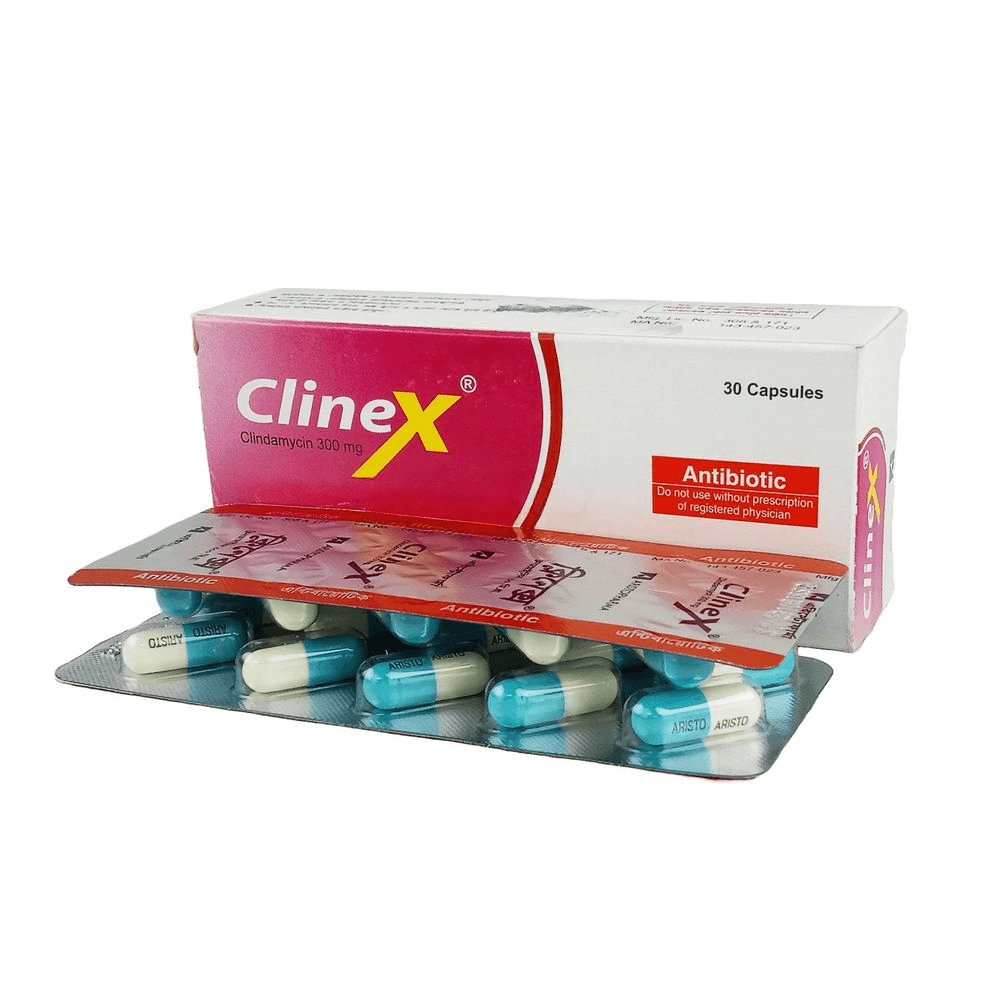
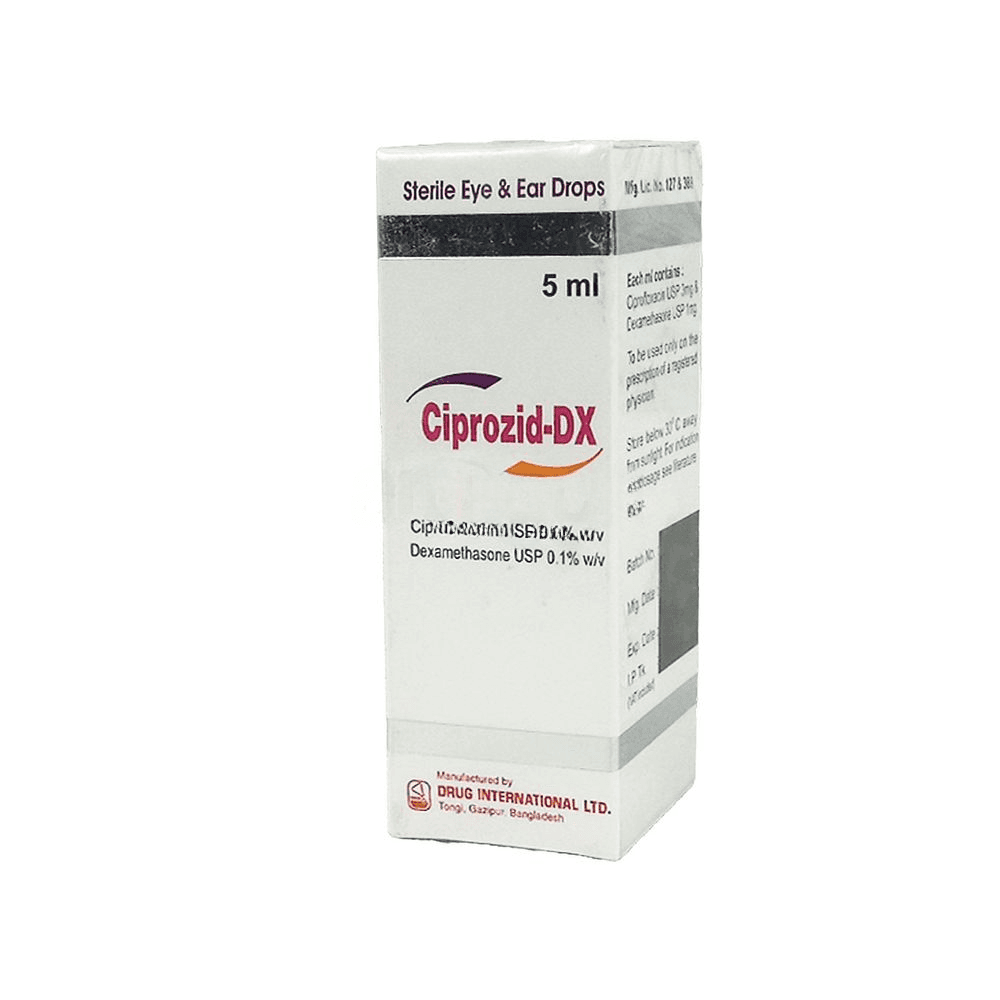
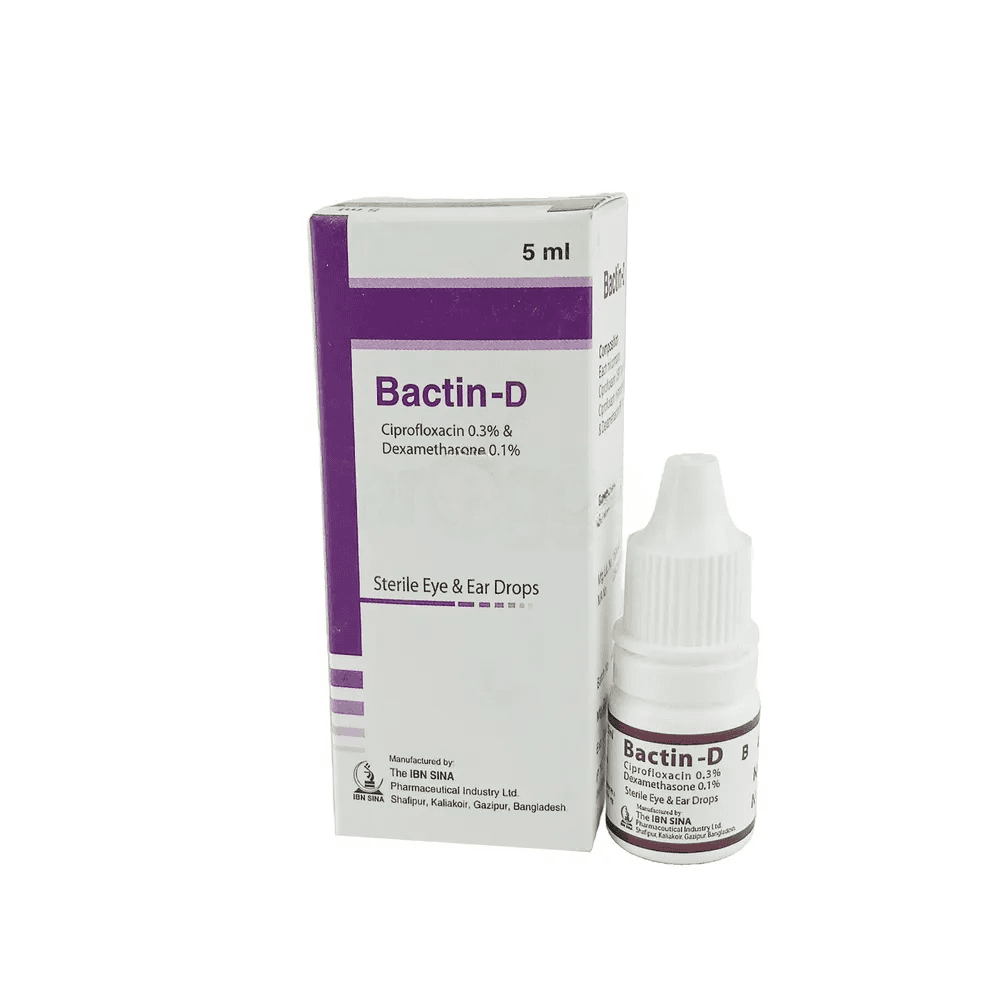

Steroid responsive inflammatory ocular conditions, Otitis media, Otitis externa, Ocular inflammation associated with infection, Post-operative inflammation of ear and eye, Corneal Ulcers, Bacterial Conjunctivitis
Ear Drop: The suspension should be warmed by holding the bottle in the hand for one or two minutes to avoid dizziness, which may result from the instillation of a cold suspension. The patient should lie with the affected ear upward, and then the suspension should be instilled. This position should be maintained for 60 seconds. Repeat, if necessary, for the opposite ear.
Eye:\r\nCorneal Ulcers: The recommended dosage regimen for the treatment of corneal ulcer is 2 drops into the affected eye every 15 minutes for the first six hours and then 2 drops into the affected eye every 30 minutes for the remainder of the first day. \r\nOn the second day, instill 2 drops in the affected eye hourly. \r\nOn the third through the fourteenth day, place 2 drops in the affected eye every four hours. \r\nTreatment may be continued after 14 days if corneal re-epithelialization has not occurred.\r\n\r\nBacterial Conjunctivitis:\r\nThe recommended dosage regimen for the treatment of bacterial conjunctivitis:\r\n1 or 2 drops instilled into the conjunctival sac(s) every two hours while awake for two days and 1 or 2 drops every four hours while awake for the next five days.\r\n\r\nEar: Acute Otitis Externa\r\n4 drops instilled into the affected ear twice daily for seven days. \r\n\r\n
Eye:\r\nSafety and effectiveness of this suspension in pediatric patients for eye application have not been established.\r\n\r\nEar: \r\nSafety and effectiveness of this suspension in pediatric (6 months of age and older) patients for ear application have been established.\r\n
Known hypersensitivity to any ingredient of the product. Herpes simplex and other viral conditions, mycosis, glaucoma, newborn babies, fungal diseases of ocular or auricular structures.
Ciprofloxacin promotes breakage of double-stranded DNA in susceptible organisms and inhibits DNA gyrase, which is essential in reproduction of bacterial DNA.\r\n\r\nHydrocortisone is a corticosteroid used for its anti-inflammatory and immunosuppressive effects. Its anti-inflammatory action is due to the suppression of migration of polymorphonuclear leukocytes and reversal of increased capillary permeability. It may also be used as replacement therapy in adrenocortical insufficiency.\r\n
Prolonged use may result in overgrowth of nonsusceptible organisms including fungi; in ocular hypertension and/or glaucoma, with damage to the optic nerve, defects in visual acuity and fields of vision and posterior sub capsular cataract formation. Patients wearing contact lenses must not use the drops during the time the lenses are worn.\r\n\r\nLactation: Excretion in breast milk unknown; not recommended
The most frequently reported drug-related adverse reactions seen with Ciprofloxacin are transient ocular burning or discomfort. Other reported reactions include stinging, redness, itching, periocular/facial edema, foreign body sensation, photophobia, blurred vision, tearing, dryness and eye pain. Rare reports of dizziness have been received.\r\n\r\nThe reactions due to the steroid component are elevation of intraocular pressure (IOP) with possible development of glaucoma and infrequent optic nerve damage, posterior sub-capsular cataract formation and delayed wound healing.
$4c
N/A