
Search products by name
Search medicines by name
0
0 item
৳ 0.00
Your Complete HealthCare Solution - Right Here


10657
info@shukhee.com
Telecom Bhaban (Level- 12), 53/1 Box Nagar, Zoo Road, Dhaka-1216.
৳ 0.00
10657
info@shukhee.com
Telecom Bhaban (Level- 12), 53/1 Box Nagar, Zoo Road, Dhaka-1216.

Quantity:

Products

Payment

Delivery
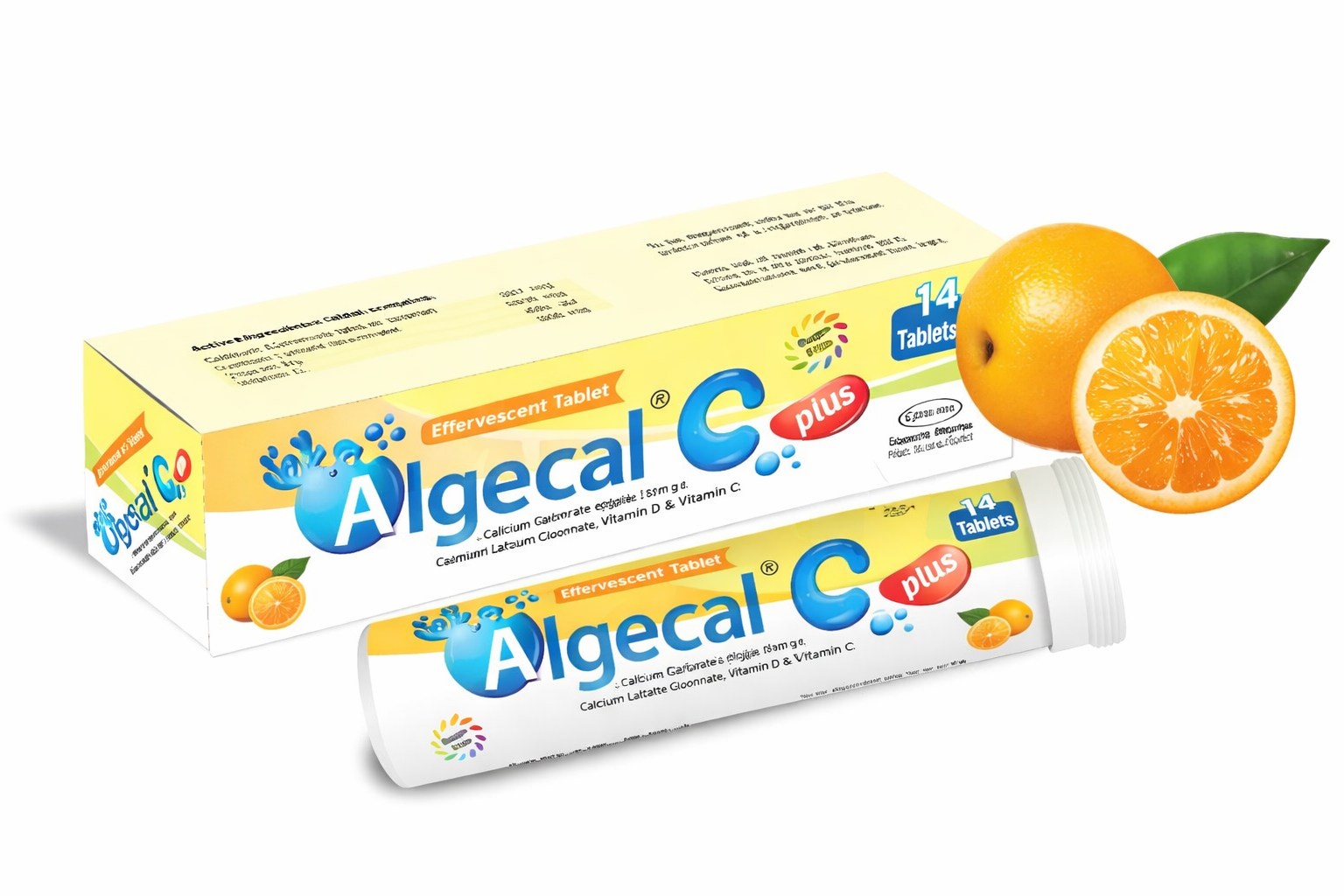
Algecal C Plus is indicated for:
An adjunct to specific therapy for osteoporosis.
Increased demand for Calcium, Vitamin C, and Vitamin D, such as during pregnancy, lactation, periods of rapid growth (childhood, adolescence), and in old age.
Osteomalacia (softening of the bones).
The prevention and treatment of Calcium and Vitamin D deficiency, especially in housebound and hospitalized elderly subjects.
As an adjuvant in treating cold and influenza.
Postmenopausal syndrome and premenstrual symptoms.
Conditions involving high body temperatures.
As an alkalizing agent in conditions with systemic acidosis.
Each effervescent tablet contains:
Calcium Lactate Gluconate: 1000 mg
Calcium Carbonate BP: 327 mg
Ascorbic Acid (Vitamin C) BP: 500 mg
Vitamin D3 (Cholecalciferol) BP: 400 IU
Calcium: Essential for nerve, muscle, and cardiac function. Calcium Gluconate and Carbonate help maintain calcium balance and prevent bone loss.
Vitamin D3: Aids in the absorption of Calcium from the GI tract and stimulates bone formation. Studies show Calcium and Vitamin D have synergistic effects on bone growth and fracture prevention.
Vitamin C: An essential antioxidant that humans cannot synthesize. It is vital for the immune response against infection and helps the body respond to stress.
Adolescents & Adults: 1 effervescent tablet per day.
Children: 1/2 effervescent tablet per day.
Infants: As prescribed by a physician.
Instructions: Dissolve one tablet in a glass of water and drink immediately.
Thiazide diuretics: May increase the risk of hypercalcemia (high blood calcium) by reducing urinary calcium excretion.
Digitalis (Cardiac Glycosides): Toxicity may be accentuated by calcium/vitamin D; use with caution.
Food: Foods containing oxalic acid, phosphate, or phytinic acid (e.g., spinach, bran) may reduce calcium absorption.
Other Medications: Calcium can reduce the absorption of thyroxine, bisphosphonates, sodium fluoride, quinolones, tetracycline antibiotics, or iron. It is advisable to wait at least 4 hours between taking calcium and these medications.
Hypercalcemia (e.g., resulting from myeloma, bone metastases, or primary hyperparathyroidism).
Vitamin D overdose.
Severe renal failure.
Hypersensitivity to any of the ingredients.
Gastrointestinal: Rarely, mild disturbances like constipation, flatulence, nausea, or diarrhea.
Skin: Occasional rash from Vitamin D.
Long-term high doses: May lead to hypercalciuria (excess calcium in urine) or hypercalcemia.
Treatment should always be under the direction of a physician. While requirements for calcium and Vitamin D increase during this time, total intake from all sources (diet + supplements) must be monitored. High overdoses of Vitamin D have shown teratogenic (birth defect) effects in animals.
Patients with mild to moderate renal failure or kidney stones should be supervised carefully.
Monitor serum/urinary calcium levels during long-term treatment.
Stop treatment if urinary calcium exceeds 7.5 mmol/24 hours.
Symptoms include nausea, vomiting, thirst (polyuria), and constipation. Chronic overdose can lead to vascular and organ calcification. * Treatment: Stop all calcium and Vitamin D intake and seek rehydration/medical care.
Store in a cool, dry place. Protect from light and moisture. Keep the container tightly closed and out of reach of children.

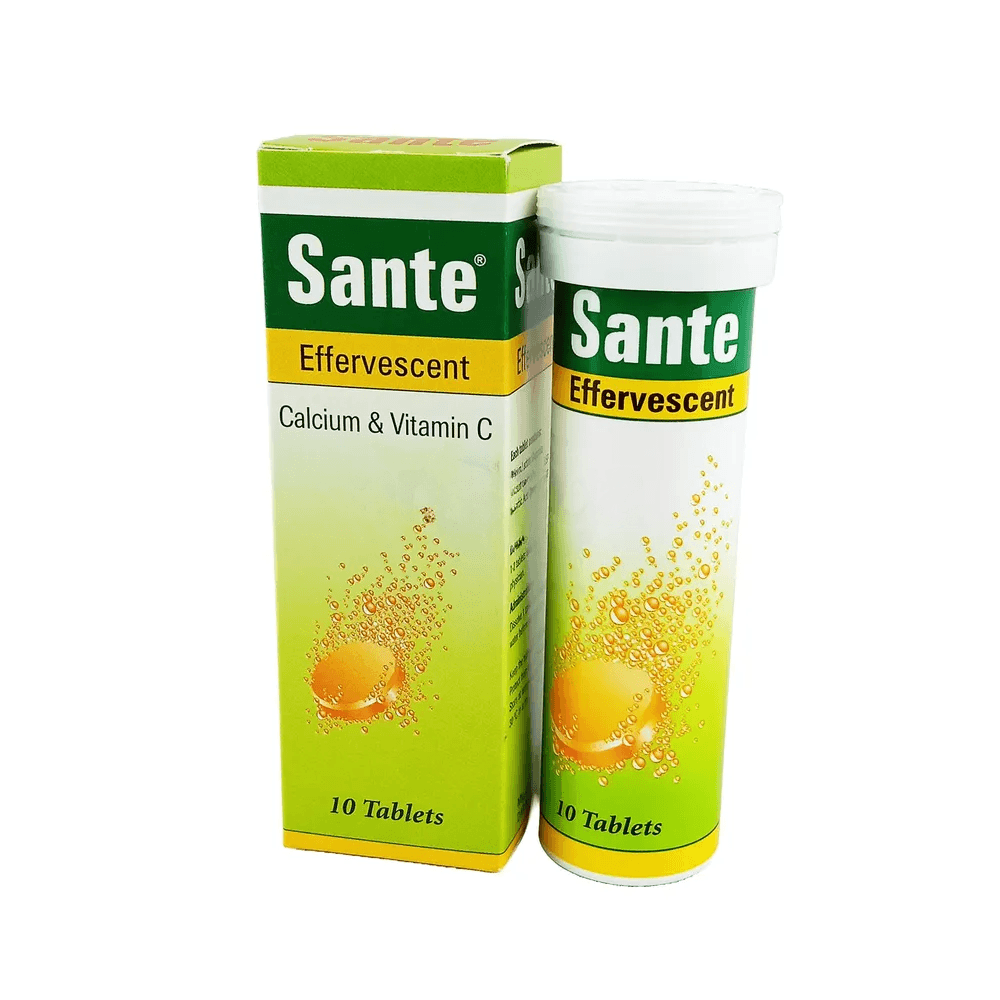

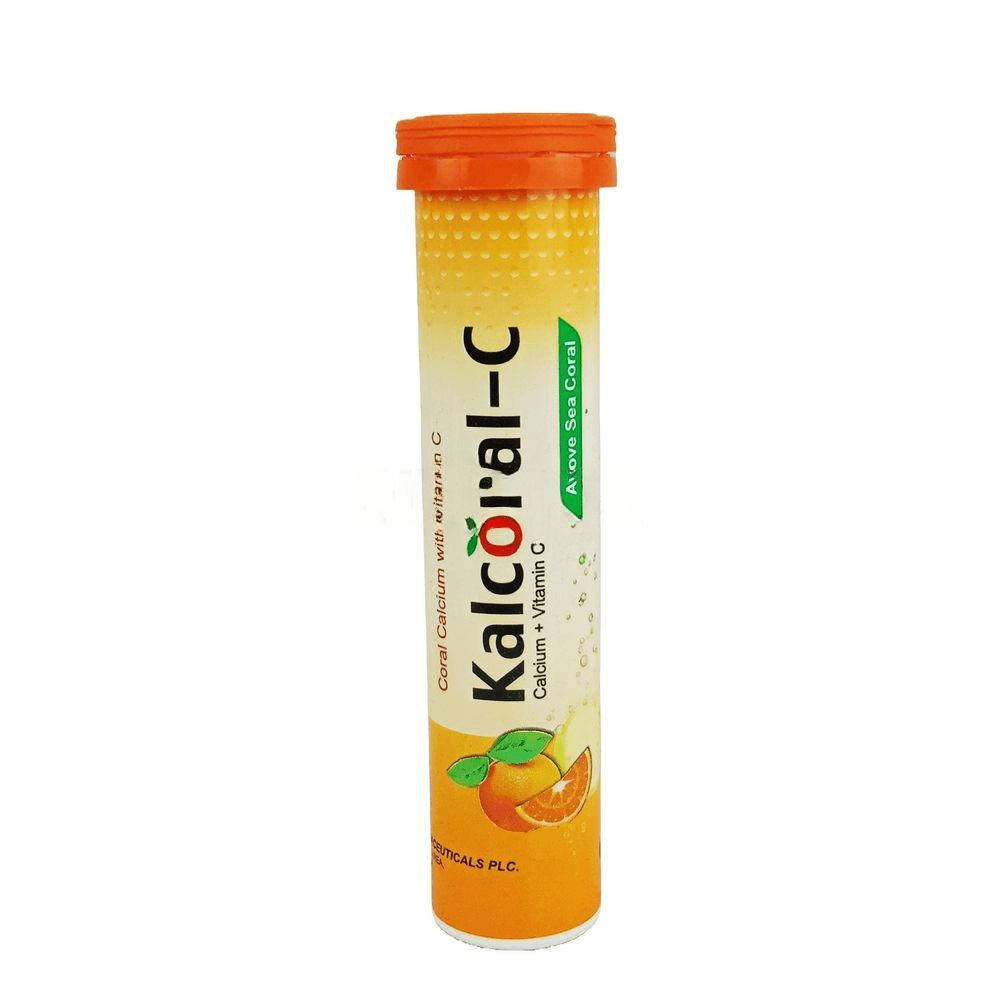

Nutritional Supplement in Osteoporosis, Calcium deficiency, Rickets, Hypocalcaemia, Calcium supplement, Osteomalacia
Dosage should be individualized based on the demands in age, sex and various physiological (pregnancy & lactation) & disease conditions. In general the dosage is-\r\nAdults: 1 effervescent tablet daily\r\n
Dosage should be individualized based on the demands in age, sex and various physiological (pregnancy & lactation) & disease conditions. In general the dosage is-\r\nChildren above 7 years: 1 effervescent tablet daily\r\nChildren 3-7 years: Half effervescent tablet daily
Absolute contraindications are hypercalcaemia resulting from myeloma, bone metastases or other malignant bone disease, sarcoidosis; primary hyperparathyroidism and Vitamin-D overdosage. It is also contraindicated in severe renal failure and hypersensitivity to any of the tablet ingredients.
Calcium carbonate/vitamin D3 prevents or treats negative Ca balance. It also helps facilitate nerve and muscle performance as well as normal cardiac function. Bone mineral component; cofoactor in enzymatic reactions, essential for neurotransmission, muscle contraction, and many signal transduction pathways.\r\n\r\nVitamins and minerals are essential for normal metabolic functions including hematopoiesis. Vitamin D3 is a fat-soluble sterol. It is necessary for the regulation and regulation of calcium and phosphate homoeostasis and bone mineralisation. Vitamin D is also essential for healthy bones as it aids in Calcium absorption from the GI tract. \r\n\r\nVitamin C is necessary for collagen formation and tissue repair; plays a role in oxidation/reduction reactions as well as other metabolic pathways including synthesis of catecholamines, carnitine, and steroids; also plays a role in conversion of folic acid to folinic acid.\r\n
Patients with mild to moderate renal failure or mild hypercalciuria should be supervised carefully. Periodic checks of plasma Calcium levels and urinary Calcium excretion should be made in patients with mild to moderate renal failure or mild hypercalciuria. In patients with a history of renal stones urinary Calcium excretion should be measured to exclude hypercalciuria. With long-term treatment it is advisable to monitor serum and urinary Calcium levels and kidney function, and reduce or stop treatment temporarily if urinary Calcium exceeds 7.5 mmol/24 hours. Allowances should be made for Calcium and Vitamin-D supplements from other sources.\r\n\r\nLactation: Calcium enters human milk; use with caution
Calcium \r\nAnorexia, Constipation, Flatulence, Nausea, Vomiting, Hypercalcemia, Hypophosphatemia, Xerostomia, Acid rebound, Milk-alkali syndrome\r\n\r\nVitamin D\r\nHypercalcemia, Muscle/bone pain, Metallic taste, Headache, Nausea, Vomiting, Dry mouth, Constipation, Arrhythmias\r\n
Vitamin D3 and Vitamin C work together to maximize calcium absorption and bone density, but this combination can reduce the effectiveness of antibiotics or thyroid medications if taken at the same time.
N/A