
Search products by name
Search medicines by name
0
0 item
৳ 0.00
Your Complete HealthCare Solution - Right Here


10657
info@shukhee.com
Telecom Bhaban (Level- 12), 53/1 Box Nagar, Zoo Road, Dhaka-1216.
৳ 0.00
10657
info@shukhee.com
Telecom Bhaban (Level- 12), 53/1 Box Nagar, Zoo Road, Dhaka-1216.

Quantity:

Products

Payment

Delivery
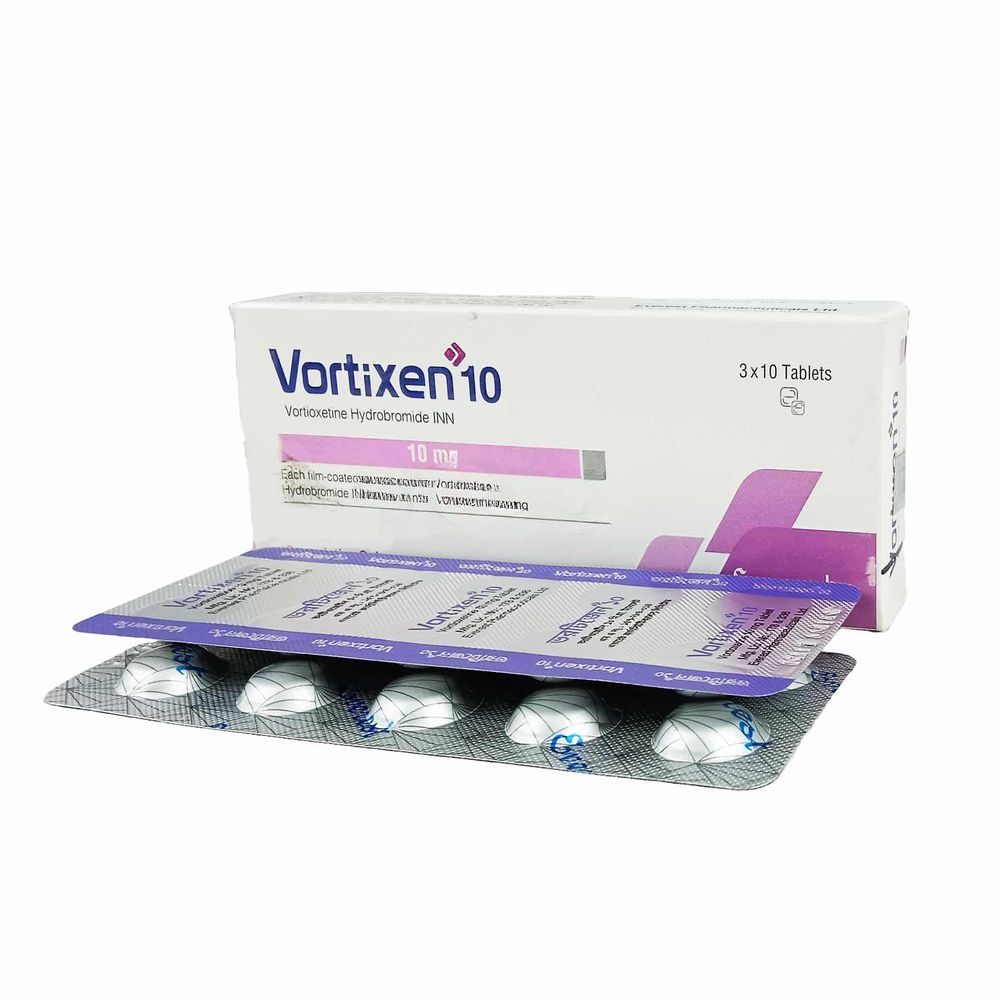
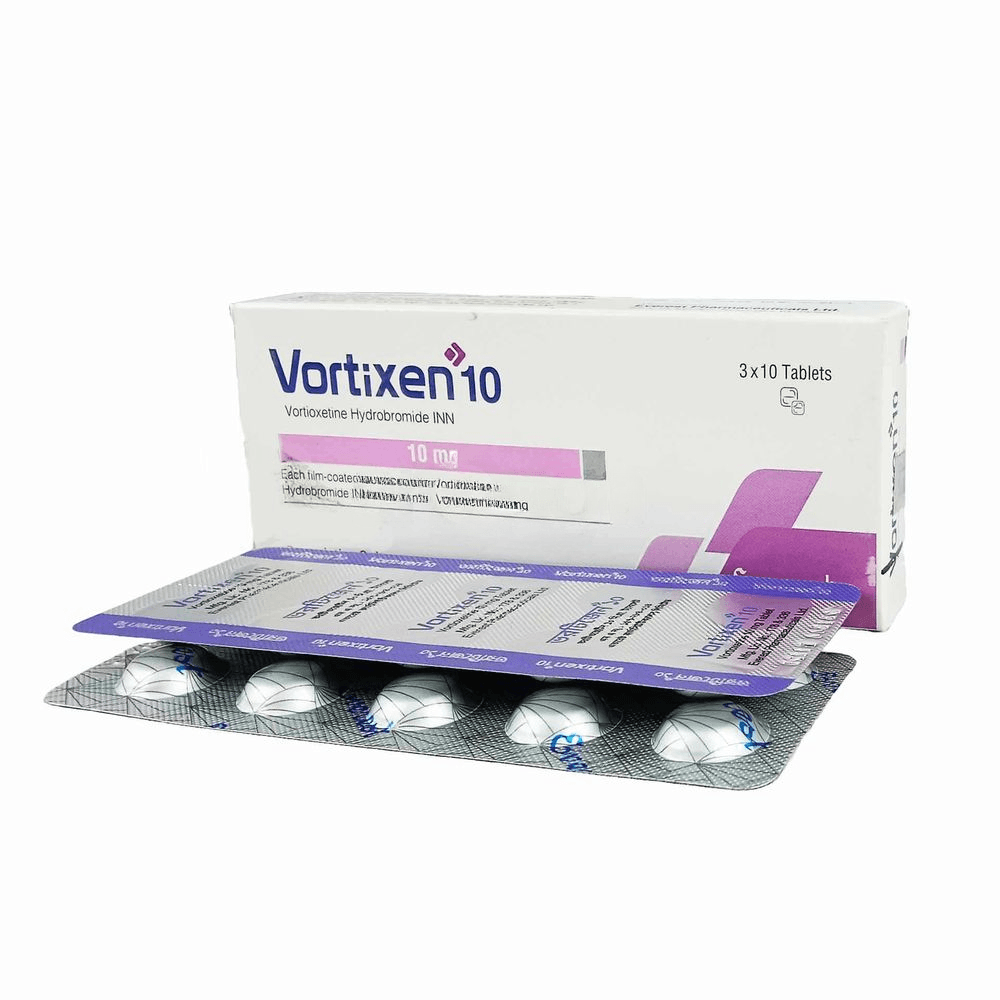
Indications: Vortixan is indicated for the treatment of Major Depressive Disorder (MDD) in adults.
Pharmacology: The exact mechanism of the antidepressant effect of Vortioxetine is not fully understood. It is believed to be related to its enhancement of serotonergic activity in the central nervous system through inhibition of serotonin (5‑HT) reuptake. It also exhibits 5‑HT₃ receptor antagonism and 5‑HT₁A receptor agonism.
Dosage & Administration: The recommended starting dose is 10 mg orally once daily, with or without food. The dose may be increased to 20 mg/day as tolerated. The maximum evaluated dose is 20 mg/day. For elderly patients (>65 years), the starting dose should be 5 mg/day. For discontinuation, gradually reduce to 10 mg/day for one week before stopping to minimize withdrawal symptoms such as headache or muscle tension. When switching from or to MAOIs, wait at least 14 days after discontinuing an MAOI before starting Vortioxetine, and at least 21 days after stopping Vortioxetine before starting an MAOI.
Drug Interactions: MAOIs may cause serious or fatal reactions (Serotonin Syndrome). Co‑administration with serotonergic drugs (SSRIs, SNRIs, Triptans, Tramadol, Buspirone, Tryptophan) may increase serotonin toxicity. CYP2D6 inhibitors (e.g., Bupropion, Fluoxetine, Paroxetine, Quinidine) may double Vortioxetine exposure; dose adjustment may be required. CYP inducers (e.g., Rifampin, Carbamazepine, Phenytoin) may reduce Vortioxetine levels; consider increasing the dose.
Contraindications: Known hypersensitivity to Vortioxetine or any excipients. Concomitant use with MAO inhibitors.
Side Effects: Possible adverse reactions include hypersensitivity, suicidal ideation, serotonin syndrome, abnormal bleeding, activation of mania/hypomania, angle‑closure glaucoma, and hyponatremia.
Pregnancy & Lactation: Safety during pregnancy has not been established. Use only if benefits outweigh potential risks. Vortioxetine and its metabolites are expected to be excreted in human milk; breastfeeding is not recommended during treatment.
Precautions & Warnings: Monitor all patients for clinical worsening or suicidal thoughts, especially during early treatment or dose changes. Serotonin Syndrome may occur alone or with other serotonergic drugs; discontinue immediately if symptoms arise. Bleeding risk increases when combined with aspirin, NSAIDs, warfarin, or other anticoagulants. Use cautiously in patients with bipolar disorder history. Pupil dilation may trigger angle‑closure glaucoma in predisposed patients. Hyponatremia may occur due to serotonergic drug use.
Use in Special Populations: Pediatric (<18 years): Safety and efficacy not established. Geriatric (>65 years): No dose adjustment required. Renal impairment: No adjustment needed. Hepatic impairment: Mild/moderate — no adjustment; severe — not recommended. CYP2D6 poor metabolizers: Plasma concentration may be doubled; dose adjustment may be necessary. Race, gender, ethnicity: No adjustment required.
Overdose Effects: Limited data available. In case of overdose, provide medical supervision in a specialized setting.
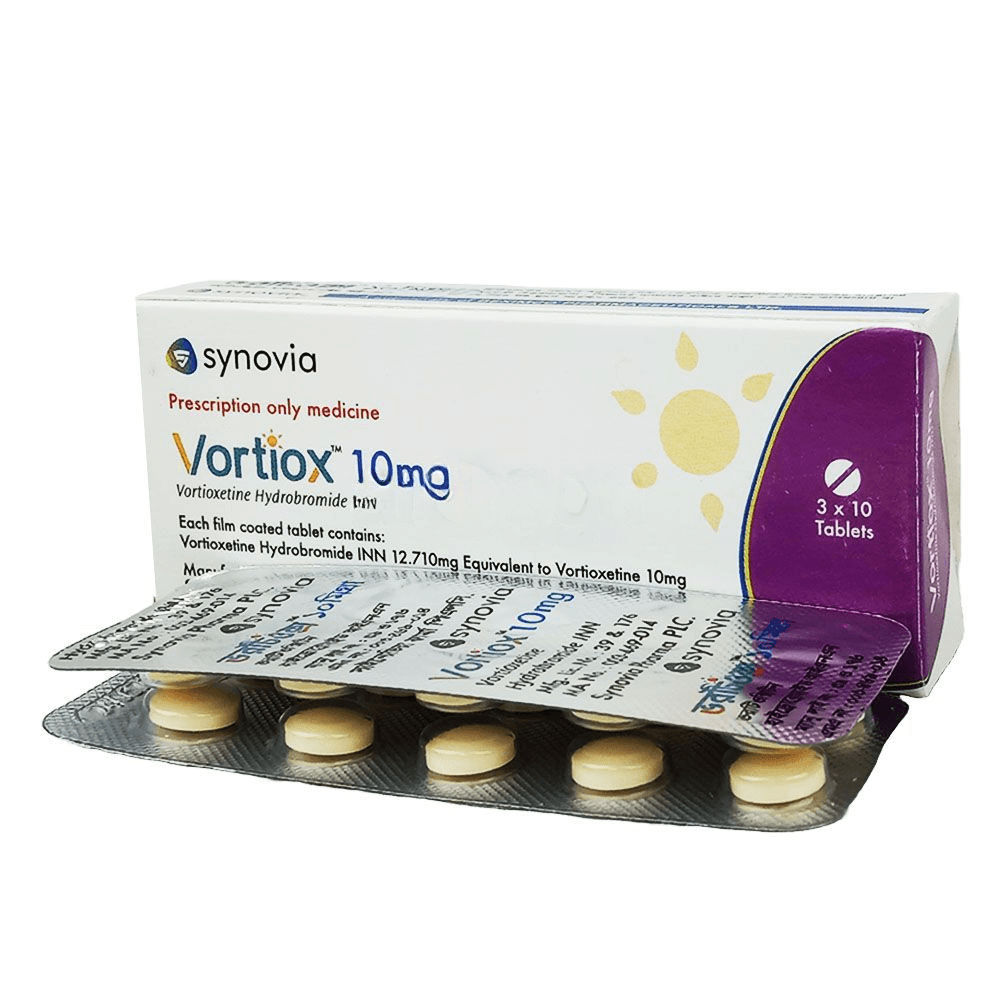

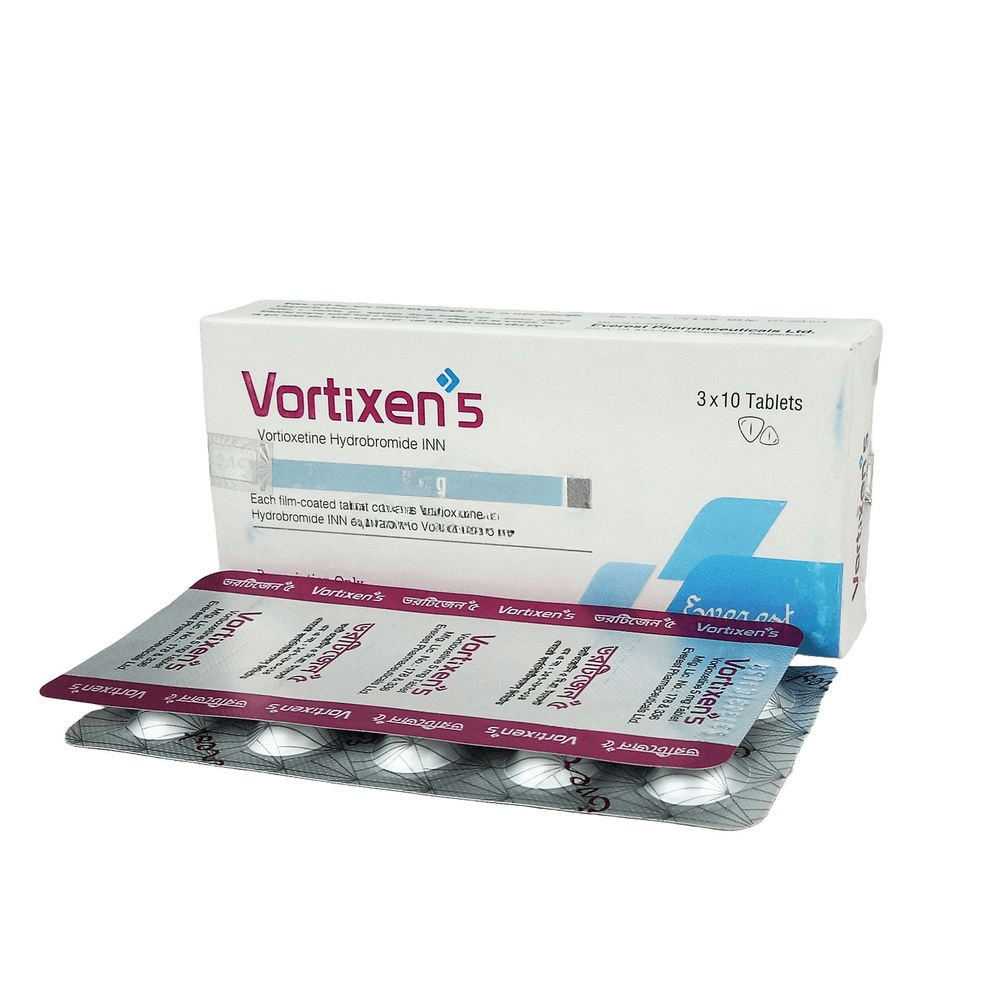
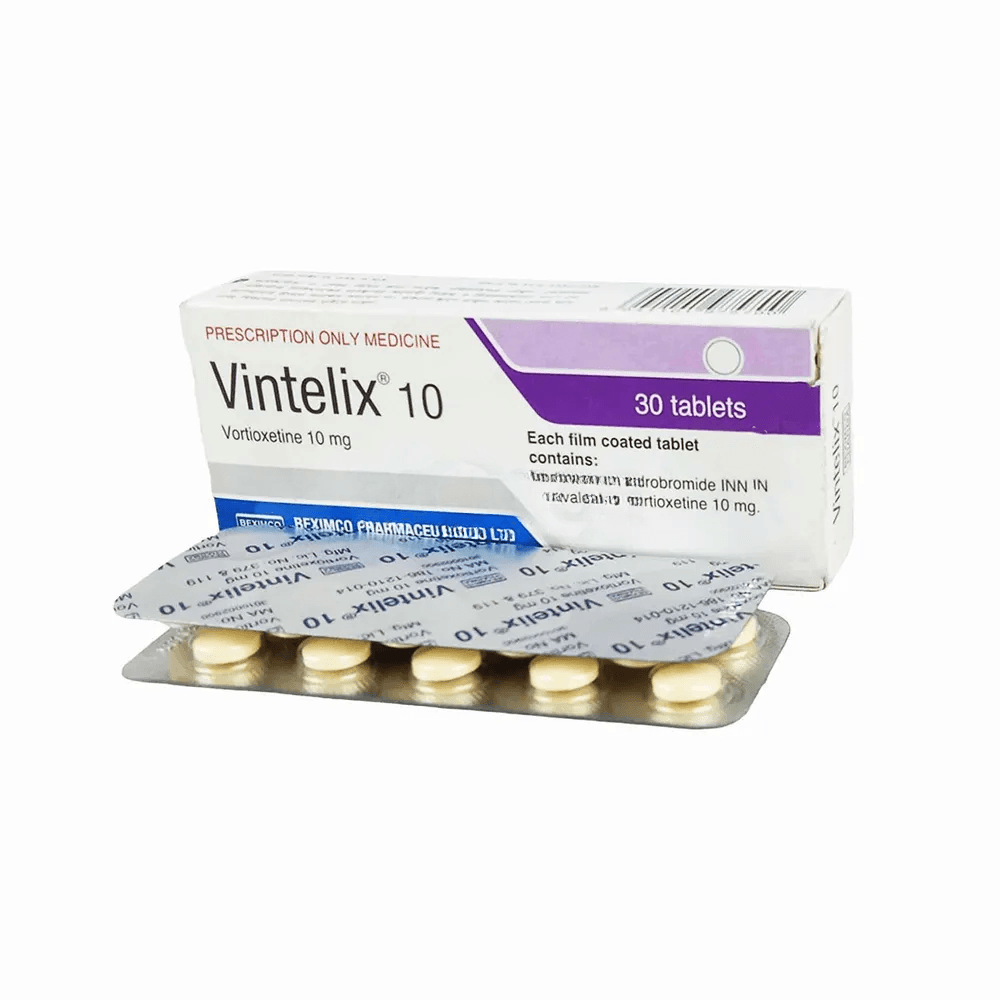
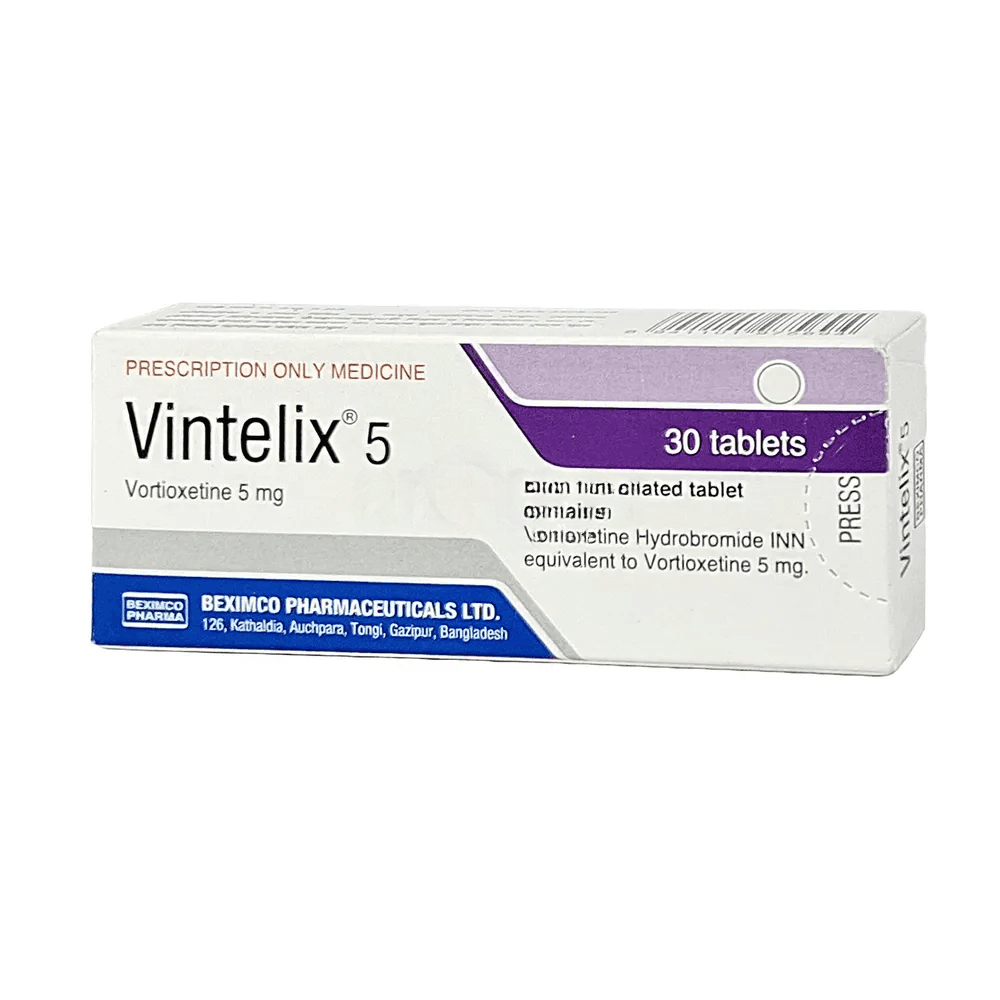
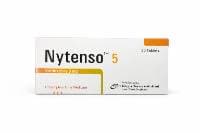
Vortioxetine Hydrobromide is a prescription antidepressant used to treat major depressive disorder (MDD). It works by modulating serotonin activity in the brain—blocking and stimulating different serotonin receptors while also inhibiting serotonin reuptake.
Vortioxetine is used for depression, low mood, lack of interest, anxiety symptoms associated with depression, and cognitive symptoms like poor concentration. It may improve mood, energy, and mental clarity.