Search products by name
Search medicines by name
0
0 item
৳ ০.০০
আপনার সব স্বাস্থ্যসেবার সমাধান — এখন এক জায়গাতেই


১০৬৫৭
info@shukhee.com
টেলিকম ভবন, ৫৩/১, বক্স নগর, ঢাকা-১২১৬
৳ ০.০০
১০৬৫৭
info@shukhee.com
টেলিকম ভবন, ৫৩/১, বক্স নগর, ঢাকা-১২১৬

Products

Payment

Delivery
250 mg or 500 mg Tablet:
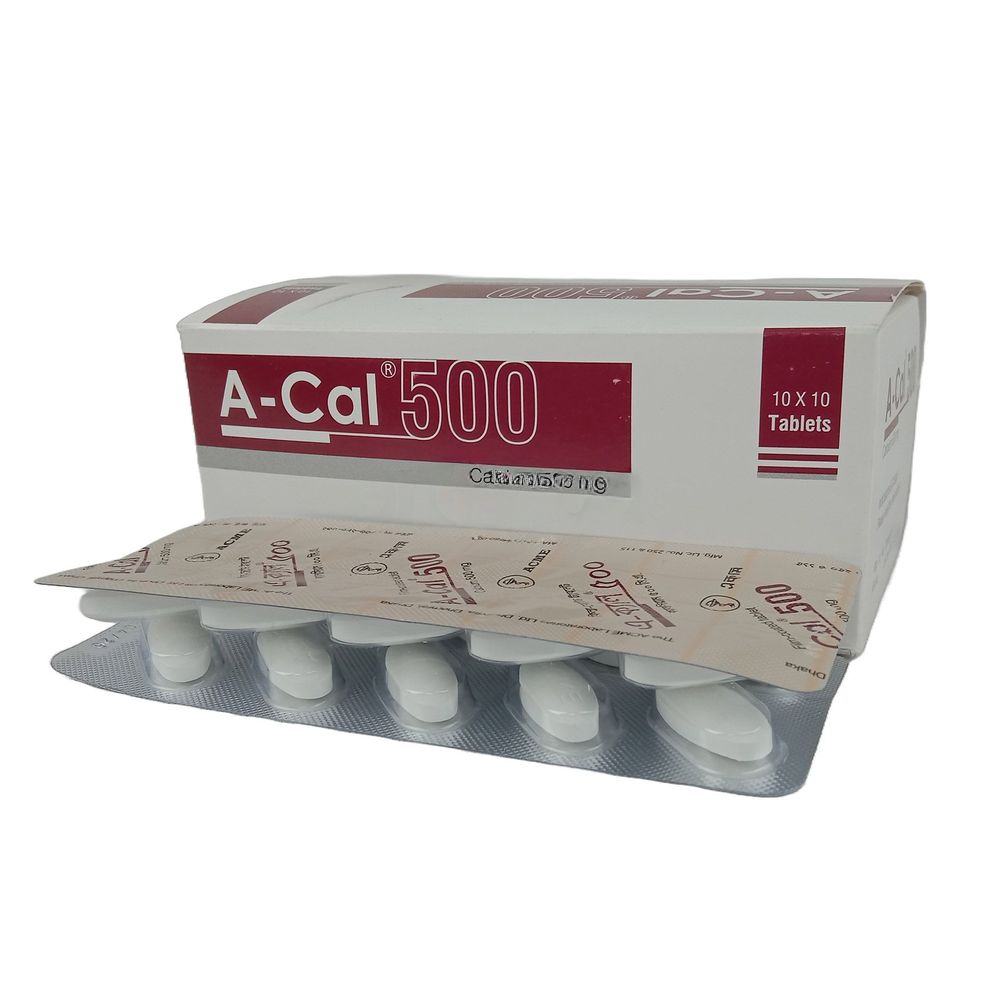
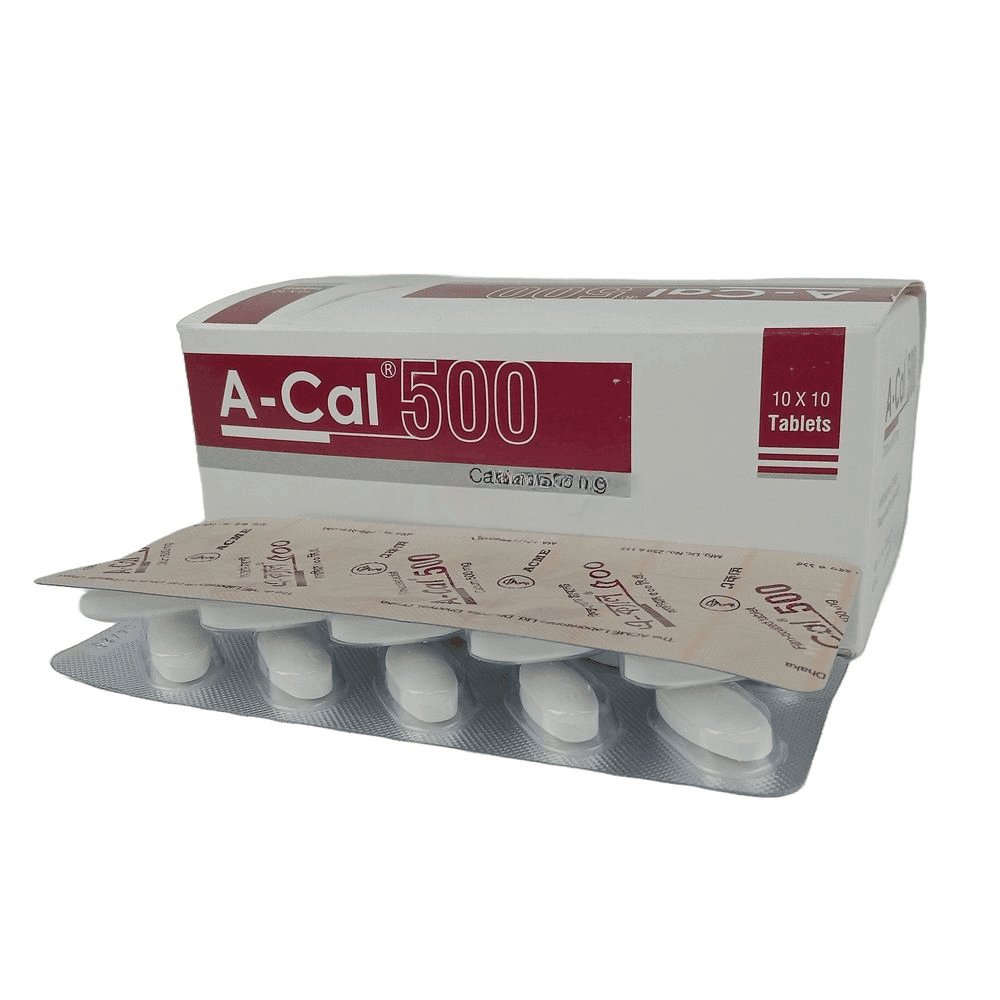
Elemental A-Cal tablet is indicated for the prevention and treatment of calcium deficiency when dietary calcium intake is insufficient. Calcium deficiency may be associated with various conditions, including hypoparathyroidism, achlorhydria, chronic diarrhea, vitamin D deficiency, steatorrhea, sprue, pregnancy, lactation, menopause, pancreatitis, renal failure, alkalosis, and hyperphosphatemia.
A-Cal is also used to manage hyperphosphatemia in patients with chronic renal failure, including those undergoing continuous ambulatory peritoneal dialysis (CAPD) and hemodialysis. It helps bind dietary phosphate in the gastrointestinal tract. Some patients may require additional dietary phosphate restriction or other phosphate-binding agents to achieve adequate phosphate control.
Calcium carbonate-containing preparations may provide short-term relief from dyspeptic symptoms. However, they are not recommended for the long-term treatment of peptic ulcer disease.
1000 mg Tablet:
Elemental A-Cal tablet is indicated for the management of conditions associated with gastric hyperacidity. It provides fast relief from acid indigestion, heartburn, sour stomach, and upset stomach.
Use this medicine only as directed by a registered physician.
Calcium carbonate acts as an antacid by reacting with hydrochloric acid in the stomach to produce calcium chloride, water, and carbon dioxide.
The chemical reaction is:
CaCO3 + 2HCl = CaCl2 + H2O + CO2
Two grams of calcium carbonate can neutralize approximately 100 ml of hydrochloric acid and raise the gastric pH above 6. By increasing gastric pH, calcium carbonate reduces pepsin activity in gastric secretions.
Approximately 30% of orally administered calcium may be absorbed through the gastrointestinal tract.
250 mg or 500 mg Tablet:
Calcium carbonate is administered orally. When used as an antacid, the recommended adult dosage is equivalent to 540–2000 mg of calcium carbonate per day. The recommended dosage for children is generally half the adult dosage, subject to medical advice.
As a calcium supplement, particularly for the prevention of osteoporosis, a daily dose of 1250–3750 mg of calcium carbonate (equivalent to 500–1500 mg of elemental calcium) may be recommended. The dosage should be adjusted according to the patient's individual requirements, underlying medical conditions, calcium deficiency, malabsorption, and parathyroid function.
During pregnancy and lactation, the recommended daily calcium intake is generally 1200–1500 mg.
In patients with chronic renal failure, the dosage may range from 2.5–9.0 g of calcium carbonate per day, depending on individual requirements and clinical conditions. For effective phosphate binding, calcium carbonate should be administered with meals.
1000 mg Tablet:
A dose of 2000–3000 mg may be taken when symptoms occur. The dose may be repeated hourly if necessary or as directed by the physician.
Use this medicine only as directed by a registered physician.
A-Cal may enhance the cardiac effects of digoxin and other cardiac glycosides if systemic hypercalcemia develops.
It may also interfere with the gastrointestinal absorption of concurrently administered tetracycline preparations.
In patients with chronic renal failure, vitamin D therapy may require dose adjustment to reduce the risk of hypercalcemia when A-Cal is used as the primary phosphate-binding agent.
A-Cal is contraindicated or requires special medical consideration in the following conditions:
Hypercalcemia and hyperparathyroidism.
Hypercalciuria and nephrolithiasis.
Zollinger-Ellison syndrome.
Concomitant digoxin therapy, which requires careful monitoring of serum calcium levels.
If hypercalcemia develops, discontinuation of the medicine is generally sufficient to restore serum calcium levels to normal.
Calcium salts should be used cautiously in patients with sarcoidosis, renal disease, cardiac disease, and those receiving cardiac glycosides.
Oral administration of A-Cal may cause gastrointestinal irritation and constipation.
Hypercalcemia is uncommon when calcium is administered alone but may develop in patients with chronic renal failure, particularly when high doses are used.
Calcium-containing preparations have been widely used during pregnancy for calcium supplementation and antacid therapy.
Calcium carbonate may also be used during lactation when clinically indicated and under appropriate medical guidance.
Use in children:
A-Cal has been extensively studied in children and infants with chronic renal failure and has demonstrated safety and effectiveness when used under appropriate medical supervision.
Use in elderly:
Elderly patients, particularly those with renal impairment, may experience constipation during A-Cal therapy. Regular monitoring of serum calcium and phosphate levels is recommended to ensure safe and appropriate use.
Minerals in Bone Formation, Specific Mineral Preparations.
Store in a cool and dry place at controlled room temperature. Keep away from excessive heat, moisture, and direct sunlight. Keep out of reach of children.
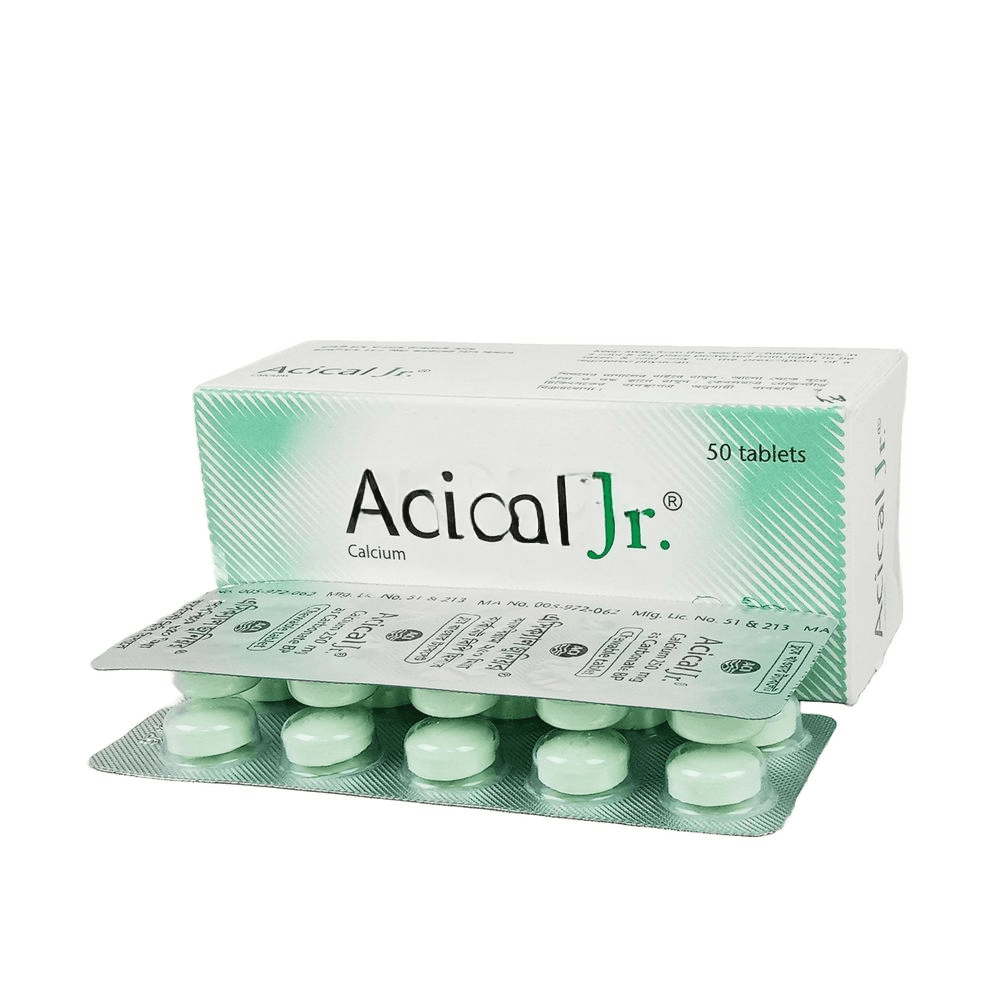
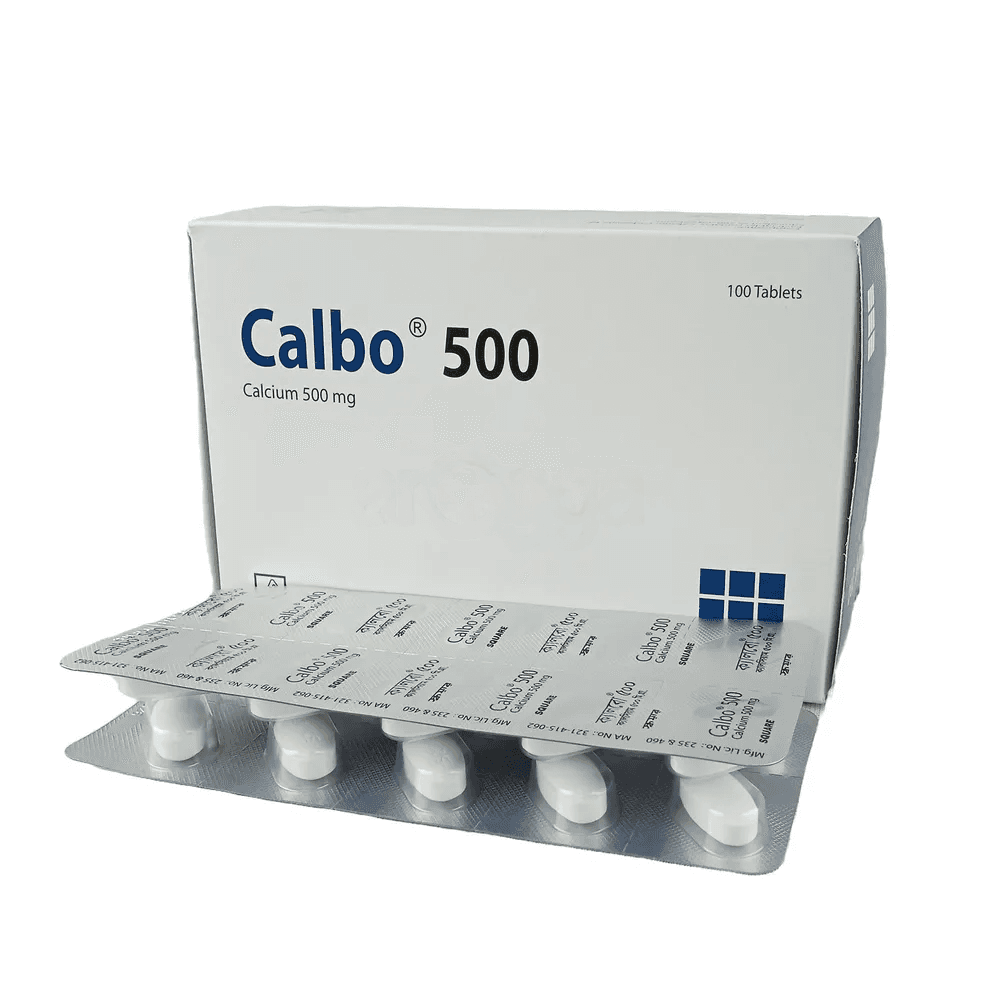
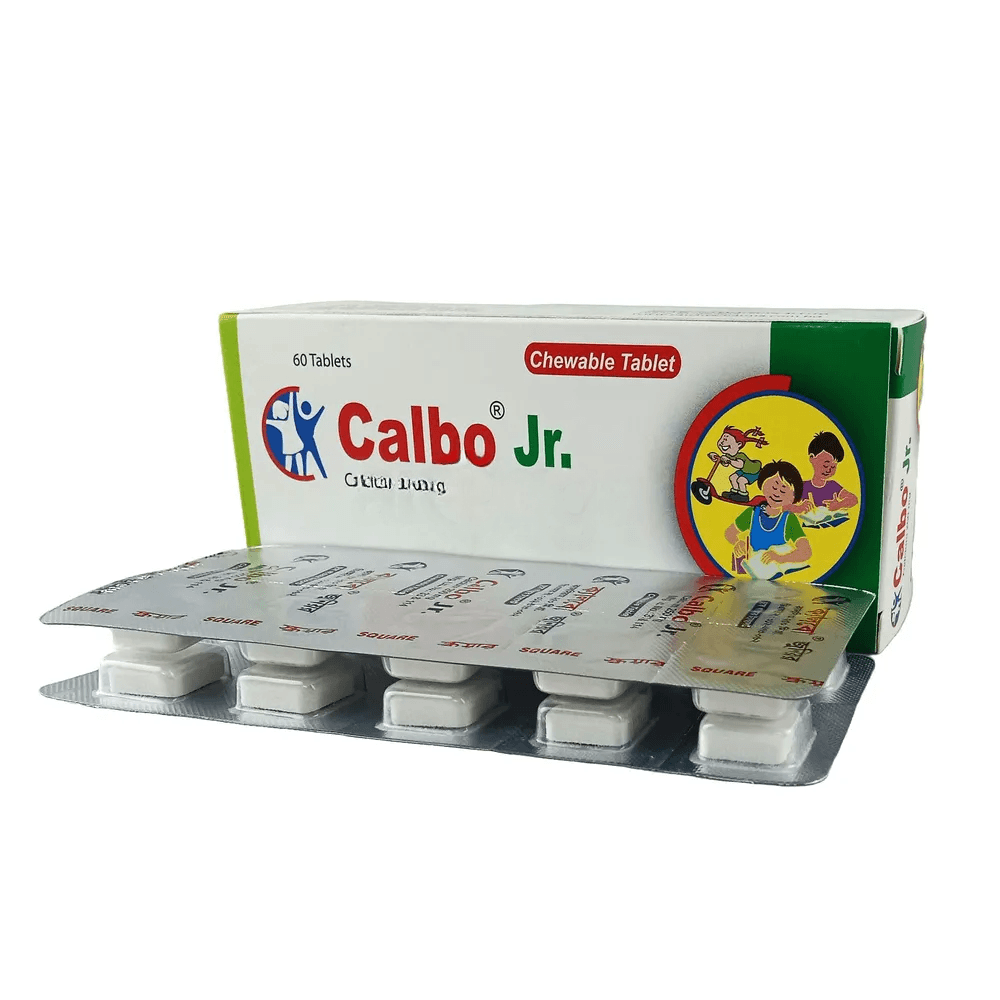
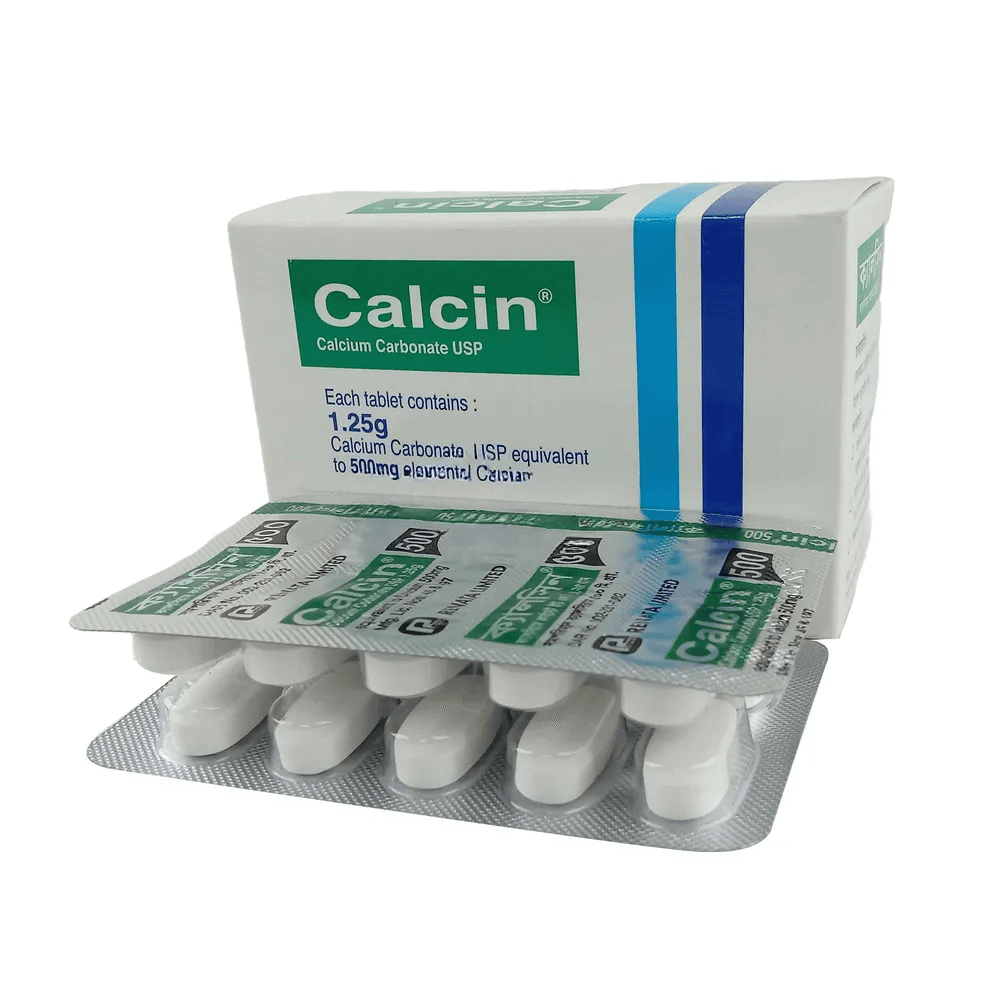
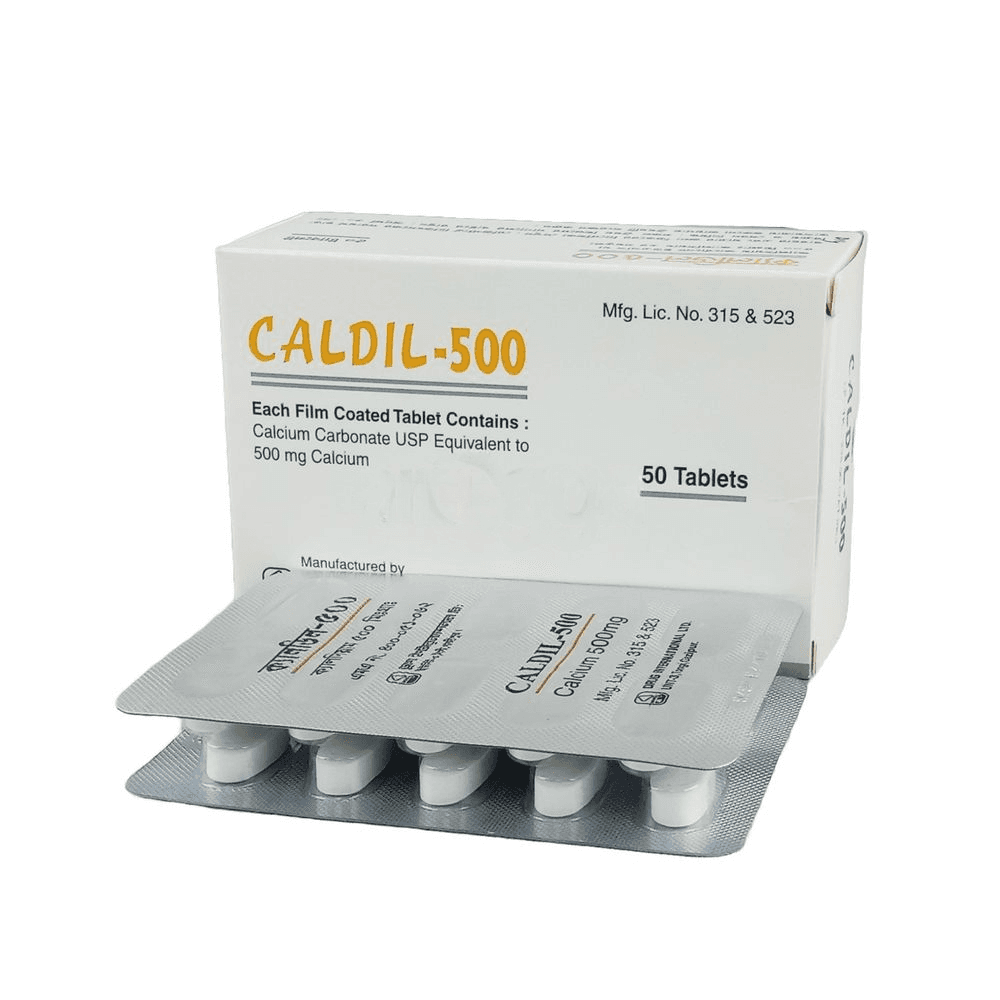
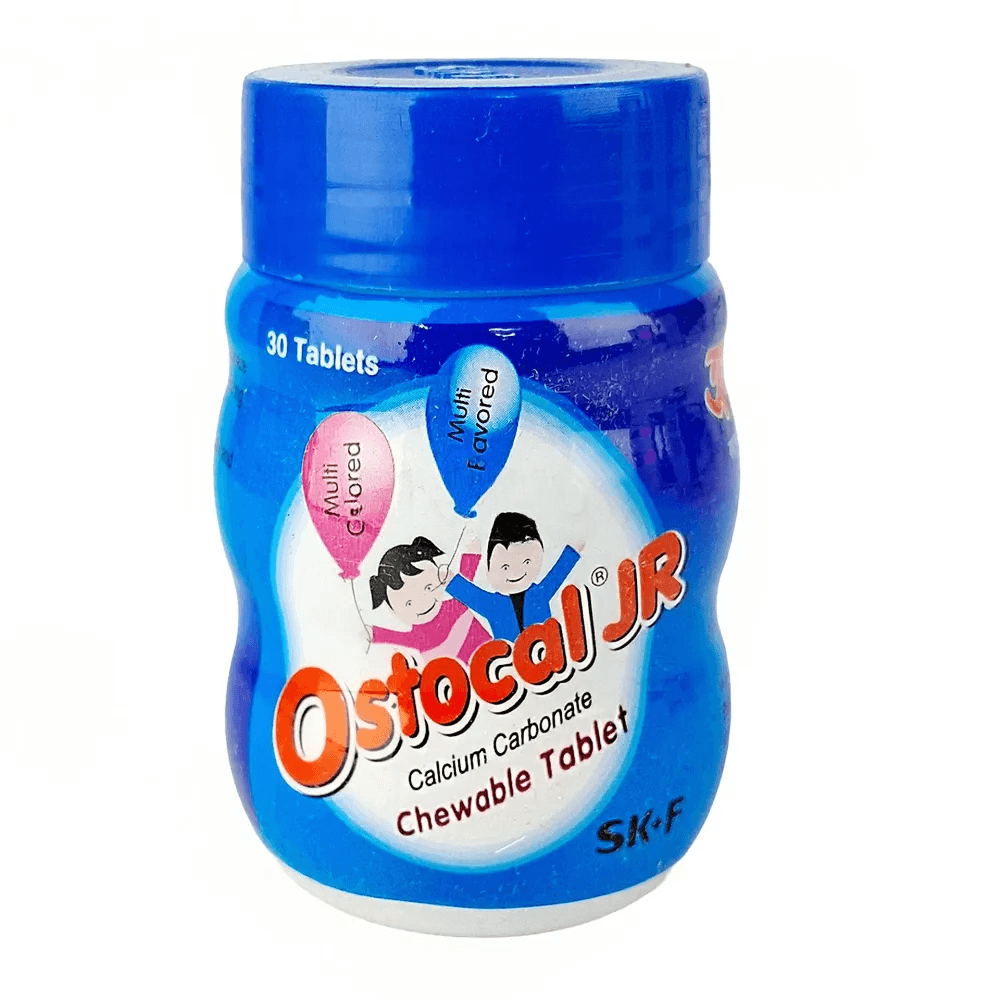
Heartburn, Indigestion, Calcium deficiency, Hypocalcaemia, Hyperphosphatemia, Calcium supplement, Stomach upset
May be taken with or without food. Take w/ meals for better absorption. Avoid taking w/ large amount of fibre-rich food.
Adult: PO Hyperacidity: Take 1-2 tab as needed, up to a max of 16 tab/day. May suck or chew tablets. Hyperphosphataemia in chronic renal failure Initial: 2.5 g/day, up to 17 g/day in divided doses.
Renal impairment:\r\nCrCl <25\tDosage adjustments may be needed depending on serum calcium levels.
Patients with Ca renal calculi or history of renal calculi; hypercalcaemia; hypophosphataemia. Patients with suspected digoxin toxicity.
Calcium carbonate can neutralise gastric acid rapidly and effectively. However, it may adversely activate Ca dependent processes, leading to secretion of gastric and hydrochloric acid. It can induce rebound acid secretion and, prolonged high doses may cause hypercalcemia, alkalosis and milk-alkali syndrome.
Renal impairment, hypoparathyroid disease, hypercalcaemia-associated diseases. Calcium absorption is impaired in achlorhydria; use an alternate salt and take with food. Caution when used in patients with a history of kidney stones.\r\n\r\nLactation: Safe; crosses the placenta; appears in breast milk
Anorexia, nausea, vomiting, constipation, flatulence; hypercalcaemia; metabolic alkalosis; milk-alkali syndrome, tissue-calcification. Gastric hypersecretion and acid rebound (with prolonged use).
Pregnancy category:Lactation: Safe; crosses the placenta; appears in breast
Co-administration with thiazide diuretics or vit D may lead to milk-alkali syndrome and hypercalcaemia. Decreased absorption with corticosteroids. Decreases absorption of tetracyclines, atenolol, iron, quinolones, alendronate, Na fluoride, Zn and calcium-channel blockers. Enhances cardiac effects of digitalis glycosides and may precipitate digitalis intoxication.
N/A