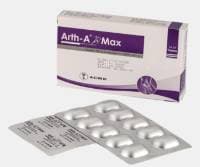
Indications
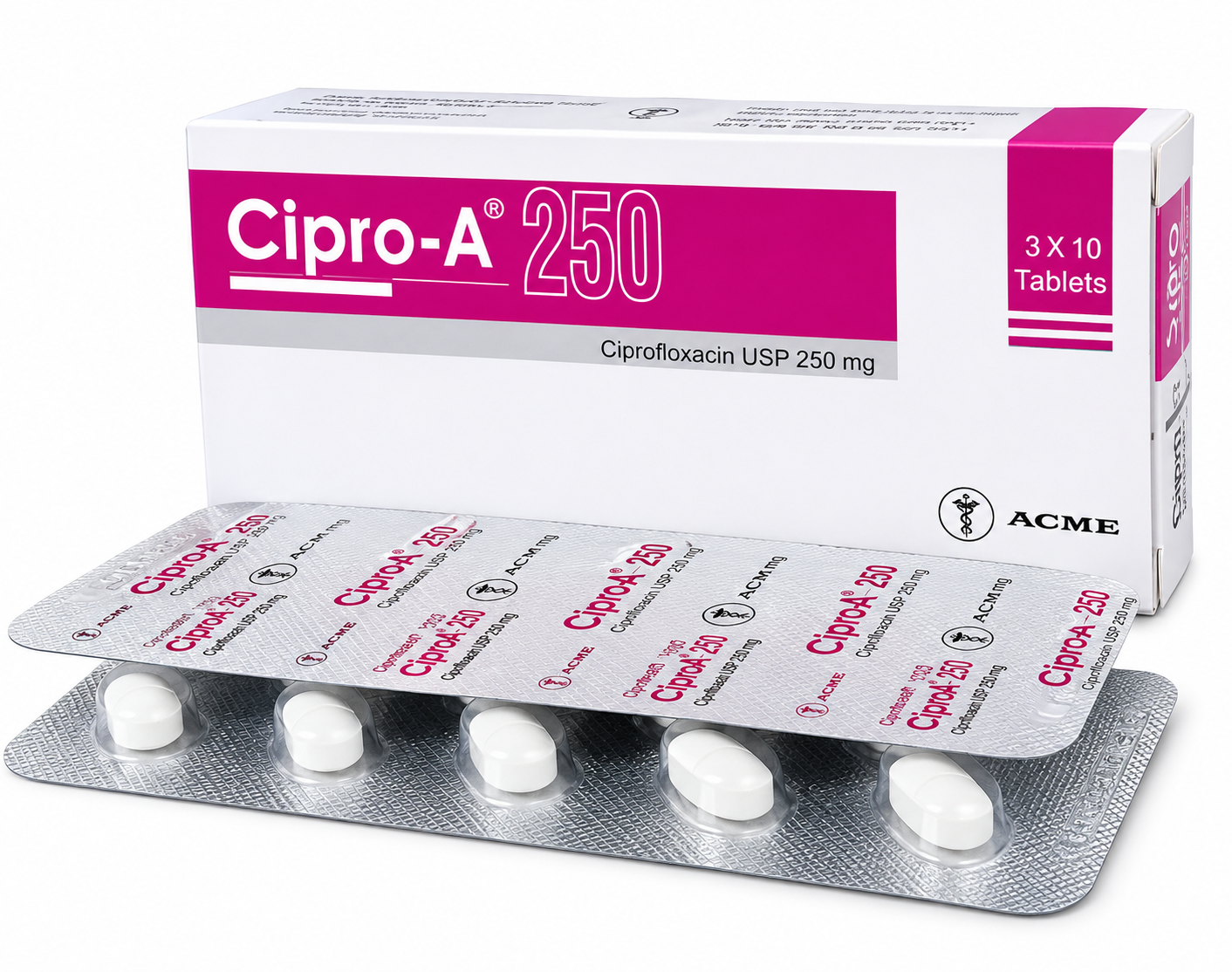
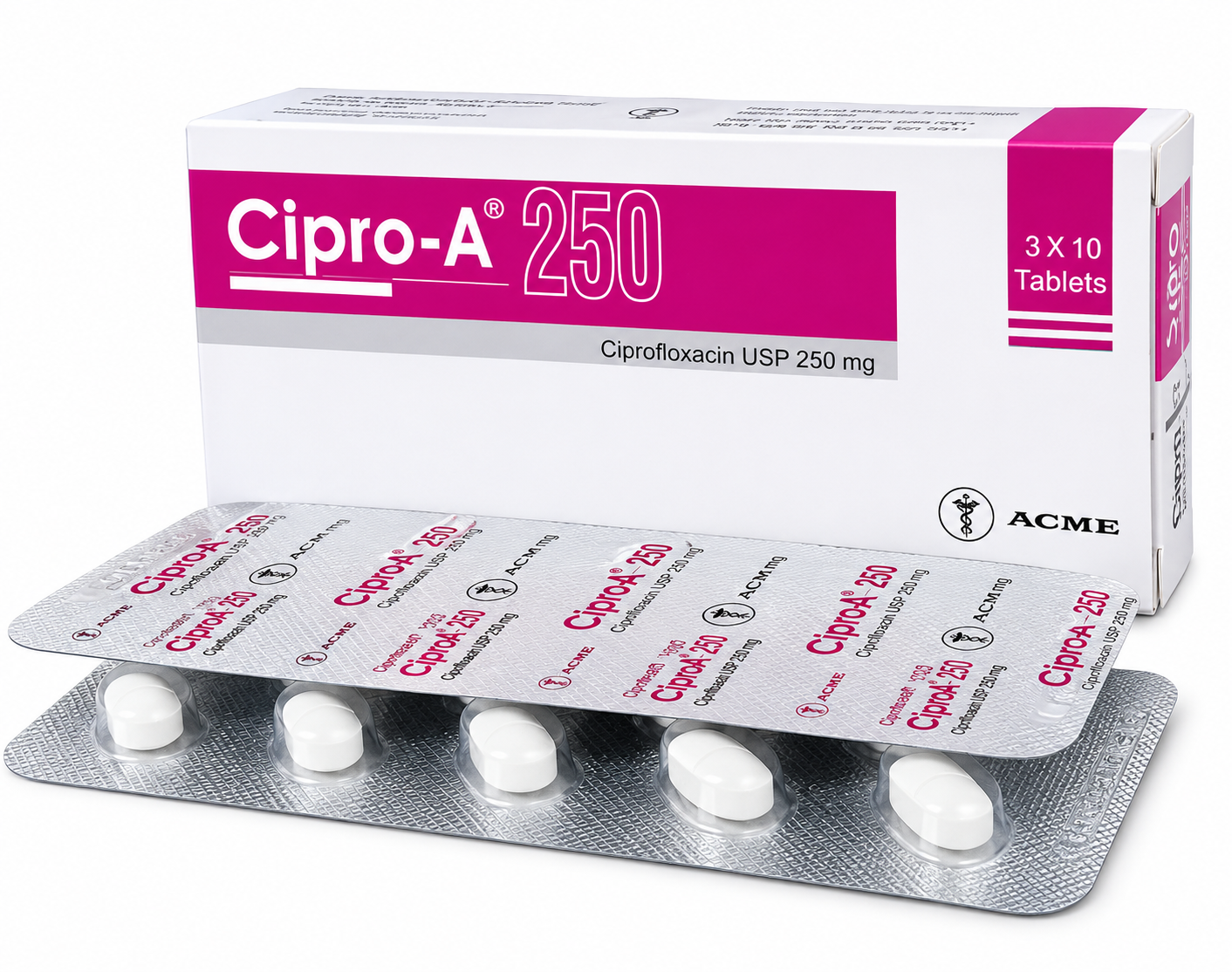
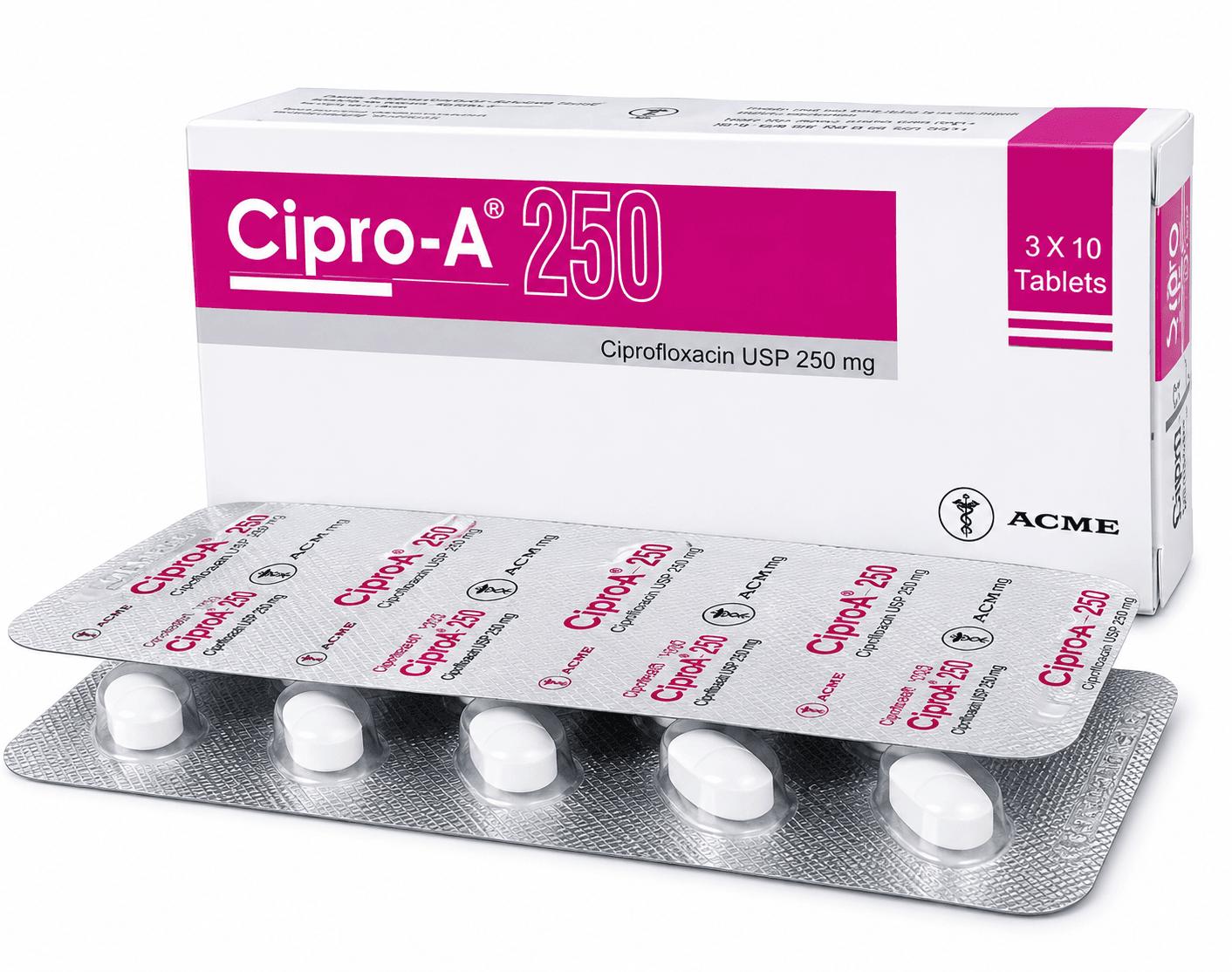
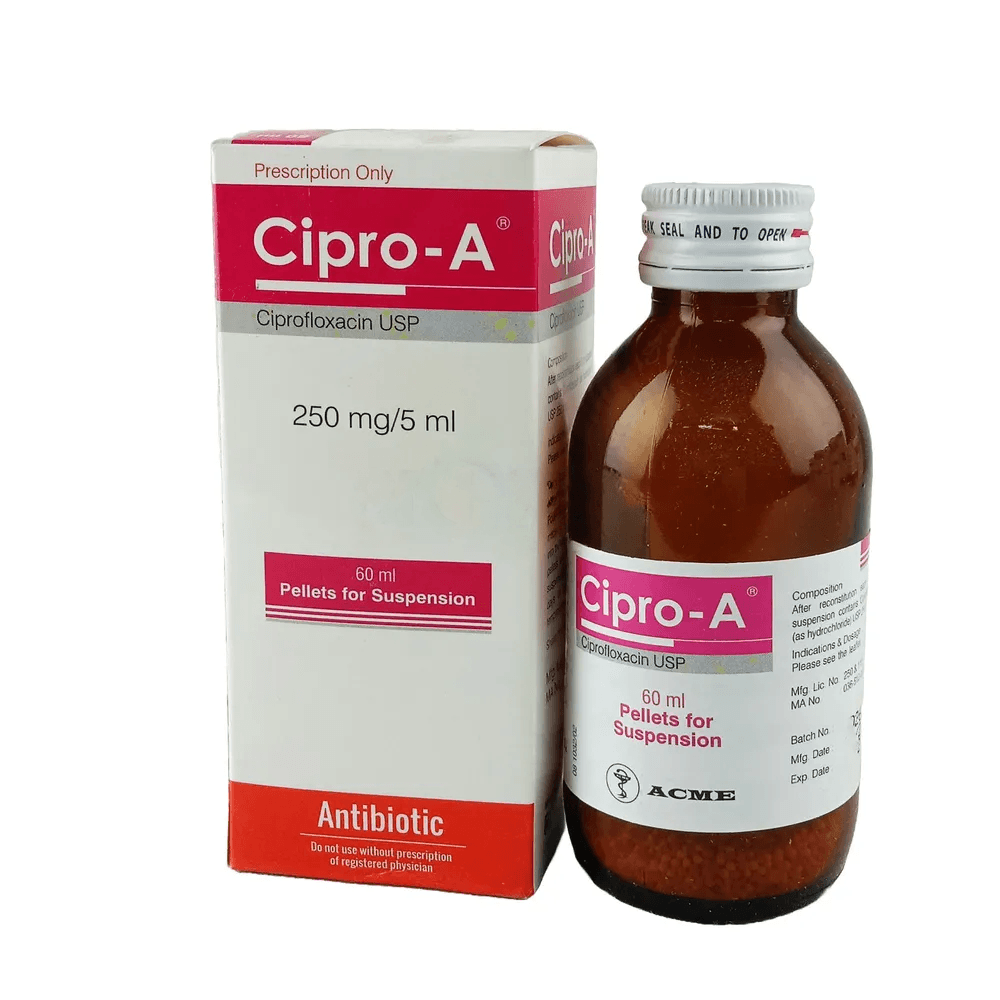
Cipro-A is used to treat single or mixed bacterial infections caused by two or more sensitive germs. It can also be used for infections caused by bacteria that are resistant to other antibiotics, including Aminoglycosides, Penicillins, and Cephalosporins.
Dosage
- General dosage recommendations: The dose of Ciprofloxacin depends on the type and severity of the infection, the sensitivity of the germs causing it, and the patient's age, weight, and kidney function.
- Adults: The usual dose range for adults is 100 to 750 mg twice a day.
Administration
Instructions for using Ciprofloxacin IV infusion:
- Squeeze the inner bag firmly to check for tiny leaks. If you find any leaks or if the seal is broken, throw the solution away.
- Do not use the solution if it looks cloudy or has solid particles in it.
- Do not connect flexible bags in a series.
- Close the flow control clamp of the infusion set.
- Remove the cover from the port at the bottom of the bag.
- Push the piercing pin of the infusion set into the port with a twisting motion until it fits tightly.
- Hang the bag from the hanger.
- Squeeze and release the drip chamber to set the right fluid level during the infusion.
- Open the flow control clamp to remove air from the tube, then close the clamp.
- Control the drip speed using the flow control clamp.
- Take medicine only as advised by a registered physician.
Interaction
Avoid taking Cipro-A at the same time as antacids containing Magnesium or Aluminum, sucralfate, or supplements containing Calcium, Iron, or Zinc. You may take those products 2 hours after or 6 hours before taking Cipro-A. Do not take Cipro-A together with milk or other dairy products alone, as this can greatly reduce how well your body absorbs the medicine. However, normal dietary calcium eaten as part of a full meal does not significantly affect absorption.
Contraindications
Do not use this medicine in patients who have a history of allergy or hypersensitivity to Ciprofloxacin or other quinolone antibiotics.
Side Effects
- Stomach issues: Nausea, diarrhea, vomiting, indigestion, and stomach pain.
- Nervous system issues: Headache, dizziness, tiredness, confusion, seizures, and risk of eye retina detachment.
- Allergic reactions: Skin rash (very rarely severe skin reactions like Stevens-Johnson syndrome and toxic epidermal necrolysis), itching, and body-wide allergic reactions.
- Other less common reactions: Joint pain, mild sensitivity to sunlight, and temporary increases in liver enzymes (especially in patients with past liver damage), blood bilirubin, urea, or creatinine levels. There is also a risk of low blood sugar and mental health side effects.
Pregnancy & Lactation
Animal studies in mice, rats, and rabbits did not show birth defects, fertility issues, or harm to newborns. However, like other quinolones, Ciprofloxacin caused joint damage in young animals, so its use during pregnancy is not recommended. Studies in rats show that Ciprofloxacin passes into breast milk, so it is also not recommended for breastfeeding mothers.
Precautions & Warnings
- Use with caution in patients with known or suspected nervous system disorders, such as hardened brain arteries (arteriosclerosis), epilepsy, or other conditions that increase the risk of seizures.
- You can take Cipro-A with or without food, and you should drink plenty of water and fluids.
- Avoid taking Cipro-A at the same time as magnesium or aluminum antacids, sucralfate, or calcium, iron, and zinc products. Take those at least 2 hours after or 6 hours before Cipro-A.
- Do not take Cipro-A with milk or yogurt alone, as it lowers drug absorption. Dietary calcium included in a regular meal does not affect absorption.
Use in Special Populations
Although proven effective in clinical trials, Cipro-A is not a first-choice antibiotic for children.
Overdose Effects
Taking an overdose of Cipro-A may cause seizures, hallucinations, confusion, stomach discomfort, kidney and liver problems, crystals in the urine (crystalluria), blood in the urine (haematuria), and temporary kidney damage.
Therapeutic Class
4-Quinolone preparations, Anti-diarrhoeal antimicrobial drugs
Storage Conditions
Keep below 30°C temperature, protected from light and moisture. Keep out of the reach of children.