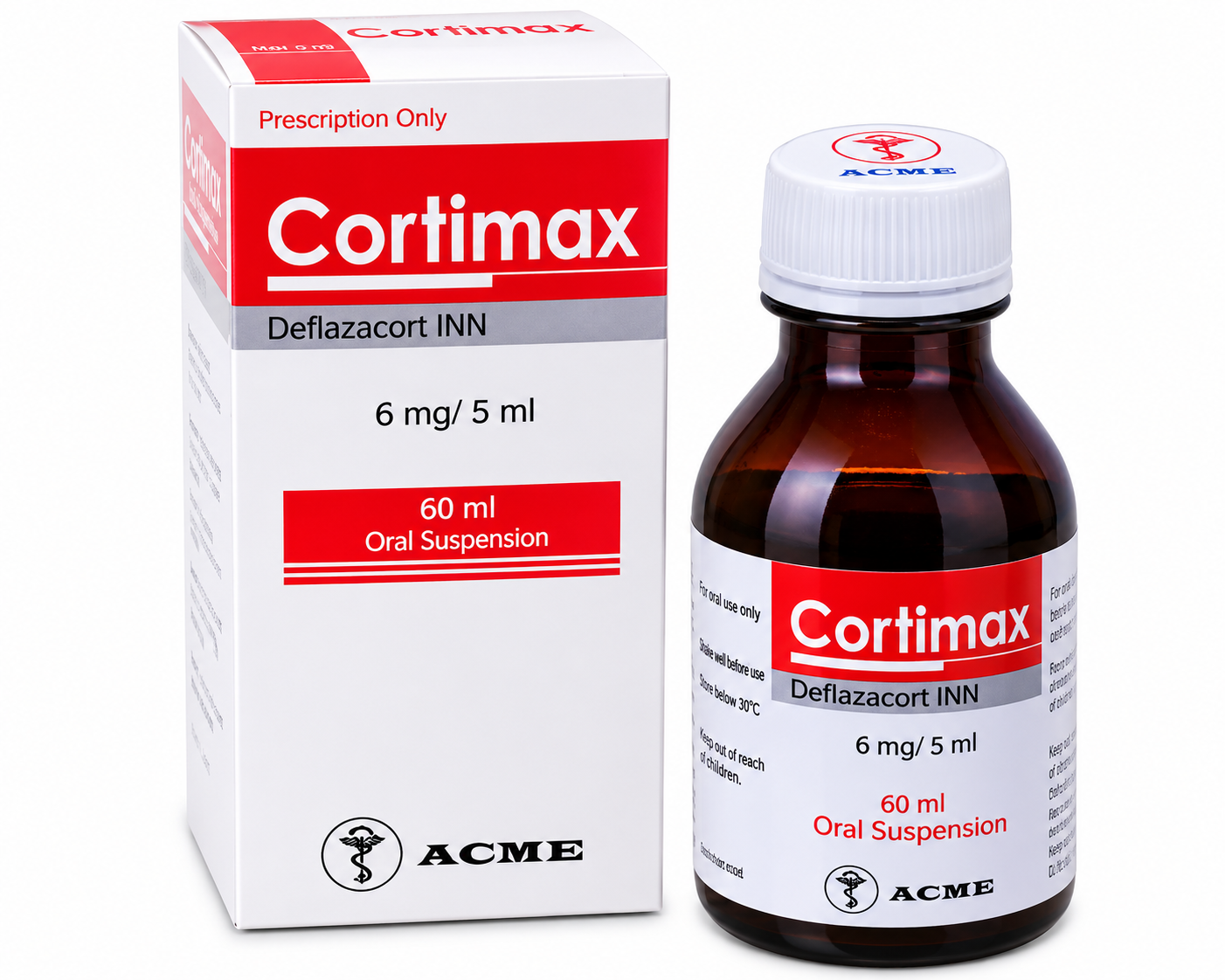
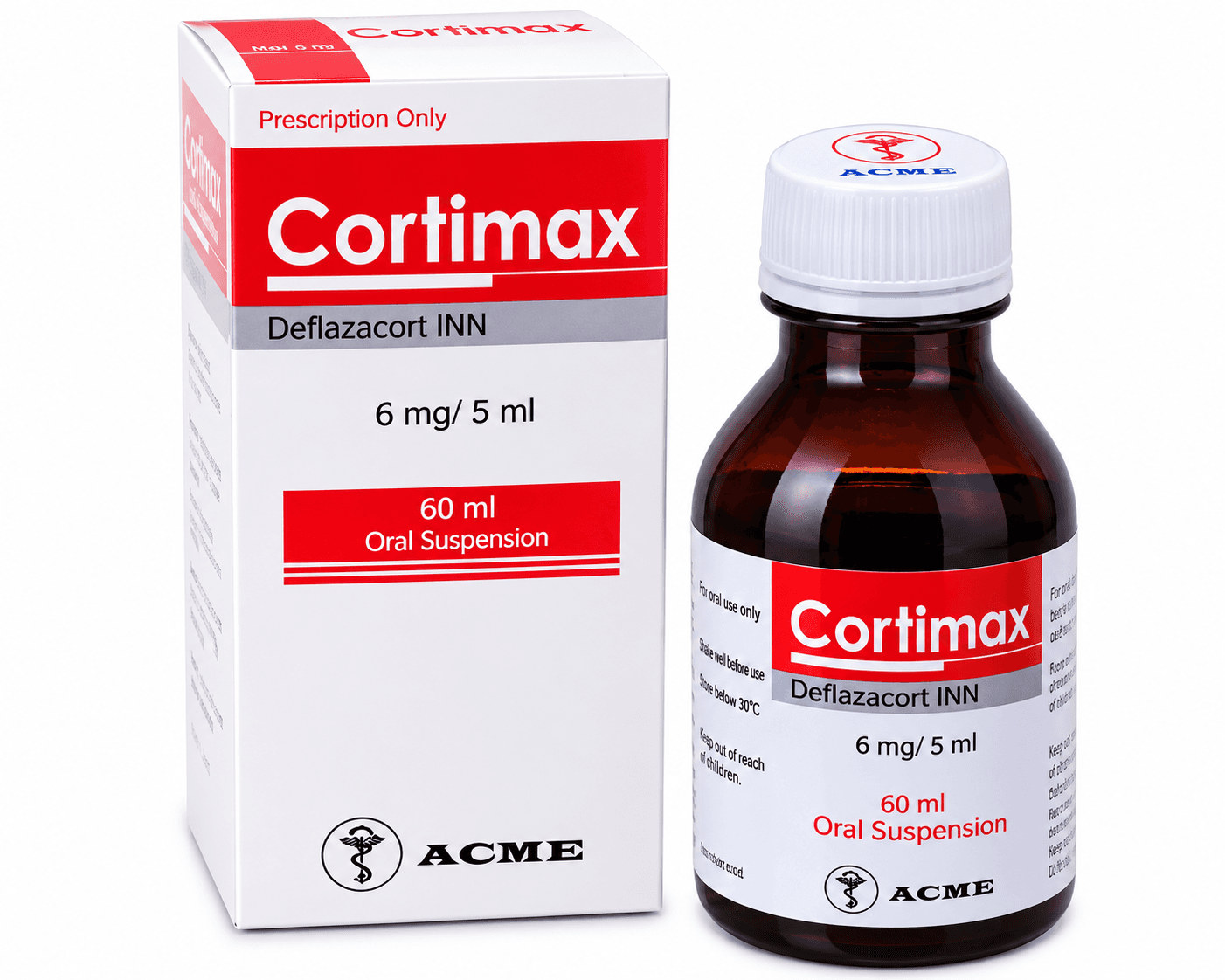
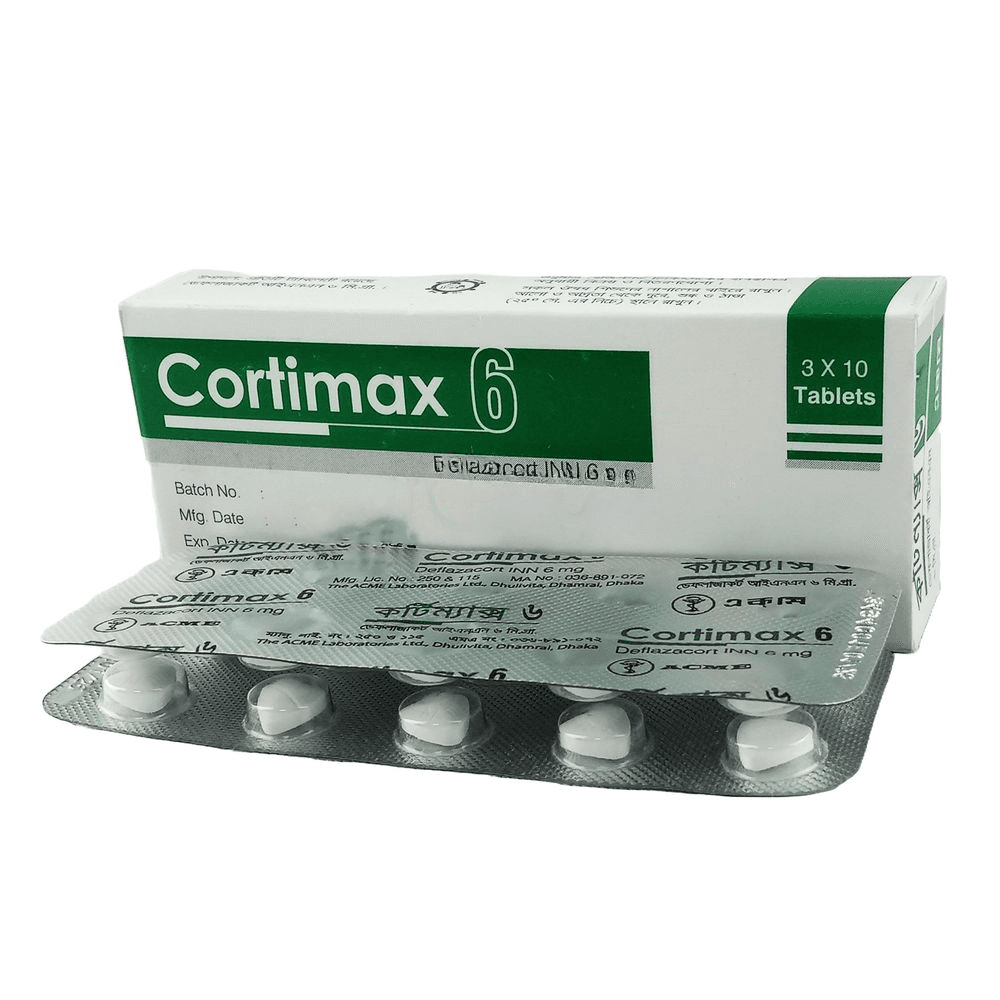
Indications
Cortimax is used to treat a wide range of inflammatory and autoimmune conditions, including:
- Severe allergic reactions (anaphylaxis), asthma, and severe hypersensitivity.
- Joint and muscle conditions like rheumatoid arthritis, juvenile chronic arthritis, and polymyalgia rheumatica.
- Autoimmune diseases such as systemic lupus erythematosus (SLE), dermatomyositis, mixed connective tissue disease, polyarteritis nodosa, and sarcoidosis.
- Severe skin diseases like pemphigus, bullous pemphigoid, and pyoderma gangrenosum.
- Kidney conditions such as minimal change nephrotic syndrome and acute interstitial nephritis.
- Heart inflammation caused by rheumatic fever (rheumatic carditis).
- Inflammatory bowel diseases like ulcerative colitis and Crohn's disease.
- Eye conditions like uveitis and optic neuritis.
- Blood disorders including autoimmune hemolytic anemia and idiopathic thrombocytopenic purpura (ITP).
- Cancers such as acute and lymphatic leukemia, malignant lymphoma, and multiple myeloma.
- Suppressing the immune system after organ transplantation.
- Take medicine only as advised by a registered physician.
Pharmacology
Deflazacort reduces inflammation by blocking the Phospholipase A2 enzyme, which is responsible for producing prostaglandins (chemicals that cause swelling and pain). It also lowers the release of certain immune system chemicals, providing an immunosuppressive effect that helps calm an overactive immune response.
Dosage & Administration
- Adults:
- Acute disorders: Medical supervision is required to determine the appropriate initial and maintenance dosing ranges.
- Rheumatoid arthritis: The dosage is individualized based on clinical response, utilizing the lowest effective amount.
- Bronchial asthma: Dosing is adjusted according to the severity of the condition and tailored for optimal symptom control.
- Other conditions: The treatment regimen is titrated to the lowest effective maintenance dose as determined by a healthcare provider.
- Children: Clinical data for pediatric use is limited, and any administration requires careful evaluation by a physician to establish a safe and effective regimen tailored to the child's specific needs.
- Corticosteroid withdrawal: Discontinuing systemic corticosteroids after prolonged use requires a gradual reduction under medical supervision to ensure safety and prevent potential health complications.
- Take medicine only as advised by a registered physician.
Interaction
Cortimax is processed in the liver.
- Liver enzyme inducers: Medicines like rifampicin, rifabutin, carbamazepine, phenobarbitone, phenytoin, primidone, and aminoglutethimide speed up how the liver breaks down Cortimax, which may influence how the medication is managed by a physician.
- Liver enzyme inhibitors: Medicines like ketoconazole slow down its breakdown, which is a factor healthcare providers consider when evaluating treatment plans.
Contraindications
Do not use this medicine in patients who are allergic to Deflazacort or any of its ingredients, or in patients receiving live virus vaccines.
Side Effects
Possible side effects include stomach upset, muscle and bone weakness, hormone changes, mood or mental changes, eye problems, fluid and salt imbalances, higher risk of infections, slow wound healing, allergic reactions, thinning of the skin, stretch marks, visible small blood vessels, acne, heart muscle rupture after a recent heart attack, and blood clots (thromboembolism).
Pregnancy & Lactation
- Pregnancy: Deflazacort crosses the placenta. Repeated or long-term use of corticosteroids during pregnancy may increase the risk of slow baby growth in the womb. It should be prescribed during pregnancy only when the benefits to the mother and baby clearly outweigh the risks.
- Nursing Mother: Corticosteroids pass into breast milk, though specific data for Deflazacort is unavailable. Medical evaluation is necessary to assess the safety and risks associated with breastfeeding while using this medication.
Precautions & Warnings
Special caution and frequent medical monitoring are required in patients with:
- Heart disease, heart failure (except active rheumatic carditis), high blood pressure, or blood clotting disorders. Because glucocorticoids can cause salt and water retention and potassium loss, a low-salt diet and potassium supplements may be needed.
- Stomach inflammation (gastritis), esophagus inflammation, diverticulitis, ulcerative colitis with risk of perforation, pus-filled infections, recent intestinal surgery, or active/past stomach ulcers.
- Diabetes (or family history of diabetes), weak bones (osteoporosis), muscle weakness (myasthenia gravis), or kidney problems.
- Emotional instability, mental health conditions, or epilepsy (seizures).
- Past muscle weakness caused by steroids, liver failure, underactive thyroid (hypothyroidism), or liver cirrhosis (which can increase steroid effects).
- Eye herpes infection (ocular herpes simplex), due to the risk of corneal perforation.
Use in Special Populations
- Hepatic Impairment: Liver problems can affect how Cortimax is processed in the body, so the usage and monitoring should be managed carefully under medical guidance.
- Renal Impairment: Patients with kidney problems need the same standard monitoring as any patient taking steroid therapy.
- Elderly: Older adults need standard steroid precautions, as common steroid side effects can have more serious consequences in old age.
Therapeutic Class
Glucocorticoids
Storage Conditions
Store in a cool (below 25°C) and dry place, protected from light and moisture. Keep out of the reach of children.