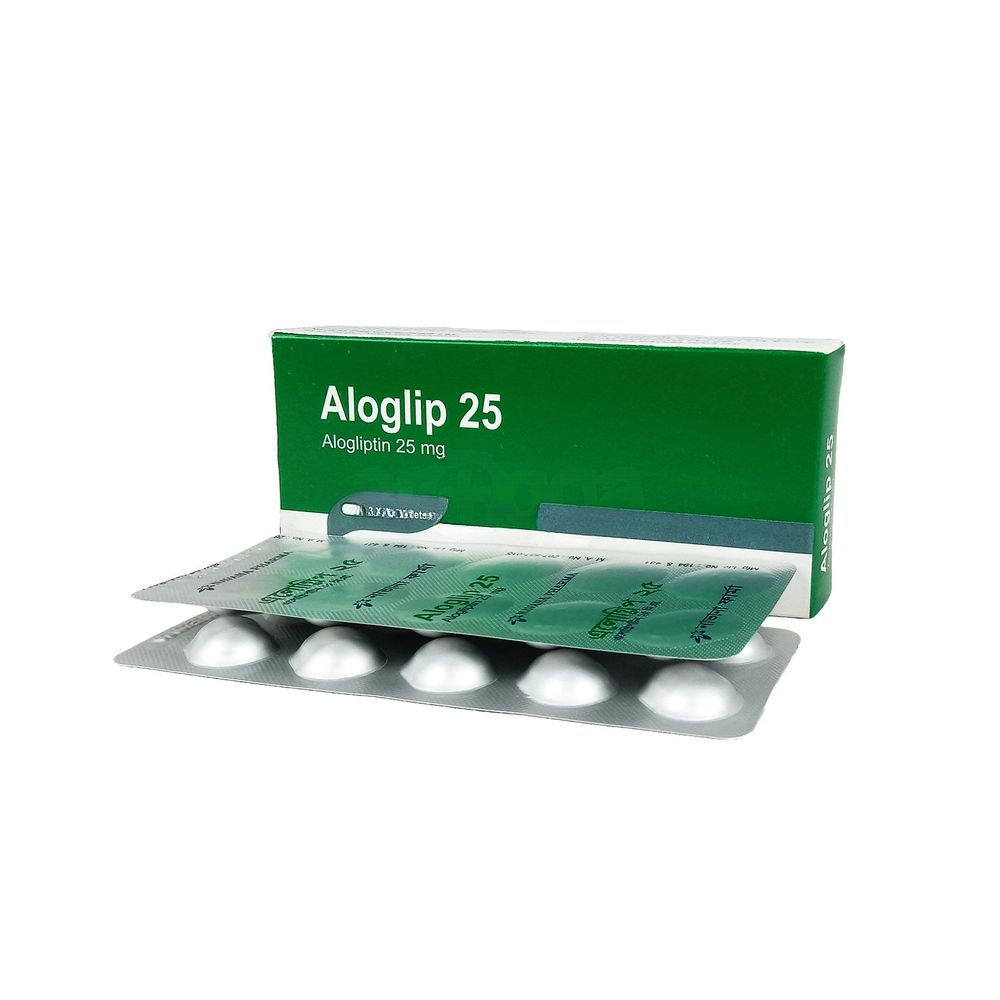
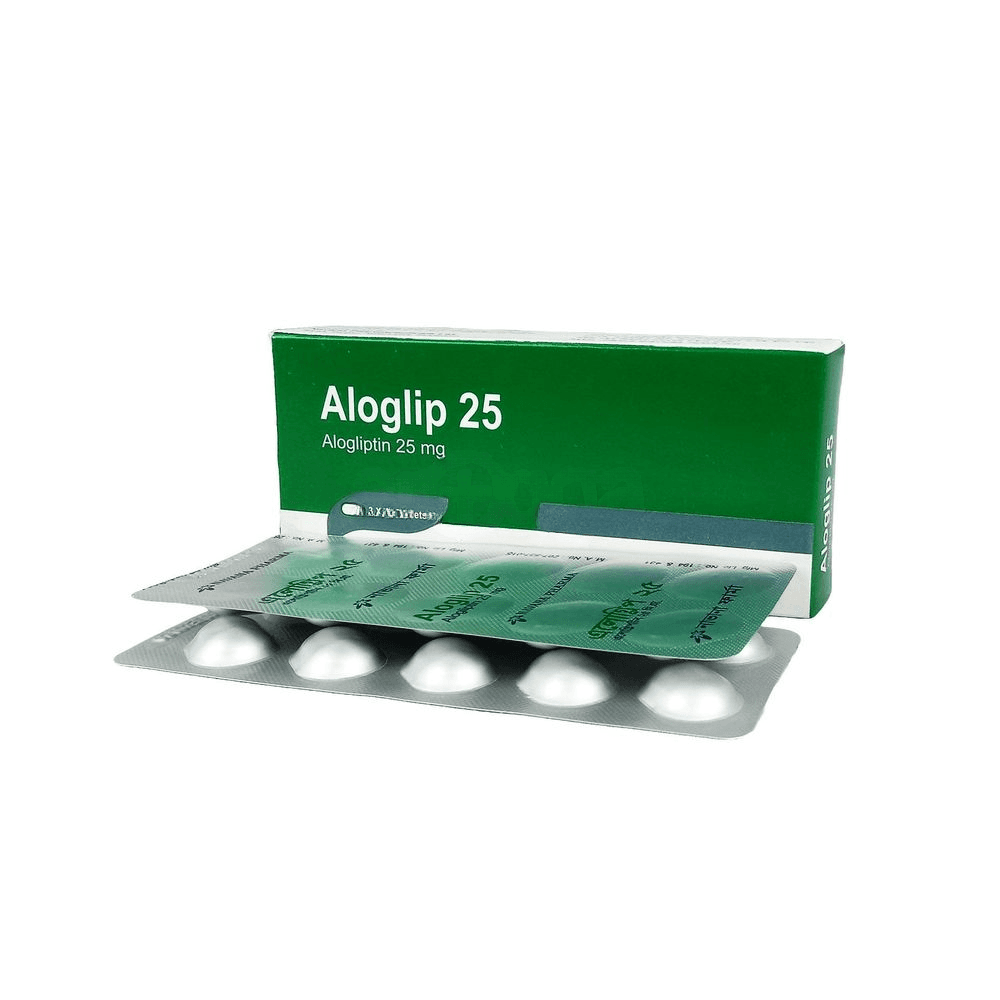
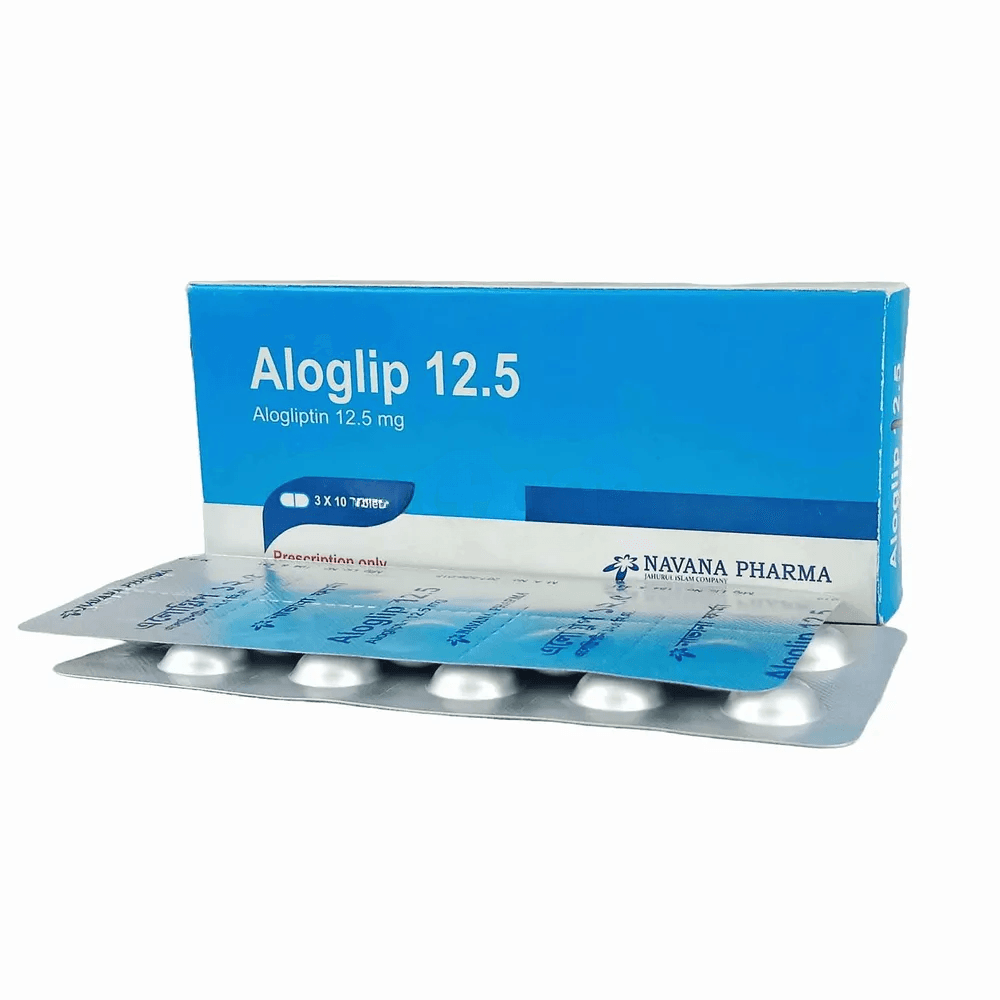
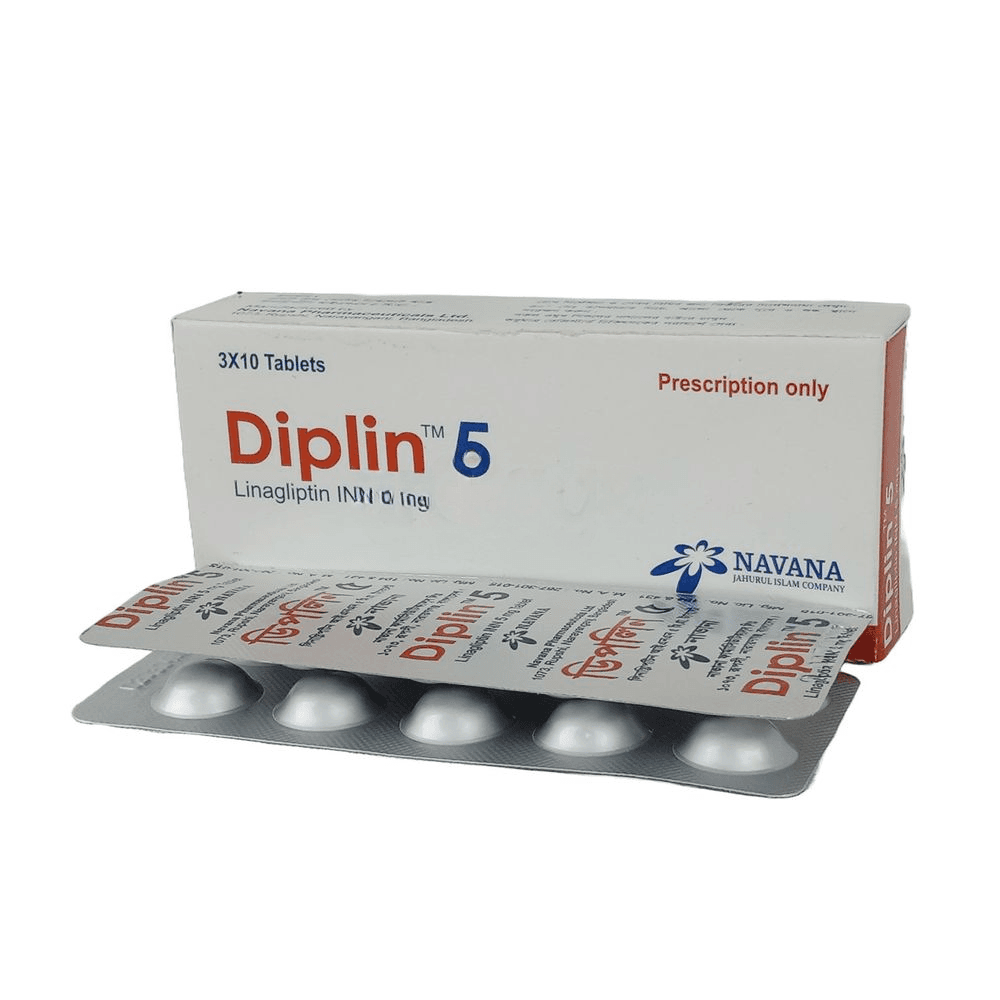
Aloglip (Alogliptin) is an oral antidiabetic medication belonging to the DPP-4 inhibitor class, used as an adjunct to diet and exercise to improve blood glucose control in adults with Type 2 Diabetes Mellitus.
Indications
- Type 2 Diabetes Mellitus
- Improves glycemic control when used along with diet and exercise
- May be used alone or in combination with other antidiabetic therapies as prescribed
Pharmacology
Alogliptin inhibits the enzyme DPP-4 (Dipeptidyl Peptidase-4), resulting in:
- Increased levels of incretin hormones (GLP-1 and GIP)
- Enhanced glucose-dependent insulin secretion
- Reduced glucagon release from the pancreas
- Decreased hepatic glucose production
- Improved fasting and post-meal blood glucose control
Dosage & Administration
Adults with normal or mild renal impairment:
Renal Impairment Dose Adjustment:
- Mild impairment (CrCl ≥60 mL/min): No adjustment required
- Moderate impairment (CrCl 30 to <60 mL/min): 12.5 mg once daily
- Severe impairment (CrCl 15 to <30 mL/min): 6.25 mg once daily
- ESRD or hemodialysis patients: 6.25 mg once daily
Can be taken with or without food.
Side Effects
Common side effects include:
- Nasopharyngitis
- Headache
- Upper respiratory tract infection
Contraindications
- Hypersensitivity to Alogliptin
- History of serious allergic reactions such as:
- Anaphylaxis
- Angioedema
- Severe skin reactions
Precautions & Warnings
- Discontinue immediately if pancreatitis is suspected.
- Serious hypersensitivity reactions may occur.
- Use cautiously in patients with liver disease.
- Monitor for signs of hepatic injury.
- Risk of hypoglycemia may increase when used with insulin or sulfonylureas.
Pregnancy & Lactation
- Pregnancy Category B
- Use during pregnancy only if clearly needed.
- Caution is advised during breastfeeding.
Drug Interactions
- No clinically significant drug interactions have been reported.
- Minimal CYP450 metabolism involvement reduces the risk of drug-drug interactions.