Search products by name
Search medicines by name
0
0 item
৳ ০.০০
আপনার সব স্বাস্থ্যসেবার সমাধান — এখন এক জায়গাতেই


১০৬৫৭
info@shukhee.com
টেলিকম ভবন, ৫৩/১, বক্স নগর, ঢাকা-১২১৬
৳ ০.০০
১০৬৫৭
info@shukhee.com
টেলিকম ভবন, ৫৩/১, বক্স নগর, ঢাকা-১২১৬


Products

Payment

Delivery
Imeglimin's mechanism of action involves dual effects:
· Amplification of glucose-stimulated insulin secretion (GSIS) and preservation of ß-cell mass; and
. Enhanced insulin action, including the potential for inhibition of hepatic glucose output and improvement in insulin signalling in both liver and skeletal muscle.
Imeglimin's mechanism of action involves dual effects: (a) amplification of glucose-stimulated insulin secretion (GSIS) and preservation of ß-cell mass; and (b) enhanced insulin action,
including the potential for inhibition of hepatic glucose output and improvement in insulin signalling in both liver and skeletal muscle. At a cellular and molecular level, Imeglimin's
underlying mechanism may involve correction of mitochondrial dysfunction, a common underlying element of T2D pathogenesis. It has been observed to rebalance respiratory chain
activity (partial inhibition of Complex I and correction of deficient Complex III activity), resulting in reduced reactive oxygen species formation (decreasing oxidative stress) and
prevention of mitochondrial permeability transition pore opening (implicated in preventing cell death). In islets derived from diseased rodents with T2D, Imeglimin also enhances
glucose-stimulated ATP generation and induces the synthesis of nicotinamide adenine dinucleotide (NAD+) via the 'salvage pathway'. In addition to playing a key role as a mitochondrial
co-factor, NAD+ metabolites may contribute to the increase in GSIS (via enhanced Ca++ mobilization). Imeglimin has also been shown to preserve ß-cell mass in rodents with T2D.
Overall, Imeglimin appears to target a key root cause of T2D: defective cellular energy metabolism. This potential mode of action is unique and has been shown to differ from that of
other major therapeutic classes, including biguanides, sulphonylureas and glucagon-like peptide-1 receptor agonists.
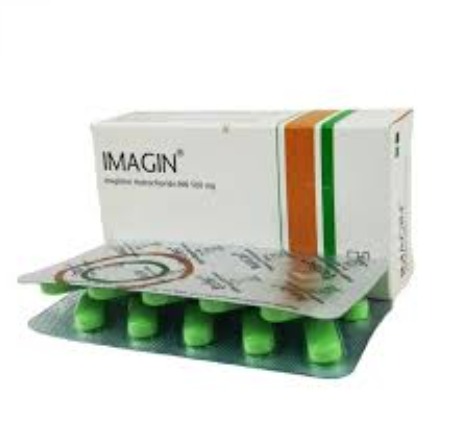
Imeglimin Hydrochloride is a novel oral antidiabetic medication developed for the treatment of Type 2 Diabetes Mellitus. It belongs to a new class of drugs called “glimins”, which act through a unique mechanism targeting three key defects in type 2 diabetes:
Insulin resistance (helps the body use insulin more effectively).
Insulin secretion (supports pancreatic beta-cell function).
Glucose metabolism (improves mitochondrial function to regulate energy balance).
Imeglimin is considered a first-in-class therapy, offering a new option for patients who need better blood sugar control, especially when standard treatments like metformin, sulfonylureas, or DPP-4 inhibitors are insufficient.
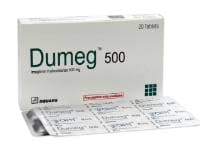
Triple mechanism of action: Improves insulin sensitivity, enhances insulin secretion, and regulates glucose metabolism through mitochondrial function.
Better blood sugar control: Helps reduce fasting and post-meal glucose levels in patients with type 2 diabetes.
Beta-cell protection: Supports pancreatic beta-cell function, potentially slowing disease progression.
Combination therapy: Can be used alone or with other antidiabetic drugs (like metformin, DPP-4 inhibitors, or insulin) for improved outcomes.
Well tolerated: Clinical studies suggest fewer gastrointestinal side effects compared to some older antidiabetic drugs.
Novel option: Provides an alternative for patients who do not respond adequately to existing therapies.