Search products by name
Search medicines by name
0
0 item
৳ ০.০০
আপনার সব স্বাস্থ্যসেবার সমাধান — এখন এক জায়গাতেই


১০৬৫৭
info@shukhee.com
টেলিকম ভবন, ৫৩/১, বক্স নগর, ঢাকা-১২১৬
৳ ০.০০
১০৬৫৭
info@shukhee.com
টেলিকম ভবন, ৫৩/১, বক্স নগর, ঢাকা-১২১৬

Products

Payment

Delivery
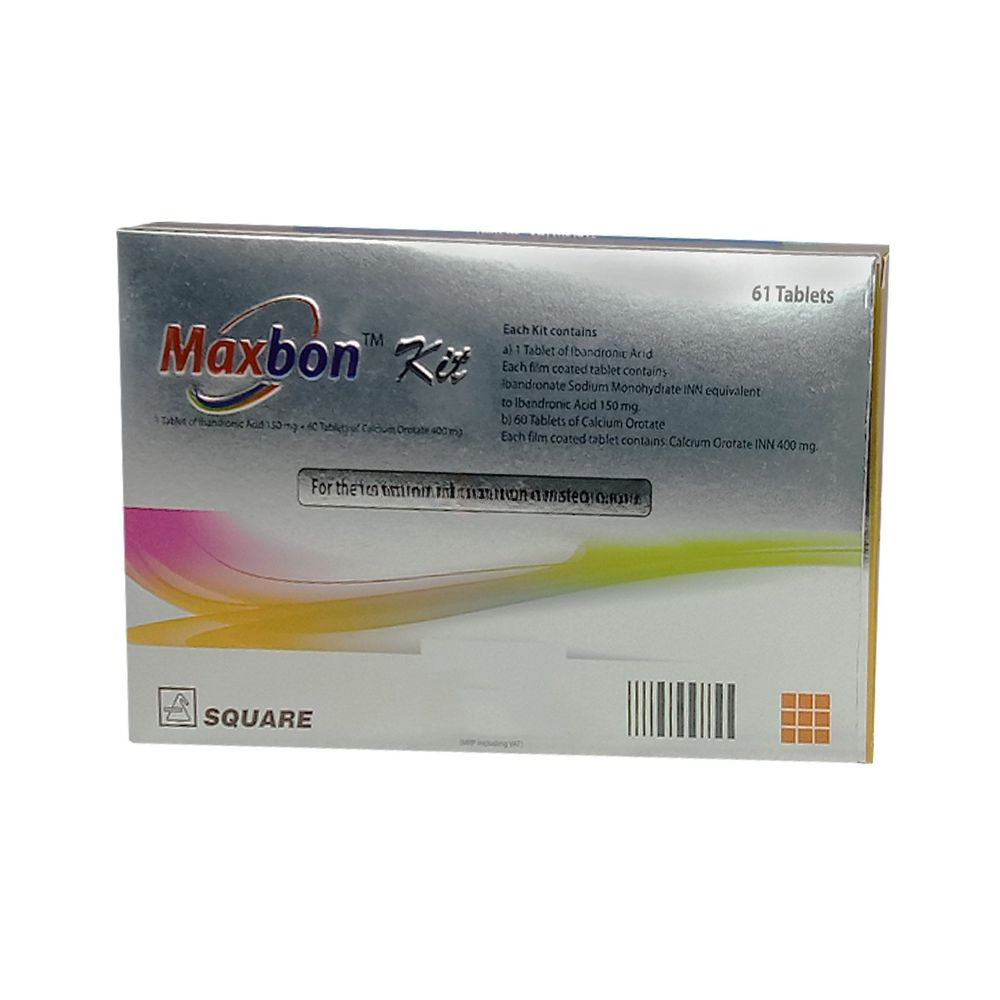
Treatment & Prevention of Osteoporosis in women after menopause
To maximize absorption and clinical benefit, Ibandronic acid should be taken at least 60 minutes before the first food or drink (other than water) of the day or before taking any oral medication or supplementation, including calcium, antacids, or vitamins.\r\nIbandronic acid tablets should be swallowed whole with a full glass of plain water (6 to 8 oz) while the patient is standing or sitting in an upright position. \r\nPatients should not lie down for 60 minutes after taking Ibandronic acid. \r\nPatients should not eat, drink anything except water, or take other medications for at least 60 minutes after taking Ibandronic acid. \r\nPatients should not chew or suck the tablet because of a potential for oropharyngeal ulceration.
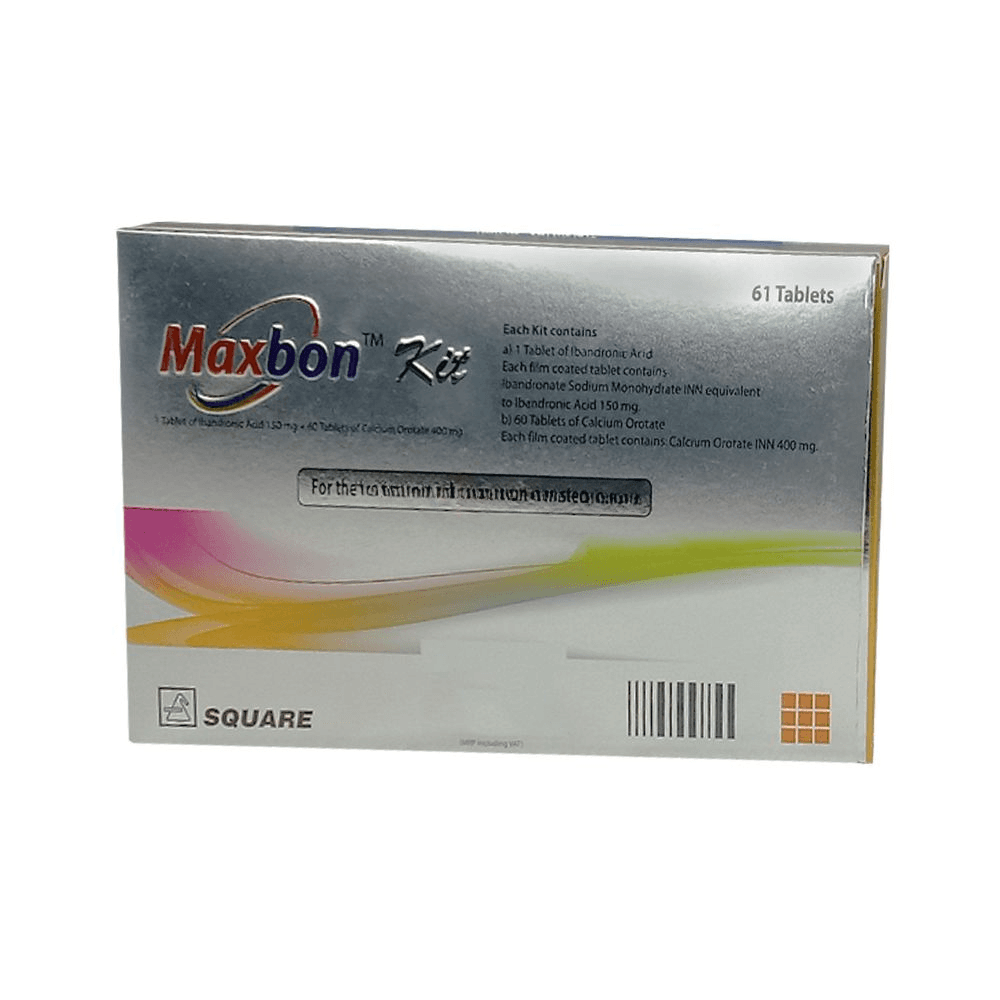
1 tablet of ibandronic acid 150 mg once monthly on the same date of each month is recommended.\r\nTo maximize clinical benefit of ibandronic acid 2 tablets of Calcium Orotate 400mg per day usually recommended in divided dosage.
Ibandronic acid:\r\nAbnormalities of the esophagus, which delay esophageal emptying\r\nInability to stand or sit upright for at least 60 minutes \r\nHypocalcaemia \r\nKnown hypersensitivity to Ibandronic acid or to any of its excipients\r\n\r\nCalcium orotate:\r\nKidney stone\r\nKidney disease\r\nSarcoidosis\r\nIncreased activity of the parathyroid gland\r\nHigh amount of calcium in urine\r\nHigh amount of calcium in the blood\r\nExtreme loss of body water
Ibandronic Acid (Ibandronate Sodium Monohydrate) is a nitrogen-containing bisphosphonate that inhibits osteoclast-mediated bone resorption. The action of Ibandronate on bone tissue is based on its affinity for hydroxyapatite, which is part of the mineral matrix of bone. Ibandronate inhibits osteoclast activity and reduces bone resorption and turnover. In postmenopausal women, it reduces the elevated rate of bone turnover, leading to, on average, a net gain in bone mass.\r\n\r\nCalcium Orotate, a calcium supplement with a functional amino acid chelating ligand - orotic acid. Orotic acid assists the transport of calcium through cellular membrane structures, facilitating the intracellular uptake of calcium, particularly in bone. Calcium Orotate also helps in the maintenance of healthy cartilage. Furthermore, Orotate is involved in the synthesis of DNA (deoxyribonucleic acid) and RNA (ribonucleic acid). Calcium Orotate has the ability to penetrate complex cell membranes and it can be metabolized in cartilage.
$4e
Ibandronic acid:\r\nFlu-like symptoms (e.g. myalgia, arthralgia, fever, chills, fatigue, nausea, loss of appetite, bone pain), atypical fractures, osteonecrosis of the jaw, ocular inflammation, acute renal failure, hypocalcaemia, musculoskeletal pain. Rarely, anaemia, bronchospasm, taste disturbance, paraesthesia, uraemia; transient fever (IV); abdominal pain, dyspepsia, severe oesophageal reactions (oral).)\r\nPotentially Fatal: Anaphylactic reaction/shock.\r\n\r\nCalcium orotate:\r\nBloating and swelling in the abdomen are common side effects of Calcium Orotate. Constipation, nausea, vomiting, headache, increased thirst/urination, may occur infrequently.
Ibandronic Acid: Products containing calcium and other multivalent cations (such as Aluminum, Magnesium, Iron etc.), including milk, food, and antacids are likely to interfere with absorption of ibandronate. It is also found to interact with H2 blockers such as Ranitidine in several clinical trials.\r\n\r\nCalcium can decrease absorption of the following drugs when taken together- biphosphonates (e.g. alendronates), quinolone antibiotics (e.g. ciprofloxacin, levofloxacin) and tetracycline antibiotics (e.g. doxycycline, minocycline), levothyroxine, phenytoin (anticonvulsant), and tiludronate disodium (to treat Paget's disease). Thiazide-type diuretics can interact with calcium supplements, increasing the risks of hypercalcemia and hypercalciuria.
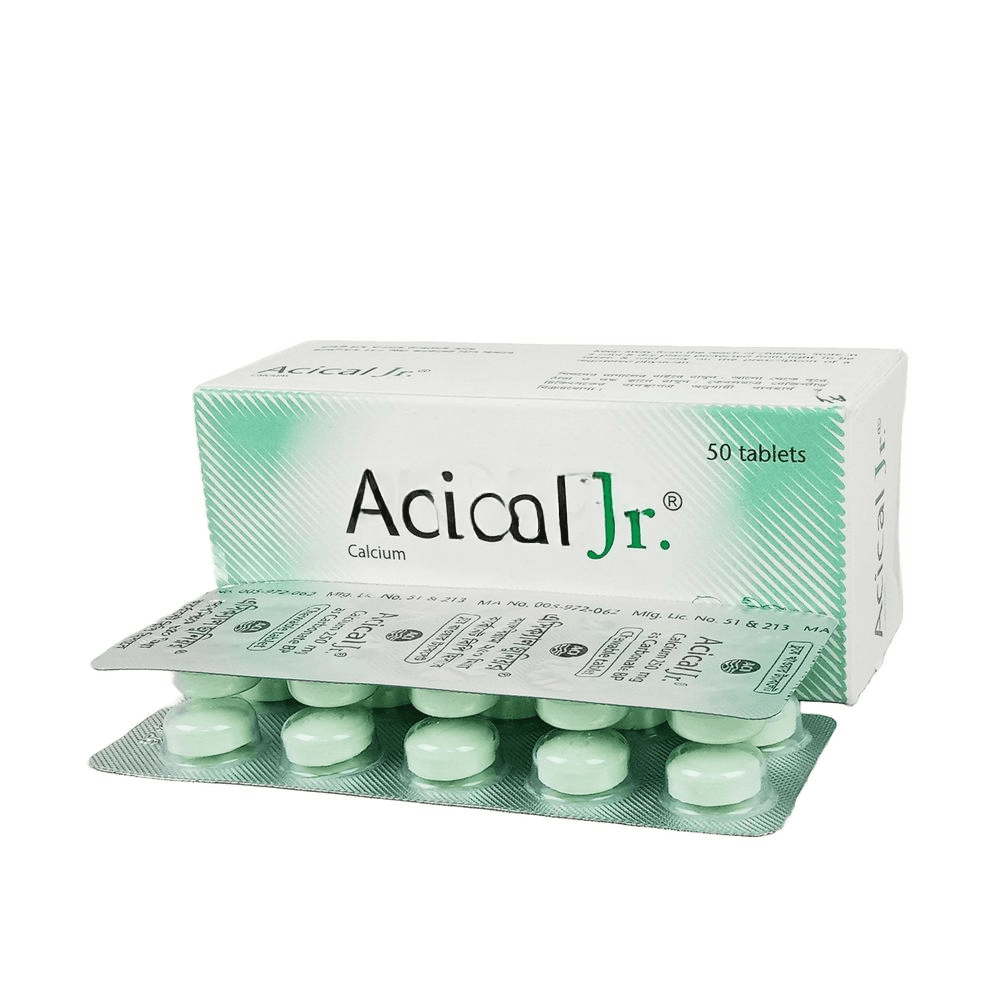
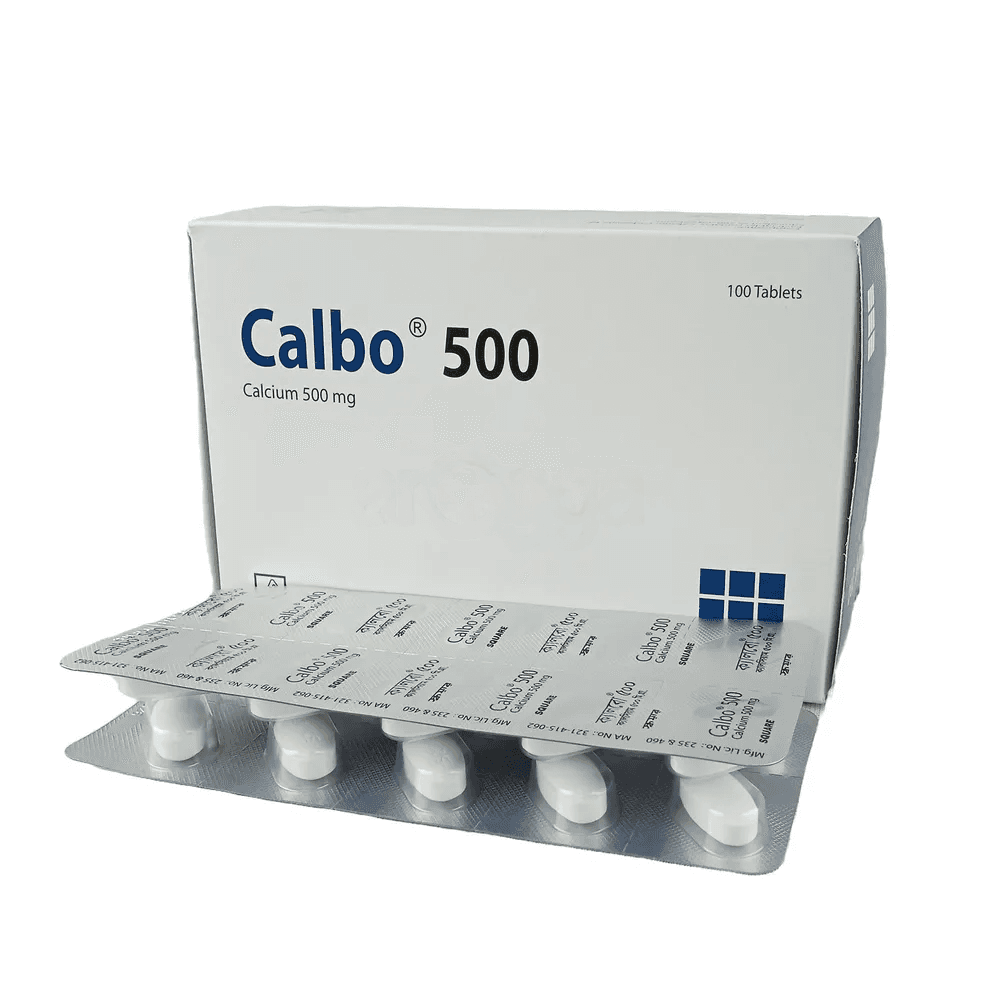
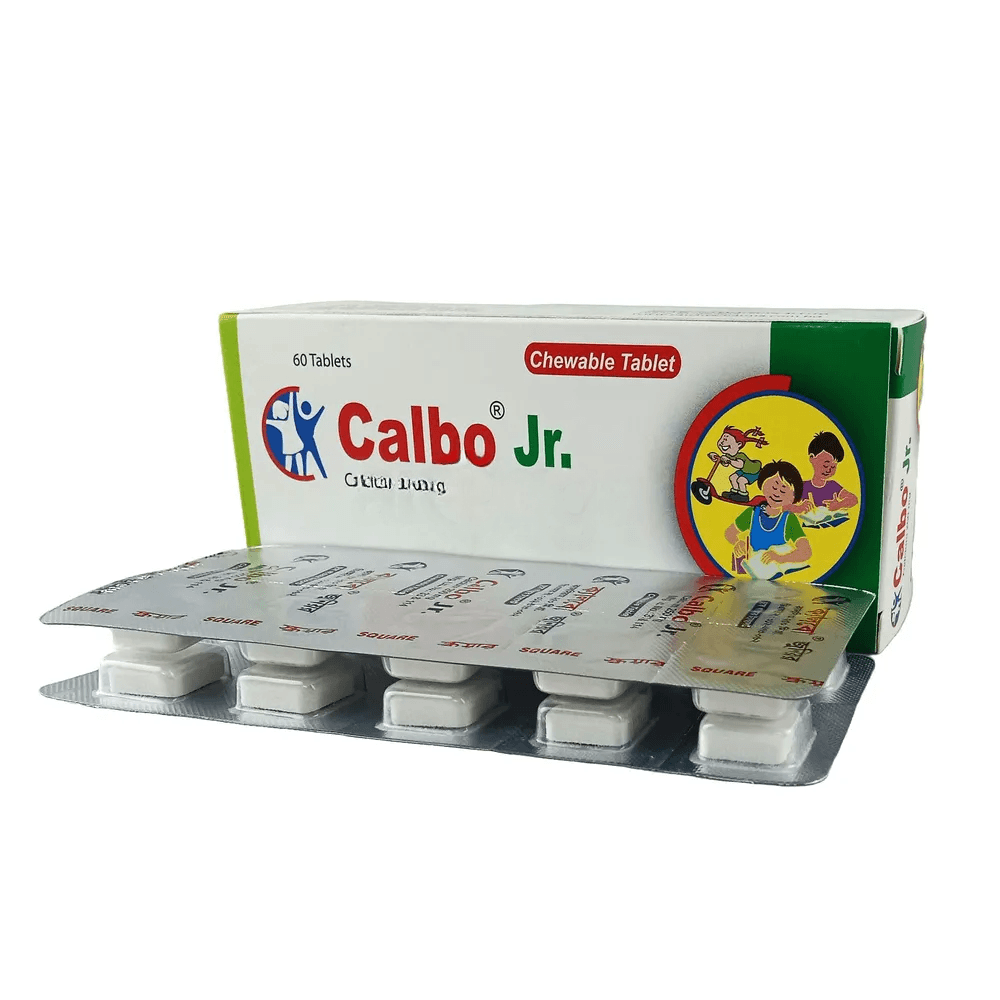
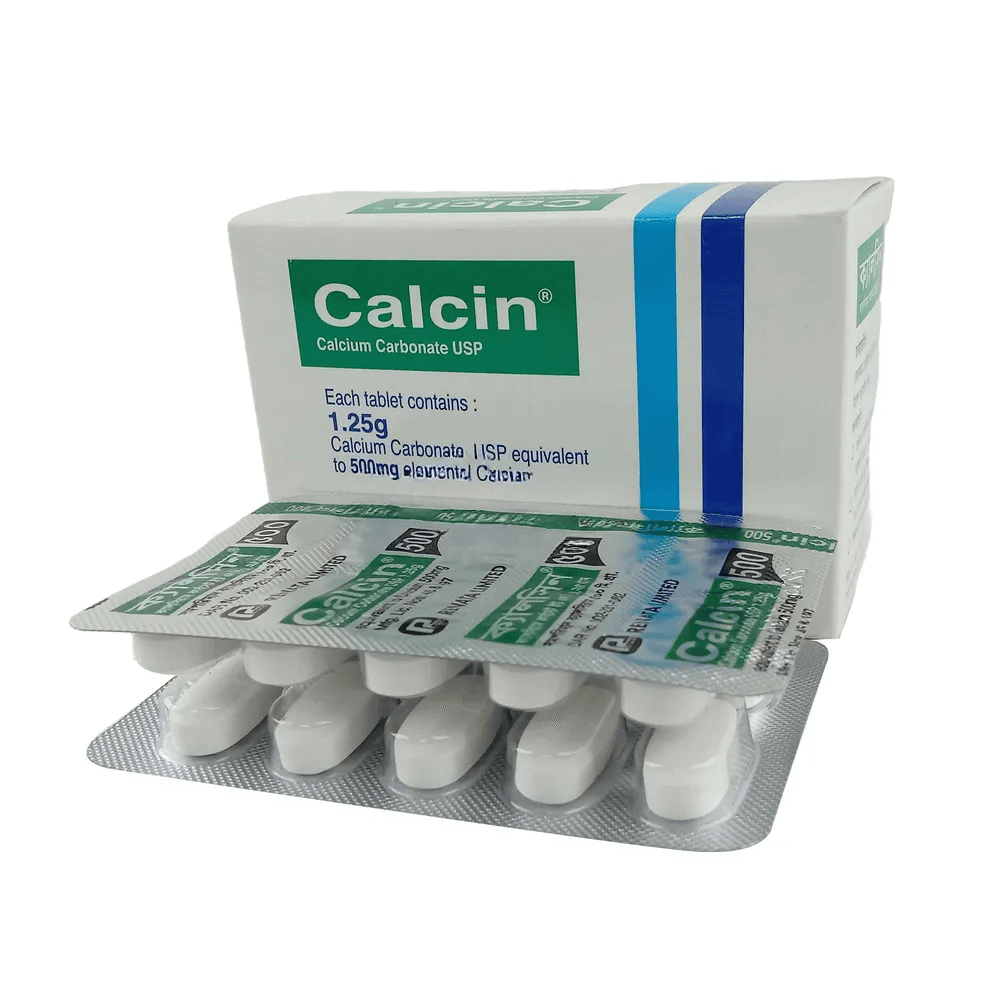
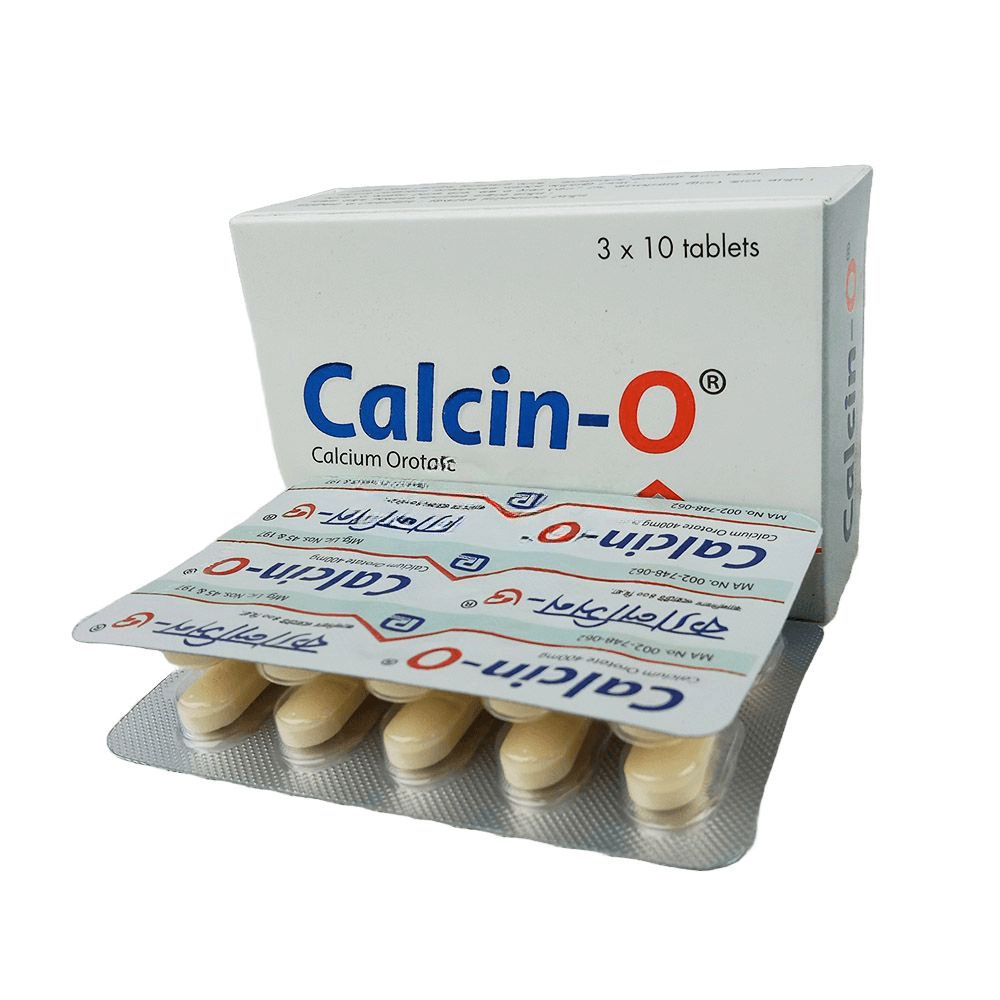
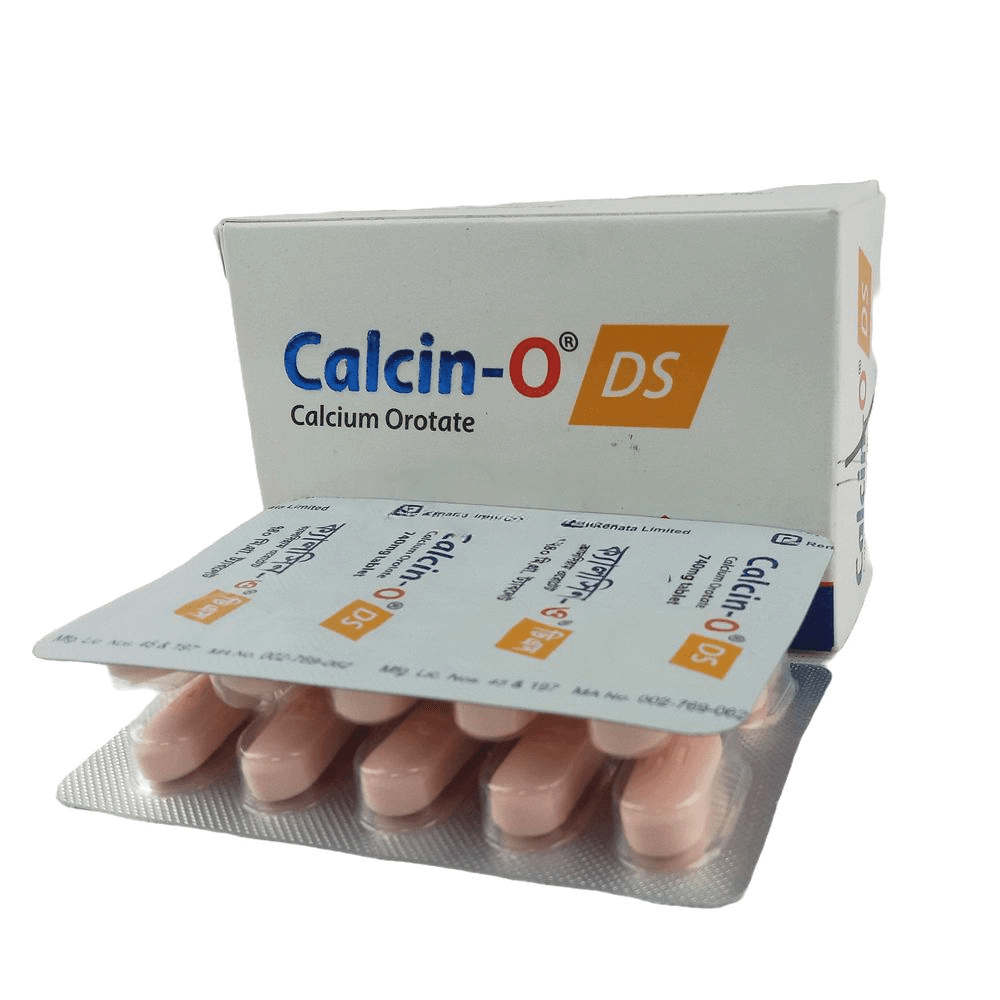
Treatment & Prevention of Osteoporosis in women after menopause
To maximize absorption and clinical benefit, Ibandronic acid should be taken at least 60 minutes before the first food or drink (other than water) of the day or before taking any oral medication or supplementation, including calcium, antacids, or vitamins.\r\nIbandronic acid tablets should be swallowed whole with a full glass of plain water (6 to 8 oz) while the patient is standing or sitting in an upright position. \r\nPatients should not lie down for 60 minutes after taking Ibandronic acid. \r\nPatients should not eat, drink anything except water, or take other medications for at least 60 minutes after taking Ibandronic acid. \r\nPatients should not chew or suck the tablet because of a potential for oropharyngeal ulceration.
1 tablet of ibandronic acid 150 mg once monthly on the same date of each month is recommended.\r\nTo maximize clinical benefit of ibandronic acid 2 tablets of Calcium Orotate 400mg per day usually recommended in divided dosage.
Ibandronic acid:\r\nAbnormalities of the esophagus, which delay esophageal emptying\r\nInability to stand or sit upright for at least 60 minutes \r\nHypocalcaemia \r\nKnown hypersensitivity to Ibandronic acid or to any of its excipients\r\n\r\nCalcium orotate:\r\nKidney stone\r\nKidney disease\r\nSarcoidosis\r\nIncreased activity of the parathyroid gland\r\nHigh amount of calcium in urine\r\nHigh amount of calcium in the blood\r\nExtreme loss of body water
Ibandronic Acid (Ibandronate Sodium Monohydrate) is a nitrogen-containing bisphosphonate that inhibits osteoclast-mediated bone resorption. The action of Ibandronate on bone tissue is based on its affinity for hydroxyapatite, which is part of the mineral matrix of bone. Ibandronate inhibits osteoclast activity and reduces bone resorption and turnover. In postmenopausal women, it reduces the elevated rate of bone turnover, leading to, on average, a net gain in bone mass.\r\n\r\nCalcium Orotate, a calcium supplement with a functional amino acid chelating ligand - orotic acid. Orotic acid assists the transport of calcium through cellular membrane structures, facilitating the intracellular uptake of calcium, particularly in bone. Calcium Orotate also helps in the maintenance of healthy cartilage. Furthermore, Orotate is involved in the synthesis of DNA (deoxyribonucleic acid) and RNA (ribonucleic acid). Calcium Orotate has the ability to penetrate complex cell membranes and it can be metabolized in cartilage.
Esophageal Health: Ibandronic acid can cause severe irritation in the food pipe. You must stay upright (sitting or standing) for at least 60 minutes after taking it.
Empty Stomach: Take the medication first thing in the morning with a full glass of plain water, at least 60 minutes before any food, drink, or other medications.
Kidney Function: Not recommended for patients with severe kidney impairment. Regular kidney function tests may be required.
Jaw Bone Issues: Maintain good oral hygiene. In rare cases, "Osteonecrosis of the jaw" can occur; inform your dentist before any dental surgery.
Calcium Levels: Existing low blood calcium (hypocalcemia) must be treated before starting this medication.
Mineral Interference: Do not take other supplements or antacids containing magnesium, aluminum, or iron at the same time, as they block absorption.
Atypical Fractures: Report any new or unusual thigh, hip, or groin pain to your doctor immediately.
Avoid Lying Down: Do not lie down until you have eaten your first meal of the day to prevent acid reflux and esophageal damage.
Pregnancy/Nursing: This combination is generally not recommended during pregnancy or breastfeeding unless specifically advised by a specialist.
Vitamin D: Ensure adequate Vitamin D intake, as calcium absorption depends heavily on it.
Ibandronic acid:\r\nFlu-like symptoms (e.g. myalgia, arthralgia, fever, chills, fatigue, nausea, loss of appetite, bone pain), atypical fractures, osteonecrosis of the jaw, ocular inflammation, acute renal failure, hypocalcaemia, musculoskeletal pain. Rarely, anaemia, bronchospasm, taste disturbance, paraesthesia, uraemia; transient fever (IV); abdominal pain, dyspepsia, severe oesophageal reactions (oral).)\r\nPotentially Fatal: Anaphylactic reaction/shock.\r\n\r\nCalcium orotate:\r\nBloating and swelling in the abdomen are common side effects of Calcium Orotate. Constipation, nausea, vomiting, headache, increased thirst/urination, may occur infrequently.
Ibandronic Acid: Products containing calcium and other multivalent cations (such as Aluminum, Magnesium, Iron etc.), including milk, food, and antacids are likely to interfere with absorption of ibandronate. It is also found to interact with H2 blockers such as Ranitidine in several clinical trials.\r\n\r\nCalcium can decrease absorption of the following drugs when taken together- biphosphonates (e.g. alendronates), quinolone antibiotics (e.g. ciprofloxacin, levofloxacin) and tetracycline antibiotics (e.g. doxycycline, minocycline), levothyroxine, phenytoin (anticonvulsant), and tiludronate disodium (to treat Paget's disease). Thiazide-type diuretics can interact with calcium supplements, increasing the risks of hypercalcemia and hypercalciuria.
N/A