Search products by name
Search medicines by name
0
0 item
৳ ০.০০
আপনার সব স্বাস্থ্যসেবার সমাধান — এখন এক জায়গাতেই


১০৬৫৭
info@shukhee.com
টেলিকম ভবন, ৫৩/১, বক্স নগর, ঢাকা-১২১৬
৳ ০.০০
১০৬৫৭
info@shukhee.com
টেলিকম ভবন, ৫৩/১, বক্স নগর, ঢাকা-১২১৬

Quantity:

Products

Payment

Delivery
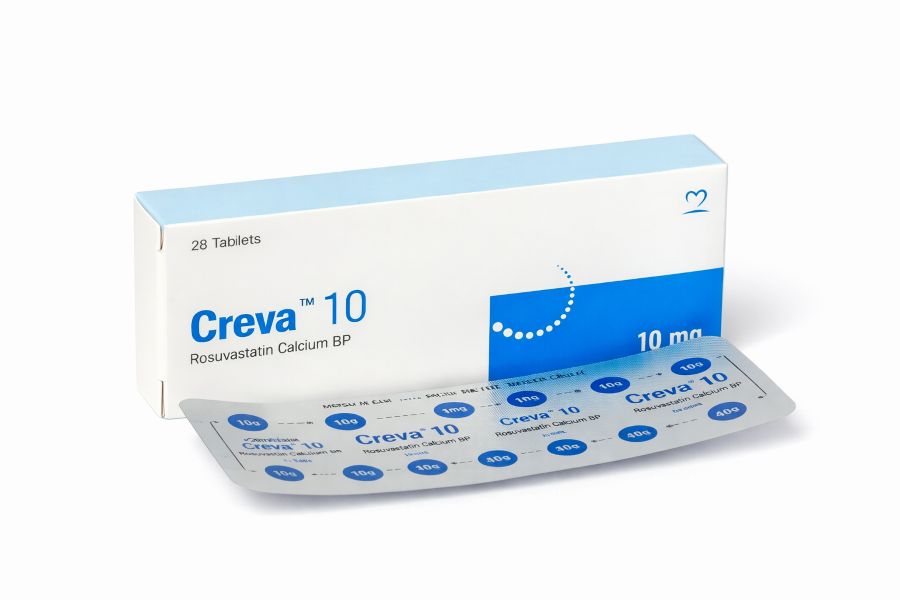
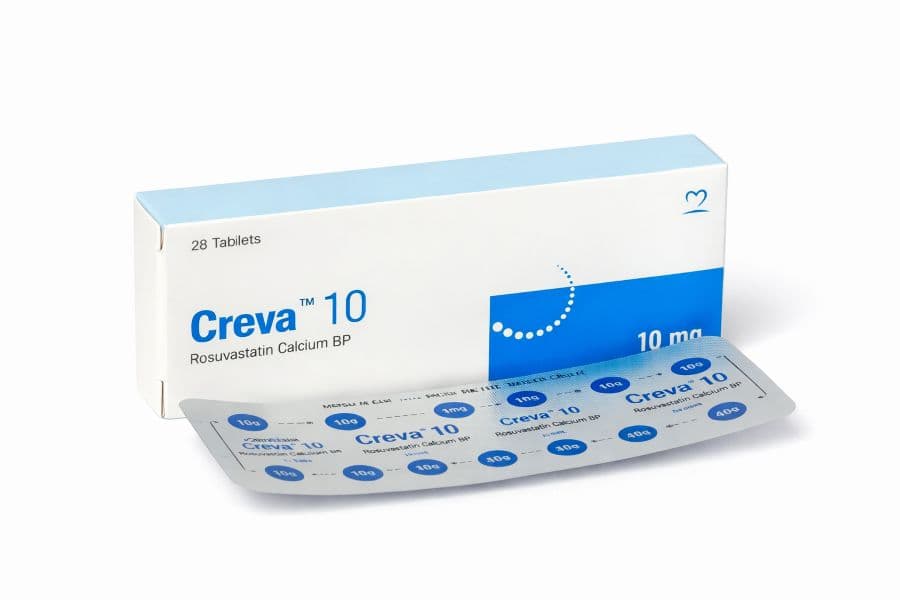
Creva™ 10 belongs to a group of medicines called statins. It is used to lower cholesterol and reduce the risk of heart disease. Cholesterol is a fatty substance that builds up in blood vessels and causes narrowing, which may lead to heart attack or stroke. Creva™ 10 is widely prescribed and regarded as safe for long‑term use. It can be taken with or without food, preferably at the same time each day.
High cholesterol
Prevention of heart attack
Prevention of stroke
Common:
Muscle pain
Weakness
Headache
Abdominal pain
Take this medicine in the dose and duration advised by your doctor. Swallow whole; do not chew, crush or break. May be taken with or without food, but best at a fixed time daily.
Creva™ 10 is a lipid‑lowering medication (statin). It blocks the enzyme HMG‑CoA reductase, reducing cholesterol production. This lowers LDL (“bad” cholesterol) and triglycerides, while raising HDL (“good” cholesterol).
If you miss a dose, take it as soon as possible. If it is almost time for the next dose, skip the missed one. Do not double doses within 12 hours.
Works best with exercise and a low‑fat diet.
May cause mild stomach upset; take with food if needed.
Inform your doctor if you experience muscle pain, weakness, or fatigue.
Liver function tests may be required before and during treatment.
Avoid use in pregnancy and breastfeeding.
Diabetic patients should monitor blood sugar regularly.
Indication:
Hyperlipidaemias
Primary hypercholesterolaemia (heterozygous familial)
Mixed dyslipidaemia
Homozygous familial hypercholesterolaemia
Stroke prevention
Administration:
May be taken with or without food.
Adult Dose:
Initially 5–10 mg once daily.
May increase at 4‑weekly intervals to 20 mg daily if needed.
Max: 40 mg once daily.
Contraindicated in active liver disease.
Child Dose:
10 years: Initially 5 mg once daily.
Adjust at ≥4‑week intervals.
Max: 20 mg once daily.
Renal Dose:
Severe impairment (CrCl <30 mL/min/1.73m²): Start at 5 mg daily, max 10 mg.
CrCl >30 mL/min/1.73m²: No adjustment needed.
Contraindication:
Severe renal impairment
Active liver disease
Persistent elevation of liver enzymes
Hypersensitivity
Pregnancy & lactation
Mode of Action: Rosuvastatin selectively inhibits HMG‑CoA reductase, reducing cholesterol synthesis. Increases hepatic LDL receptors, enhancing LDL uptake and breakdown. Lowers ApoB, triglycerides, raises HDL.
Precaution:
Risk of myopathy in hypothyroidism, renal impairment, chronic liver disease, alcoholism.
Monitor CK and LFT periodically.
Stop if persistent elevation or myopathy occurs.
Contraindicated in lactation.
Side Effects:
10%: Myalgia (3–13%)
1–10%: Arthralgia, headache, dizziness, nausea, abdominal pain, constipation, flu‑like illness, UTI
<1%: Jaundice, myopathy, rhabdomyolysis (rare but serious)
Interaction:
May increase serum levels of warfarin, oral contraceptives.
Interacts with itraconazole, HIV protease inhibitors, erythromycin, antacids.
Risk of myopathy with fenofibrate, niacin.
Fatal risk: rhabdomyolysis with gemfibrozil, ciclosporin.
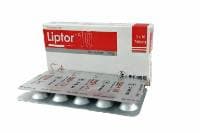
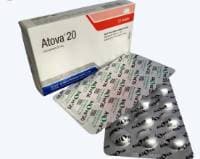
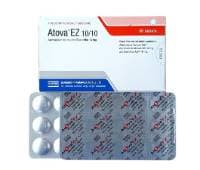
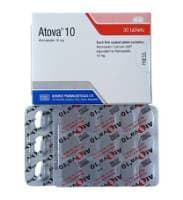
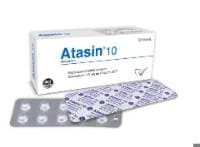
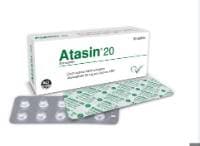
Drug Class: Statins (HMG-CoA reductase inhibitors)
Purpose:
Lowers LDL cholesterol (“bad cholesterol”)
Raises HDL cholesterol (“good cholesterol”)
Reduces triglycerides
Prevents cardiovascular events (heart attack, stroke, angina)
Dosage Forms: Tablets (10 mg, 20 mg, 40 mg, 80 mg) and oral suspension.
Common Brand Names: Lipitor, Atorvaliq.
Approval: First FDA-approved in 1996, now one of the most prescribed statins worldwide.
Indications of Atorvastatin
Atorvastatin is prescribed for:
Hypercholesterolemia: High cholesterol levels, especially elevated LDL (“bad cholesterol”).
Mixed dyslipidemia: Combination of high cholesterol and triglycerides.
Prevention of cardiovascular disease:
Reduces risk of heart attack, stroke, and angina in patients with risk factors (such as diabetes, hypertension, smoking, or family history).
Familial hypercholesterolemia: Genetic condition causing very high cholesterol.
Secondary prevention: For patients who already had a cardiovascular event (like heart attack or stroke) to prevent recurrence.