Search products by name
Search medicines by name
0
0 item
৳ ০.০০
আপনার সব স্বাস্থ্যসেবার সমাধান — এখন এক জায়গাতেই


১০৬৫৭
info@shukhee.com
টেলিকম ভবন, ৫৩/১, বক্স নগর, ঢাকা-১২১৬
৳ ০.০০
১০৬৫৭
info@shukhee.com
টেলিকম ভবন, ৫৩/১, বক্স নগর, ঢাকা-১২১৬


Quantity:

Products

Payment

Delivery
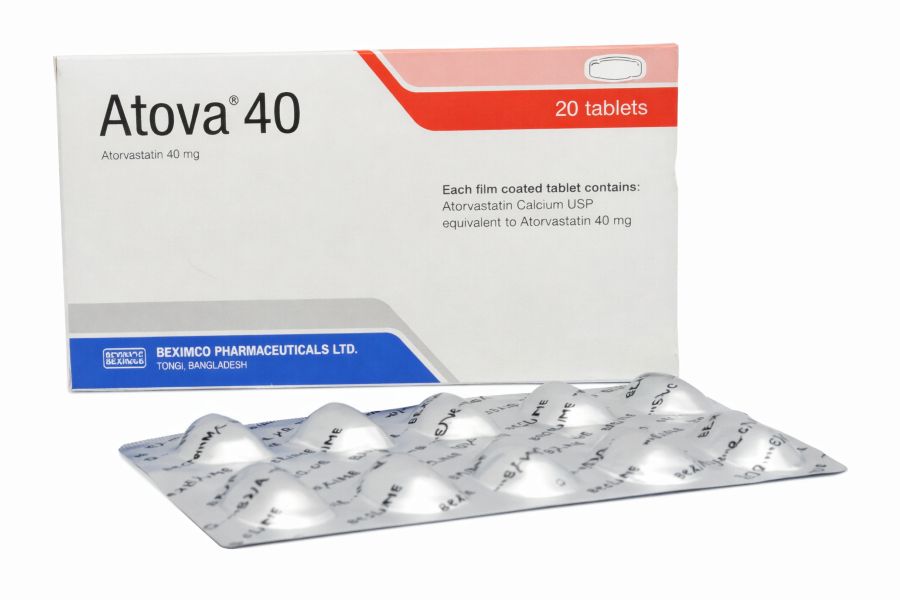
When diet and other non-pharmacological approaches fail to lower increased total cholesterol, LDL cholesterol, apolipoprotein B (Apo-B), and triglyceride levels in the following conditions, atorvastatin is prescribed as an adjuvant to diet.
HMG-CoA reductase inhibitor atorvastatin is a selective inhibitor. The rate-limiting enzyme in the conversion of HMG-CoA to mevalonate, a precursor of sterols including cholesterol, is this enzyme. Atorvastatin reduces plasma cholesterol and lipoprotein levels via blocking HMG-CoA reductase and cholesterol synthesis in the liver, as well as increasing the number of hepatic LDL receptors on the cell surface, resulting in improved LDL uptake and catabolism.
Primary hypercholesterolemia and combined hyperlipidemia-
Familial hypercholesterolemia-
Prevention of cardiovascular events-
The risk of myopathy during treatment with Atorvastatin is increased with concurrent administration of cyclosporin, fibric acid derivatives, erythromycin, azole antifungals, and niacin. No clinically significant interactions were seen when Atorvastatin was administered with antihypertensives or hypoglycemic agents. Patients should be closely monitored if Atorvastatin is added to digoxin, erythromycin, oral contraceptives, colestipol, antacid, and warfarin.
Atova 40 should not be used in patients with hypersensitivity to any component of this medication. Atorvastatin is contraindicated in active liver disease or unexplained persistent elevations of serum transaminases. It is also contraindicated in patients with a history of serious adverse reactions to prior administration of HMG-CoA reductase inhibitors.
Atova 40 is generally well-tolerated. The most frequent side effects related to Atorvastatin are constipation, flatulence, dyspepsia, abdominal pain. Other side effects include infection, headache, back pain, rash, asthenia, arthralgia, myalgia.
Pregnancy: Atova 40 is contraindicated during pregnancy. Safety in pregnant women has not been established. No controlled clinical trials with atorvastatin have been conducted in pregnant women. Rare reports of congenital anomalies following intrauterine exposure to HMG-CoA reductase inhibitors have been received. Animal studies have shown toxicity to reproduction. Maternal treatment with atorvastatin may reduce the fetal levels of mevalonate which is a precursor of cholesterol biosynthesis. Atorvastatin should not be used in women who are pregnant, trying to become pregnant or suspect they are pregnant. Treatment with atorvastatin should be suspended for the duration of pregnancy or until it has been determined that the woman is not pregnant
Lactation: It is not known whether Atova 40 or its metabolites are excreted in human milk. In rats, plasma concentrations of atorvastatin and its active metabolites are similar to those in milk. Because of the potential for serious adverse reactions, women taking atorvastatin should not breastfeed their infants. Atova 40 is contraindicated during breastfeeding.
Liver effects: Liver function tests should be performed before the initiation of treatment and periodically thereafter. Atova 40 should be used with caution in patients who consume substantial quantities of alcohol or have a history of liver disease. Atova 40 therapy should be discontinued if markedly elevated CPK levels occur or myopathy is diagnosed or suspected.
Other Anti-anginal & Anti-ischaemic drugs, Statins
Protect from light and moisture by storing in a cool, dry place below 30°C. Keep out of children's reach.
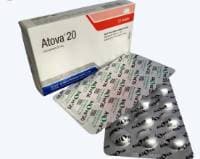
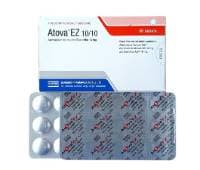
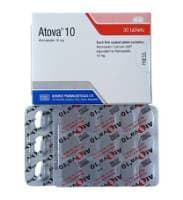
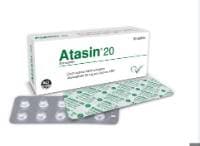
Drug Class: Statins (HMG-CoA reductase inhibitors)
Purpose:
Lowers LDL cholesterol (“bad cholesterol”)
Raises HDL cholesterol (“good cholesterol”)
Reduces triglycerides
Prevents cardiovascular events (heart attack, stroke, angina)
Dosage Forms: Tablets (10 mg, 20 mg, 40 mg, 80 mg) and oral suspension.
Common Brand Names: Lipitor, Atorvaliq.
Approval: First FDA-approved in 1996, now one of the most prescribed statins worldwide.
Indications of Atorvastatin
Atorvastatin is prescribed for:
Hypercholesterolemia: High cholesterol levels, especially elevated LDL (“bad cholesterol”).
Mixed dyslipidemia: Combination of high cholesterol and triglycerides.
Prevention of cardiovascular disease:
Reduces risk of heart attack, stroke, and angina in patients with risk factors (such as diabetes, hypertension, smoking, or family history).
Familial hypercholesterolemia: Genetic condition causing very high cholesterol.
Secondary prevention: For patients who already had a cardiovascular event (like heart attack or stroke) to prevent recurrence.